
Desserts
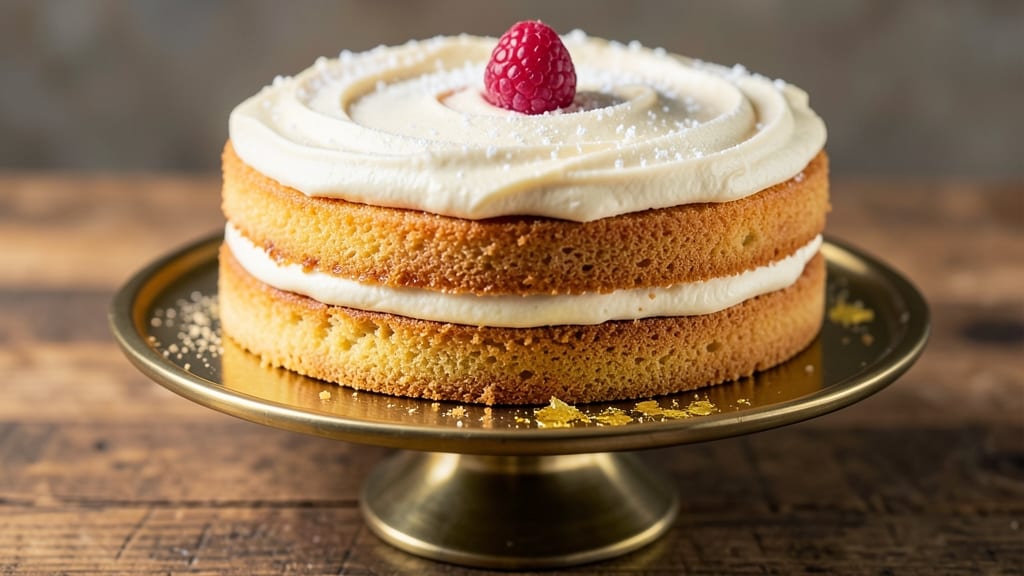
This 2-egg butter cake recipe delivers ultra-moist layers with just two eggs and minimal mixing—no heavy creaming or complicated steps. The secret lies in a precise ratio of butter to sugar, combined with a gentle folding technique that keeps the texture tender without overworking the batter.
After years of testing, this version consistently produces a cake that stays moist for days, even without frosting.
What sets this recipe apart is its efficiency: no stand mixer required, no waiting for long rest times, and only 30 minutes of active prep.
The cake bakes in a single layer (or two if you prefer), yielding a crumb that's fine yet rich, with just the right balance of buttery sweetness. The key is folding dry ingredients into the wet mixture in stages, ensuring even distribution without developing gluten.
By the time it emerges from the oven, you'll have a cake with a golden, crackly top and a velvety interior that melts in your mouth. The butter content creates that signature tender crumb, while the two-egg formula keeps it light without sacrificing richness.
This is the kind of cake that tastes homemade even when made from scratch.
Serve it plain with a dusting of powdered sugar, or add a simple glaze for extra shine. The recipe scales perfectly for gatherings, and leftovers stay fresh for up to five days when stored properly. Let's get started on this effortless, foolproof butter cake.
Ingredients for 2 egg butter cake
Nine simple ingredients transform into a velvety, ultra-moist butter cake with minimal effort.
| Ingredient | Amount | Notes |
|---|---|---|
| Unsalted Butter 🧈 | 1 cup | Softened to room temperature |
| Granulated Sugar 🍚 | 1 ½ cups | Light brown sugar for extra moisture |
| Large Eggs 🥚 | 2 whole | Room temperature for even mixing |
| All-Purpose Flour 🌾 | 2 cups | Sifted for light texture |
| Baking Powder 🧂 | 1 ½ tsp | Double-acting for proper rise |
| Salt 🧂 | ½ tsp | Fine sea salt preferred |
| Vanilla Extract 🌿 | 1 tbsp | Pure vanilla for authentic flavor |
| Whole Milk 🥛 | ½ cup | Room temperature for smooth batter |
| Powdered Sugar 🍚 | ¼ cup | For optional dusting |
The butter is non-negotiable here—unsalted and room temperature is essential for that signature tender crumb. Land O'Lakes or Plugrá are reliable brands, but any good-quality unsalted works. Light brown sugar adds subtle caramel notes and extra moisture compared to white sugar. For the eggs, room temperature ensures even distribution in the batter—no need to microwave, just let them sit out for 30 minutes. The flour should be sifted to avoid dense layers, and King Arthur or Bob's Red Mill are excellent choices for consistent results.
No vanilla extract? Vanilla bean paste works beautifully, or a pinch of ground vanilla bean if you're feeling fancy. Running short on milk? Evaporated milk or even water in a pinch keeps the batter workable. The baking powder is crucial—don't swap for baking soda unless you add an acid like buttermilk. For a richer flavor, consider adding 1 tbsp of sour cream to the wet ingredients, though it's not strictly necessary. The powdered sugar is optional but adds that professional touch when dusted over the cooled cake.
This cake keeps beautifully—3-4 days at room temperature wrapped in plastic, or 5 days in the fridge. For longer storage, slice and freeze portions for up to 3 months. The butter content means it reheats well, so a quick 10-second zap in the microwave restores that fresh-from-oven warmth. Double the recipe for gatherings—it scales perfectly in a 9x13-inch pan for a single layer or two 9-inch pans for two layers.
Why You'll Love This Recipe
- Minimal Ingredient Magic: I swear by this recipe when I’m staring at a half-empty pantry. Just butter, sugar, eggs, flour, and baking powder—no fancy swaps or last-minute grocery runs. That rich, buttery flavor comes from letting the cold butter cut into the sugar until it’s just starting to clump, and honestly? It’s foolproof.
- Rich Without Effort: The secret’s in the creaming. Beat the butter and sugar until it’s light and fluffy—no mixer? A sturdy fork works—and those two eggs bind everything together so smoothly. The result? A tender crumb that’s buttery enough to make you question your life choices if you skip a slice.
- Weeknight & Weekend Ally: Make a batch on Sunday, and you’ve got breakfast for days. Slice it fresh for morning toast, or stash it in the fridge for quick snacks. (Yes, even on a Tuesday night when you’re too tired to think.) The baking powder keeps it light, so it doesn’t get dense or dry—just pure, reliable comfort.
- Budget-Friendly Luxury: This cake costs me pennies per serving, but it tastes like a bakery treat. Two eggs stretch the batter perfectly, and the butter—used generously—makes every bite feel special. Leftovers? Wrap them up, and they’ll still be moist days later. My wallet and my taste buds thank me.
Step-by-step instructions for 2 egg butter cake
This recipe delivers tender, moist layers with minimal effort—no stand mixer required.
👨🍳 Step 1: Cream Butter and Sugar Until Light
In a large mixing bowl, combine the 1 cup unsalted butter (softened to room temperature) with the 1.5 cups granulated sugar. Using a hand mixer or wooden spoon, beat on medium speed for 3-4 minutes until the mixture is pale, fluffy, and has nearly doubled in volume. You'll notice the texture becomes smooth and airy—this incorporates air that creates the cake's tender crumb.
I press down lightly with my finger at the end to check for proper creaming—the indentation should spring back slowly. If the mixture still looks grainy, continue beating for another 30 seconds. This step is critical for moisture and volume, so don't rush it. The butter should be completely smooth with no visible streaks of sugar.
👨🍳 Step 2: Add Eggs and Vanilla Gradually
Add the 2 whole large eggs one at a time, mixing well after each addition. Start on low speed to prevent splattering, then increase to medium for 30 seconds after each egg. After the second egg, add the 1 tablespoon vanilla extract and mix for another 15 seconds until fully combined.
Here's the thing—room temperature eggs blend more smoothly and create a lighter batter. If your eggs are straight from the fridge, let them sit in warm water for 5 minutes before using. The mixture should now be thick and ribbon-like when you lift the beaters. If it looks too thin, we'll adjust it in the next step.
👨🍳 Step 3: Alternate Dry and Wet Ingredients
In a separate bowl, whisk together the 2 cups all-purpose flour, 1.5 teaspoons baking powder, and 0.5 teaspoon salt. Sift the flour mixture directly into the wet ingredients, then add the 0.5 cup whole milk in 3 equal additions, mixing just until combined after each addition. Overmixing develops gluten, which makes the cake tough.
I use a spatula to gently fold the flour mixture into the wet ingredients—just until no dry spots remain. The batter should be smooth and slightly thick, like heavy pudding. If it's too stiff, add 1 tablespoon more milk; if too thin, add 1 tablespoon more flour. The key is consistency—this ensures even baking and proper rise.
🔥 Step 4: Bake in Prepared Pans
Preheat your oven to 350°F. Generously grease two 8-inch round cake pans (or one 9x13-inch pan) with butter and dust with flour, tapping out any excess. Divide the batter evenly between the prepared pans—fill each ¾ full for even baking. For extra moisture, I place a small dish of water on the oven rack while baking.
Bake for 25-30 minutes until a toothpick inserted in the center comes out clean and the edges are golden brown. I check at the 20-minute mark because ovens vary—some run hot, others cool. The top should spring back slowly when pressed gently with a finger. If the top browns too quickly, tent with foil to prevent overbrowning while maintaining doneness.
⏰ Step 5: Cool and Dust for Perfect Finish
Remove the cakes from the oven and let them cool in their pans for 10 minutes. Then transfer to a wire rack to cool completely. While cooling, I like to dust the tops with the 0.25 cup powdered sugar for a professional finish. This step is optional but adds that bakery-style presentation.
The cakes will be moist and tender when fully cooled—this is where the magic happens. Real talk: don't skip the cooling time. Cutting too soon makes the layers gummy. For serving, slice with a serrated knife dipped in hot water for clean cuts. Store leftovers in an airtight container for up to 3 days or freeze for 2 months.
Pro Tips For Making 2 Egg Butter Cake
- CREAM BUTTER AND SUGAR FIRST: Take 2 minutes to whip the butter and sugar together until it’s light and fluffy—not just mixed. I used to skip this, and the cake turned out dense. Use a hand mixer on medium-high for 3-4 minutes until the butter looks pale and ribbon-like when you lift the beaters.
- WEIGH YOUR FLOUR (YES, REALLY): Scooping flour from the bag packs it down, adding extra moisture and making the cake gummy. Spoon it into a measuring cup, then level it off with a knife. This recipe is already egg-light, so precise flour measurement keeps the texture tender.
- STOP WHEN THE CENTER SPRINGS BACK: The cake’s done when a toothpick comes out clean and the edges pull away from the pan just slightly. Overbaking dries out the crumb—pull it when the center looks just set, then let it cool 5 minutes before slicing. (Your future self will thank you.)
- LET THE BATTER REST 10 MINUTES: After mixing, let the batter sit uncovered for 10 minutes. This relaxes the gluten in the flour, so the cake rises higher and stays moist longer. I was skeptical until I tried it—now it’s non-negotiable for this recipe.
Perfect pairings for this dish
Classic Glazes
For a simple yet elegant finish, try a powdered sugar glaze made with ½ cup powdered sugar and 1-2 tablespoons milk or lemon juice. Brush over the cooled cake for a delicate sheen—this works especially well with vanilla or lemon extracts in the batter.
I like to add ½ teaspoon vanilla extract to the glaze for extra depth. 🌟
Cream Cheese Frosting
A cream cheese frosting elevates this cake to bakery-quality status. Beat 4 oz cream cheese (softened) with ½ cup butter, 2 cups powdered sugar, and 1 teaspoon vanilla until smooth.
Spread between layers or on top—it pairs perfectly with the cake's buttery richness. For extra flavor, add 1 tablespoon lemon zest to the frosting.
Fresh Fruit Toppings
Brighten the cake with fresh fruit like strawberries, raspberries, or blueberries. Arrange them on top after frosting or simply dust with powdered sugar. The natural acidity cuts through the butter's richness, balancing flavors beautifully.
I recommend macintosh apples (thinly sliced) for a more rustic presentation—toss them in 1 teaspoon lemon juice to prevent browning.
Whipped Cream
Lightly sweetened whipped cream is my go-to for a no-fuss finish. Whip 1 cup heavy cream with 2 tablespoons powdered sugar and ½ teaspoon vanilla until soft peaks form.
Fold in 1 tablespoon crushed pistachios or almonds for crunch. This keeps the cake light and airy while adding a festive touch.
Chocolate Ganache
For chocolate lovers, a dark chocolate ganache adds decadence. Melt ½ cup dark chocolate chips with ¼ cup heavy cream, then drizzle over the cake. Let it set slightly before serving—this pairs especially well with a hint of espresso powder in the cake batter for a mocha twist. 🍫
Seasonal Variations
Adjust toppings by season: Pumpkin spice in fall (add ½ teaspoon cinnamon to the batter), coconut flakes in summer, or cranberry sauce in winter. For holidays, swap the vanilla extract for almond extract and top with toasted pecans.
The cake's versatility makes it perfect for any occasion without altering the core recipe.
Nutrition facts
Frequently asked questions
Why does this recipe use only 2 eggs?
This recipe achieves perfect moisture and structure with just 2 eggs by relying on proper butter creaming and gentle folding techniques. The butter-to-sugar ratio creates air pockets that compensate for fewer eggs, while the milk adds richness. It's ideal for those who prefer a lighter, less dense cake without compromising flavor.
Can I make this cake without a mixer?
Use a sturdy wooden spoon or whisk to cream the butter and sugar—just work it vigorously for 5-7 minutes until pale and fluffy. For the eggs, beat them separately in a bowl first, then gently fold into the butter mixture. The key is patience and elbow grease to achieve the same airy texture.
What if my cake turns out dense?
Density usually means overmixing or undercreaming. Check your butter—it must be room temperature (press a finger in; it should leave a slight indentation). Also ensure you're mixing just until combined when adding flour, not until smooth. For next time, try adding 1 tablespoon sour cream to the wet ingredients for extra moisture.
How do I prevent cracks on top?
Cracks form when the cake bakes too quickly. Prevent them by:
- Baking at 350°F (not higher),
- Not overfilling pans (¾ full max), and
- Tenting with foil if the top browns too fast. If cracks appear, they're harmless—just brush with simple syrup (equal parts sugar and water) to keep the cake moist.
Can I substitute milk with something else?
Yes! Use evaporated milk, almond milk, or even water in a pinch. For best results, opt for dairy-based alternatives like Greek yogurt or buttermilk (reduce other liquids by 2 tablespoons if using). The fat content in dairy helps create that signature tender crumb.