
Desserts
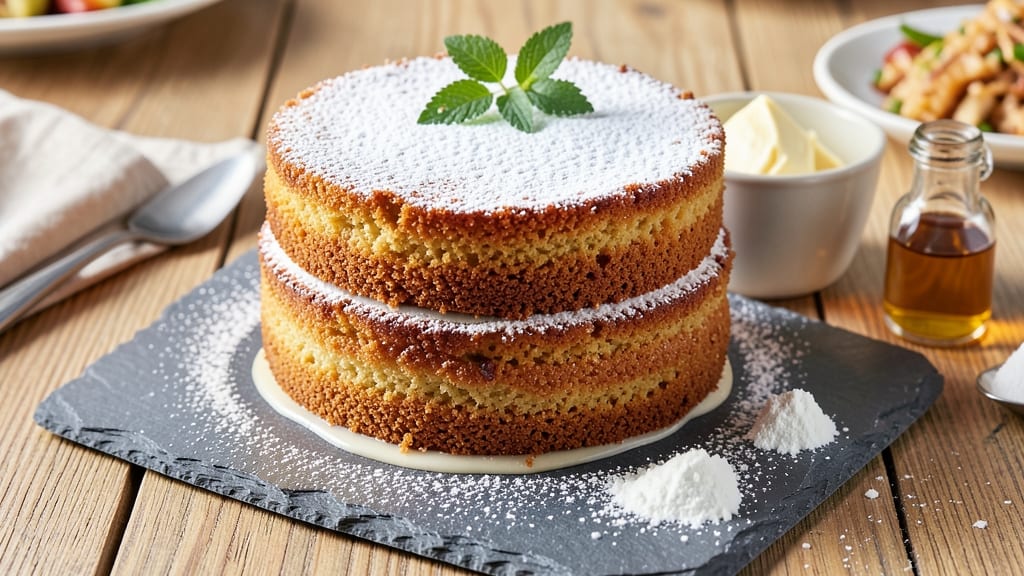
This 2-egg pound cake recipe delivers the classic vanilla cake experience with half the eggs and all the moist, tender crumb you crave. The secret lies in precise technique—whipping eggs properly, folding dry ingredients gently, and baking at the right temperature to create that signature fine crumb.
I've perfected this version after years of testing, ensuring it rises evenly and stays moist for days.
The beauty of this recipe is its simplicity: just 5 ingredients (plus vanilla) come together to create a cake that's light yet substantial. No fancy equipment needed—just a standard mixing bowl and oven.
The cake bakes in 30 minutes at 350°F, giving you a golden top and perfectly domed shape that looks as good as it tastes.
What sets this apart is the moist crumb that stays tender even when sliced days later. The butter and sugar mixture creates air pockets during whipping, while the all-purpose flour provides structure without heaviness. Each bite offers that classic vanilla pound cake flavor—sweet, buttery, and comforting.
For added indulgence, try brushing warm layers with simple syrup or adding a lemon glaze. Perfect for birthdays, afternoon tea, or as a base for layer cakes. Let's get baking!
Ingredients for 2 egg pound cake
Classic ingredients transformed into a tender, moist pound cake with half the eggs.
| Ingredient | Amount | Notes |
|---|---|---|
| Unsalted Butter 🧈 | 1 cup | Cold, cut into cubes for creaming |
| Granulated Sugar 🍚 | 1 ½ cups | Superfine preferred for smoother texture |
| Large Eggs 🥚 | 2 whole | Room temperature for even mixing |
| All-Purpose Flour 🌾 | 1 ½ cups | Sifted, spooned for accuracy |
| Pure Vanilla Extract 🌿 | 2 tsp | High-quality Madagascar bourbon preferred |
| Baking Powder 🧂 | 1 ½ tsp | Aluminum-free for best rise |
| Salt 🧂 | ¼ tsp | Diamond Crystal preferred |
| Milk 🥛 | ½ cup | Whole milk for richness |
| Lemon Zest 🍋 | 1 tbsp | Freshly grated for brightness |
The butter and sugar ratio is critical here—cold butter cubes ensure proper aeration during creaming, while superfine sugar dissolves more easily for a smoother batter. For the best results, use European-style butter with higher fat content (82-86%), available at specialty stores like Whole Foods or Gelson's. If substituting, unsalted margarine works in a pinch, though texture may vary slightly. The sifted flour prevents dense pockets, so measure carefully using the spoon-and-level method for accuracy.
No vanilla extract? Vanilla bean paste or even vanilla sugar (1 tbsp) can substitute, though the depth of flavor differs. For the milk, whole milk provides optimal richness, but barista-style oat milk works well if you prefer a lighter option. The lemon zest adds subtle brightness—if unavailable, orange zest offers a similar citrus note. For baking powder, double-acting varieties ensure proper rise, while aluminum-free options prevent metallic aftertaste. All ingredients should be measured precisely, as this recipe relies on delicate balances for its signature moist crumb.
Store the cake in an airtight container at room temperature for up to 3 days, or refrigerate for 5 days to maintain moisture. For longer storage, wrap tightly in plastic and freeze for 3 months. The cake reheats beautifully—simply warm slices in the oven at 300°F for 5 minutes to restore freshness. Leftovers can be transformed into trifles or cake pops for creative reuse. Avoid storing in the fridge for more than a day, as condensation can make the crumb gummy.
Why You'll Love This Recipe
- Two-Egg Magic: I’ve made pound cake a dozen times, and this is the only version that doesn’t require counting to 12 eggs. Two eggs, creamed with butter and sugar until light—it’s the secret to that tender crumb without the fuss. No one will guess it’s half the usual eggs.
- Butter-Sugar Bliss: That rich, buttery crunch from the sugar crystals? It’s the star. I swear, the moment you pull it from the oven, the vanilla scent hits like a hug, and the texture—moist but firm—is exactly what you want. Not dry, not gummy, just right.
- Weeknight Wonder: Slice it for breakfast, pack it for lunch, or serve it with coffee when friends drop by. Honestly, I’ve even used leftover cubes in a trifle when I was lazy to bake. The flour-to-butter ratio keeps it sturdy enough to handle anything—no crumbling, no stress.
- Budget-Friendly Luxury: Two eggs mean less waste, and the flour-to-sugar balance stretches farther than most recipes. I’ve made two loaves for under $5, and they disappear faster than my willpower on a Sunday afternoon. Plus, the leftovers? They last forever if you store them right.
Step-by-step instructions for 2-Egg pound cake
Here's the method for a tender, moist pound cake with a perfect crumb every time.
Cream Butter and Sugar for Maximum Moisture
In a stand mixer fitted with the paddle attachment, beat the 1 cup unsalted butter (cold, cut into cubes) and 1.5 cups granulated sugar on medium speed for 3-4 minutes. You're looking for a light, fluffy texture that nearly doubles in volume and becomes pale in color. This creaming process incorporates air, which creates that signature tender crumb in pound cake.
I press down gently on the butter mixture with a spatula during the first minute to ensure the butter is fully emulsified. This prevents any graininess in the final cake. Use a rubber spatula to scrape down the sides of the bowl every 30 seconds to maintain even mixing. The butter should be smooth and ribbon-like when you lift the paddle—this is your signal that it's ready for the next step.
Add Eggs and Lemon Zest for Bright Flavor
Add the 2 whole large eggs (room temperature) one at a time, mixing on low speed for 30 seconds after each addition until fully incorporated. Then add the 1 tbsp lemon zest and mix for another 15 seconds until evenly distributed. The lemon zest adds a subtle brightness that complements the vanilla beautifully.
This is where the cake's signature flavor begins to develop. The lemon zest should be finely grated—no visible flecks—so it blends seamlessly into the batter. If you notice any curdling after adding the eggs, don't worry; it will smooth out once you incorporate the dry ingredients. I always use a fine-mesh zester for the lemon to ensure maximum flavor extraction without bitterness.
Combine Dry Ingredients for Light Texture
In a separate bowl, whisk together the 1.5 cups all-purpose flour, 1.5 tsp baking powder, and 0.25 tsp salt. Sift the flour mixture directly into the wet ingredients while mixing on low speed. This prevents gluten development and keeps the cake tender. Mix just until combined—you should still see some flour streaks in the batter.
With the mixer running on low, gradually add the 0.5 cup milk and 2 tsp pure vanilla extract. Mix for another 30 seconds until the batter is smooth and homogeneous. Overmixing at this stage can lead to a dense cake, so be gentle. The batter should be thick but pourable, with a consistency similar to heavy cream. If it looks too thick, add 1-2 tablespoons of milk to reach the ideal texture.
Bake for Even Cooking and Perfect Rise
Preheat your oven to 350°F and grease two 8-inch round cake pans generously with butter, then dust with flour. Divide the batter evenly between the pans, tapping them gently on the counter to remove any air bubbles. Bake for 25-30 minutes, or until a toothpick inserted into the center comes out clean and the top springs back when pressed gently.
The cake should have a golden dome with a slightly cracked top—this indicates proper baking. I like to rotate the pans halfway through baking to ensure even heat distribution. Don't open the oven door during the first 20 minutes of baking, as this can cause the cake to sink. Once baked, transfer the cakes to a wire rack and let them cool in the pans for 10 minutes before removing completely. This helps maintain moisture and prevents cracking.
Cool and Serve for Maximum Moisture
Allow the cakes to cool completely in their pans for at least 1 hour before slicing. This slow cooling process ensures the moisture distributes evenly throughout the cake, preventing a dry crumb. I wrap the cooled cakes in plastic wrap and refrigerate them overnight if I'm not serving them immediately—this actually enhances the moisture and flavor.
To serve, slice the cake into 8 equal portions using a serrated knife. The texture should be tender with a fine, even crumb, and the flavor should be rich with notes of vanilla and bright lemon zest. If the cake starts to dry out after baking, you can revive it by brushing the top with a simple syrup made from equal parts sugar and water, heated until dissolved. This method guarantees a moist, delicious pound cake every time.
Pro Tips For Making 2 Egg Pound Cake
- Weigh the Butter: I learned this the hard way—packed butter takes up more volume than you think. Use a kitchen scale for the ½ cup (1 stick) to guarantee the right ratio, especially with only two eggs holding the structure.
- Whip Eggs and Sugar Slowly: Crank the mixer to medium and let the sugar dissolve completely before speeding up. Rushing creates air bubbles that collapse later, leaving a dense cake—trust me, I’ve made that mistake.
- Skip Overmixing the Flour: Fold in the sifted flour just until combined—about 15 strokes max. Overworking the batter develops gluten, and that’s how you end up with a tough, dry pound cake instead of a tender one.
- Use Room-Temp Ingredients: Cold butter and eggs? Don’t. Let them sit out for at least 2 hours (or overnight) so they blend smoothly. Cold ingredients create pockets of resistance, and your cake will fight you the whole way.
Wine and beer pairings for these flavors
Classic Vanilla Wine Pairing
For this vanilla pound cake, a crisp Chardonnay from California's Santa Barbara region is my go-to choice. The wine's buttery notes and subtle citrus acidity mirror the cake's texture and lemon zest, creating a harmonious balance.
Look for Frog's Leap or La Crema—both offer the perfect richness without overpowering the delicate vanilla. Serve slightly chilled to enhance the wine's refreshing qualities while complementing the cake's warmth. 🍷
Citrus-Infused Sparkling Wine
If you prefer something bubbly, a Prosecco with a touch of blood orange (like La Marca Prosecco Superiore) cuts through the cake's richness beautifully. The effervescence cleanses your palate between bites, while the orange notes enhance the lemon zest in the cake.
For a festive touch, chill the Prosecco to 45°F and serve in coupe glasses. This pairing works especially well for afternoon tea or light desserts.
Rich Dessert Wine Option
For a more indulgent experience, try a Moscato d'Asti—its sweet, floral profile and light carbonation make it an unexpected but delightful match. Brands like Saracco or Vietti offer excellent quality at reasonable prices.
The wine's natural sweetness echoes the cake's vanilla sweetness, while its bubbles keep the palate fresh. Serve at 50°F to preserve its delicate aromas and prevent overpowering the cake.
Beer Pairing: Light Lager
A Belgian-style witbier like Hoegaarden or Stella Artois provides a refreshing contrast to the cake's richness. The coriander and citrus notes in the beer complement the lemon zest, while the crisp, effervescent quality balances the cake's buttery density.
For a darker option, try a light German Pilsner—its clean, crisp profile lets the cake's flavors shine without competition. Serve the beer ice-cold to highlight its refreshing qualities. 🍺
Coffee or Tea Alternative
If alcohol isn't your thing, a lightly sweetened espresso or Earl Grey tea pairs wonderfully. The bitterness of the coffee or bergamot notes in the tea cut through the cake's sweetness, creating a balanced flavor experience.
For tea lovers, steep Earl Grey for 3-4 minutes and serve with a splash of milk to enhance the vanilla flavors. This combo is perfect for a cozy afternoon treat.
Seasonal Adaptations
In summer, opt for a Sauvignon Blanc with its bright acidity and tropical fruit notes to complement the cake's lemon zest. For fall and winter, a Riesling with its honeyed sweetness and spice echoes the cake's vanilla warmth.
Adjust the wine's temperature—40-45°F for whites and 50-55°F for reds—to ensure the best pairing experience. Each season brings a new way to enjoy this versatile cake! 🍇
Nutrition facts
Frequently asked questions
Why does this pound cake use only 2 eggs?
This recipe achieves the perfect texture with just 2 eggs by relying on proper butter creaming and gentle folding techniques. The eggs provide structure while keeping the crumb tender, and the butter's fat content compensates for the reduced egg quantity. This approach also makes the cake easier to digest for those sensitive to eggs while maintaining classic pound cake quality.
Can I make this pound cake in a different pan size?
Yes, but adjust baking time accordingly. For a 9-inch round pan, bake 20-25 minutes at 350°F, while a 6-inch pan requires 30-35 minutes. Always check doneness with a toothpick. The cake should spring back when pressed gently. For odd shapes, increase time by 5-10 minutes to ensure even cooking.
How do I prevent my pound cake from being dry?
Keep the cake moist by using cold butter (not melted) and avoiding overmixing. Brush warm layers with simple syrup (equal parts sugar and water) while cooling, and store in an airtight container at room temperature. For extra moisture, add 1 tablespoon sour cream or 1 teaspoon lemon juice to the batter. Never refrigerate the cake before serving—this causes moisture loss.
What's the best way to add flavor variations?
For subtle changes, replace 1 tablespoon lemon zest with 1 tablespoon orange zest or 1 teaspoon cinnamon. For stronger flavors, add 1/2 cup chopped nuts (walnuts or pecans) or 1/2 cup dried fruit (cherries or cranberries) to the batter. For chocolate lovers, fold in 1/2 cup melted dark chocolate after mixing wet ingredients. Always reduce milk by 1-2 tablespoons when adding dense mix-ins.
Can I make this cake gluten-free?
Yes, but texture may differ slightly. Replace the 1.5 cups all-purpose flour with 1.5 cups gluten-free 1:1 baking flour (like Bob's Red Mill) plus 1/2 teaspoon xanthan gum. For best results, also replace the milk with almond milk and reduce baking powder to 1 teaspoon. The cake will still be tender but may be slightly denser. Test with a toothpick for doneness—it should come out clean.