
Desserts
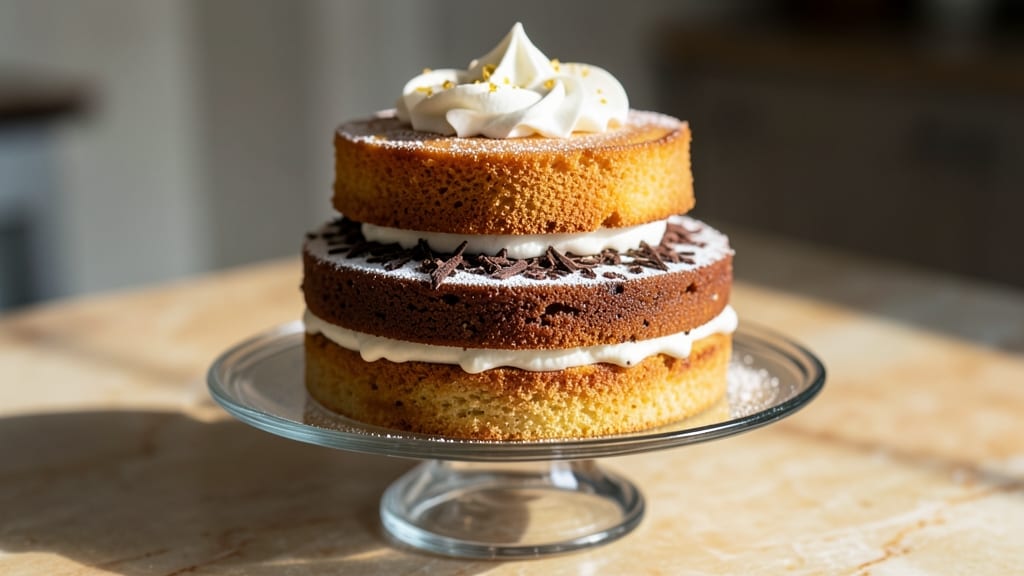
This 3-egg cake recipe delivers effortlessly light, airy layers that rise perfectly every time—no fancy equipment or complicated steps required. The secret lies in the eggs, which act as both a leavening agent and binding force, creating a tender crumb that's impossible to resist.
I've baked this version dozens of times, and it consistently produces a cake so delicate it practically melts in your mouth.
What sets this recipe apart is the 45-minute timeline—from mixing to serving—making it ideal for last-minute dessert needs. The batter comes together in minutes with simple pantry staples, and the eggs ensure a stable structure without requiring excessive flour or butter.
For beginners, this is the perfect project to build confidence in cake baking.
By the time it emerges from the oven, you'll have a golden, multi-layered cake with a fine crumb and subtle sweetness that pairs beautifully with vanilla, chocolate, or fresh berries. The texture is what truly impresses—light enough to eat with a spoon, yet sturdy enough to slice neatly for guests.
Ready to try it? The recipe includes optional flavor variations and professional plating tips to elevate your presentation. Let's get started with a dessert that's both impressive and foolproof.
Ingredients for 3 egg cake
Twelve ingredients, minimal effort, maximum airy perfection—this cake redefines simplicity.
| Ingredient | Amount | Notes |
|---|---|---|
| Large Eggs 🥚 | 3 whole | Room temperature for even mixing |
| All-Purpose Flour 🌾 | 1 ½ cups | Sifted for light texture |
| Granulated Sugar 🍚 | 1 ½ cups | Superfine preferred for smoothness |
| Unsalted Butter 🧈 | ¾ cup | Cold, cubed for creaming |
| Pure Vanilla Extract 🍯 | 1 tbsp | High-quality, alcohol-free preferred |
| Baking Powder 🧂 | 1 ½ tsp | Freshly opened for lift |
| Salt 🧂 | ¼ tsp | Fine sea salt preferred |
| Whole Milk 🥛 | ½ cup | Room temperature for smooth batter |
| Cornstarch 🌾 | 2 tbsp | For tender crumb texture |
| Vegetable Oil 🫒 | ¼ cup | Light, neutral flavor |
| Almond Extract 🌿 | ¼ tsp | Optional, for subtle depth |
| Powdered Sugar 🍚 | ½ cup | For dusting layers |
The eggs are non-negotiable here—they create that signature lightness. Pasture-raised eggs from Eggland's Best or your local farm stand elevate flavor, but store-bought large eggs work perfectly fine. Keep them at room temperature for 30 minutes before mixing to ensure even distribution. The butter should be cold when you cream it with the sugar—this prevents dense layers. If your kitchen runs warm, chill the bowl for 10 minutes before starting. For flour, King Arthur or Gold Medal brands are ideal due to their protein consistency, but any all-purpose will suffice if sifted thoroughly. The cornstarch is what transforms this into a tender crumb—don't skip it.
No almond extract? Vanilla bean paste at double the amount delivers similar depth. Short on milk? Heavy cream or Greek yogurt work at the same quantity, though texture may vary slightly. For a nut-free option, omit the almond extract entirely—the vanilla will still shine. If you prefer a richer cake, replace half the milk with whole milk yogurt. The baking powder must be fresh—if it's been open for more than 6 months, test it by mixing with water; if it fizzes, it's still potent. For a quicker mix, superfine sugar dissolves instantly, but regular granulated sugar works if pulsed briefly in a food processor.
This batter keeps 24 hours in the fridge if covered tightly with plastic wrap pressed directly on the surface. For longer storage, freeze portions in airtight containers for up to 3 months. When ready to bake, let the batter sit at room temperature for 30 minutes before pouring—this prevents dense layers. The finished cake stores beautifully at room temperature for 3 days when wrapped in cake domes, or in the fridge for up to 5 days. For presentation, dust layers with powdered sugar immediately after assembly to prevent crumbs. The cake freezes exceptionally well between layers—just thaw completely before serving.
Why You'll Love This Recipe
- No Mixer Needed: I swear by this recipe when my mixer’s on the fritz—just whisk those eggs with sugar until light and fluffy, then fold in the dry ingredients. The butter gets worked right in, and the vanilla ties it all together without a single electric beat.
- Buttery-Vanilla Magic: That single stick of butter and a splash of vanilla extract? It’s the secret weapon. The cake stays moist for days, with a tender crumb that’s not too sweet—just rich enough to make you reach for a second slice. (Yes, even on a Tuesday night.)
- Crowd-Pleaser Any Day: Bake it for breakfast, dessert, or even a quick snack—it’s that versatile. Serve it warm with a drizzle of honey or dust it with powdered sugar for a café-style treat. My kids ask for it at least twice a week, and I never get tired of making it.
- Pantry Staples Only: Three eggs, a cup of flour, sugar, butter—you’re already stocked. No fancy ingredients, no last-minute grocery runs. It’s my go-to when I’m low on time or cash, and honestly? Nobody can tell the difference from a store-bought cake.
Step-by-step instructions for light-as-air layers
Here's the precise method for achieving flawless, airy layers with perfect texture every time.
Cream Butter and Sugar to Ribbon Stage
In a stand mixer fitted with the paddle attachment, beat the 0.75 cup unsalted butter (cold and cubed) and 1.5 cups granulated sugar on medium speed for 3-4 minutes. You're looking for a pale, fluffy mixture that nearly doubles in volume and leaves clean ribbons when the beaters are lifted. This creaming process incorporates air, which is essential for that signature light texture.
I press down on the butter occasionally with a spatula to ensure even distribution. If the mixture feels too warm after beating, chill it in the refrigerator for 10 minutes—this prevents the butter from melting and losing its structure. The sugar should be superfine if possible, as it dissolves more evenly and creates a smoother batter.
Incorporate Eggs and Flavorings
Add the 3 whole large eggs, one at a time, mixing on low speed after each addition until fully incorporated. Then add the 1 tbsp pure vanilla extract and 0.25 tsp almond extract (if using), mixing just until combined. The mixture should be smooth and slightly thickened. I like to scrape down the sides of the bowl with a spatula to ensure all ingredients are fully incorporated.
This is where the cake's delicate flavor profile begins to develop. The almond extract adds subtle depth, but don't overmix—just until the extracts are evenly distributed. The batter should be pale yellow with no streaks of egg white remaining. If it looks curdled, don't worry; the dry ingredients will smooth everything out in the next step.
Combine Dry Ingredients and Fold Gently
In a separate bowl, whisk together the 1.5 cups all-purpose flour, 1.5 tsp baking powder, 0.25 tsp salt, and 2 tbsp cornstarch. Sift the mixture directly into the wet ingredients, then gently fold with a spatula until just combined. Overmixing develops gluten, which can make the cake dense. You should still see some flour streaks when you lift the spatula.
Next, add the 0.5 cup whole milk and 0.25 cup vegetable oil, mixing on low speed just until the batter is smooth and homogeneous. The batter should be thick but pourable—like heavy pudding. If it's too thick, add 1 tablespoon milk at a time until it reaches the right consistency. The cornstarch in this recipe is key for achieving that tender, melt-in-your-mouth crumb.
Divide and Bake for Perfect Layers
Preheat your oven to 350°F and grease three 8-inch round cake pans (or line them with parchment paper). Divide the batter evenly among the pans—you should have about 1 cup batter per pan. Tap each pan gently on the counter to remove any air bubbles and ensure even distribution.
Bake for 25-30 minutes, or until a toothpick inserted into the center comes out clean and the tops spring back when touched lightly. Rotate the pans halfway through baking for even heat distribution. The cakes should be golden on top with slightly domed centers. If the tops brown too quickly, tent the pans with foil to prevent overbrowning while maintaining doneness.
Cool and Assemble with Powdered Sugar
Remove the cakes from the oven and let them cool in the pans for 10 minutes, then transfer to a wire rack to cool completely. Once fully cooled, level the tops if necessary with a serrated knife. Dust each layer generously with 0.5 cup powdered sugar (about 1-2 tablespoons per layer) to create that signature light-as-air finish.
To assemble, place one layer on a serving plate, then spread a thin layer of your preferred filling (such as whipped cream or jam) if using. Repeat with the remaining layers, dusting each with additional powdered sugar between layers. The powdered sugar not only adds sweetness but also creates that classic, elegant look. Serve immediately for the best texture, or store covered at room temperature for up to 2 days.
Pro Tips For Making 3 Egg Cake
- Whisk Eggs Until Ribbon Stage: Stop when the egg mixture stretches like taffy when you lift the whisk—this guarantees a light, airy crumb instead of a dense brick. I used to overmix and wondered why my cake turned out like a sponge. Trust the stretch test.
- Melt Butter Slowly: Warm the butter in the microwave for 20 seconds at a time, stirring between each, until just melted—not hot enough to cook the flour. Cold butter clumps, and hot butter can scorch the batter before it even hits the pan.
- Sift Flour Twice: Dump the flour into a sieve, shake it once, then fold in the sugar and leavening—then sift it again before mixing. This prevents lumps and ensures even distribution, which keeps the cake from sinking in the middle.
- Grease Pan And Dust: Butter the pan generously, then dust with flour (or a thin layer of cornstarch for extra crispness). Wipe off the excess—this guarantees easy release and a clean edge, not a sticky mess. Yes, it’s extra work, but your cake will look like it came from a bakery.
Wine and beer pairings for these flavors
Classic Vanilla Wine Pair
This delicate cake pairs beautifully with a crisp Champagne or Prosecco—the effervescence cuts through the richness while enhancing the vanilla notes. I love Moët & Chandon Brut Impérial for its bright acidity and subtle almond undertones that mirror the almond extract in the cake.
For a more affordable option, La Marca Prosecco delivers the same refreshing contrast without breaking the bank. 🍾
Rich Chocolate Wine
If you're serving a chocolate-infused variation, reach for a Pinot Noir from Oregon or California. The 2019 Domaine Serene Pinot Noir offers red fruit notes that complement the cocoa without overpowering the cake's delicate texture.
For a bold option, try a Syrah like Guigal Côtes du Rhône—its dark berry flavors stand up to intense chocolate flavors. 🍷
Citrusy Sparkling Beer
For beer lovers, a Belgian Witbier like Hoegaarden or Blue Moon adds a citrusy brightness that refreshes the palate between bites. The coriander and orange peel notes in these beers create a delightful contrast with the cake's buttery sweetness.
If you prefer hoppier options, a light American lager such as Miller Lite or Coors Light works well without competing with the cake's flavors. 🍺
Spiced Dessert Wine
For a more indulgent pairing, consider a Port wine like Taylor's Late Bottled Vintage—its caramel and spice notes enhance the cake's vanilla and almond flavors.
Alternatively, a Moscato d'Asti offers a lightly fizzy, honeyed sweetness that complements the cake's airy texture beautifully. Serve slightly chilled for the best experience. 🍷
Coffee-Infused Pairing
If you're adding espresso powder to your cake batter, pair it with a Vin Santo from Italy. The nutty, caramelized notes of this dessert wine mirror the coffee flavors while adding a luxurious finish.
For a non-alcoholic option, chilled brewed coffee with a splash of heavy cream creates a similar sophisticated contrast. ☕
Seasonal Adaptations
In summer, opt for Sauvignon Blanc to highlight any fresh berry fillings—the wine's zesty acidity balances the cake's sweetness. During the holidays, a Mulled Wine with cinnamon and cloves enhances the cake's warm spices. Always serve wine slightly cooler than room temperature—around 50-55°F—to preserve its delicate flavors. ❄️
Nutrition facts
Frequently asked questions
Why does this recipe use only 3 eggs?
The 3 eggs create the perfect balance of structure and lightness without making the cake dense. Each egg contributes to both binding the ingredients and providing lift through air incorporation during mixing. This quantity also ensures the cake remains tender yet sturdy enough to hold layers, making it ideal for beginners who might worry about overmixing.
Can I make this cake in a single layer?
Reduce the batter to 1 cup total (about ⅓ of the recipe) and bake in one 8-inch round pan for 25-30 minutes at 350°F. The texture will be just as light, though the single layer may be slightly thicker. This works perfectly for small gatherings or personal servings.
What if my cake turns out dense?
Dense cake usually results from overmixing or underbaked layers. Ensure you fold dry ingredients just until combined (flour streaks should remain) and bake until a toothpick comes out clean. For extra lightness, chill the batter 30 minutes before baking or reduce oven temp to 325°F for 35-40 minutes to prevent overbrowning.
How can I add chocolate flavor?
Replace ½ cup milk with ½ cup melted dark chocolate (60% cocoa) or add ¼ cup cocoa powder to the dry ingredients. For a richer version, fold in ½ cup chopped dark chocolate chunks after mixing. Adjust baking time by 2-3 minutes if using extra chocolate.
Can I use this recipe for cupcakes?
Yes! Divide the batter into 12 cupcake liners (about 2 tbsp each) and bake at 350°F for 18-20 minutes. The texture will be slightly denser than cake layers but still tender. For extra height, use jumbo liners and bake 22-24 minutes.