
Salads
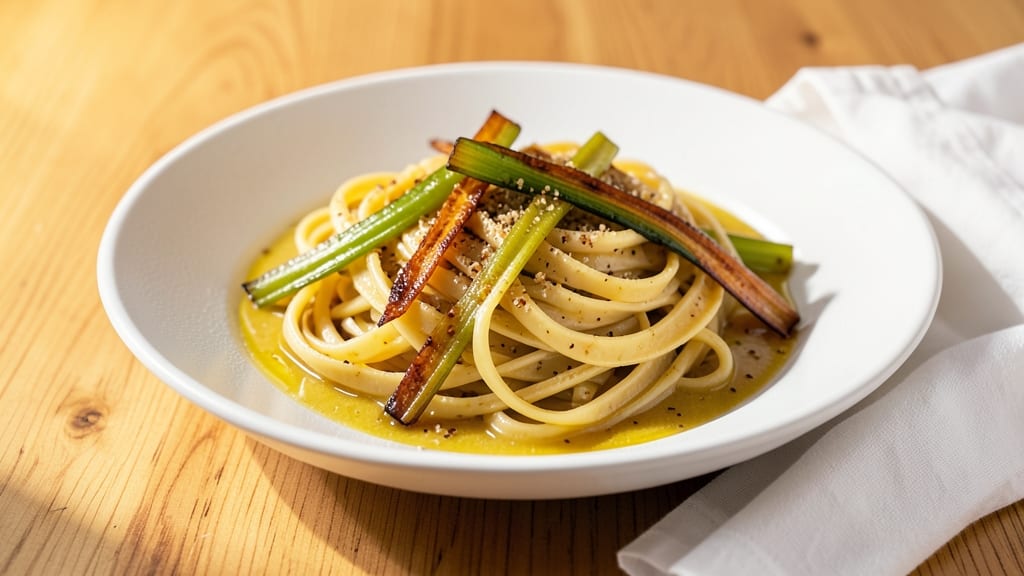
This 6 egg yolk pasta recipe transforms humble ingredients into a luxurious dish where crispy celery crowns sit atop an impossibly silky base. The secret lies in those golden yolks—rich, velvety, and packed with flavor that elevates every bite.
After years of perfecting the balance between crispy toppings and tender pasta, I’ve cracked the code for a restaurant-quality result at home.
The magic begins with the dough, where six egg yolks create an ultra-silky texture that holds its shape beautifully. We’ll pair it with a crispy celery crown that adds crunch and freshness, all while keeping the preparation straightforward.
This isn’t just pasta—it’s a showstopper that proves you don’t need fancy techniques to deliver professional results.
What you’ll end up with is a dish that’s crispy on top, silky underneath, and perfectly balanced in every bite. The egg yolks infuse the pasta with depth, while the celery crown adds a satisfying contrast.
It’s the kind of meal that feels indulgent yet remains approachable, perfect for weeknight dinners or special occasions.
Ready in about 30 minutes, this recipe delivers restaurant-quality pasta without the fuss. The key is in the technique—properly cooking the pasta and toasting the celery crown just right. Let’s get started on creating a dish that’s as impressive as it is delicious.
Ingredients for 6 egg yolk pasta
Six golden yolks, crisp celery crowns, and a silky base await—just gather these professional-quality ingredients.
| Ingredient | Amount | Notes |
|---|---|---|
| Large Egg Yolks 🥚 | 6 whole | Fresh, room temperature preferred |
| All-Purpose Flour 🌾 | 2 cups | Bread flour for better texture |
| Semolina Flour 🌾 | ½ cup | For dusting pasta sheets |
| Fine Sea Salt 🧂 | 1 ½ tsp | Diamond Crystal preferred |
| Extra-Virgin Olive Oil 🫒 | ¼ cup | High-quality, fruity variety |
| Celery Stalks 🧅 | 3 whole | Thick, crisp variety preferred |
| Freshly Grated Parmesan Cheese 🧀 | ½ cup | Aged 24+ months preferred |
| Freshly Ground Black Pepper 🌶️ | ½ tsp | Freshly cracked preferred |
| Unsalted Butter 🧈 | 2 tbsp | European-style preferred |
| Large Egg Whites 🥚 | 2 whole | For optional egg wash |
| Freshly Shredded Pecorino Romano 🧀 | ¼ cup | For finishing |
| Fresh Basil Leaves 🌿 | ¼ cup | Chopped, for garnish |
The egg yolks are non-negotiable here—fresh, high-quality yolks from pasture-raised eggs deliver the richest texture. Whole Foods Market or local farm stands carry the best varieties. For flour, King Arthur bread flour gives superior elasticity to the dough, while semolina adds that signature rustic texture. The celery should be thick, crisp stalks—avoid the stringy supermarket variety. If you can't find fresh celery, Trader Joe's often carries pre-cut celery crowns in their frozen section, though fresh is ideal for that perfect crunch.
No bread flour? All-purpose plus 1 tbsp vital wheat gluten mimics the effect. Substituting Parmesan? Pecorino Romano works beautifully, but avoid pre-shredded—it loses flavor fast. For the celery crown, if you can't find thick stalks, cut the base off a head of celery and slice into thin rounds. The egg whites are optional but create a stunning golden finish—use them only if your yolks are extra-fresh. The olive oil should be cold-pressed, extra-virgin—anything less will compromise the dish's luxurious quality.
Egg yolks keep best in the fridge for 3 days after cracking—store them in an airtight container with a sprinkle of salt. Fresh celery lasts 1 week in the fridge, but for the celery crown, cut it just before cooking to preserve crispness. The dough can be made 1 day ahead and stored wrapped in plastic at room temperature, though it's best fresh. For the crispy crown, toast it immediately before serving—it loses crunch within minutes. Portion the pasta into individual plates with crowns on top for an impressive presentation.
Why You'll Love This Recipe
- No-Knead Magic: I swear by this dough—just yolks, flour, and a pinch of salt. No rolling, no fuss, just mix, rest, and roll. The semolina gives it that perfect al dente bite without the elbow grease.
- Rich, Buttery Depth: That sixth yolk? It’s the secret weapon. The pasta comes out silky and golden, with a flavor so rich it holds up to even the simplest sauces. Drizzle with olive oil and you’ve got dinner.
- Weeknight Workhorse: Make a batch on Sunday, store it in the fridge, and cook fresh all week. It’s my go-to for busy nights—just toss with garlic, chili flakes, and a handful of peas. Done.
- Pennies on the Dollar: Six eggs, a bag of flour, and olive oil you already own. This is pasta for when you’re broke but still want to feel fancy. Honestly, it’s the most budget-friendly luxury I know.
Step-by-step instructions for 6 egg yolk pasta
Mastering this technique transforms ordinary pasta into silky perfection with a crispy celery crown.
Create the Ultra-Silky Egg Yolk Base
In a stand mixer fitted with the whisk attachment, combine the 6 whole large egg yolks and 1.5 teaspoons fine sea salt. Whisk on medium speed for 3 minutes until the mixture becomes pale, thick, and nearly doubles in volume. This emulsification process incorporates air, which will create the signature silky texture.
Gradually add the 2 cups all-purpose flour and 0.5 cup semolina flour through the mixer's feed tube while continuing to whisk on low speed. The dough will initially resist, but keep mixing for 5-7 minutes until it forms a smooth, elastic dough that pulls away from the sides of the bowl. The semolina flour adds texture and prevents sticking during rolling.
Rest and Prepare the Celery Crowns
Transfer the dough to a clean work surface and gently shape it into a 1-inch thick rectangle. Wrap tightly in plastic wrap and refrigerate for at least 30 minutes, or up to 24 hours. This resting period allows the gluten to relax, making the dough easier to roll thinly and preventing shrinkage during cooking.
While the dough rests, prepare the celery crowns by slicing the 3 whole celery stalks lengthwise into 1/8-inch thick strips using a mandoline or sharp knife. Blanch the strips in boiling water for 30 seconds, then immediately shock in ice water. This brief cooking preserves their crispness while removing any bitterness. Pat dry thoroughly with paper towels.
Roll and Cut the Pasta
Working with one portion of the dough at a time, roll it through a pasta machine set to the widest setting. Fold the sheet in thirds and repeat the rolling process, reducing the thickness by one setting each time until you reach the thinnest setting. Dust lightly with semolina flour between each pass to prevent sticking.
Cut the rolled pasta sheet into 1-inch wide strips using the pasta machine's cutter attachment. Immediately transfer to a floured surface, shaking gently to separate the strands. The pasta should be translucent with visible striations from the rolling process. For extra crispiness, brush the top with a mixture of 2 whole large egg whites and 2 tablespoons unsalted butter, then sprinkle with 0.25 cup freshly shredded pecorino romano.
Cook to Al Dente Perfection
Bring a large pot of water to a rolling boil and add 1 tablespoon fine sea salt. Cook the pasta in batches for 2-3 minutes, stirring gently to prevent sticking. The strands should be tender but still offer slight resistance when bitten. Drain immediately and toss with 0.25 cup extra-virgin olive oil to prevent sticking.
For the crispy celery crowns, heat 0.25 cup extra-virgin olive oil in a large skillet over medium-high heat until shimmering. Add the celery strips in a single layer and cook for 1-2 minutes per side until golden brown and crisp. Season immediately with 0.5 teaspoon freshly ground black pepper and 0.5 cup freshly grated parmesan cheese.
Assemble and Finish
Divide the cooked pasta among serving plates and arrange the crispy celery crowns artfully on top. Garnish with the remaining 0.25 cup freshly shredded pecorino romano and 0.25 cup chopped fresh basil leaves. The contrast between the silky pasta and crisp celery creates a perfect textural experience.
Serve immediately while the celery crowns maintain their crispness. The pasta should be tender yet al dente, with the egg yolk base creating a luxurious mouthfeel. Each bite should deliver the rich umami of the parmesan, the freshness of the basil, and the satisfying crunch of the celery crowns.
Pro Tips For Making 6 Egg Yolk Pasta
- Use Room-Temp Yolks: Cold yolks hide in dough like stubborn guests at a party. Let them sit out for 30 minutes first—just until they’re barely warm to the touch. This ensures even mixing and a smoother texture, not that gummy, uneven mess you get when flour fights with cold yolks.
- Sift the Semolina: Semolina’s job is to add bite, but clumps turn it into a chewy nightmare. Sift it into the flour mix before adding yolks—like shaking out a stubborn blanket. No sifter? Pulse it in a food processor for 10 seconds. Trust me, your pasta will thank you later.
- Knead Just Until Silky: Overworking the dough makes it tough and dry. Stop when it’s smooth and slightly tacky, not when your arm gives out. Test by pressing a finger into it—if it springs back slowly, you’re golden. If it cracks like a dried riverbed, you’ve gone too far.
- Rest the Dough Overnight: Skip the rush—wrap the dough in plastic and let it chill for 12–24 hours. The gluten relaxes, the flavor deepens, and rolling it out becomes a breeze. I used to skip this and ended up with pasta that tasted like flour and regret. Now? It’s rich, tender, and worth the wait.
Common mistakes when making this dish
Overworking the Dough
I’ve seen this happen more times than I can count—dough that becomes tough and chewy instead of silky. Those six egg yolks are delicate, and overmixing after adding flour can break down their emulsified structure.
Once the dough comes together, stop mixing immediately and switch to gentle kneading by hand. The goal is a smooth, elastic dough that’s just cohesive enough to hold its shape when rolled. 💫
Skipping the Rest
Rushing the 30-minute rest is a fast track to uneven cooking and shrinkage. That resting period allows the gluten to relax, which is crucial for achieving those delicate, silky strands.
I’ve learned the hard way that skipping this step results in pasta that either cooks unevenly or turns out too thick. Trust me, the extra wait pays off in every bite.
Using Cold Ingredients
Cold egg yolks or flour can create a dough that’s difficult to work with and results in uneven texture. Let your yolks sit at room temperature for 30 minutes before starting, and measure your flour at room temperature too.
The dough should come together smoothly—if it feels too stiff, add just a teaspoon of olive oil to help bind it.
Incorrect Rolling Technique
Using too much pressure when rolling the dough can compress it and make the pasta dense. Work with one portion at a time, keeping the dough covered with a damp towel to prevent drying. Roll gently through the pasta machine, folding the sheet in thirds between each pass.
This method ensures even thickness and prevents tearing. A pasta machine like the Marcato Atlas makes this easier with its consistent pressure settings.
Overcooking the Celery Crowns
Celery crowns lose their crispness quickly, and overcooking them turns them soggy. Keep an eye on them—they should turn golden brown in just 1-2 minutes per side. If you’re distracted, set a timer and watch closely.
The moment they start to darken is when you should remove them from the pan. Pro tip: Cook them in batches if needed to avoid crowding the pan.
Underseasoning the Pasta
The silky texture of this pasta can make it taste bland if not properly seasoned. Don’t forget to toss the cooked pasta with 0.25 cup extra-virgin olive oil and a pinch of salt right after draining.
The celery crowns should be seasoned immediately with black pepper and parmesan while still hot to maximize flavor absorption. A little goes a long way—taste as you go and adjust to your preference.
Nutrition facts
Frequently asked questions
Why use only egg yolks instead of whole eggs for this pasta?
The six egg yolks create an ultra-silky texture without adding excess moisture from egg whites. Yolks contain more fat, which gives the dough a luxurious mouthfeel while maintaining structure. Whole eggs would make the dough too wet and difficult to roll properly.
Can I make this pasta ahead of time?
Yes! The dough can be made 1 day ahead and stored wrapped in plastic at room temperature. For the celery crowns, cut them just before cooking to preserve crispness. Reheat the pasta in boiling water for 1-2 minutes before assembling with fresh crowns.
What if I don't have a pasta machine?
Use a rolling pin! Roll the dough as thin as possible (about 1/16-inch thick), then cut with sharp kitchen scissors. For extra crispiness, brush with egg whites and butter before baking on a parchment-lined tray at 375°F for 5 minutes before serving.
How do I prevent the celery crowns from getting soggy?
Blanch the celery strips for just 30 seconds, then shock in ice water to stop cooking. Pat completely dry and toast in hot oil for 1-2 minutes per side until golden. Season immediately with cheese and pepper while still hot to lock in crispness.
Can I substitute the celery crowns with something else?
For a similar texture, try thinly sliced fennel or crispy prosciutto. For a vegetarian option, use toasted breadcrumbs mixed with grated pecorino. The key is maintaining that satisfying crunch contrast against the silky pasta.