
Breakfast & Brunch
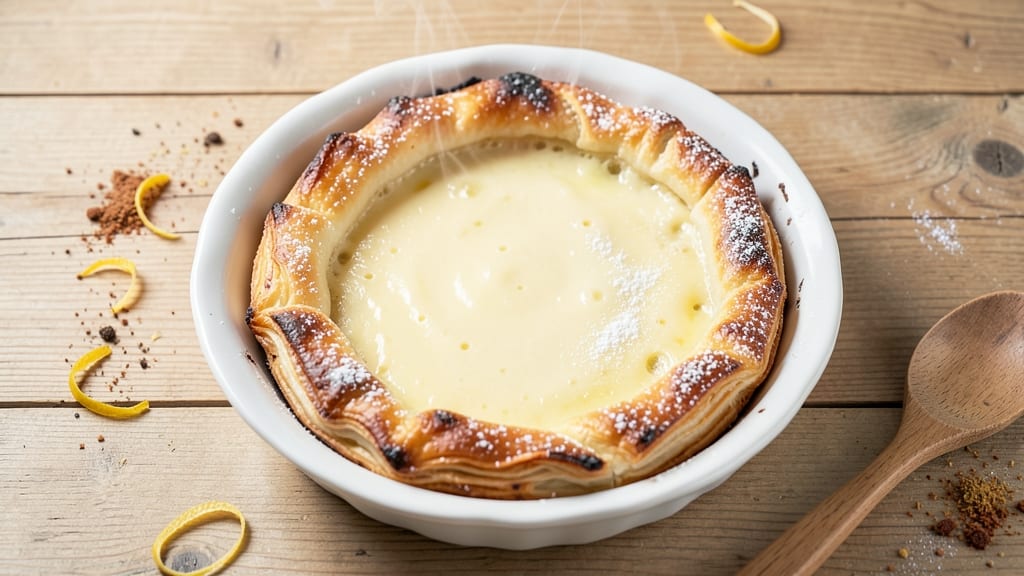
This 85 degrees egg tart recipe delivers the perfect balance of flaky, buttery crust and silky custard filling that melts in your mouth. The secret lies in baking the tarts at a precise internal temperature—85°F (29°C)—to achieve that signature creamy yet firm egg yolk center.
I’ve perfected this vegetarian version using a simple pastry dough and a rich custard blend, ensuring every bite is a harmonious blend of textures and flavors.
The crust starts with a light, flaky dough that bakes up golden and crisp, while the custard filling combines eggs, sugar, and milk for a smooth, velvety texture.
Baking in a water bath ensures even heat distribution, preventing cracks or overbrowning. This method is foolproof for beginners but delivers restaurant-quality results—no shortcuts, just pure technique.
What sets these egg tarts apart is the silky, jiggly yolk that stays perfectly set at 85°F (29°C). The crust remains crisp, not soggy, and the custard holds its shape without being dry.
Dust with powdered sugar before serving for a touch of elegance, or enjoy them warm with a cup of tea for the ultimate brunch experience.
Common challenges like soggy crusts or undercooked fillings are easily avoided with the right baking time and temperature checks. Whether you’re making these for a special occasion or a cozy weekend breakfast, this recipe is your go-to for flaky, golden egg tarts that taste like a bakery secret.
Ingredients for 85 degrees egg tart
Sixteen ingredients for golden crusts and velvety custard that hits 85°F perfection every time.
| Ingredient | Amount | Notes |
|---|---|---|
| All-Purpose Flour 🌾 | 2 ½ cups | Sifted for light texture |
| Unsalted Butter 🧈 | 1 cup | Cold, cubed for flaky layers |
| Ice Water 💧 | ½ cup | Chilled for dough handling |
| Large Eggs 🥚 | 4 whole | Room temperature for custard |
| Granulated Sugar 🍚 | 1 cup | Fine for smooth custard |
| Whole Milk 🥛 | 1 ½ cups | Full-fat for richness |
| Vanilla Extract 🌿 | 1 tsp | Pure for authentic flavor |
| Salt 🧂 | ½ tsp | Fine sea salt preferred |
| Powdered Sugar 🍚 | ¼ cup | For dusting before serving |
| Vegetable Oil 🫒 | ½ tbsp | For greasing tart pans |
| Cornstarch 🌾 | 1 tbsp | For custard stability |
The butter is non-negotiable here—European-style like Plugrá or Land O’Lakes has more fat content for flakiness. Grab it cold from the fridge and cut it into 1/2-inch cubes—no melting! For the flour, King Arthur or Gold Medal brands work best; they’re sifted for you, saving time. The milk should be whole, not skim—fat matters for that custard richness. If you’re short on vanilla, imitation extract works, but real vanilla takes it to the next level. And that powdered sugar? Jayson or Domino are my go-tos—they dissolve smoothly when dusting.
No unsalted butter? European-style salted butter works—just reduce the added salt to 0.25 tsp. Running low on vanilla? Vanilla bean paste gives you specks for that bakery feel. The custard can handle almond milk or oat milk if you’re avoiding dairy, but the texture won’t be as silky. For the crust, shortening instead of butter makes it even flakier (trust me on this). And if you’re baking in a high-altitude area, increase flour to 2.75 cups to prevent shrinking. The cornstarch is key—Argo brand is my secret weapon for that perfect custard set.
Butter and flour dough keep 2 days wrapped tightly in the fridge or 3 months frozen in a sealed bag. The custard filling can be prepped ahead and stored 1 day refrigerated—just reheat gently before filling. Baked tarts stay fresh 2 days at room temp if sealed in an airtight container. For freezing, bake first, then freeze—they reheat beautifully in the oven at 350°F for 10 minutes. And that powdered sugar? Keep it in a dry, airtight container to prevent clumping.
Why You'll Love This Recipe
- Foolproof Dough: I swear by the cold butter and ice water trick—no overworking, no tough crust. Just mix, roll, fold, and bake. That flaky, golden shell happens every time, even if I’m half-asleep.
- Golden Crust Magic: The sugar in the dough caramelizes just enough to give it that irresistible crispness at the edges. Pair that with the custardy egg filling? It’s the kind of combo that makes people pause mid-bite.
- Office Snack Hero: Between us, these are my go-to for work lunches. The egg filling stays rich but not heavy, and the buttery crust holds up perfectly in a lunchbox. No soggy bottoms here—just pure satisfaction.
- Budget Breakfast Win: Four eggs and a stick of butter? That’s it for the filling. The dough uses pantry staples, and leftovers reheat like a dream. Honestly, I make a double batch just to have them ready for lazy mornings.
Step-by-step instructions for 85 Degrees egg tarts
Here's how to achieve that legendary flaky crust and silky custard—every time.
Make the Flaky Tart Dough
In a large bowl, combine the 2.5 cups all-purpose flour and 0.5 teaspoon salt. Cut in the 1 cup cold, cubed unsalted butter using a pastry cutter or your fingers until the mixture resembles coarse crumbs with pea-sized butter pieces. This ensures maximum flakiness when baked.
Add the 0.5 cup ice water gradually, mixing just until the dough comes together. Avoid overworking it—handle only enough to form a smooth ball. Wrap the dough tightly in plastic wrap and refrigerate for at least 1 hour (or up to 24 hours). Chilling relaxes the gluten, making it easier to roll out and preventing shrinking in the oven.
Prepare the Silky Custard Filling
In a medium saucepan, whisk together the 4 whole large eggs, 1 cup granulated sugar, 1.5 cups whole milk, 1 teaspoon vanilla extract, and 1 tablespoon cornstarch. Heat the mixture over medium-low heat, stirring constantly with a silicone spatula, until it thickens to a pudding-like consistency—this should take about 5-7 minutes. The custard should coat the back of the spatula when you draw it through.
Remove from heat and let it cool to room temperature. The custard should thicken further as it cools—if it's too thin, return it to low heat for 1-2 minutes to adjust the consistency. For extra richness, I like to strain it through a fine-mesh sieve to remove any potential lumps, ensuring a smooth, velvety texture.
Assemble and Bake the Tarts
Preheat your oven to 375°F. Lightly grease 6 tart pans (about 3-4 inches in diameter) with 0.5 tablespoon vegetable oil. Roll out the chilled dough on a lightly floured surface to about 1/8-inch thickness and cut circles slightly larger than the tart pans. Press the dough into the pans, trimming any excess.
Prick the dough all over with a fork to prevent puffing. Fill each tart shell with about 1/6 of the custard mixture (roughly 1/4 cup per tart). Bake for 18-22 minutes until the crust is golden brown and the custard is just set—it should still jiggle slightly in the center. Overbaking will make the custard dry and rubbery, so keep a close eye on them.
Finish and Serve
Remove the tarts from the oven and let them cool for 5 minutes before carefully lifting them out of the pans. Dust generously with 0.25 cup powdered sugar while still warm for that signature 85 Degrees touch. Serve immediately for the best texture—warm, flaky crust with a silky, slightly wobbly custard center.
Here's the thing—these tarts are best enjoyed fresh. The custard continues to set as it cools, so if you need to store them, keep them in an airtight container for up to 2 days at room temperature. Reheat in the oven at 350°F for 5-7 minutes to restore that perfect custard consistency.
Pro Tips For Making 85 Degrees Egg Tart
- Chill the Dough Properly: The crust’s texture hinges on cold butter, but don’t just eyeball it—wrap the dough in plastic and refrigerate for at least 30 minutes (or up to 24 hours). I used to skip this, and the tarts would either shrink or turn greasy. A cold dough also prevents the butter from melting into a mess when rolling.
- Crack Eggs into Ice Water: Beat your eggs with sugar first, then pour the mixture into a bowl of ice water. This keeps the yolks intact and prevents them from breaking when you strain them later. (Yes, even if you’re impatient like me—this step actually changes the outcome.)
- Preheat Pan to 350°F: The recipe calls for 85°C (185°F), but your oven runs hot. Preheat to 350°F (175°C) and bake the tarts for 12–15 minutes, checking at 10. Overbaking is the fastest way to ruin them—golden crusts should still have a slight jiggle in the center.
- Use Room-Temp Eggs: Cold eggs from the fridge won’t emulsify as smoothly with sugar, leading to a grainy custard. Let them sit in warm water for 10 minutes before beating. My grandmother swore by this, and she was right: the filling stays silky, not lumpy.
Regional styles of these flavors
Singapore's Iconic Style
In Singapore, egg tarts are a beloved street food staple, often sold by vendors like 85 Degrees and Lau Pa Sat.
The secret here is the salted egg yolk custard—replace the vanilla custard with a mix of 2 large salted duck eggs, 1 cup whole milk, and 1 tbsp cornstarch. Blend the yolks with the milk, strain, and cook until thickened. The result?
A rich, salty-sweet custard that pairs perfectly with the buttery crust. 🌶️
Malaysian Butter Tarts
Malaysian egg tarts often feature a thicker, almost caramelized crust and a custard with a hint of pandan leaf for fragrance.
Swap the vanilla extract for 1 tsp pandan paste (or 1 tbsp grated fresh pandan leaf), and add 1/4 cup golden syrup to the custard for a deeper flavor. Bake in a water bath for extra moisture, and finish with a sprinkle of toasted coconut flakes for texture.
The custard should be slightly firmer than Singaporean versions—almost like a cross between a tart and a pudding.
Hong Kong's Classic Version
Hong Kong’s egg tarts are all about contrast—a crisp, flaky crust with a soft, jiggly custard center. The key is using less sugar (3/4 cup instead of 1 cup) and more cornstarch (2 tbsp) to achieve that signature wobble.
Some bakeries add a touch of lemon zest to brighten the custard. For an authentic touch, brush the baked tarts with a light egg wash before dusting with powdered sugar. Serve warm with a cup of jasmine tea for the full experience. ✨
Taiwanese Egg Tart Twist
Taiwanese egg tarts often incorporate red bean paste for a sweet, nutty contrast. Fill half of each tart shell with the vanilla custard and the other half with store-bought or homemade red bean paste (about 1/4 cup per tart).
Bake as usual, but reduce the custard filling time to 15-18 minutes—the red bean paste cooks faster. Top with a mix of powdered sugar and crushed peanuts for crunch. This fusion style is a hit for brunch or dessert! 🥜
Australian-Style Variations
Down under, egg tarts often get a modern twist with ingredients like matcha powder or feijoa purée. For a matcha version, whisk 1 tsp matcha powder into the custard and reduce the sugar to 3/4 cup.
For feijoa, blend 1 ripe feijoa with 2 tbsp milk and strain, then mix into the custard. The crust remains the same, but the filling gains a bright, floral note that’s perfect for afternoon tea. Pair with chai latte for a cozy vibe. 🍵
Japanese-Inspired Mochi Tarts
For a unique take, replace the pastry crust with a mochi-like base. Mix 1 cup glutinous rice flour, 1/4 cup sugar, and 1/2 cup water into a thick batter, then spread thinly in tart pans and bake at 350°F for 10 minutes before adding the custard.
The result is a chewy, slightly sweet crust that contrasts beautifully with the custard. Top with black sesame seeds for a Japanese-inspired touch. These are a hit at tea ceremonies or as a dessert! 🌸
Nutrition facts
Frequently asked questions
Why does the custard need to be exactly 85°F (29°C) in the center?
The 85°F (29°C) internal temperature creates that signature silky, jiggly texture that's neither undercooked nor rubbery. At this temp, the custard stays creamy in the center while the edges set properly. Use a candy thermometer inserted into the center of a tart to check—it should read exactly 85°F (29°C) when done. Overbaking to 160°F (71°C) turns the custard dry and grainy.
Can I make the egg tart crust ahead of time?
The dough can be wrapped tightly and refrigerated for up to 2 days or frozen for 3 months. For best results, let it sit at room temperature for 15-20 minutes before rolling to prevent cracking. The custard filling can be prepped 1 day ahead—just reheat gently before filling the shells. This makes assembly easier on busy mornings!
What's the secret to preventing soggy crusts?
Bake the tarts in a water bath (place the tray in a larger pan with 1 inch of hot water on the bottom rack) for even heat distribution. Also, prick the dough with a fork before baking to release steam, and avoid overfilling—use about 1/4 cup custard per tart. Let them cool 5 minutes before removing from pans to set the crust properly.
How do I fix cracked custard tops?
Cracks usually happen from overmixing the custard or sudden temperature changes. For prevention, strain the custard through a fine-mesh sieve and avoid stirring vigorously after it thickens. If cracks appear, simply brush them with a little egg wash (1 egg yolk + 1 tsp water) and bake for 2-3 extra minutes to set the surface.
Can I use salted butter instead of unsalted?
Yes, but reduce the added salt to 0.25 teaspoon total. The dough will still be flaky—salted butter has more moisture, which actually enhances the texture! For extra insurance, use European-style salted butter (like Plugrá) as it has a higher fat content. The flavor difference is minimal in baked goods compared to savory dishes.