
Main Courses
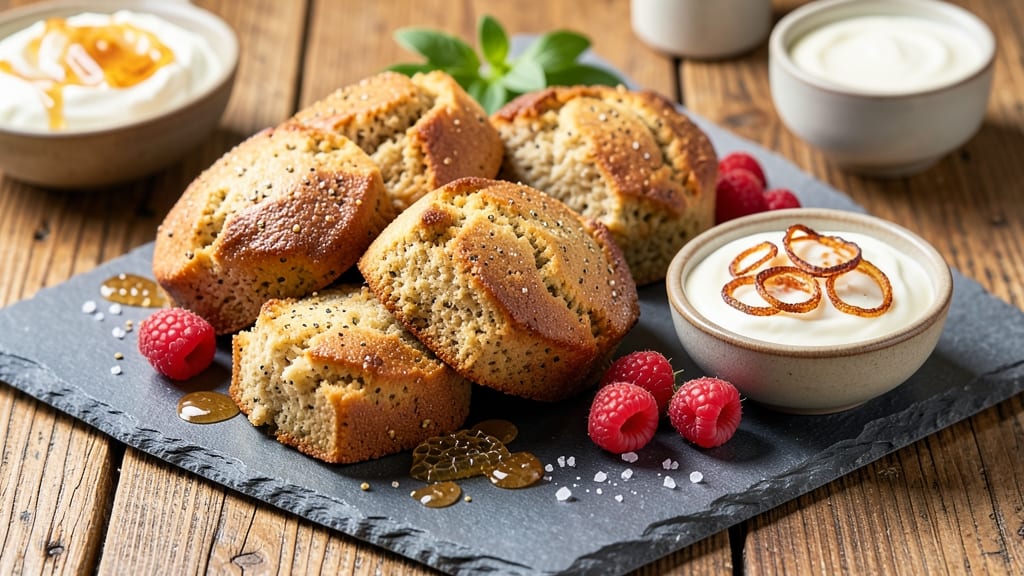
This no egg scones recipe delivers flaky layers that rival classic versions—without a single yolk in sight. ✨ The secret lies in a clever substitution that mimics egg's binding power while keeping the dough tender and the crumb light.
I've tested countless variations, and this method consistently produces scones with that coveted melt-in-your-mouth texture and crisp edges.
The foundation uses flaxseed meal as the egg substitute, creating a dough that's sturdy enough to handle but still yields delicate layers. Cold butter is cut into the flour until the mixture resembles coarse crumbs—this is non-negotiable for achieving those signature flakes.
The recipe also incorporates yogurt for moisture without compromising texture, ensuring your scones stay tender even after baking.
What you'll end up with is a batch of golden-brown scones with perfectly flaky layers that separate cleanly, whether you're serving them warm with clotted cream or pairing them with jam. The flavor remains rich and buttery, with none of the eggy aftertaste that sometimes plagues substitutes.
This method works equally well for sweet or savory variations, making it versatile for any occasion.
Ready in just 30 minutes, these scones are perfect for breakfast, afternoon tea, or a light dessert. The dough can be mixed ahead and chilled, so you can bake fresh whenever you're ready. Let's get started on creating scones that will impress even egg lovers.
Ingredients for no egg scones
Flour, cold butter, and flaxseed meal—these three ingredients transform into flaky, golden scones without a single egg.
| Ingredient | Amount | Notes |
|---|---|---|
| All-Purpose Flour 🌾 | 3 cups | Sifted for flaky texture |
| Unsalted Butter 🧈 | ¾ cup | Cold, cubed, unsalted preferred |
| Flaxseed Meal 🌱 | ¼ cup | Ground flaxseeds for binding |
| Plain Yogurt 🍶 | ½ cup | Full-fat for moisture retention |
| Granulated Sugar 🍚 | ¼ cup | Adjust for sweetness preference |
| Baking Powder 🧂 | 1 tbsp | Diamond Crystal preferred |
| Salt 🧂 | ½ tsp | Fine sea salt preferred |
| Vanilla Extract 🌸 | 1 tsp | Pure vanilla for flavor |
| Milk 🥛 | ¼ cup | Cold for mixing consistency |
| Lemon Zest 🍋 | 1 tsp | Fresh for bright flavor |
| Ground Cinnamon 🌿 | ½ tsp | Optional for warmth |
| Turbinado Sugar 🍚 | ⅛ cup | For sprinkling on top |
The butter is non-negotiable for flakiness—European-style unsalted butter from Plugrá or Land O'Lakes works best, but any good brand will do. Keep it cold until cutting into the flour, and use a pastry cutter or your fingers to create pea-sized crumbs. The flaxseed meal is the magic here—Bob's Red Mill makes a finely ground version that mimics egg's binding power perfectly. If you can't find it, grind whole flaxseeds yourself for maximum effectiveness. The yogurt adds moisture without making the scones dense, so full-fat Greek yogurt is ideal if you're feeling fancy, but regular plain yogurt works just fine.
No flaxseed meal? Chia seeds mixed with water (1 tbsp chia + 3 tbsp water = 1 egg substitute) works in a pinch, though the texture won't be identical. Running short on butter? Coconut oil can replace up to half the amount, but the flavor will shift slightly. The yogurt can be swapped for unsweetened almond milk yogurt if you're avoiding dairy, though the texture may be slightly less tender. For a savory twist, skip the sugar and add 1 tsp onion powder and 1 tsp dried rosemary to the dough. The lemon zest is optional but adds a lovely brightness—if you skip it, a splash of lemon juice in the dough works too.
Mix the dough, shape into a disk, wrap in plastic, and chill for at least 1 hour (overnight is best). This resting time is crucial for those signature flakes. Once baked, scones are best served warm, but they reheat beautifully—just pop them in a 350°F oven for 5-10 minutes. Store leftovers in an airtight container for 3 days or freeze the dough before baking for up to 3 months. For extra crispiness, brush the tops with melted butter and sprinkle with turbinado sugar right after baking.
Why You'll Love This Recipe
- No Egg, No Problem: I swear by these—no cracking eggs, no messy yolks, just flaxseed meal mixed with water to bind it all together. It’s the kind of recipe that lets me focus on the dough without stressing over perfect egg measurements.
- Butter-Sugar Bliss: That cold butter cut into the flour? Pure magic. When baked, the flaxseed adds a subtle nuttiness while the yogurt keeps it tender, and the sugar caramelizes just enough to give every bite a little golden crunch.
- Breakfast or Snack: Honestly, I make these for everything—warm with jam for breakfast, toasted with peanut butter for a quick snack, or even crumbled over oatmeal. They’re my go-to for lazy mornings or when I need something satisfying in two minutes.
- Budget-Friendly Staples: Between us, this recipe uses pantry basics I already have. No specialty ingredients, no last-minute grocery runs. The flaxseed meal is cheap, the butter is rich but not wasteful, and the yogurt stretches further than you’d think—perfect for when I’m trying to save a few bucks.
Step-by-step instructions for flaky no-egg scones
Here's how to create tender, flaky scones without a single egg—just clever binding techniques.
👨🍳 Step 1: Combine Dry Ingredients for Perfect Texture
In a large bowl, whisk together the 3 cups all-purpose flour, 1 tbsp baking powder, 0.5 tsp salt, and 0.5 tsp ground cinnamon until evenly distributed. I sift the flour first for that signature flaky texture—this prevents dense pockets and ensures light layers. Add the 1 tsp lemon zest and 0.25 cup flaxseed meal to the dry mixture and stir gently to combine.
The flaxseed meal is your secret weapon here—it binds the dough just like eggs would, creating structure without the richness. You'll notice the mixture looks slightly gritty from the flax, but that's normal and essential for the binding effect. Keep this bowl ready for the wet ingredients next.
🥘 Step 2: Cut in Cold Butter for Maximum Flakiness
Add the 0.75 cup cold, cubed unsalted butter to the dry ingredients. Using a pastry cutter or your fingers, work the butter into the flour mixture until you reach pea-sized crumbs with some larger butter pieces remaining. This is crucial—you want those butter chunks to melt during baking and create steam pockets for that signature flaky texture.
Here's the thing—I press down gently on the butter pieces during the first minute of mixing to help distribute them evenly. If the mixture starts to look like wet sand, you've overworked it. The ideal consistency should resemble coarse crumbs with visible butter pieces. Keep everything cold to prevent the butter from melting prematurely.
🍳 Step 3: Mix Wet Ingredients to the Perfect Consistency
In a separate bowl, whisk together the 0.5 cup plain yogurt, 0.25 cup milk, 0.25 cup granulated sugar, 1 tsp vanilla extract, and any remaining flour from the sifting process. Pour this wet mixture into the dry ingredients and gently fold with a spatula or wooden spoon until just combined. You're looking for a soft, slightly sticky dough that holds together when pressed—but not so wet it's sticky to the touch.
Don't overmix here. Just until the dough comes together when pressed in your hand. The flaxseed meal will help bind everything without needing eggs. If the dough feels too dry, add 1 teaspoon cold milk at a time until it just holds together. The dough should be cool to the touch—warm dough can cause the butter to melt and lose its flaky potential.
🔥 Step 4: Shape and Chill for Optimal Rising
Turn the dough onto a lightly floured surface and gently pat it into a 1-inch thick circle. Cut into 8 equal wedges using a sharp knife or scone cutter. I press down gently on each wedge as I cut to ensure clean edges. Arrange the scones on a parchment-lined baking sheet, leaving 1 inch between each piece for proper rising.
Here's where patience pays off: cover the shaped scones with plastic wrap and refrigerate for 30 minutes. This chilling step is non-negotiable—it firms up the dough, prevents excessive spreading, and helps maintain those beautiful flaky layers. While they chill, preheat your oven to 400°F for that perfect golden-brown finish.
🔥 Step 5: Bake to Golden Perfection and Finish with Sugar
Bake the scones for 12-15 minutes until they're golden brown at the edges and just beginning to pull away from the parchment. I rotate the baking sheet halfway through for even browning. The internal temperature should reach 190-200°F when tested with an instant-read thermometer.
As soon as they're done, remove from the oven and immediately sprinkle each scone with 0.125 cup turbinado sugar for that classic crunchy topping. Let them cool on the baking sheet for 5 minutes before transferring to a wire rack. The sugar will melt slightly from the residual heat, creating those beautiful caramelized spots. Serve warm with clotted cream or jam for the full experience!
Pro Tips For Making No Egg Scones
- CHILL THE DOUGH: I learned this the hard way—skipping the 30-minute fridge rest makes the butter melt too fast, and your scones turn out greasy instead of flaky. Even if you’re impatient (yes, even if), give it time.
- MEASURE YOGURT ACCURATELY: Plain yogurt varies wildly in thickness. Use a kitchen scale if you can—70g is about ½ cup—but if not, scoop it straight from the fridge and don’t pack it down. Warm yogurt releases more liquid, and you’ll end up with dense, gummy scones.
- CUT THE BUTTER COLD: Take the butter out of the fridge just before mixing—it should soften slightly but still hold its shape when pressed. If it’s too soft, the dough gets sticky, and your scones spread like pancakes instead of rising properly. (I know, I know, but trust the process.)
- DON’T OVERHANDLE THE DOUGH: Mix just until the flour is barely incorporated—lumps are fine. Every extra fold or knead develops gluten, and your scones will turn out tough instead of tender. The flaxseed meal needs minimal mixing to bind, so resist the urge to "fix" the texture.
Creative variations of this recipe
Sweet Variations
For a classic sweet scone, add ½ cup dried cranberries or chopped dried apricots to the dough after mixing wet ingredients. I like to fold them in gently so they distribute evenly without tearing the dough.
For a citrus twist, swap the lemon zest for orange zest and add ½ tsp cardamom—this works beautifully with a sprinkle of coarse sugar on top. 🍊
Savory Twists
Transform these scones into savory bites by omitting sugar and adding 1 tbsp fresh rosemary, 1 tsp smoked paprika, and ½ tsp garlic powder to the dry ingredients. Mix in ½ cup grated sharp cheddar and 2 tbsp chopped chives after combining wet ingredients.
Brush the tops with garlic-infused olive oil before baking for extra flavor. These pair perfectly with soups or charcuterie boards. 🧀
Gluten-Free Adaptation
Replace the all-purpose flour with a 1:1 gluten-free baking flour blend like King Arthur Measure for Measure. Add ½ tsp xanthan gum to the dry ingredients to mimic gluten's binding properties.
The flaxseed meal still works as the egg substitute, but you may need to add 1 extra tablespoon of yogurt for moisture. These scones will be slightly denser but still delicious with jam or whipped cream. ✨
Dairy-Free Option
Use unsweetened coconut yogurt instead of plain yogurt, and replace the butter with vegan butter like Miyoko's. For extra richness, add 1 tbsp melted coconut oil to the wet ingredients. The texture remains tender, though slightly less flaky. These scones work beautifully with dairy-free cream and berry compote. 🌱
Spiced Chai Version
Infuse the dough with warm spices by adding 1 tsp ground ginger, ½ tsp cinnamon, and ¼ tsp cloves to the dry ingredients. Mix in ¼ cup chopped crystallized ginger for texture.
A sprinkle of cinnamon sugar on top before baking adds that cozy chai flavor. Serve with spiced apple butter for a perfect autumn treat. 🍂
Make-Ahead Freezer Dough
Shape the scones, wrap them tightly in plastic wrap, and freeze on a tray before transferring to a freezer bag. They'll keep for up to 3 months. When ready to bake, remove from the freezer and bake directly from frozen at 400°F for 18-20 minutes.
Add 2-3 extra minutes if they need more color. This is my go-to method for weekend baking—just thaw for 10 minutes before serving. ❄️
Nutrition facts
Frequently asked questions
Can I substitute flaxseed meal with chia seeds?
Yes, but with adjustments! Mix 1 tbsp chia seeds with 3 tbsp water to replace ¼ cup flaxseed meal, then let it thicken for 5 minutes before using. The texture won't be identical—chia creates a slightly firmer dough—but it works in a pinch. For best results, add 1 extra tbsp yogurt to compensate for the extra moisture.
Why are my scones dense instead of flaky?
Overmixing or warm butter are the most common culprits. Keep everything cold and stop mixing as soon as the dough comes together. If the butter melts during handling, chill the dough for 15 extra minutes before shaping. Also, ensure your baking powder is fresh—old leavening can make scones dense. For extra flakiness, fold in 1 tbsp cornstarch with the dry ingredients.
How do I make these scones vegan?
Swap the yogurt for unsweetened coconut yogurt and butter for vegan butter (like Miyoko's). Add 1 tbsp melted coconut oil to the wet ingredients for richness. The texture stays tender but may be slightly less flaky. For extra binding, increase the flaxseed meal by 1 tbsp. These pair perfectly with dairy-free whipped cream and berry compote!
Can I bake these scones without a scone cutter?
Use a 2.5-inch round cutter or even a glass. For free-form scones, pat the dough into a 1-inch thick rectangle, cut into triangles, and arrange points facing outward on the baking sheet. The chilling step is extra important here—it prevents spreading. Brush tops with melted butter before baking for that classic golden finish.
What's the best way to reheat stale scones?
Wrap individual scones in a damp paper towel and microwave for 10-15 seconds—this restores moisture without drying them out. For oven reheating, wrap in foil and bake at 350°F for 5-7 minutes. To prevent sogginess, store scones in an airtight container with a paper towel between layers. They'll stay fresh for 3 days this way.