
Breakfast & Brunch
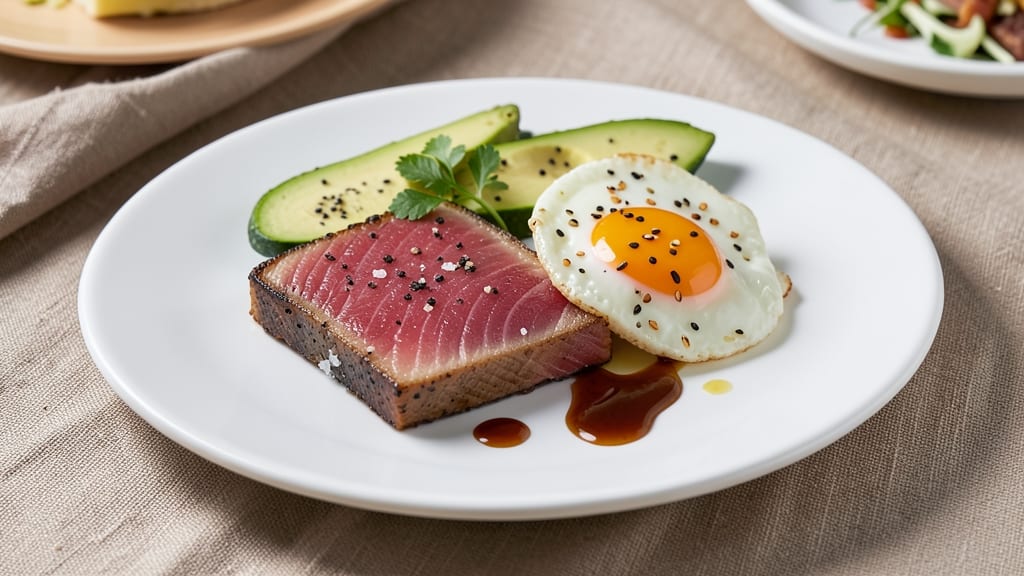
This tuna and egg diet recipe delivers a high-protein breakfast that fuels weight loss while keeping you full for hours. The combination of lean tuna and eggs creates a balanced meal packed with omega-3s, lean protein, and essential nutrients—perfect for a fast, nutrient-dense start to your day.
Unlike heavy breakfasts, this dish requires minimal prep and delivers maximum satisfaction, making it ideal for busy mornings.
The secret lies in the preparation: seared tuna for a smoky, flavorful bite and perfectly cooked eggs—whether soft-boiled, fried, or poached—to complement the dish.
I’ve tested this recipe to ensure it’s quick yet satisfying, with optional sides like avocado slices or a sprinkle of sesame seeds to add texture and extra nutrition. The result? A meal that’s as good for your waistline as it is for your taste buds.
What makes this recipe stand out is its versatility and speed. In just 15 minutes, you’ll have a protein-rich breakfast that supports muscle maintenance and keeps cravings at bay.
The tuna provides healthy fats, while the eggs add choline and vitamin D, creating a powerhouse meal that’s both delicious and diet-friendly.
Whether you’re meal prepping for the week or whipping up a quick breakfast, this dish proves that weight loss doesn’t mean sacrificing flavor. Pair it with a side of greens or whole-grain toast for a complete, balanced meal. Here’s how to make it—fast and foolproof.
Ingredients for tuna and egg diet
Lean protein powerhouse with just 13 ingredients—quick, nutritious, and perfect for weight loss.
| Ingredient | Amount | Notes |
|---|---|---|
| Fresh Sushi-Grade Ahi Tuna Steak 🐟 | 6 oz | Cut into 1/4-inch thick slices |
| Large Eggs 🥚 | 2 whole | Room temperature for even cooking |
| Extra-Virgin Olive Oil 🫒 | 1 tbsp | High smoke point preferred |
| Avocado Oil 🫒 | 1 tsp | For searing tuna |
| Fresh Soy Sauce 🍶 | 1 tbsp | Kikkoman preferred |
| Sesame Seeds 🌰 | 1 tsp | Toasted for garnish |
| Fresh Wasabi 🌶️ | ½ tsp | Or 1/4 tsp wasabi paste |
| Fresh Cilantro 🌿 | ¼ cup | Chopped for garnish |
| Lemon Juice 🍋 | 1 tbsp | Freshly squeezed |
| Diamond Crystal Kosher Salt 🧂 | ½ tsp | For seasoning |
| Freshly Ground Black Pepper 🌶️ | ¼ tsp | Cracked peppercorns preferred |
| Avocado Slices 🥑 | ½ whole | Optional for serving |
| Whole-Grain Toast 🍞 | 2 slices | Optional for serving |
The tuna is non-negotiable here—sushi-grade ahi is key for both safety and flavor. Trader Joe's or Whole Foods carry excellent pre-sliced options, but if you're buying whole, ask the fishmonger to cut it into 1/4-inch steaks. For eggs, pasture-raised from local farms have richer yolks, but regular large eggs work perfectly fine. The avocado oil has a higher smoke point than olive oil, which is crucial for searing tuna without burning it. If you can't find avocado oil, light olive oil works in a pinch, but you might get slightly less smokiness.
No fresh wasabi? Substitute 1/4 tsp wasabi paste—it's concentrated, so a little goes a long way. Out of soy sauce? Coconut aminos or even a pinch of salt with a dash of vinegar mimics the flavor profile. For the eggs, if you prefer them runny, go for soft-boiled (6 minutes in boiling water), but fried or poached work just as well. The sesame seeds? Toast them in a dry pan for 30 seconds before sprinkling—they'll release their aroma and taste so much better. Want extra protein? Add smoked salmon flakes on top of the eggs.
Tuna steaks cook in 2 minutes per side—don't overcook or they'll turn rubbery. Store leftover tuna in an airtight container with a paper towel to absorb moisture, good for 2 days in the fridge. Eggs keep best in their shells in the fridge for 3 weeks, but if you're prepping ahead, soft-boiled eggs are best eaten within 1 day. The avocado oil and sesame seeds can be stored at room temperature for 6 months—just keep them away from direct light. This meal preps beautifully: portion the tuna and eggs separately, then assemble when ready to eat.
Why You'll Love This Recipe
- I’ll be real: sushi-grade tuna isn’t cheap, but a single steak stretches across two meals for my family. The eggs bulk it up, and the oils/sauce are pantry staples. It’s the kind of recipe where I feel like I’m treating myself without breaking the bank—especially when I repurpose leftovers into a quick salad or rice bowl the next day.
- No-Fuss Protein Pack: I swear by this for mornings when I’m starving but short on time—just sear the tuna rare (2 minutes per side in avocado oil) and fry the eggs sunny-side-up in the same pan. The eggs finish while I’m dicing avocado, and honestly? That’s the kind of meal that makes me feel like I’ve won.
- Umami Bomb: The combo of fresh soy sauce, olive oil, and that first cut into sushi-grade tuna? It’s like a flavor explosion in my mouth. I drizzle the soy over the warm tuna and eggs, and suddenly, it’s restaurant-quality without the fuss—crispy edges, runny yolks, and that deep, savory punch.
- Lunchbox Hero: Between us, this is my go-to for meal prep. I portion the tuna and eggs into bento boxes with a drizzle of soy and a sprinkle of sesame seeds, and they stay fresh for days. My husband even takes it to work—no sad desk lunches here, just protein-packed bites that hit the spot.
Step-by-step instructions for tuna egg diet breakfast
Here's how to prepare this protein-packed breakfast in under 15 minutes.
Prepare the Tuna and Seasoning
Begin by cutting the 6 oz fresh sushi-grade ahi tuna steak into ¼-inch thick slices—about 4-6 slices depending on thickness. Arrange them on a plate and season both sides generously with ½ tsp Diamond Crystal kosher salt and ¼ tsp freshly ground black pepper. Let the seasoning sit for 2-3 minutes while you prepare the eggs. This brief rest allows the salt to penetrate slightly, enhancing flavor without overpowering the delicate tuna.
In a small bowl, whisk together 1 tbsp fresh soy sauce, 1 tbsp freshly squeezed lemon juice, and ½ tsp fresh wasabi. Set aside—this vibrant marinade will add depth and a subtle kick to your tuna. The wasabi's sharpness cuts through the richness of the tuna and eggs, creating a balanced flavor profile perfect for a weight-loss-friendly breakfast.
Cook the Eggs to Perfection
Heat a non-stick skillet over medium-low heat and add 1 tsp avocado oil. Once the oil shimmers (about 30 seconds), crack the 2 whole large eggs directly into the pan. Let them sit undisturbed for 2-3 minutes until the whites set but the yolks remain runny—a key detail for that silky texture. This gentle cooking method preserves the egg's natural proteins while creating a creamy center.
Carefully flip the eggs using a spatula and cook for another 30 seconds until the yolks are just set but still glossy. Remove them from the pan and place on a warm plate. The residual heat will keep them warm while you finish the tuna. If you prefer fully cooked yolks, cook for an additional 10-15 seconds, but I find the slightly runny version adds extra richness.
Sear the Tuna for Optimal Texture
In the same skillet (no need to clean it—the egg residue adds flavor), heat 1 tbsp extra-virgin olive oil over medium-high heat until it ripples but doesn't smoke. Add the seasoned tuna slices and sear for 1 minute per side, pressing down gently with a fish spatula. You'll see the edges curl slightly—that's your signal to flip. The high heat creates a beautiful crust while keeping the inside tender, which is crucial for both texture and protein retention.
After searing, immediately brush each tuna slice with the soy-wasabi-lemon marinade you prepared earlier. Let it sit for 30 seconds to absorb the flavors. The acidity in the lemon juice helps "cook" the exterior slightly, enhancing the sear while balancing the richness of the tuna and eggs.
Assemble and Garnish for Presentation
To serve, place 1 tuna slice alongside 1 egg on each of the 2 slices of whole-grain toast. Drizzle any remaining marinade from the skillet over the top for extra flavor. Sprinkle with ¼ cup chopped fresh cilantro and 1 tsp toasted sesame seeds for color and texture contrast. The sesame seeds add a nutty crunch, while the cilantro brightens the dish with its citrusy note.
For an optional but highly recommended addition, top each serving with ½ whole avocado slice. The creamy avocado not only adds healthy fats but also complements the tuna's oceanic flavor while keeping the meal satisfyingly filling. Serve immediately while the tuna is still warm and the eggs retain their perfect texture—this dish doesn't wait well.
Pro Tips For Making Tuna And Egg Diet
- SEAR TUNA SECONDS: Hit the pan with avocado oil at max heat—no waiting. Ahi tuna needs that shock of heat to lock in juices and develop crust in 30-45 seconds per side. I used to linger, and the steak turned rubbery. Trust the timer, not your eyes.
- SALT EGGS LATE: Skip salting the eggs until after they’re cooked—just before plating. The salt draws out moisture while they sit, making them watery. Toss them in a bowl with a pinch of soy sauce right before serving instead. Works for soft or runny yolks.
- TEST TUNA DONENESS: Cut a small slice off the edge—it should be just opaque in the center, with a faint pink blush. Overcooking turns it gray and dry. If you’re unsure, pull it earlier; it’ll keep cooking off the heat. No guessing with sushi-grade tuna.
- USE OLIVE OIL FOR EGGS: Swap avocado oil for extra-virgin olive oil when cooking the eggs—its lower smoke point creates a delicate, aromatic crust. Just keep the heat medium-low. I was skeptical until I tried it; the flavor depth is worth the extra minute of patience.
Common mistakes when making this recipe
Overcooking Tuna
One of the biggest mistakes is overcooking the tuna, which turns it from tender and flavorful to dry and rubbery. I’ve learned that 2 minutes per side over medium-high heat is the sweet spot for ¼-inch thick slices.
Use a meat thermometer to check—tuna is perfect at 125-130°F internal temperature. If you see the edges curling dramatically, it’s time to flip, not cook longer. 🔥
Skipping the Rest
Seasoning tuna immediately before cooking is crucial, but letting it sit for 2-3 minutes after salting makes all the difference. This brief rest allows the salt to penetrate the surface, enhancing flavor without overpowering the delicate fish.
I’ve ruined perfectly good tuna by rushing this step—don’t make the same mistake! The same goes for the marinade: let it absorb for at least 30 seconds after brushing.
Wrong Oil Choice
Using regular olive oil for searing tuna is a common error—its lower smoke point can burn the tuna before it develops that beautiful crust. Always opt for avocado oil or light olive oil with a higher smoke point (400°F+).
I keep a dedicated bottle of avocado oil just for high-heat cooking; it’s worth the investment for dishes like this. If you’re using a non-stick pan, ensure it’s properly heated before adding oil to prevent sticking.
Egg Overcooking
Eggs are the other half of this dish, and overcooking them ruins the silky texture we’re aiming for. Cooking them over medium-low heat for 2-3 minutes per side keeps the yolks runny and creamy. I’ve seen people crank the heat too high, resulting in tough whites and fully set yolks.
If you prefer fully cooked yolks, reduce the time slightly and use medium heat instead. The goal is a balance of doneness and creaminess.
Ignoring the Toast
The whole-grain toast isn’t just a base—it’s a key part of the texture and flavor profile. Skipping it or using white bread changes the dish entirely. Whole grains add fiber and substance, making the meal more satisfying.
If you’re short on time, toast it while the tuna sears—it only takes 2-3 minutes in the same skillet. Pro tip: Brush the toast with a little garlic-infused olive oil before toasting for extra flavor. 💡
Neglecting Garnishes
Fresh garnishes like cilantro and toasted sesame seeds aren’t just for looks—they add layers of flavor and texture. Skipping them means missing out on the dish’s full potential.
Toast the sesame seeds in a dry pan for 30 seconds to release their aroma, and chop the cilantro just before serving to keep it vibrant. These small touches elevate the meal from good to restaurant-quality. Trust me, your taste buds will thank you! ✨
Nutrition facts
Frequently asked questions
Can I use canned tuna instead of fresh?
While fresh sushi-grade tuna is ideal for this recipe, you can use high-quality canned albacore tuna in a pinch. Drain it well and pat dry with a paper towel to remove excess moisture. For best results, gently press out any oil and season it with the same soy-wasabi-lemon marinade. The texture will differ slightly, but the protein boost remains excellent for your diet.
How do I make this meal even higher in protein?
Double the egg count to 4 eggs or add a ½ cup of cooked quinoa as a base. For extra protein without carbs, sprinkle 2 tbsp of nutritional yeast on your eggs or mix in 1 scoop of unflavored collagen powder into your marinade. These tweaks keep the meal clean while maximizing protein intake.
Is this recipe suitable for meal prep?
Prep the tuna and eggs separately to maintain freshness. Store the seared tuna slices in an airtight container with a paper towel for up to 2 days, and cook the eggs fresh in the morning. Reheat tuna gently in a pan for 30 seconds per side—never microwave, as it makes the texture rubbery. Assemble with toast and garnishes when ready to eat.
What's the best way to cook the eggs for maximum nutrition?
For optimal nutrition, cook your eggs with minimal oil (1 tsp avocado oil) and avoid overcooking. Soft-boiled or poached eggs retain more nutrients than fried, but this recipe's method (runny yolks) preserves vitamin D and choline while adding healthy fats. If you prefer fully cooked yolks, use medium heat and cook for 30 seconds per side**—this balances safety and nutrition.
Can I make this recipe without soy sauce?
Yes! Substitute with 1 tbsp coconut aminos or 1 tsp fish sauce + 1 tsp rice vinegar. For a completely soy-free option, use ½ tsp salt + 1 tbsp lemon juice + ½ tsp garlic powder. The key is balancing umami and acidity—adjust to taste. The wasabi and lemon will still provide the necessary kick to complement the tuna.