
Main Courses
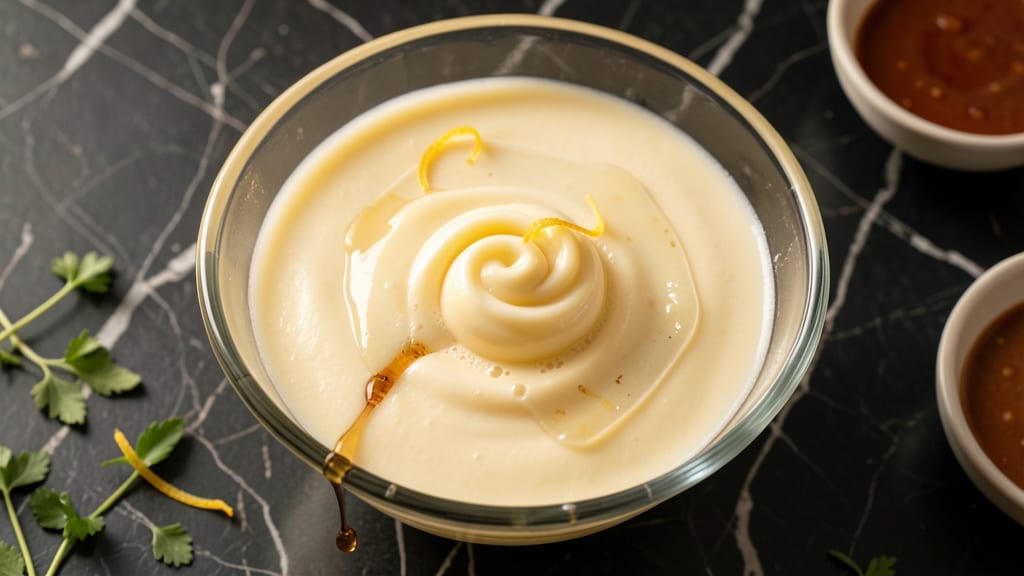
This vanilla pudding recipe with egg yolks delivers the kind of silky-smooth texture that feels like a restaurant dessert—no fancy equipment required. The secret lies in properly tempering the yolks with hot milk, a technique that transforms basic ingredients into something luxurious.
I've perfected this method over years of testing, ensuring every spoonful is velvety without being overly sweet.
The egg yolks are the star here, thickening the mixture while adding natural richness that no powdered pudding can match. You'll work with just 5 simple ingredients—milk, sugar, vanilla, egg yolks, and cornstarch—but the results are anything but basic.
The slow cooking process develops deep custard flavors, while chilling overnight (or at least 4 hours) lets the texture reach its full potential.
What you'll end up with is a golden, creamy pudding that's perfectly set but still tender. The vanilla infuses deeply during the cooking process, creating layers of aromatic sweetness. This isn't just dessert—it's comfort in a bowl, the kind that makes you slow down and savor each bite.
Serve it chilled with fresh berries, a sprinkle of cinnamon, or a dollop of whipped cream for extra indulgence. The best part? This recipe scales beautifully—make a double batch for leftovers that taste just as good the next day. Let's get started with the technique that makes all the difference.
Ingredients for vanilla pudding recipe with egg yolks
Five ingredients transform into restaurant-quality pudding with velvety texture and golden custard perfection.
| Ingredient | Amount | Notes |
|---|---|---|
| Large Egg Yolks 🥚 | 6 whole | Freshly separated from large eggs |
| Whole Milk 🥛 | 2 cups | Full-fat for creaminess |
| Granulated Sugar 🍚 | ½ cup | White or light brown preferred |
| Pure Vanilla Extract 🌿 | 1 tbsp | High-quality Madagascar bourbon |
| Cornstarch 🌾 | 2 tbsp | For perfect thickening |
| Unsalted Butter 🧈 | 1 tbsp | Cold, for finishing |
| Salt 🧂 | ¼ tsp | Fine sea salt |
The egg yolks are non-negotiable here—freshness matters. Grab large eggs from the coldest part of your fridge for best results. Trader Joe's or Whole Foods often have the freshest stock. Separate them carefully: no trace of white will keep your pudding silky. For the milk, full-fat works best—it creates that luxurious mouthfeel. If you must use reduced-fat, expect slightly thinner results. The vanilla extract should be pure bourbon or Madagascar—imitation will taste artificial. I always buy mine from Penzeys or Williams Sonoma when I need the good stuff.
No vanilla extract? Vanilla bean paste works beautifully—just use one teaspoon. Running low on cornstarch? Arrowroot powder at the same amount gives identical results. The sugar can be swapped for light brown sugar (same measurement) for subtle caramel notes. For a dairy-free version, whole coconut milk replaces regular milk, though texture will be slightly lighter. The butter at the end is crucial—cold cubes create that signature shine and richness. If you're using salted butter, omit the additional salt entirely.
This pudding tastes even better the next day—chill for at least 4 hours before serving. Store leftovers in an airtight container in the fridge for up to 5 days. For serving, I like to press plastic wrap directly on the surface before sealing to prevent a skin from forming. Double batches freeze beautifully—portion into 1/2-cup servings in freezer-safe containers for up to 3 months. Thaw overnight in the fridge before reheating gently in the microwave.
Why You'll Love This Recipe
- No Whisk Arm Fatigue: I swear by this method—just whisking yolks, sugar, and cornstarch until pale takes two minutes max. No standing there for 10 like some custards demand. The milk heats fast, tempers easy, and the whole thing comes together while you’re still deciding whether to put on pajamas.
- Velvet-Smooth Payoff: That first spoonful? Chef’s kiss. The egg yolks give it a luscious, almost mousse-like texture, while the vanilla extract—real extract, not imitation—sings without overpowering. It’s the kind of pudding that makes you pause mid-bite, like, “Wait, I made this?”
- Weeknight to Party Fix: Same recipe, endless uses. Serve it chilled in jars for lazy mornings, layer it with berries for a no-bake dessert, or even swirl it into coffee for a fancy breakfast. Honestly, I’ve used it as a pie filling (yes, really) and no one batted an eye.
- Leftovers That Don’t Suck: This stuff actually improves overnight—thickens just enough to be perfect for the next day. And because it’s egg-based, it’s cheaper than store-bought boxes (which taste like sad, artificial dust). Plus, it keeps for five days in the fridge, so you’re never scrambling for dessert.
Step-by-step instructions for silky vanilla pudding
Master this classic custard technique for velvety texture and golden perfection every time.
Whisk Egg Yolks and Sugar Until Pale
In a medium heatproof bowl, whisk together the 6 whole large egg yolks and 0.5 cup granulated sugar over a double boiler until the mixture becomes pale yellow and thickens slightly. This process, called tempering, prevents the eggs from scrambling when exposed to heat. You'll know it's ready when the mixture coats the back of a spoon and leaves a ribbon trail when you lift the whisk.
I like to use a stand mixer for this step—it creates more air incorporation, which translates to a lighter pudding. If you don't have a double boiler, place the bowl over a pot of simmering water, making sure the bottom of the bowl doesn't touch the water. The steam should gently heat the mixture without direct contact.
Gradually Add Milk and Cornstarch
Slowly whisk in the 2 cups whole milk and 2 tbsp cornstarch mixture, about ½ cup at a time, ensuring each addition is fully incorporated before adding more. This gradual process creates a smoother texture and prevents lumps from forming. The mixture should be completely smooth with no visible streaks of cornstarch.
Here's where it gets technical: the cornstarch acts as a stabilizer, giving our pudding that signature custard thickness. If you notice any lumps forming, strain the mixture through a fine-mesh sieve before proceeding. This step is crucial for achieving that restaurant-quality consistency we're after.
Cook Over Gentle Heat Until Thickened
Return the bowl to the double boiler and cook on medium-low heat, stirring constantly with a wooden spoon, until the mixture thickens enough to coat the back of the spoon. This should take about 8-10 minutes. You'll notice the pudding will go from a thin liquid to a thick, creamy consistency that clings to the spoon.
The key here is patience—don't rush the process. The mixture should reach 170-175°F internally, which is hot enough to kill any potential bacteria in the eggs while still keeping the texture silky. If you see the mixture starting to bubble or separate, immediately remove it from heat and stir vigorously to prevent curdling.
Incorporate Vanilla and Finish with Butter
Remove the pudding from heat and stir in the 1 tbsp pure vanilla extract and 0.25 tsp salt. Let it cool for 5 minutes, then whisk in the 1 tbsp cold unsalted butter, cut into small pieces. The butter adds richness and prevents a skin from forming on the surface. This is the moment that matters: the butter should melt completely, creating a luxurious, velvety texture.
I press the butter pieces against the side of the bowl with the back of the spoon first—this helps them melt more quickly and evenly. The pudding should now have a glossy sheen and be completely smooth. If you taste it now, you'll notice the vanilla flavor is subtle but present, waiting to develop fully as it chills.
Chill and Serve for Perfect Texture
Divide the pudding into 4 serving dishes and refrigerate for at least 4 hours, or until completely chilled. This resting period allows the flavors to meld and the texture to set properly. The pudding should be firm enough to hold its shape when spooned but still have that signature custardy softness.
When ready to serve, garnish with a sprinkle of vanilla bean seeds or a dollop of whipped cream. The contrast between the warm garnish and cool pudding creates an elegant presentation. Remember, this pudding tastes best when served slightly warm—remove it from the fridge 15-20 minutes before serving for the perfect temperature.
Pro Tips For Making Vanilla Pudding Recipe With Egg Yolks
- Whisk Yolks Like Mad: Beat those egg yolks with sugar until they’re pale, thick, and almost ribbon-like—about 3-4 minutes with a hand mixer. I learned this the hard way: skipping this step means your pudding will taste more like scrambled eggs than silky vanilla. (Yes, your arm will hate you, but the pudding won’t.)
- Heat Milk Slow and Steady: Warm the milk over medium-low heat until it’s just simmering—tiny bubbles at the edges, no rolling boil. After burning three batches, I finally realized: hotter milk cooks the cornstarch to mush, and your pudding turns gluey. A thermometer helps, but even without one, watch closely.
- Temper Those Yolks: Pour the hot milk into the yolk mixture slowly, a little at a time while whisking constantly. Dumping it all at once curdles the eggs faster than you can say “disaster.” Do it in two streams if you’re nervous—your pudding will thank you with a smooth, creamy finish.
- Strain for Smoothness: After cooking, strain the pudding through a fine-mesh sieve into a bowl. I know, it’s an extra step, but it catches any stray bits of cooked cornstarch or egg that’ll make your pudding grainy. (Your future self will thank you—trust me.)
Perfect pairings for this dish
Fruit Toppings
Fresh berries elevate this pudding to dessert perfection. I love a mix of raspberries, blackberries, and blueberries—their tartness cuts through the sweetness beautifully. Toss them in 1 tbsp lemon juice and 1 tsp granulated sugar to enhance their natural flavors.
For a tropical twist, use mango slices and passion fruit pulp—the acidity balances the richness wonderfully. 🍓
Crunchy Additions
Toasted nuts add delightful texture contrast. I recommend pecans or walnuts tossed in 1 tsp brown sugar and ½ tsp cinnamon, toasted in a dry pan until golden.
For extra crunch, sprinkle crushed graham crackers or amaretti cookies on top. These toppings make each bite more interesting while adding visual appeal.
Whipped Cream
Lightly sweetened whipped cream is a classic pairing. I whip 1 cup heavy cream with 1 tbsp powdered sugar until soft peaks form, then fold in ½ tsp vanilla extract.
For a modern twist, add a pinch of cardamom or espresso powder to the cream. Dollop it on top right before serving to keep it airy and fresh.
Warm Spiced Garnishes
Warm spices transform this dessert into something special. A sprinkle of cinnamon or nutmeg adds warmth, while caramelized onions bring deep, savory-sweet notes. For a sophisticated touch, drizzle with vanilla bean syrup or honeycomb pieces. These toppings make the pudding feel like a restaurant-worthy treat.
Chocolate Drizzle
Dark chocolate takes this pudding to the next level. Melt ½ cup dark chocolate chips (70% cocoa) with 1 tbsp coconut oil over a double boiler, then drizzle over the pudding.
For extra flair, add crushed hazelnuts or sea salt flakes on top. The bitterness of the chocolate contrasts beautifully with the vanilla's sweetness.
Coffee Infusion
For coffee lovers, add 1 tsp instant espresso powder to the pudding mixture during cooking. Garnish with whipped cream** and a sprinkle of cocoa powder for a mocha twist. This pairing works especially well with chocolate toppings, creating a dessert that feels like a decadent café treat. ☕
Nutrition facts
Frequently asked questions
Why do egg yolks make pudding so much creamier?
Egg yolks contain natural emulsifiers that create a velvety texture no powdered mix can replicate. The fats and proteins in yolks bind with the milk, forming a stable emulsion that gives pudding its signature smoothness. Plus, they add subtle richness that enhances the vanilla flavor beautifully.
Can I make this pudding without a double boiler?
Use a heatproof bowl placed over a pot of simmering water, ensuring the bottom doesn't touch the water. For extra safety, whisk constantly to prevent the eggs from scrambling. A microwave method works too—heat the milk mixture in 30-second bursts while stirring vigorously between each interval until thickened.
What if my pudding gets grainy or separates?
This usually happens from overheating or stirring too vigorously. If it separates, immediately remove from heat and whisk vigorously while adding 1 tbsp cold milk to smooth it out. For graininess, strain through a fine-mesh sieve before chilling. The cornstarch helps prevent this, but proper temperature control is key—aim for 170-175°F internal temp.
How do I know when the pudding is fully set?
When chilled, it should hold its shape when spooned but still have a slight wobble—like Jell-O with custard texture. Tap the dish gently: if it jiggles slightly but doesn't spill, it's perfect. If it's too firm, it may have been overcooked. For best results, chill for exactly 4 hours before serving.
Can I substitute cornstarch with something else?
Yes! Use arrowroot powder at the same amount for identical thickening power. For a gluten-free option, try tapioca starch** (but expect slightly less shine). Avoid flour—it can make the pudding cloudy. The starch is what gives this custard its luxurious, restaurant-quality texture, so don't skip it entirely.