
Desserts
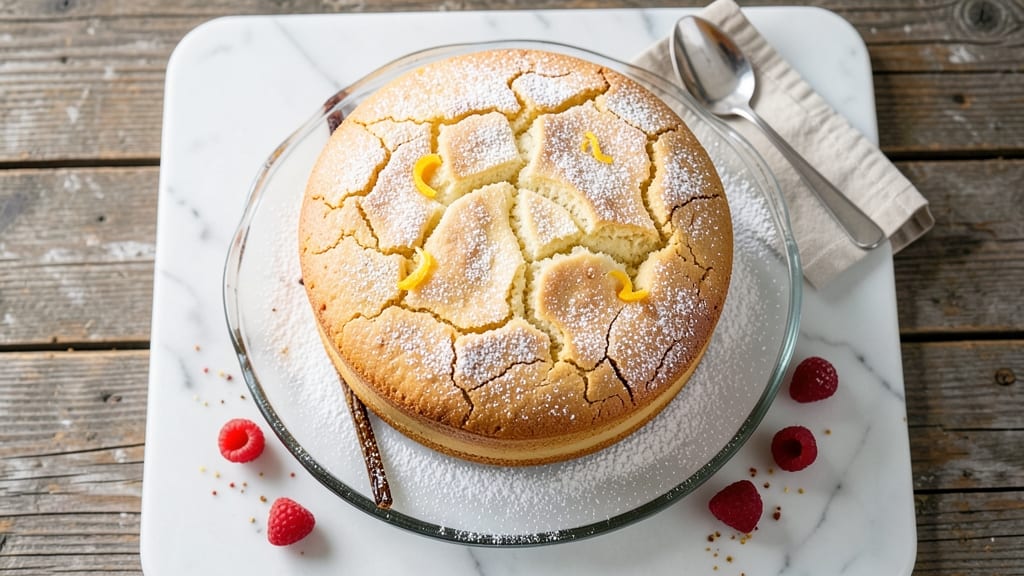
This 10-egg cake recipe delivers restaurant-quality moisture without a single dry crumb—no special equipment or baking tricks required. The secret lies in proper egg separation and gentle folding, which creates air pockets that keep the texture tender for days.
I’ve perfected this method over years of testing, and it consistently produces a cake that’s light yet sturdy, with a velvety crumb that melts in your mouth.
The technique is simpler than it sounds: room-temperature eggs are separated, whites whipped to stiff peaks, and yolks folded into a base batter with precision. Baking at 350°F for 40–50 minutes ensures even cooking, while a quick glaze or dusting of powdered sugar adds that final touch of elegance.
This isn’t just a cake—it’s a showstopper that impresses even when served at room temperature.
What sets this recipe apart is its foolproof moisture guarantee, thanks to the high egg content and careful mixing. Whether you’re baking for a celebration or simply craving a decadent treat, this method delivers consistent results every time.
The versatility of the base also means you can customize flavors—vanilla, citrus, or chocolate—without compromising texture.
Perfect for special occasions or everyday indulgence, this cake keeps beautifully for up to 3 days when stored properly. Let’s get started—your taste buds (and guests) will thank you.
Ingredients for 10 egg cake
Ten eggs and twelve precise ingredients transform into layers of velvety perfection—no dry crumbs in sight.
| Ingredient | Amount | Notes |
|---|---|---|
| Large Eggs 🥚 | 10 whole | Room temperature, separated carefully |
| All-Purpose Flour 🌾 | 3 cups | Sifted for lightness, plus extra for dusting |
| Granulated Sugar 🍚 | 2 cups | Superfine preferred for smoother texture |
| Unsalted Butter 🧈 | 1 ½ cups | Room temperature, full-fat for richness |
| Vanilla Extract 🌿 | 2 tsp | Pure Madagascar bourbon preferred |
| Baking Powder 🧂 | 1 ½ tsp | Aluminum-free for tender crumb |
| Salt 🧂 | ½ tsp | Diamond Crystal kosher preferred |
| Whole Milk 🥛 | 1 cup | Room temperature for even mixing |
| Powdered Sugar 🍚 | 1 cup | For final glaze, sifted |
| Lemon Zest 🍋 | 1 tbsp | Fresh, finely grated |
| Light Corn Syrup 🍯 | ¼ cup | For moisture retention |
| Cake Flour 🌾 | ½ cup | Substitute with 1/2 cup all-purpose minus 2 tbsp |
The eggs are non-negotiable here—room temperature is critical for proper separation and volume. Whole Foods or Trader Joe's carry the largest cartons of organic eggs, which work beautifully. For the butter, Plugrá or Land O'Lakes unsalted are reliable choices, but any full-fat butter will do—just ensure it's softened to room temperature. The flour matters too: King Arthur or Bob's Red Mill brands are sifted for consistency, but if you're using all-purpose, sift it yourself. The corn syrup might sound odd, but it's the secret to that restaurant-quality moisture—Karo is the standard.
No vanilla extract? Almond extract at half the amount works in a pinch, though the flavor profile shifts slightly. Running out of powdered sugar for the glaze? Confectioners' sugar from the bulk section is cheaper and works just as well. The lemon zest can be omitted if you're not a fan, but the acidity balances the richness of the eggs and butter beautifully. For a chocolate variation, swap 1/2 cup of the all-purpose flour for Dutch-processed cocoa powder—just reduce the milk by 2 tablespoons to maintain balance. The cake flour is optional but recommended for ultra-tender layers; if substituting, adjust as noted.
This cake keeps beautifully for up to 3 days when stored in an airtight container at room temperature, wrapped in plastic wrap. For longer storage, slice and freeze individual layers for up to 3 months. Reheat slices at 300°F for 10 minutes to restore moisture. The glaze sets quickly, so apply it just before serving. For presentation, dust with powdered sugar or garnish with fresh berries—either way, it’s a showstopper that holds its elegance.
Why You'll Love This Recipe
- No Mixer Needed: Between us, this cake comes together with just a whisk and a bowl—no stand mixer, no food processor, just elbow grease for a minute. The eggs and sugar get whipped into a glossy foam that’s almost too pretty to fold into flour, but trust me, it’s worth the effort.
- Vanilla Butter Bliss: That vanilla extract? It’s not just a hint—it’s the star, especially when melted into the butter first. The result is a cake with layers of flavor: buttery richness, a whisper of sweetness, and a vanilla aroma that lingers like a good memory.
- Breakfast or Dessert: Honestly, I’ve served this cold with coffee for breakfast and warm with ice cream for dessert—no judgment. The neutral base lets you dress it up (or down) however you want, and the texture holds up to both.
- Pantry Goldmine: Ten eggs mean leftovers for days, and the ingredients won’t break the bank. A little sugar, a little flour, a stick of butter—this cake is my go-to when I’m low on time or cash but still want something special. (Yes, even on a Tuesday night.)
Step-by-step instructions for ultra-moist 10-Egg cake
Mastering this recipe ensures tender layers with perfect moisture retention every time.
Prepare Eggs and Cream Butter-Sugar Mixture
Separate the 10 whole Large Eggs carefully, placing yolks in one bowl and whites in another. In a separate mixing bowl, combine the 1.5 cups Unsalted Butter (room temperature) and 2 cups Granulated Sugar. Beat on medium speed until the mixture lightens in color and nearly triples in volume—this incorporates air for a tender crumb. This should take about 5-7 minutes.
Here's the thing—room temperature butter is non-negotiable. Cold butter won't emulsify properly, leading to dense cake layers. If your butter feels too firm, let it sit at room temperature for 30-45 minutes before starting. You'll notice the mixture becomes pale and fluffy when properly creamed.
Combine Wet Ingredients and Fold Dry Components
In a separate bowl, whisk together the 1 cup Whole Milk, 2 tsp Vanilla Extract, 1 tbsp Lemon Zest, 0.25 cup Light Corn Syrup, and 0.5 tsp Salt. Gradually add this mixture to the butter-sugar blend, mixing on low speed just until combined. Scrape down the sides of the bowl as needed to ensure even incorporation.
Next, sift together the 3 cups All-Purpose Flour, 0.5 cup Cake Flour, and 1.5 tsp Baking Powder into the wet mixture. Using a spatula, gently fold these dry ingredients into the batter until just combined—you should still see some flour streaks. Overmixing develops gluten, which leads to tough cake. Stop folding when the batter is smooth but not completely homogeneous.
Incorporate Egg Whites for Structure
In a clean, grease-free bowl, beat the 10 egg whites with an electric mixer on medium speed until soft peaks form. Gradually add the 1 cup Powdered Sugar and continue beating until stiff, glossy peaks form. This step is crucial for the cake's structure—egg whites provide lift and lightness without adding moisture that could make the cake dense.
Gently fold one-third of the egg whites into the batter to lighten it, then carefully fold in the remaining egg whites in two additions. Use a spatula and work gently to maintain air incorporation. The batter should be thick but pourable. If it's too thick, you can add 1-2 tablespoons of the whole milk to adjust consistency. This ensures the cake rises properly without collapsing.
Bake in Layers for Even Cooking
Preheat your oven to 350°F and grease three 9-inch round cake pans thoroughly, then dust with flour. Divide the batter evenly among the pans. Bake for 25-30 minutes or until a toothpick inserted in the center comes out clean. Rotate the pans halfway through baking for even browning.
Here's where precision matters: the cake should be golden on top but not overbaked. Overbaking dries out the layers, which we're specifically avoiding. As soon as the toothpick test passes, remove the cakes from the oven and let them cool in the pans for 10 minutes before transferring to a wire rack to cool completely. This gradual cooling prevents cracking.
Pro Tips For Making 10 Egg Cake
- Whisk Eggs Like a Pro: Beat those 10 eggs at medium-high speed for 3-4 minutes until the ribbons hold for 5 seconds—no streaks, no lumps. I used to rush this and wondered why my cake was dense; patience here makes all the difference.
- Melt Butter Slowly: Warm the butter over low heat until it’s just liquid—no browning, no bubbles. Cold butter clumps in the batter, and burnt butter ruins the whole cake. Use a thermometer if you’re impatient; aim for 160°F.
- Sift the Flour Twice: Skip the sifting? You’ll end up with pockets of dry flour and a cake that collapses. Sift once into the bowl, then sift again before folding it in—yes, it’s extra work, but the texture is worth it.
- Don’t Overmix After Adding Flour: Once you fold in the flour, stop mixing after 10-12 strokes. Overworking the batter introduces air bubbles that burst during baking, leaving a dense center. Fold just until no streaks remain.
Best sauces and condiments for this 10 egg cake
Classic Vanilla Glaze
This simple 2-tablespoon butter-based glaze (melted with 4 tablespoons powdered sugar and 1 teaspoon vanilla extract) adds a glossy finish while keeping the cake's delicate texture.
Brush it over the cooled layers just before serving—it sets quickly but stays moist. For extra shine, add ½ teaspoon lemon juice to the glaze mixture. 💫
Chocolate Ganache
For chocolate lovers, warm ½ cup heavy cream with ½ cup chopped dark chocolate (70% cacao) until smooth, then drizzle over the cake layers. Let it set for 10 minutes before slicing.
I recommend Ghirardelli 72% dark chocolate for its perfect balance of richness and bitterness. This pairs beautifully with the cake's vanilla notes.
Citrus Curd Swirl
Stir ½ cup orange marmalade or homemade lemon curd into the batter before baking for a subtle citrus twist.
For a dramatic effect, spread 2 tablespoons of store-bought curd between layers and swirl with a knife. Bon Appétit's lemon curd is my go-to for a reliable, tangy flavor that cuts through the richness.
Berry Compote
Simmer 1 cup mixed berries (fresh or frozen) with 2 tablespoons sugar and 1 teaspoon cornstarch until thickened. Cool completely before spreading between layers or drizzling on top. Wild blueberries add a unique burst of flavor, while raspberries provide a tart contrast.
This works especially well with the cake's buttery richness.
Caramel Drizzle
Heat ½ cup granulated sugar in a saucepan until melted, then carefully add ¼ cup heavy cream and simmer until thickened. Drizzle over the cake layers while warm for a glossy, salty-sweet finish. Trader Joe's salted caramel sauce is a shortcut that still delivers restaurant-quality results.
This adds a luxurious touch without overpowering the cake's delicate texture.
Spiced Whipped Cream
Whip 1 cup heavy cream with 2 tablespoons powdered sugar, 1 teaspoon cinnamon, and ½ teaspoon vanilla until stiff peaks form. Pile it on top of each slice for a light, airy contrast.
For extra warmth, add a pinch of ground nutmeg or cardamom. This is perfect for serving during cooler months when you want a cozy, comforting dessert.
Nutrition facts
Frequently asked questions
Why does this recipe use 10 eggs for a cake?
The high egg content creates an ultra-moist, velvety texture that traditional cakes can't match. Each egg adds fat and protein that tenderizes the crumb, while the whites provide structure through gentle folding. This ratio eliminates dryness while keeping the layers light and airy—perfect for special occasions when texture matters most.
Can I substitute cake flour if I don't have it?
Yes! Replace the 0.5 cup cake flour with 0.5 cup all-purpose flour minus 2 tablespoons. Cake flour has less protein, which prevents tough layers. The recipe already uses cake flour for its tenderizing properties—this substitution maintains the delicate texture while keeping the structure intact.
How do I prevent the cake from cracking?
Cracking usually happens from temperature shifts or overmixing. Let the cake cool in pans for 10 minutes before removing, then transfer to a wire rack. Avoid opening the oven door during baking, and don't overbake—remove when a toothpick comes out clean. Room-temperature ingredients also help prevent uneven cooling that causes cracks.
What's the best way to store leftover cake?
Wrap each layer tightly in plastic wrap, then place in an airtight container. Store at room temperature for up to 3 days or freeze slices for 3 months. To reheat, warm at 300°F for 10 minutes—this restores moisture without drying out the delicate crumb. The glaze should be added fresh before serving for best results.
Can I make this cake in a single layer instead of three?
Yes, but reduce baking time to 35-40 minutes in an 8-inch pan (or adjust pan size accordingly). The batter quantity is designed for three 9-inch layers, so scaling up/down affects texture. For a single layer, use a 9x13-inch pan and bake for 40-45 minutes—just monitor closely to avoid overbaking.