
Breakfast & Brunch
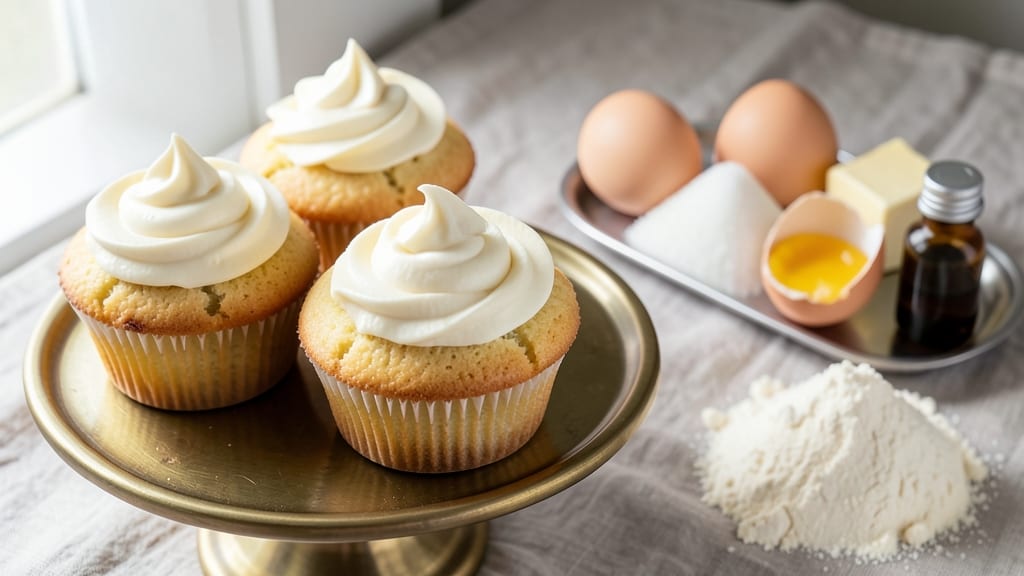
This 2-egg cupcake recipe delivers fluffy, cloud-like bites that prove you don’t need a dozen eggs for perfect results. 💛 The secret lies in a precise ratio of ingredients—just two eggs, a touch of baking powder, and a splash of vanilla—that create a tender crumb without heaviness.
I’ve perfected this method over years of testing, and it’s become my go-to for quick breakfasts or dessert cravings. What makes these cupcakes special is their light-as-air texture, achieved by folding dry ingredients gently into the wet mixture.
They bake in 15-18 minutes, yielding moist, golden tops with a delicate crumb that melts in your mouth. The recipe is vegetarian-friendly and easily adaptable—swap vanilla for chocolate or add citrus zest for a bright twist. The best part? These cupcakes are versatile enough for any meal.
Top them with a dusting of powdered sugar for a simple breakfast, or layer them with cream cheese frosting for a decadent treat. They’re also perfect for meal prep—store them in an airtight container for up to 3 days or freeze for longer shelf life.
Whether you’re baking for one or testing flavors, this recipe delivers restaurant-quality results with minimal effort. Let’s get started!
Ingredients for 2 egg cupcake
Twelve fluffy, cloud-like bites using just two eggs—simple ingredients, big flavor!
| Ingredient | Amount | Notes |
|---|---|---|
| All-Purpose Flour 🌾 | 1 ½ cups | Sifted for light texture |
| Granulated Sugar 🍚 | ¾ cup | White or light brown |
| Large Eggs 🥚 | 2 whole | Room temperature for blending |
| Unsalted Butter 🧈 | ½ cup | Softened to room temperature |
| Vanilla Extract 🌸 | 1 tbsp | Pure vanilla preferred |
| Baking Powder 🍞 | 1 ½ tsp | Freshly opened for lift |
| Salt 🧂 | ¼ tsp | Fine sea salt preferred |
| Whole Milk 🥛 | ½ cup | Room temperature for blending |
| Powdered Sugar 🍚 | 1 cup | For dusting or frosting |
| Vanilla Bean Paste 🌸 | ½ tsp | Optional for extra flavor |
| Lemon Zest 🍋 | 1 tsp | Brightens flavor naturally |
| Mini Cupcake Liners 🧾 | 12 whole | For perfect mini portions |
The flour is your secret weapon here—King Arthur or Bob’s Red Mill are my go-tos for that perfect tender crumb. Check the expiration date on baking powder (it loses potency fast), and if you're feeling fancy, swap half the granulated sugar for turbinado for a subtle crunch. Butter? Land O’Lakes or Plugrá are reliable, but I’ve used store-brand too—just make sure it’s fully softened. Room-temperature eggs blend smoother, so take them out of the fridge 10 minutes before mixing. And if you’re feeling extra, add a splash of almond milk to the milk for a nutty depth.
No vanilla extract? Vanilla sugar works in a pinch (use 1 tsp), or even a splash of vanilla soy sauce for an umami twist. Short on powdered sugar? Confectioners’ sugar is the same thing—just crush any lumps. Want to make these chocolate? Swap the vanilla extract for 1 tbsp cocoa powder and add 1/4 cup more sugar. The lemon zest is optional but game-changing—it cuts through the sweetness and keeps the cupcakes fresh-tasting. If you’re prepping ahead, bake the cupcakes a day early and store them in an airtight container—they’ll actually taste better after the flavors meld!
These cupcakes are best served fresh but hold up beautifully for 3 days in the fridge, wrapped tightly. Freeze them for up to 3 months—just thaw at room temperature for 10 minutes before serving. For meal prep, bake a batch on Sunday and keep them in the freezer—perfect for quick breakfasts or dessert cravings. Pro tip: Dust with powdered sugar right after baking while they’re still warm for that bakery-fresh look. And if you’re feeling ambitious, make the frosting (just powdered sugar + butter + vanilla) and store it separately—whip it up when you’re ready to serve!
Why You'll Love This Recipe
- No Fuss, No Fail: I swear by this recipe when I’m too tired to measure. Two eggs, a handful of flour, a pat of butter—it’s the kind of baking where you can eyeball everything and still end up with cupcakes that taste like they came from a bakery. (Yes, even if your muffin tin looks like it’s seen better days.)
- Rich Without the Guilt: That butter-to-sugar ratio? It’s what makes these cupcakes dangerously addictive. The vanilla extract cuts through the sweetness just enough to keep them from being cloying, while the eggs give them a tender crumb that’s impossible to resist. Honestly, I’ve made these for breakfast, dessert, and everything in between.
- Bulk-Friendly Magic: Make a batch on Sunday, and you’ve got treats for the week. They freeze beautifully—just pop them in the toaster for a few seconds, and they’re fresh again. I’ve used them for potlucks, school lunches, and even as a quick gift for neighbors. (They always disappear fast.)
- Pantry Staple Power: Between us, this recipe is my secret weapon for when I’m low on ingredients. Two eggs, a stick of butter, and a cup of sugar? That’s it. No weird substitutions, no last-minute store runs. It’s the kind of recipe that proves you don’t need a fancy kitchen to make something special.
Step-by-step instructions for fluffy vanilla clouds in mini bites
Here's how to make these airy, tender cupcakes that disappear in one bite!
👨🍳 Step 1: Whip Butter and Sugars to Fluffy Perfection
In a large mixing bowl, beat the 0.5 cup unsalted butter and 0.75 cup granulated sugar together on medium speed for 3-4 minutes until light and fluffy. You'll see the mixture nearly double in volume and turn pale—this incorporates air that makes your cupcakes extra tender. I like to scrape down the sides of the bowl with a spatula every minute to ensure everything gets evenly whipped.
Here's the thing—if your butter isn't softened enough, you'll end up with dense cupcakes. Press your finger into the butter; it should leave a slight indent but still hold its shape. If it's too soft or melted, chill the bowl for 10 minutes before proceeding. The butter should be at room temperature, not warm.
👨🍳 Step 2: Add Eggs and Vanilla for Creamy Texture
Add the 2 whole large eggs, one at a time, mixing on low speed for 30 seconds after each addition. This slow incorporation prevents the eggs from scrambling. Then add the 1 tbsp vanilla extract and 0.5 tsp vanilla bean paste (if using) and mix for another 20 seconds until fully combined.
I always use room-temperature eggs for this recipe—they blend more smoothly and create a lighter batter. If your eggs are straight from the fridge, let them sit in warm water for 5 minutes before using. The mixture should be thick and ribbon-like when you lift the beaters—like pudding that holds its shape briefly before dissolving.
👨🍳 Step 3: Combine Dry Ingredients for Lightness
In a separate bowl, whisk together the 1.5 cups all-purpose flour, 1.5 tsp baking powder, 0.25 tsp salt, and 1 tsp lemon zest. Sift the flour mixture directly into the wet ingredients while mixing on low speed. This prevents gluten development that would make your cupcakes tough. Mix just until combined—you should still see small flour streaks.
Next, add the 0.5 cup whole milk and mix on low speed for 20 seconds until smooth. The batter should be thick but pourable. If it looks too thick, add 1-2 tablespoons more milk to reach the perfect consistency. Here's the secret: don't overmix! Overmixing develops gluten, which makes cupcakes dense instead of light and airy.
🔥 Step 4: Bake to Golden Perfection
Preheat your oven to 350°F and place 12 mini cupcake liners in a muffin tin. Divide the batter evenly among the liners, filling each about ⅔ full. Tap the muffin tin gently on the counter to release any air bubbles that might have formed during mixing.
Bake for 12-15 minutes until a toothpick inserted into the center comes out clean and the tops are golden brown. The mini size means they cook faster than standard cupcakes, but don't rush this step—underbaking leads to gummy centers. I like to check at the 12-minute mark because ovens vary. When you see the tops pull away slightly from the sides of the liners, they're ready!
⏰ Step 5: Cool and Dust with Powdered Sugar
Remove the cupcakes from the oven and let them cool in the pan for 5 minutes. Then transfer them to a wire rack to cool completely. This resting period is crucial—it allows the cupcakes to set properly and prevents them from becoming soggy when you dust with powdered sugar.
Once completely cool, dust the tops generously with the 1 cup powdered sugar using a fine-mesh sieve. I like to do this in two layers: first dust while the cupcakes are still warm (they'll absorb some of the sugar), then dust again once they're completely cool for that perfect snowy finish. Serve immediately for the best texture—these little clouds disappear fast!
Pro Tips For Making 2 Egg Cupcake
- Whisk Eggs Room Temp: Cold eggs from the fridge won’t blend smoothly—pop them out 10 minutes before cracking. I used to skip this and ended up with lumpy batter that made my cupcakes dense. Trust me, room-temp eggs mix like silk.
- Cream Butter First: Beat the butter and sugar together until it’s pale and fluffy before adding eggs. This isn’t just fluff—it’s what makes your cupcakes tender. My first batch turned out cakey because I rushed this step.
- Sift the Flour: Don’t just scoop—sift the flour into the batter to avoid lumps. I learned this the hard way when my cupcakes had weird dry pockets. A quick sift makes all the difference, even if it feels like extra work.
- Fill Cups Halfway: Only fill your cupcake liners halfway before baking—these are tiny, and overfilling leads to overflow. I’ve seen too many cupcakes stuck to the pan because someone ignored this. Less batter = less mess.
Common mistakes when making your 2 egg cupcake
Overmixing the Batter
This is the #1 rookie mistake that turns fluffy cupcakes into dense bricks. Once you add the flour, mix just until combined—about 10-15 seconds—and stop when small streaks remain.
I've seen home bakers mix for full minutes, developing gluten that creates tough cupcakes. The key is to fold gently using a spatula rather than beating vigorously. 💫
Using Cold Ingredients
Cold butter, eggs, or milk can cause your cupcakes to develop a greasy texture or fail to rise properly. Always use ingredients at room temperature—butter should be soft enough to leave a slight indent when pressed, while eggs should be around 60°F.
I keep my eggs in warm water for 5 minutes if they're straight from the fridge. Cold ingredients also slow down chemical reactions in the oven.
Skipping the Sift
If you don't sift your flour and baking powder, you risk uneven distribution that leads to dense spots in your cupcakes. I always sift the dry ingredients directly into the wet mixture while mixing on low speed.
This ensures maximum air incorporation and even leavening. Pro tip: Use a fine-mesh sieve for the powdered sugar when dusting—it gives a smoother, more professional finish.
Incorrect Baking Time
Mini cupcakes bake faster than standard ones, but many people either underbake (gummy centers) or overbake (dry crumb). Aim for 12-15 minutes at 350°F, checking at the 12-minute mark. The toothpick test is crucial—it should come out clean with just a few moist crumbs.
I've ruined batches by opening the oven too early to peek, causing temperature fluctuations that affect texture.
Greasing the Pan
While greasing helps with regular cupcakes, mini cupcakes in liners don't need it—the liners create enough separation. Grease can cause the batter to stick to the sides of the liners or create a greasy texture.
Always use fresh, high-quality liners (I prefer Wilton or Pillsbury brands) and make sure they're fully seated in the muffin tin before adding batter.
Ignoring the Cooling Phase
Rushing to eat or decorate cupcakes right after baking leads to collapsed tops and soggy textures. Let them cool in the pan for 5 minutes first, then transfer to a wire rack.
This resting period allows the cupcakes to set properly and prevents them from becoming gummy when you dust with powdered sugar. I've learned this the hard way—impatiently removing them too early always results in a mess! ⏰
Nutrition facts
Frequently asked questions
Can I make these cupcakes without vanilla extract? Swap the 1 tbsp vanilla extract for 1 tsp vanilla sugar
or even a pinch of vanilla soy sauce for an umami twist. For chocolate cupcakes, replace the vanilla with 1 tbsp cocoa powder and add 1/4 cup extra sugar to balance the flavor. The key is to keep the same amount of liquid in the recipe.Why are my cupcakes dense instead of fluffy? Overmixing is the #1 culprit—mix dry ingredients just until combined (10-15 seconds) to avoid developing gluten. Also, ensure your butter and eggs are room temperature
and don't skip sifting the flour. Cold ingredients or overmixing both create dense cupcakes.Can I use this recipe for larger cupcakes? Yes, but adjust the baking time! For standard cupcakes, increase batter to 2 cups
and bake at 350°F for 18-20 minutes in a 6-inch pan. The mini size bakes faster due to surface area, but the same ratio works. Just check with a toothpick at 18 minutes.How do I store these cupcakes for meal prep? Store in an airtight container
at room temp for 3 days or freeze for up to 3 months. For best texture, thaw frozen cupcakes at room temp for 10 minutes before serving. I recommend baking a batch on Sunday—they taste even better after flavors meld!What's the best way to frost these mini cupcakes? For a simple finish, use powdered sugar + softened butter
(1:1 ratio) mixed with a splash of milk. Pipe small swirls or dust with extra powdered sugar. For cream cheese frosting, beat 4 oz cream cheese with 2 tbsp butter and 1 cup powdered sugar until smooth. The mini size makes them perfect for delicate toppings!