
Main Courses
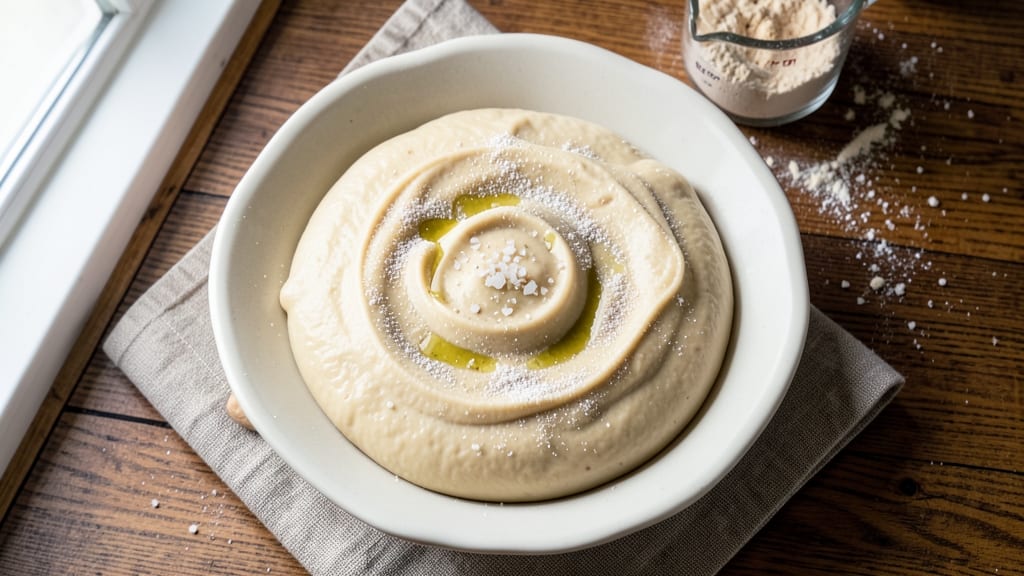
This 2-egg pasta dough recipe delivers the lightest, most tender homemade pasta you'll ever make—no kneading required. The secret lies in precise ingredient ratios and a quick resting period that transforms flour into silky, elastic dough.
After perfecting it over countless batches, I can confidently say this dough works for everything from delicate tagliatelle to sturdy lasagna sheets, all with just two eggs and a handful of pantry staples.
The beauty of this method is its simplicity: mix, rest, roll, and cook. No stand mixer needed—just a bowl and your hands. The dough develops naturally during its 30-minute rest, creating that signature tender texture that separates homemade pasta from store-bought.
For best results, use type 00 flour if available, but all-purpose works perfectly fine with slightly chewier results.
What you'll end up with is pasta that's impossibly light yet sturdy enough to hold rich sauces like creamy alfredo or bright aglio e olio. The dough's versatility means you can cut it into ribbons for fettuccine, sheets for lasagna, or even tiny squares for homemade ravioli.
Each bite delivers that perfect al dente texture with a delicate, floury finish.
Pair your fresh pasta with classic Italian sauces or keep it simple with garlic, olive oil, and fresh basil. The possibilities are endless, and once you try this dough, you'll never go back to dried pasta again. Let's get started on creating your perfect homemade pasta masterpiece.
Ingredients for 2 egg pasta dough
Two eggs, a handful of flour, and 30 minutes—this is all you need for restaurant-quality pasta.
| Ingredient | Amount | Notes |
|---|---|---|
| Type 00 Flour 🌾 | 2 ½ cups | Light and finely milled for delicate texture |
| Large Eggs 🥚 | 2 whole | Room temperature for even mixing |
| Extra-Virgin Olive Oil 🫒 | 1 tbsp | High quality for richness |
| Fine Sea Salt 🧂 | ½ tsp | Diamond Crystal preferred |
| All-Purpose Flour 🌾 | ½ cup | For chewier texture if type 00 unavailable |
| Semolina Flour 🌾 | ¼ cup | For dusting and extra texture |
| Water 💧 | 1 tbsp | Only if dough needs adjustment |
The flour makes all the difference. Type 00 is ideal—find it in the Italian foods aisle at Whole Foods or Trader Joe's. If you can't get it, all-purpose flour works, but expect slightly chewier results. I always grab a bag of Barilla type 00 when I'm at Costco—it's my go-to for big batches. The eggs should be large and at room temperature; cold eggs can make the dough tough. Semolina? Only needed for dusting and rolling—Bob's Red Mill has great quality at most grocery stores.
No type 00? All-purpose plus 1 tbsp cornstarch mimics the texture. Eggs too small? Add a third egg for better elasticity. The olive oil is non-negotiable—California Olive Ranch or Bertolli are my favorites. Need extra help with sticking? Add 1 tsp olive oil to the dough if it feels too dry. The water is a last resort—only use it if the dough cracks when you press it. And trust me, don't skip the resting time—that's when the magic happens!
This dough is a dream to work with—it keeps perfectly for 2 days wrapped in plastic in the fridge. For longer storage, freeze it for up to 3 months between parchment paper. I like to portion it into small balls before freezing so I can grab exactly what I need. Once thawed, let it sit at room temperature for 10 minutes before rolling. The best part? It doubles as a lasagna noodle base or gnocchi dough—just shape it differently!
Why You'll Love This Recipe
- No-Knead Magic: I swear by this—just mix, rest, roll. The Type 00 flour gives it that silky texture without a single muscle ache from kneading. Honestly, I’ve made it while watching TV, and it still turns out better than store-bought.
- Rich, Buttery Depth: That second egg isn’t just for structure—it adds a luxurious mouthfeel. A drizzle of extra-virgin olive oil in the dough? Pure flavor insurance. The salt? Just enough to make every bite sing without overpowering.
- Weeknight to Weekend: Use it for quick fettuccine Tuesday or handmade gnocchi for company. The dough keeps in the fridge for days, so I can prep ahead for anything—even last-minute dinner guests. (Yes, even on a Tuesday night.)
- Pantry Goldmine: Five ingredients, zero waste. The eggs use up what’s in your fridge, the flour stretches a budget, and leftovers freeze like a dream. I’ve pulled this dough from the freezer months later and still nailed perfect pasta.
Step-by-step instructions for light-as-air no-knead pasta dough
Here's how to create the perfect 2-egg dough that's light, silky, and requires zero kneading.
Combine Dry Ingredients for Optimal Texture
In a large bowl, whisk together the 2.5 cups Type 00 Flour with the 0.5 cup All-Purpose Flour and 0.5 tsp Fine Sea Salt. This blend creates the ideal balance between delicate texture and chewy bite. I like to use a wire whisk for this step to break up any flour clumps before mixing with wet ingredients.
Next, add the 0.25 cup Semolina Flour to the bowl. The semolina adds a beautiful golden color and subtle nutty flavor while preventing the dough from sticking during rolling. Give everything a quick stir with a wooden spoon to distribute evenly.
Create the Well and Add Wet Ingredients
Make a well in the center of your dry ingredients mixture large enough to comfortably hold the 2 whole Large Eggs. I press down gently with my fingers to create a deep enough depression—this ensures the eggs won't get absorbed by the surrounding flour before we can mix.
Crack the eggs directly into the well, then add the 1 tbsp Extra-Virgin Olive Oil and 1 tbsp Water. The water is your secret weapon for adjusting dough consistency if needed later. Using a fork, begin gently whisking the eggs with the dry ingredients, gradually incorporating them from the edges of the well inward.
Form the Dough with Minimal Handling
Once the mixture comes together into a shaggy mass, use your hands to gently bring it into a loose ball. I like to work quickly but carefully here—too much handling develops gluten and makes the pasta tough. If the dough feels too dry, add 1 tsp Water at a time until it holds together when pressed.
Transfer the dough to a clean, lightly floured surface and shape it into a rough rectangle about ½-inch thick. The goal is to create an even thickness that will roll out smoothly. If you notice any cracks or dry spots, lightly brush them with water and press gently to seal.
Rest the Dough for Perfect Rolling
Wrap the dough tightly in plastic wrap and let it rest at room temperature for at least 30 minutes—I prefer 1 hour if possible. This resting period allows the gluten to relax, making it much easier to roll out thin sheets without tearing. The dough should feel slightly softer after resting, indicating it's ready for rolling.
While the dough rests, lightly dust your rolling surface and rolling pin with semolina flour to prevent sticking. This is particularly important when working with delicate 00 flour that tends to be more sticky than all-purpose flour. The semolina creates a protective barrier that makes rolling effortless.
Roll and Cut for Restaurant-Quality Pasta
Unwrap the rested dough and place it back on your floured surface. Using a pasta machine set to the widest setting, feed the dough through once. Fold it in half like a letter, then feed through again. Repeat this process 3-4 times before gradually decreasing the machine settings by one notch each time, working your way down to your desired thickness.
Once you reach your preferred thickness, cut the pasta into your desired shapes using the machine's cutting attachment. For fettuccine, I like to cut at the third-thinnest setting for that perfect al dente bite. If you don't have a pasta machine, use a sharp knife and a ruler for precise cutting—just be sure to keep your surface well-floured to prevent sticking.
Pro Tips For Making 2 Egg Pasta Dough
- WEIGH THE FLOUR: I learned this the hard way—measuring by scooping and leveling leaves too much air in the dough, making it uneven. Use a kitchen scale for the Type 00 flour (200g should be your target) and tap the bowl gently to settle it before adding eggs. The difference in texture is night and day.
- LET EGGS ROOM TEMP: Cold eggs make the dough tough and hard to work with. Take them out of the fridge 30 minutes before mixing—room temperature eggs blend more smoothly and create a silkier texture. Trust me, your kneading session will thank you.
- SKIP THE ALL-PURPOSE SWAP: Using all-purpose flour instead of Type 00 changes the game in ways you won’t like—chewier texture, less tender bite, and a gummy finish. If you’re out, toast the extra flour in a dry pan for 2 minutes first to mimic some of the protein structure, but it’s not the same. Stick with the real deal.
- REST THE DOUGH LONGER: I used to roll it out immediately, but giving it 30–45 minutes under a damp towel (yes, even if you’re impatient) relaxes the gluten and prevents shrinking when cooked. The dough will feel less sticky and handle like butter—your pasta sheets will thank you later.
Pro cooking tips for great 2 egg pasta dough
Dough Temperature Control
Keep your ingredients at room temperature—especially the eggs—for perfect dough elasticity. Cold eggs can make the dough tough and uneven. I place eggs in warm water for 5 minutes if they're straight from the fridge.
The flour should also be at room temperature; cold flour absorbs moisture unevenly and creates dry spots. 🌡️
Resting Time Secrets
Never skip the 30-minute rest—this is where gluten relaxes and the dough becomes pliable. I cover the dough with a damp towel to prevent drying.
For extra tenderness, let it rest 1 hour if possible. The longer it rests, the easier it rolls out without tearing—trust me, this saves frustration later!
Flour Blend Magic
Mixing type 00 flour with all-purpose creates the perfect balance: delicate texture from 00 and chewiness from all-purpose. If you can't find 00, add 1 tbsp cornstarch to all-purpose for similar results. The semolina isn't just for rolling—it adds subtle nutty flavor and prevents sticking during cooking.
Pasta Machine Pro Tips
Set your pasta machine to the widest setting first, then fold and repeat 3-4 times before thinning. This prevents tearing. For hand-rolling, use a sharp chef's knife and keep your surface well-floured.
I like to roll dough ⅛-inch thick for perfect al dente pasta that cooks in 2-3 minutes. 🔪
Dough Adjustments
If your dough cracks or feels too dry, add 1 tsp water at a time until it holds together. Too sticky? Dust with semolina flour instead of all-purpose—it absorbs less moisture.
For extra elasticity, add ½ tsp olive oil to the dough. The key is small adjustments: test as you go!
Storage Hacks
Wrap unused dough tightly in plastic and refrigerate for 2 days or freeze for 3 months. I portion dough into 1-ounce balls before freezing for easy thawing. Let frozen dough sit at room temperature for 10 minutes before rolling—never microwave it, as heat develops gluten unevenly. 🥶
Nutrition facts
Frequently asked questions
Can I use this dough for stuffed pasta like ravioli?
This 2-egg dough works beautifully for ravioli. After resting, roll it ⅛-inch thick and cut into 3-inch squares. Fill with ricotta, spinach, or mushroom mixtures, then seal with a fork or ravioli press. The dough's delicate texture pairs perfectly with creamy or tomato-based fillings.
Why does my dough tear when rolling?
Tearing usually means the dough needs more rest time. Always let it rest at least 30 minutes (longer is better) to relax the gluten. If it's still tearing, it might be too dry—add 1 tsp water and let it rest another 15 minutes. Keep your rolling surface and pin well-dusted with semolina flour, not all-purpose, to prevent sticking.
How do I know when the pasta is cooked al dente?
Fresh pasta cooks faster than dried—test it after 2 minutes in boiling salted water. It's al dente when it floats to the surface and has a slight bite (not mushy). For ⅛-inch thick pasta, 2-3 minutes is perfect. Save ½ cup pasta water to toss with sauce for creaminess.
Can I make this dough without a pasta machine?
Yes! Roll the rested dough with a rolling pin on a well-floured surface, starting with ¼-inch thickness. Gradually roll thinner, re-flouring as needed. For ribbons, use a sharp knife and ruler. For sheets, roll to ⅛-inch and cut with pizza cutters. The key is patience—go slow to avoid tearing.
What's the best sauce pairing for this light dough?
This delicate dough shines with rich but not heavy sauces. Try brown butter sage, lemon garlic olive oil, or creamy ricotta with roasted cherry tomatoes. Avoid thick, oil-heavy sauces that can overwhelm the light texture. For lasagna, layer with béchamel and marinara for maximum flavor.