
Main Courses
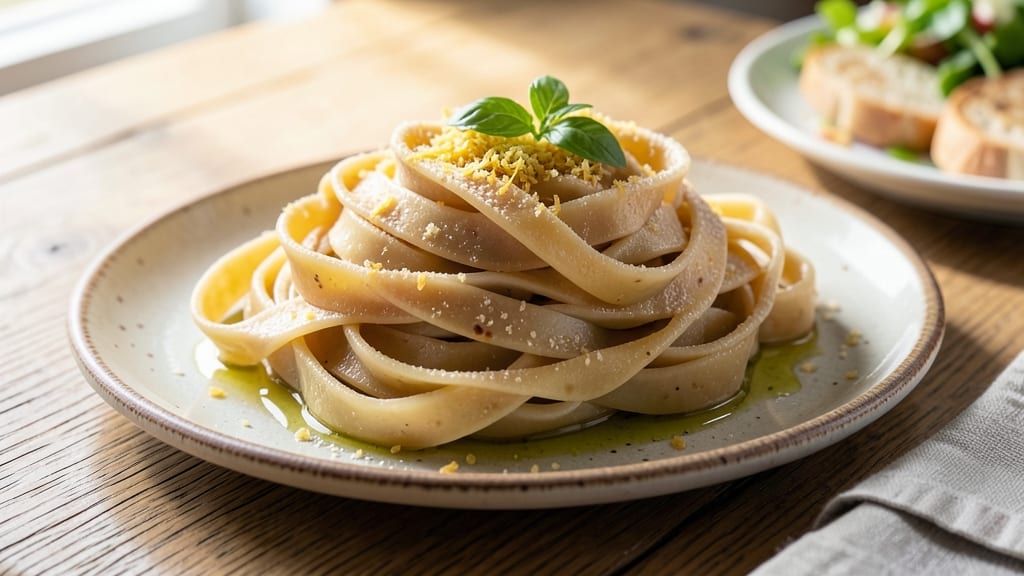
This 2 egg pasta recipe delivers the perfect balance of lightness and richness, with a silky texture and satisfying bite that rivals any restaurant version. The secret lies in a simple egg pasta dough that requires just flour, eggs, and a pinch of salt—no fancy ingredients, just precise technique.
I’ve perfected this method over years of testing, ensuring every strand cooks evenly and holds sauce beautifully without becoming gummy.
The dough comes together in minutes with minimal effort, but the magic happens in the rolling and resting.
By hand-rolling the dough thin and letting it rest before cutting, you create strands with the ideal al dente bite—firm enough to stand up to hearty sauces but tender enough to melt in your mouth.
This recipe is foolproof for beginners but refined enough for home cooks who crave restaurant-quality results.
What makes this recipe truly special is its versatility. Serve it with a classic brown butter and sage sauce, a tangy lemon-garlic oil, or even a simple carbonara—the pasta’s neutral flavor absorbs any topping while maintaining its structure.
The perfect bite comes from cooking the pasta just shy of al dente, so it finishes in the sauce without turning mushy.
Once you master this 2 egg pasta, you’ll never buy dried noodles again. The process is simple, the results are undeniably satisfying, and the satisfaction of making pasta from scratch is unmatched. Let’s get started—your kitchen is about to transform into a little Italian trattoria.
Ingredients for 2 egg pasta
Four simple ingredients transform your kitchen into a pasta-making paradise with restaurant-quality results.
| Ingredient | Amount | Notes |
|---|---|---|
| All-Purpose Flour 🌾 | 2 ½ cups | High-protein preferred for chewier texture |
| Large Eggs 🥚 | 2 whole | Room temperature for even mixing |
| Diamond Crystal Kosher Salt 🧂 | ½ tsp | Fine grain for even distribution |
| Extra-Virgin Olive Oil 🫒 | 1 tbsp | For dusting work surface |
| Semolina Flour 🌾 | ¼ cup | For dusting pasta strands |
| Lemon Zest 🍋 | 1 tsp | Brightens flavor (optional) |
| Fresh Sage Leaves 🌿 | 6 whole | For optional finishing |
| Unsalted Butter 🧈 | 2 tbsp | For optional brown butter sauce |
| Garlic Cloves 🧄 | 2 cloves | Minced for optional lemon-garlic oil |
| Parmesan Cheese 🧀 | ¼ cup | Freshly grated for serving |
The flour is where the magic begins—King Arthur or Caputo Tipo 00 (if you can find it) give that authentic Italian texture, but high-protein all-purpose works beautifully too. I always sift mine for a lighter dough, but that’s optional if you’re in a rush. Eggs should be large and fresh; room temperature makes mixing easier. For the salt, Diamond Crystal kosher is my go-to—it dissolves perfectly and doesn’t overpower the delicate flavor. Pro tip: measure your flour by weight if you have a kitchen scale—250g gives you that exact 2.5 cups without packing issues. The olive oil is just for dusting, but use a good-quality extra-virgin—you’ll taste it in the final strands.
No semolina? All-purpose flour works in a pinch, though it won’t give that signature gritty texture. The lemon zest is optional but adds a bright, citrusy note that cuts through the richness—organic lemons from the grocery store’s produce section work best. For the sage and butter, grab fresh sage leaves (they’re often sold in small bunches near the herbs) and European-style butter like Plugrá if you want that extra richness. Garlic should be fresh, not that sad jarred minced stuff—peel and roughly chop it yourself for the best flavor. And for the Parmesan, block cheese grated fresh is non-negotiable; pre-grated gets clumpy and loses its punch.
Store your dough wrapped tightly in plastic between parchment paper for up to 2 days in the fridge—it actually improves as it rests. For fresh pasta, cook it immediately after cutting for that perfect al dente bite. The semolina keeps strands from sticking, so don’t skip it if you’re serving immediately. Leftovers? Toss cooked pasta with a drizzle of olive oil and store in an airtight container for 3 days in the fridge. Freeze uncooked dough for up to 3 months—just thaw and roll before cutting. And if you’re making the brown butter sauce, render the butter low and slow for maximum flavor—don’t rush it!
Why You'll Love This Recipe
- No-Fuss Freshness: Honestly, this pasta comes together with just flour, eggs, and a pinch of salt—no fancy machines, no waiting for dough to rise. I’ve made it on lazy Sundays when I didn’t even measure the flour; just eyeballed it, kneaded it quick, and rolled it out on the counter while dinner simmered.
- Al Dente Magic: That semolina dusting? It’s the secret weapon—gives the edges a satisfying bite while keeping the inside tender. Toss it in olive oil after cooking, and suddenly, you’ve got restaurant-quality pasta without the fuss. (Yes, even on a Tuesday night.)
- Leftovers That Shine: Make a big batch, refrigerate the uncooked sheets, and reheat them later—no drying out, no soggy mess. I’ve pulled these out cold for a quick lunch, reheated them in sauce for dinner, and even turned them into crispy fritters. Versatile enough to handle whatever your week throws at you.
- Pocketbook Perfection: Two eggs, a cup of flour, and a sprinkle of salt—this recipe costs pennies and stretches further than store-bought. Between us, I’ve fed four people for under $3 with this, and they’ll never guess it wasn’t gourmet. Budget-friendly doesn’t mean boring, especially when the taste hits like this.
Step-by-step instructions for lightweight yet rich pasta
This method delivers al dente perfection with a tender bite—no heavy dough, just pure pasta joy.
Create the Dough with Precision
On a clean work surface, mound the 2.5 cups all-purpose flour and create a well in the center. Add the 2 whole large eggs and the 0.5 teaspoon diamond crystal kosher salt, then drizzle in the 1 tablespoon extra-virgin olive oil. The eggs should be at room temperature for even incorporation.
Using a fork, gradually draw the flour into the eggs from the edges of the well, mixing until the dough begins to form. Once combined, knead by hand for 8-10 minutes until smooth and elastic. You'll know it's ready when it springs back slightly when pressed. Wrap tightly in plastic and rest for 30 minutes at room temperature—this relaxation step prevents cracking during rolling.
Roll and Cut for Perfect Strands
Divide the rested dough into 4 equal portions and dust your work surface with the 0.25 cup semolina flour. Using a pasta machine set to the widest setting, roll each portion through once to flatten. Fold the sheet in thirds like a business letter, then roll again. Repeat this process 4-5 times total, reducing the machine setting by one notch each time until you reach the thinnest setting your machine offers.
Cut the sheets into ¼-inch wide strands and immediately toss with a pinch of the remaining semolina flour to prevent sticking. For the best texture, cook the pasta immediately—fresh pasta loses its delicate bite if left uncovered for more than 10 minutes. The strands should be smooth and slightly translucent at the edges when ready.
Cook to Al Dente Perfection
Bring a large pot of well-salted water to a rolling boil—it should taste like the sea. Add the pasta strands and cook for 2-3 minutes, stirring gently to prevent sticking. Fresh pasta cooks faster than dried, so taste-test at 2 minutes—it's done when it floats to the surface but still has a firm bite (about 1 minute before al dente for dried pasta).
Reserve ½ cup pasta water before draining, then toss the cooked strands with the 1 teaspoon lemon zest and 6 whole fresh sage leaves (torn, not chopped). The lemon brightens while the sage adds aromatic depth—both should be distributed evenly. Keep the pasta warm in a low oven (200°F) while you prepare the finishing touches.
Finish with Rich, Flavorful Touches (Optional)
For the brown butter sauce, melt the 2 tablespoons unsalted butter in a small skillet over medium heat until foamy. Reduce to low heat and cook until the butter turns golden brown and smells nutty (3-4 minutes). Immediately remove from heat and stir in the 2 minced garlic cloves—they'll soften quickly.
Toss the cooked pasta with the brown butter sauce, adding 2-3 tablespoons reserved pasta water as needed to create a silky coating. Finish with the 0.25 cup freshly grated parmesan cheese, tossing vigorously to distribute evenly. The cheese should melt into the strands, creating a creamy, umami-rich finish. Serve immediately with extra grated parmesan and fresh sage leaves scattered on top.
Pro Tips For Making 2 Egg Pasta
- Rest the Dough: After mixing your eggs and flour into a shaggy ball, resist the urge to jump straight to rolling. Let it sit covered for at least 30 minutes—this relaxes the gluten so it rolls out smoother and doesn’t tear when you cut it. (Yes, even if you’re impatient like me.)
- Use Room-Temp Eggs: Cold eggs make the dough fight you. Take them out of the fridge 15 minutes before mixing so they blend evenly with the flour—no streaky, uncooked spots in your final pasta. Trust me, your first batch will thank you.
- Avoid Over-Kneading: This isn’t bread dough—you’re not trying to develop endless gluten. Mix just until the flour comes together, then stop. Overworking it makes the pasta tough and chewy instead of tender. (I learned this after making a batch that tasted like shoe leather.)
- Dust with Semolina: Skip the flour for dusting your cut pasta—semolina’s coarser texture prevents sticking and gives your noodles that classic rustic finish. Sprinkle it lightly on your work surface and cutting board before shaping. (It’s the difference between clumpy pasta and restaurant-quality strands.)
Flavor customization for 2 egg pasta
Citrus Brightness
Add 1 tablespoon lemon juice and ½ teaspoon orange zest to the pasta water while boiling—this infuses the strands with vibrant acidity that cuts through richness.
For extra brightness, toss the cooked pasta with 1 teaspoon honey> and a pinch of red pepper flakes>—the sweetness balances the tang, while the heat adds complexity. I love this variation for springtime meals when fresh citrus is abundant.
Herb-Infused Oil
Create a quick herb oil by gently heating ¼ cup extra-virgin olive oil> with 2 cloves minced garlic>, 1 tbsp chopped fresh basil>, and 1 tbsp chopped parsley> until fragrant (2 minutes).
Remove from heat and toss with the cooked pasta—this adds aromatic depth without overpowering the delicate egg flavor. For a stronger flavor, let the oil steep for 10 minutes> before using.
Umami Boost
Elevate the pasta with 1 tablespoon soy sauce> or 1 teaspoon miso paste> in the cooking water. For a deeper umami kick, toss the cooked strands with 1 tablespoon nutritional yeast> and 1 tbsp toasted sesame oil>.
This variation works beautifully with Asian-inspired sauces like peanut sauce> or sesame-ginger dressing>. The soy adds a savory depth that pairs perfectly with the pasta’s natural richness.
Spicy Heat
For a fiery twist, add 1 teaspoon crushed red pepper flakes> to the pasta water or toss the cooked strands with ½ teaspoon cayenne pepper> and 1 tbsp olive oil>.
To balance the heat, finish with a sprinkle of grated pecorino cheese> and a drizzle of balsamic glaze>. This combination delivers a perfect sweet-spicy contrast that’s sure to impress. 🌶️
Smoky Depth
Infuse the pasta with smoky flavor by adding ½ teaspoon smoked paprika> to the dough or tossing the cooked strands with 1 tbsp liquid smoke> (start with ½ teaspoon>—it’s potent!).
For a more subtle approach, cook the pasta in water that’s been simmered with 2 slices of bacon> or 1 smoked sausage> (like chorizo>). The smoky notes complement the egg pasta’s delicate texture beautifully.
Sweet & Savory
Balance the savory egg pasta with sweet elements by tossing with 1 tablespoon maple syrup> or 1 teaspoon brown sugar>. Pair it with a balsamic reduction> (simmer ¼ cup balsamic vinegar> until thickened) or a caramelized onion> topping.
This sweet-savory combo works especially well with goat cheese> or ricotta salata**> crumbles for added creaminess.
Nutrition facts
Frequently asked questions
Why does your recipe use only 2 eggs instead of 3?
This 2 egg pasta recipe achieves the perfect balance of tenderness and structure without excess richness. Two eggs create a lighter dough that cooks evenly and absorbs sauces beautifully, while still providing enough binding to hold the strands together. It's also more budget-friendly and yields just enough dough for 4 servings—ideal for small households or meal prep.
Can I make this pasta without a pasta machine?
Roll the dough by hand using a rolling pin, starting with the thickest setting and gradually working thinner. For even thickness, fold the dough in thirds after each roll (like a letter) and repeat 5-6 times. If you don't have a pin, use a wine bottle or even a heavy book for pressure. The key is patience—hand-rolling takes more time but creates that authentic artisanal texture.
How do I prevent the pasta from sticking while drying?
After cutting, immediately toss the strands with semolina flour and lay them out on a floured baking sheet in a single layer. For faster drying, prop the sheet slightly open to allow airflow. If you're not serving immediately, store the dried strands in an airtight container with a paper towel between layers. They'll keep for 3-5 days at room temperature or 1 month in the freezer.
What if my dough cracks when rolling?
Cracking usually means the dough needs more resting time. Let it rest 30-60 extra minutes at room temperature before rolling again. If it's already cracked, gently press the edges together with your fingers and continue rolling. Another trick: dust your rolling surface with a bit more flour than usual to prevent sticking. For stubborn cracks, try chilling the dough for 10 minutes before rolling—this firms it up.
Can I make this gluten-free?
Yes, but with adjustments. Replace the all-purpose flour with a 1:1 gluten-free flour blend (like Bob's Red Mill) and add 1 extra egg to improve binding. You may also need 1 tablespoon xanthan gum for elasticity. The texture will be slightly different but still delicious. Cook gluten-free pasta 1 minute less than regular since it tends to soften faster.