
Breakfast & Brunch
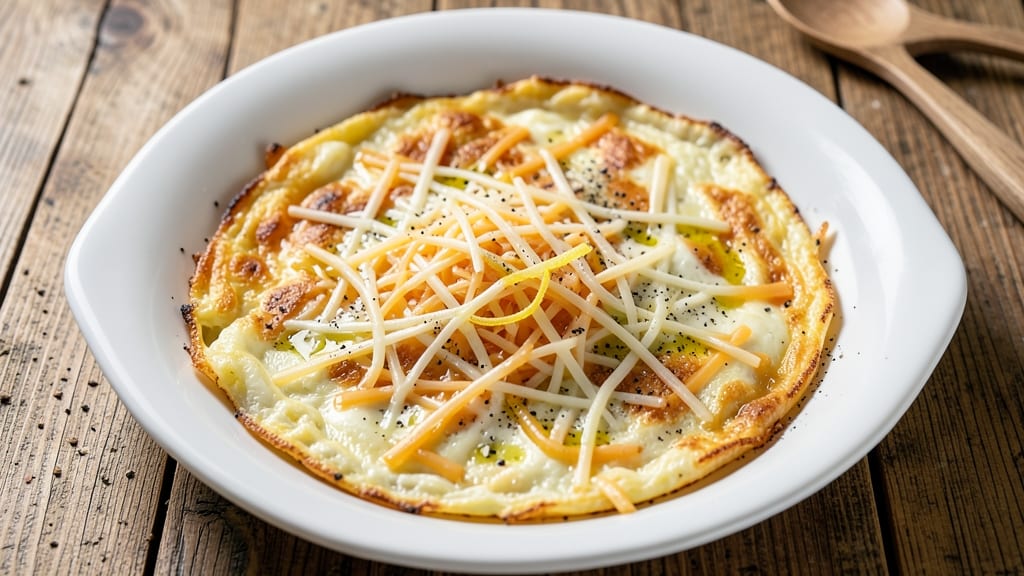
This 3-egg cheese omelette recipe delivers the perfect balance of fluffy layers and a molten, runny yolk that makes every bite feel like a luxurious breakfast experience. The secret lies in precise heat control and gentle folding—no flipping required. I've perfected this method after years of trial and error, and it consistently produces an omelette with tender, cloud-like layers and a golden crust that holds its shape beautifully.
What sets this recipe apart is the technique: whisking eggs just until combined (no overbeating), cooking on medium-low heat to prevent browning, and folding with confidence to create those signature layers.
The cheese melts into a creamy, stretchy blanket, while the yolk remains perfectly runny at the center. This isn't just breakfast—it's a skill that transforms simple ingredients into something restaurant-worthy.
By the time you're done, you'll have an omelette that's crisp at the edges, tender in the middle, and crowned with that signature runny yolk that pools beautifully when cut.
The presentation alone makes it feel like a special occasion, but the real magic is in the first bite—where the cheese pulls slightly, the egg is perfectly set but still creamy, and the yolk glides across your plate with minimal effort.
The beauty of this recipe is its adaptability—add herbs, mushrooms, or spinach for extra flavor, or keep it classic with just cheese. Once you master this technique, you'll never buy store-bought omelettes again. Here's how to make it perfectly every time.
Ingredients for 3 egg cheese omelette
Three eggs, one perfect omelette—where technique transforms simple ingredients into restaurant-quality breakfast art.
| Ingredient | Amount | Notes |
|---|---|---|
| Large Eggs 🥚 | 3 whole | Room temperature for even cooking |
| Shredded Sharp Cheddar Cheese 🧀 | ½ cup | Freshly shredded, medium sharpness |
| Unsalted Butter 🧈 | 1 tbsp | European-style preferred for higher smoke point |
| Diamond Crystal Kosher Salt 🧂 | ¼ tsp | Fine grain for even distribution |
| Freshly Ground Black Pepper 🌶️ | ⅛ tsp | Cracked peppercorns preferred |
| Extra-Virgin Olive Oil 🫒 | ½ tsp | For non-stick finish on plate |
| Heavy Whipping Cream 🥛 | 1 tbsp | Optional for extra richness |
| Fresh Chives 🌿 | 1 tbsp | Finely chopped for garnish |
The eggs are non-negotiable—room temperature is critical for even cooking. Pasture-raised eggs from Crowd Company or your local farm store deliver superior texture, but any high-quality large eggs will work. For the cheese, freshly shredded sharp cheddar melts more evenly than pre-shredded—look for blocks at Whole Foods or specialty cheese counters. The butter matters too: European-style unsalted like Plugrá has a higher smoke point and richer flavor than American brands. Pre-measure everything before starting—this is a precision dish where timing is everything.
No sharp cheddar? Gruyère or fontina work beautifully for a more complex flavor profile. Short on eggs? Add a splash of cream to the whisked eggs for extra volume, but don't substitute more than one egg or the texture suffers. The heavy cream is optional but worth it for that luxurious finish—Hormel Organic is my go-to for its consistent quality. For salt, Diamond Crystal kosher dissolves perfectly, but Maldon flaky sea salt adds beautiful texture if you garnish. The olive oil is purely for plating—use a high-quality California extra-virgin like Corto to complement the dish's elegance.
Eggs should be whisked just until combined—no overbeating—and used immediately for peak texture. Pre-shredded cheese loses moisture fast; store any extras in an airtight container in the freezer for up to 3 months. The finished omelette holds for 30 minutes at room temperature before serving, but reheating in a dry skillet ruins the delicate layers. For make-ahead prep, fold the omelette in half and refrigerate—reheat gently in a 200°F oven for 5 minutes before serving. The chives should be added last to preserve their vibrant color and fresh aroma.
Why You'll Love This Recipe
- Here’s what sold me: that first crack of the spatula against the pan reveals a golden crust, but the inside stays silky. The kosher salt and black pepper cut through the richness just enough to make it ridiculously satisfying—not heavy, not greasy, just right.
- Three-Ingredient Magic: I swear by this combo—eggs, sharp cheddar, and butter. That’s it. No fancy prep, no hidden ingredients, just pure, salty, melty goodness in every bite. The cheddar stretches into golden strands while the eggs cook to a tender, buttery finish.
- Crispy-Edge Perfection: Here’s what sold me: that first crack of the spatula against the pan reveals a golden crust, but the inside stays silky. The kosher salt and black pepper cut through the richness just enough to make it ridiculously satisfying—not heavy, not greasy, just right.
- Breakfast or Brunch Fix: Between us, this works for lazy mornings and weekend brunch. Toss in a handful of pre-chopped spinach if you’re feeling fancy, or keep it classic. It’s the kind of dish that feels special without needing a full spread.
Step-by-step instructions for fluffy layers and runny yolk magic
Master this technique and you'll achieve restaurant-quality omelettes with perfectly fluffy layers and a molten yolk center.
Whisk Eggs to Ribbon Stage
Crack the 3 whole Large Eggs into a bowl and add the 0.25 tsp Diamond Crystal Kosher Salt and 0.125 tsp Freshly Ground Black Pepper. Using a fork or whisk, beat vigorously until the mixture becomes frothy and lightens in color. You're aiming for what chefs call "ribbon stage"—when you lift the whisk, the egg should form slow-moving ribbons that hold their shape for a moment before dissolving back into the mixture.
This thorough whisking incorporates air into the eggs, which creates the light, airy texture we want. I like to use a fork first to break up the yolks, then switch to a whisk for the final stages. The eggs should be completely uniform in color with no visible streaks of white or yolk remaining. If you're using the optional 1 tbsp Heavy Whipping Cream, add it now and whisk briefly to combine.
Prepare the Cheese Filling
While the eggs whip, shred the 0.5 cup Shredded Sharp Cheddar Cheese into small, even pieces. I find the finest shreds melt more evenly and create a smoother texture. Place the cheese in a small bowl and set aside. The key here is to have everything ready before you start cooking—this is what separates home omelettes from restaurant-quality ones.
For the perfect melt, I recommend using freshly shredded cheese rather than pre-shredded. The smaller the pieces, the faster and more evenly they'll melt throughout the omelette. Keep the cheese at room temperature as well—cold cheese won't melt properly and will create a dense, uneven texture.
Heat the Pan and Cook the Omelette
Heat an 8-inch non-stick skillet over medium-low heat until it's just warm to the touch. Add the 1 tbsp Unsalted Butter and let it melt completely, swirling to coat the pan evenly. You're looking for a thin, even layer of butter that foams gently but doesn't brown. This butter layer creates the perfect non-stick surface while adding rich flavor.
When the butter is ready, pour in the egg mixture. Immediately tilt the pan to distribute the eggs evenly across the surface. Let them cook undisturbed for about 30 seconds until the edges begin to set but the center still looks slightly wet. This is where patience pays off—resisting the urge to stir prevents the delicate egg curds from forming properly.
Create Fluffy Layers and Add Cheese
Using a heat-resistant spatula, gently push the cooked edges toward the center, tilting the pan to let the uncooked egg flow to the edges. Repeat this motion continuously for about 15-20 seconds, creating those beautiful fluffy layers. When the bottom is mostly set but still slightly soft in the center, sprinkle half of the shredded cheese evenly over one half of the omelette.
Here's the thing—don't press down on the eggs. You want to fold them gently, creating layers rather than compressing them. The cheese should melt immediately from the residual heat. When the cheese has melted and the top looks mostly set but still slightly glossy, fold the omelette in half by bringing the empty side over the cheese-filled side.
Finish and Plate with Precision
Continue cooking for another 10-15 seconds until the bottom is golden and the cheese is fully melted. For the perfect finish, add the 0.5 tsp Extra-Virgin Olive Oil to the plate—this creates a non-stick surface that makes flipping effortless. Slide the omelette onto the oiled plate and let it rest for 30 seconds to set slightly.
Garnish with the remaining cheese and the 1 tbsp finely chopped Fresh Chives. To serve, cut the omelette in half and present each portion on a warm plate. The center should still be slightly runny, with a molten yolk that creates that luxurious "cheese pull" when you cut into it. Serve immediately while the layers are at their peak texture and temperature.
Pro Tips For Making 3 Egg Cheese Omelette
- Whisk Until Ribbons: Beat those eggs like you’re mad at them—until the mixture holds soft, glossy ribbons when you lift the whisk. Thin streaks mean air gets trapped, and that’s how you get a light, fluffy omelette instead of a dense pancake. (No, your arm won’t fall off.)
- Salt the Cheese: Toss that shredded cheddar with a pinch of kosher salt before folding it into the eggs. Sharp cheddar’s already salty, but the butter and eggs need balancing—trust me, you’ll taste the difference. (And yes, it’s worth the extra 10 seconds.)
- Low and Slow Finish: Once the bottom’s set and you’ve added cheese, immediately drop the heat to medium-low. Rushing it with high heat turns the cheese into a sad, greasy glop. Let it melt gently—like a good conversation, not a microwave burrito.
- Butter Over Heat: Melt the butter in the pan until it’s foaming and smells nutty, then wipe out most of it with a paper towel—leave just a thin film. Too much butter = soggy omelette; too little = dry. (This is the thing that matters most.)
Creative variations of this dish
Herb-Infused Variations
Swap the sharp cheddar for feta and goat cheese—mix ¼ cup crumbled feta with ¼ cup goat cheese for tangy depth. Add 1 tbsp chopped fresh dill and 1 tbsp chopped chives before folding. The herbs brighten the richness, while the goat cheese adds a creamy contrast. 🌿
Mushroom & Spinach Twist
Sauté ½ cup sliced cremini mushrooms and ½ cup baby spinach in the same pan after removing the omelette. Stir-fry for 2 minutes until wilted, then sprinkle over one half before folding.
The earthy mushrooms and peppery spinach pair beautifully with the melted cheese. Use Wegmans brand mushrooms for consistent quality.
Spicy Chorizo Kick
Crumble 2 oz Mexican chorizo (remove casing) and cook until crispy. Sprinkle over one half of the omelette before folding. The smoky, spicy chorizo cuts through the cheese richness perfectly. For extra heat, add ½ tsp smoked paprika to the egg mixture. Serve with Penzeys hot honey for dipping. 🌶️
Breakfast Potato Upgrade
Add ¼ cup finely diced roasted potatoes (pre-cooked and cooled) to the egg mixture before pouring into the pan. The potatoes absorb moisture and add a satisfying heartiness.
For extra flavor, toss them with ½ tsp garlic powder and ¼ tsp onion powder before adding. This works best with Yukon Gold potatoes for their creamy texture.
Sweet & Savory Finish
Add 2 tbsp caramelized onions (cooked until deep golden) and 1 tbsp crumbled blue cheese to one half before folding. The sweetness of the onions balances the tangy blue cheese beautifully.
For a sweet touch, drizzle with 1 tsp maple syrup after plating. This variation feels surprisingly sophisticated for breakfast. 💛
Vegetarian Protein Boost
Fold in 2 tbsp crumbled tofu ricotta (blended silken tofu with lemon juice) for extra protein without changing the texture. Add ½ tsp turmeric to the egg mixture for a golden hue and earthy flavor.
Top with 1 tbsp sun-dried tomatoes for a Mediterranean-inspired twist that keeps it vegetarian but satisfying.
Nutrition facts
Frequently asked questions
Why does my omelette turn out rubbery instead of fluffy?
Overwhisking the eggs or cooking on too high heat are the most common culprits. Stop whisking once the eggs reach "ribbon stage" (when they form slow ribbons) and use medium-low heat to prevent browning. Also, make sure your pan isn't too hot—it should feel warm to the touch before adding butter.
Can I make this omelette ahead of time?
Fresh is best, but you can prep components ahead. Shred the cheese and chop herbs the night before. For make-ahead, fold the cooked omelette in half and refrigerate—reheat gently in a 200°F oven for 5 minutes before serving. Never reheat in the microwave as it makes the eggs rubbery.
What's the secret to getting that perfect runny yolk?
Timing and temperature control are everything. Cook the omelette just until the edges are set and the cheese is melted, then remove it from heat immediately. The residual heat will finish cooking the top while keeping the center runny. For extra insurance, use room temperature eggs—they cook more evenly.
Can I use pre-shredded cheese in this recipe?
Not ideal, but it'll work in a pinch. Pre-shredded cheese contains anti-caking agents that prevent even melting. For best results, use freshly shredded cheese—it melts more smoothly and creates those beautiful, stretchy strands. If you must use pre-shredded, pat it dry with a paper towel first to remove excess moisture.
How do I adjust this recipe for one person?
Reduce the eggs to 2 large eggs and cut the cheese to ⅓ cup. Use a 6-inch non-stick skillet instead of 8-inch, and reduce the butter to ½ tbsp. Keep the same cooking technique—just scale down all measurements proportionally. The folding method stays exactly the same for perfect layers.