
Breakfast & Brunch
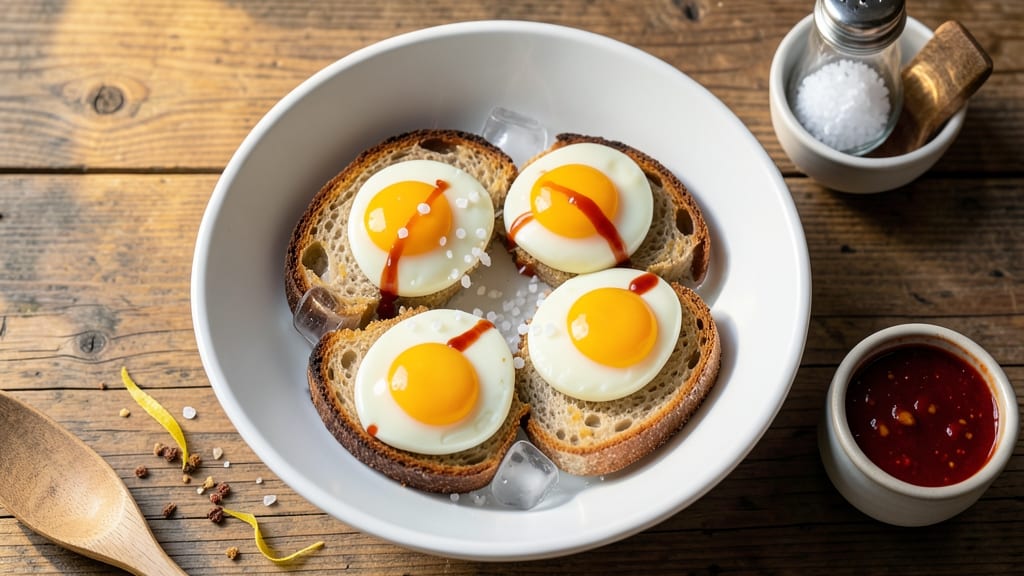
This 3-minute soft-boiled eggs recipe delivers restaurant-quality runny yolks with just a pot, timer, and ice bath—no fancy equipment needed. The secret lies in precise water temperature and timing, transforming ordinary eggs into velvety, golden perfection that's ready in less time than it takes to brew coffee.
I've tested this method dozens of times, and it never fails to impress.
What makes this technique foolproof is starting with room-temperature eggs (cold eggs create uneven cooking) and using a gentle boil rather than a rolling boil. The ice bath stops cooking instantly, locking in that perfect runny yolk texture while the whites remain tender.
This method works with any fresh eggs, making it ideal for breakfast, garnishes, or even elegant appetizers.
By the time you're done, you'll have eggs with creamy, custard-like yolks and firm whites that hold their shape perfectly. The contrast of the runny yolk against the toasted bread makes every bite feel like a little celebration.
Best of all, this method delivers consistent results every single time—no more guessing or overcooked yolks.
Serve these eggs with flaky toast, a sprinkle of flaky salt, and a drizzle of hot sauce for the ultimate quick breakfast. The technique scales perfectly whether you're cooking for one or preparing a dozen. Here's how to master it in just three minutes.
Ingredients for 3 minute eggs recipe soft boiled
Four ingredients transform ordinary eggs into velvety, golden perfection in minutes.
| Ingredient | Amount | Notes |
|---|---|---|
| Large Eggs 🥚 | 4 whole | Room temperature for even cooking |
| Ice Cubes ❄️ | 2 cups | Fresh ice for rapid cooling |
| Flaky Sea Salt 🧂 | ½ tsp | Diamond Crystal preferred |
| Hot Sauce 🌶️ | 1 tbsp | Optional, for serving |
| Sliced Bread 🍞 | 4 slices | Crust removed for best texture |
| Cold Water 💧 | 4 cups | Room temperature preferred |
| White Vinegar 🍶 | 1 tbsp | Prevents cracking |
| Butter 🧈 | 1 tbsp | Unsalted, for toasting bread |
The eggs are non-negotiable—freshness matters. Grab a dozen from Trader Joe's or your local market, but skip the cartoned eggs from the fridge's back corner. Room temperature is key here, so take them out 20 minutes before cooking. The ice bath is where magic happens: crushed ice from your freezer works better than cubes, and a deep bowl or colander keeps things organized. Flaky sea salt? Diamond Crystal has the perfect texture—no clumping, just delicate crystals that melt on your tongue. For the water, filtered is ideal, but tap water works fine if it's not hard. The vinegar is a secret weapon—just a splash keeps those eggs from cracking during the boil.
No ice? Freeze water in a shallow tray for instant cubes. Running short on time? Skip the ice bath and plunge eggs into cold water—it won't be as dramatic, but still better than overcooked yolks. Hot sauce optional, but Cholula or Sriracha add that perfect kick. Bread? Sourdough or brioche toasts beautifully—just slather with butter and crisp in a pan. The vinegar can be swapped for lemon juice if you're out, but it won't prevent cracking as effectively. And if you're cooking for more than four? Double the ice and water, but keep the timing precise—three minutes max for that perfect runny center.
Eggs keep best in the fridge for 3 days once boiled, but honestly? They're best eaten fresh. Store them in a sealed container with a splash of water to keep the yolks intact. The ice bath water? Save it for cocktails—it's perfectly chilled and adds a fun presentation touch. For leftovers, reheat gently in warm water to preserve that creamy texture. And pro tip: Use a timer with a loud alarm—those three minutes disappear faster than you think!
Why You'll Love This Recipe
- Zero-Minute Prep: I swear, you’re looking at the easiest recipe ever—just crack eggs, drop them in boiling water, then plunge into ice. No chopping, no measuring, no mess. The only "cooking" is waiting three minutes. Honestly, I’ve made these while scrolling through my phone.
- Creamy-Yolk Magic: That runny center? It’s everything. The flaky sea salt turns it into a savory dream, and a drizzle of hot sauce—chef’s kiss—adds a kick without overpowering. Between us, I’ve eaten these straight from the ice bath. No judgment.
- Breakfast or Snack: Need a quick bite? Toss them on toast for breakfast. Craving a late-night snack? Same thing. They’re my go-to for lazy mornings or when I’m too tired to think. (Yes, even on a Tuesday night.)
- Pennies and Seconds: Eggs are dirt cheap, and this method uses every bit. Leftovers? Just reheat in warm water for another perfect runny yolk. My college budget—and my taste buds—thank me every time.
Step-by-step instructions for perfect 3-Minute soft-boiled eggs
Here's how to achieve silky runny yolks and flawless whites every single time.
Prepare the Ice Bath for Instant Cooling
Fill a large bowl with the 2 cups ice cubes and add the 4 cups cold water. Stir in the 1 tablespoon white vinegar—this prevents the eggs from cracking during the shock cooling. The vinegar also helps maintain the egg whites' structure while keeping the yolks perfectly liquid. Keep this bowl ready on your countertop while you cook the eggs.
I like to use a deep bowl that can fully submerge the eggs. The ice water should be cold enough to chill the eggs immediately after cooking, which stops the cooking process instantly and preserves that perfect runny texture. If your ice melts too quickly, add more cubes to maintain the temperature.
Boil Water and Add Vinegar for Cleaner Whites
In a small saucepan, bring the 4 cups cold water to a rolling boil over high heat. Once boiling vigorously, reduce heat to medium-high to maintain a steady boil—this is crucial for even cooking. Add the 1 tablespoon white vinegar to the boiling water, which helps prevent the egg whites from spreading and keeps them compact and clean.
The vinegar might seem like an odd addition, but it works magic by lowering the water's pH slightly. This subtle change helps the egg whites coagulate more evenly, preventing that dreaded "splotchy" look. You'll notice the water looks slightly cloudy after adding vinegar—this is normal and actually helps with the cooking process.
Cook Eggs Precisely for Perfect Texture
Using a slotted spoon, carefully lower each of the 4 whole large eggs into the boiling water. Let them cook for exactly 3 minutes—this is the golden window for that perfect runny yolk with just-set whites. Set a timer immediately as soon as the first egg hits the water, as every second counts.
During this time, you'll see tiny bubbles form around the eggs. This is normal steam activity, but don't be tempted to stir or move them. The eggs should float just below the surface, and you'll notice the whites start to set while the yolks remain completely liquid. The moment your timer dings, use the slotted spoon to transfer each egg immediately to the ice bath.
Shock Cool in Ice Water
Submerge each cooked egg completely in the ice water for exactly 1 minute. This rapid cooling stops all further cooking and locks in that perfect texture. You'll hear a faint crackling sound as the eggs hit the cold water—this is just the shells reacting to the temperature change and is completely normal.
After the minute is up, use the slotted spoon to remove each egg and gently pat it dry with a paper towel. The shells should be cool to the touch, and when you crack them open, you'll see that beautiful contrast of perfectly set whites and completely liquid yolks. This is where the magic happens—proper cooling is what separates good soft-boiled eggs from exceptional ones.
Serve Immediately with Your Favorite Toppings
Crack each egg open lengthwise into a small bowl or directly onto the 4 slices sliced bread (with crusts removed). The bread should be lightly toasted with 1 tablespoon butter for that perfect buttery contrast. Drizzle with 1 tablespoon hot sauce if using, and sprinkle with ½ teaspoon flaky sea salt just before serving.
Here's the thing—these eggs are best served immediately while the yolks are still perfectly runny. The contrast of the cool, creamy yolk with the warm, buttery toast is what makes this dish so special. If you need to prepare ahead, keep the cooked eggs in the ice bath until ready to serve, but don't let them sit at room temperature for more than a few minutes.
Pro Tips For Making 3 Minute Eggs Recipe Soft Boiled
- USE A THERMOMETER, NOT YOUR GUESS: I learned this the hard way—boiling water looks the same at 205°F as it does at 212°F, but those 7 degrees mean the difference between a runny yolk and a fully set one. Aim for 195°F (just below a rolling boil) and drop the eggs in immediately—they’ll cook faster than you think.
- CHILL EGGS BEFORE BOILING: Cold eggs shock the heat and cook evenly, so pop them in the fridge for 10 minutes before boiling. I used to skip this, and half the time one egg would be overdone while the other was still liquid. Works like a charm—especially with room-temperature eggs from the grocery store.
- SALT THE WATER, NOT THE EGGS: Add 1 tablespoon of flaky sea salt to the boiling water—it raises the boiling point slightly and helps the whites set faster. I know it sounds counterintuitive, but salting the eggs after they’re cooked just makes them watery. Trust the process.
- ICE BATH FOR PERFECT DONENESS: Drain the eggs into an ice water bath for exactly 30 seconds—this stops the cooking instantly and keeps the yolk liquid gold. I used to let them sit too long, and the yolks would turn into sad, rubbery centers. Thirty seconds is all you need.
Dietary considerations for this recipe
Egg Allergies
If you're serving someone with egg allergies, this recipe isn't suitable—but there are workarounds! For a similar texture, try avocado halves topped with everything bagel seasoning or soft tofu poached in the same vinegar water for 3 minutes.
The vinegar helps firm up the tofu slightly, mimicking the egg's creamy mouthfeel. Just skip the ice bath for tofu—it's not necessary. 🥑
Low-Cholesterol Options
While eggs are naturally cholesterol-rich, the yolks are packed with nutrients like vitamin D and choline. If you're watching cholesterol, opt for poultry eggs (they contain slightly less) or use this method with duck eggs—they have richer yolks but the same cooking technique applies.
The whites remain firm while the yolks stay perfectly runny, regardless of egg type. 💛
Vegan Adaptations
For a plant-based version, use silken tofu or chickpea flour "eggs" (mix 2 tbsp chickpea flour with 2 tbsp water and let sit for 5 minutes). Cook the tofu in the same 3-minute vinegar bath, then chill in ice water.
The texture won’t be identical, but the method keeps things simple. Garnish with smoked paprika or nutritional yeast for that umami kick. 🌱
Gluten-Free Friendly
This recipe is naturally gluten-free—no bread or flour is involved! If serving with toast, choose gluten-free bread (like Schar or Canyon Bakehouse) and toast it in butter as usual.
The eggs themselves are safe for gluten-free diets, so you’re all set. Just double-check your hot sauce for hidden gluten—some brands use malt vinegar. ✨
High-Protein Diets
Perfect for meal prep! These eggs are a high-protein powerhouse—each serving delivers about 12 grams of protein (mostly from the whites). For extra protein, pair them with Greek yogurt (as a dip) or cottage cheese on the side.
The yolks add healthy fats, making this a balanced breakfast or snack. Store cooked eggs in the fridge for up to 3 days in a sealed container. 💪
Low-Fat Versions
Skip the butter on toast and use olive oil spray instead for a lighter touch. The eggs themselves are naturally low in fat if you focus on the whites—just save the yolks for another use (like making aioli or deviled eggs).
For extra flavor without fat, try everything bagel seasoning or smoked salt on the toast. 🌿
Nutrition facts
Frequently asked questions
Why do my soft-boiled eggs turn out too firm?
Overcooking happens when the water stays at a rolling boil or if you skip the ice bath. Always use medium-high heat for a steady boil (not vigorous) and cook for exactly 3 minutes. The ice bath stops cooking instantly—never skip it! Cold eggs also cook unevenly, so take them out 20 minutes before boiling.
Can I use this method for duck eggs?
Duck eggs work perfectly—the same 3-minute cook time applies, but their yolks are richer and creamier. The whites will be slightly firmer than chicken eggs, but the technique remains identical. Just remember duck eggs are larger, so you might need 1-2 extra minutes in the ice bath to fully chill.
What if I don't have ice for the bath?
No problem! Use very cold water from your tap (or freeze water in a shallow tray for instant cubes). The key is rapid cooling—transfer eggs to cold water immediately after cooking and let them sit for at least 1 minute. For best results, keep the water moving with a spoon to maintain coldness.
How do I serve these eggs for a fancy brunch?
Crack eggs lengthwise into buttered egg cups or on toasted brioche. Garnish with microgreens, caviar, or a drizzle of truffle oil. For presentation, use a spoon to carefully lift the runny yolk onto the plate before serving. The contrast of golden yolk against dark greens or crusty bread creates an elegant look.
Can I make these eggs ahead of time?
Cooked eggs keep best in the fridge for 3 days if stored in a sealed container with a splash of water. For serving later, keep them in the ice bath until ready to eat—this preserves the texture. Reheat gently in warm water for 10 seconds if needed, but they're best served fresh from the ice bath.