
Beverages
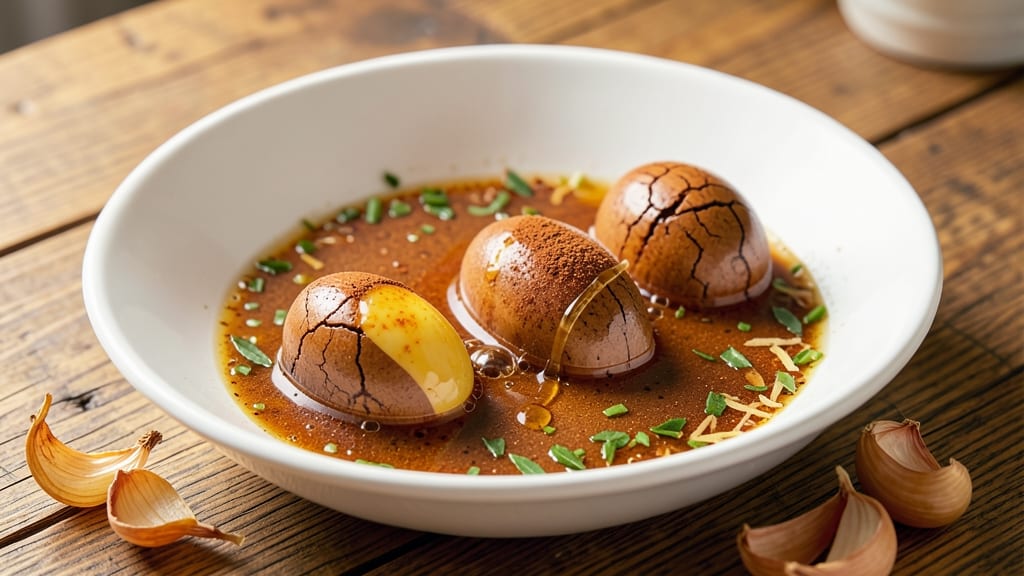
This tea egg recipe with five-spice powder transforms simple poached eggs into fragrant, spice-infused bites—perfect for a comforting, aromatic snack. The secret lies in simmering eggs in a warm broth infused with five-spice powder, tea leaves, and just enough sugar to balance the flavors.
I first discovered this technique during a trip to Taiwan, where street vendors served these delicate eggs with steaming cups of tea—a match made in heaven.
The beauty of this recipe is in its simplicity: you only need a few ingredients, and the process is straightforward. Start by boiling eggs until they're perfectly poached, then gently simmer them in a fragrant broth made with black tea, five-spice powder, and a touch of sugar.
The result is eggs with subtle, warm spices that linger on the tongue, paired with a broth so inviting you'll want to sip it too.
What makes this dish truly special is its versatility. While the classic version uses plain tea and five-spice, you can easily customize it with red bean paste for a sweet-savory twist or a splash of ginger for a zesty kick.
The eggs stay tender and infused with the aromatic spices, making every bite a little celebration of warmth and comfort.
Whether you're craving a light snack or a cozy treat to pair with tea, this recipe delivers restaurant-quality results with minimal effort. The fragrant broth and spiced eggs create a harmonious balance that's both satisfying and elegant—ideal for any occasion, from a quiet afternoon to a gathering with friends.
Ingredients for tea egg recipe five spice powder
Eight ingredients transform simple eggs into fragrant, aromatic bites perfect for tea pairings.
| Ingredient | Amount | Notes |
|---|---|---|
| Large Eggs 🥚 | 4 whole | Freshly poached for best texture |
| Black Tea Bags ☕ | 4 whole | High-quality loose leaf preferred |
| Five-Spice Powder 🌶️ | 1 tbsp | Authentic Chinese blend for aroma |
| Granulated Sugar 🍚 | 1 tbsp | Balances tea bitterness |
| Water 💧 | 4 cups | Filtered for best flavor |
| Fresh Ginger 🌿 | 1 tbsp | Grated, for optional zesty kick |
| Red Bean Paste 🌱 | ½ cup | For sweet-savory variation |
| Salt 🧂 | ½ tsp | Kosher or sea salt |
| Sesame Oil 🫒 | 1 tsp | Toasted for nutty aroma |
| Green Onions 🧅 | 2 whole | Sliced, for garnish |
| Vegetable Oil 🫒 | 1 tbsp | For poaching eggs |
The five-spice powder is non-negotiable—Penzeys or Asian markets carry the best authentic blends. Look for a mix of star anise, cinnamon, cloves, fennel, and Szechuan peppercorns. If you can't find it, cinnamon plus a pinch of cloves works in a pinch. The tea matters too: high-quality black tea bags (like Twinings or Yunnan) steep better than grocery store brands. Fresh ginger is optional but adds depth—peel and grate it yourself for maximum flavor. For the red bean paste, Asian grocery stores have it pre-made in jars, or you can make your own with azuki beans.
No five-spice powder? Mix 1/2 tsp each of cinnamon, cloves, and fennel seeds—toast the spices first for better aroma. Swap black tea for jasmine or oolong if you prefer floral notes. The sesame oil is key for that nutty finish—toasted sesame oil (not the light kind) makes all the difference. Running short on time? Instant miso paste can replace the red bean paste for umami richness. And if you're making this ahead, keep the eggs in the broth until serving to maintain their tenderness.
The broth stays fragrant for 2 days refrigerated—just reheat gently. Eggs should be poached within 1 hour of cooking for perfect texture. Store the red bean paste in the fridge for up to 2 weeks after opening. For a quick snack, pre-portion the broth into small jars—grab one, add an egg, and you've got instant comfort. The sesame oil and green onions keep best in the pantry, while fresh ginger lasts 2 weeks in the fridge.
Why You'll Love This Recipe
- Foolproof Simplicity: I swear, this recipe is one of those rare dishes where you can’t mess it up. Boil eggs, steep tea bags in the water, sprinkle five-spice powder and sugar—done. No peeling, no fancy techniques, just hands-off magic while you sip your tea.
- Umami Bombshell: That five-spice powder? It’s the star. Warm clove, cinnamon, and star anise wrap around the egg like a cozy blanket, while the tea-infused water gives it a deep, almost savory richness. Honestly, the first bite had me reaching for another.
- Snack Attack Ready: Between us, these eggs disappear fast—perfect for lazy afternoons, kids’ lunches, or when you’re craving something sweet but don’t want cake. I’ve even tossed them into salads or charcuterie boards for a little crunch and flavor.
- Zero-Waste Win: Use up those stray eggs lurking in your fridge, repurpose stale tea bags, and stretch a little sugar further than usual. The leftovers? They keep for days in the fridge, and honestly, they taste even better the next day—like a secret stash you didn’t know you needed.
Step-by-step instructions for tea egg recipe with five spice powder
Master this aromatic technique to create perfectly poached eggs infused with fragrant tea and warming spices.
Prepare the Poaching Broth
In a medium saucepan, combine the 4 cups water, 1 tbsp granulated sugar, 1 tbsp five-spice powder, 1 tbsp grated fresh ginger, and 0.5 tsp salt. Bring to a gentle simmer over medium heat until small bubbles form around the edges. The broth should smell like a cozy blend of cinnamon, clove, and star anise from the five-spice powder.
Remove from heat and add the 4 whole black tea bags. Let steep for 5 minutes to infuse the liquid with deep, malty tea flavor. The water should turn a rich amber color—this indicates proper steeping. Strain out the tea bags and return the liquid to the saucepan. Keep the broth at a gentle simmer (180°F) for poaching.
Poach the Eggs
In a separate small saucepan, heat the 1 tbsp vegetable oil over low heat until just shimmering. Crack each of the 4 whole large eggs into a small bowl, one at a time. Using a slotted spoon, gently lower each egg into the oil. Poach for 3 minutes until the whites set but yolks remain runny—you'll see the whites become opaque while the yolks stay vibrant.
Transfer the poached eggs to a plate lined with paper towels. The eggs should slide off the spoon easily when ready. Keep them warm while you prepare the broth mixture. The key here is patience—overcooking turns the yolks rubbery, while undercooking leaves them too liquid.
Combine and Simmer
Return the strained tea broth to the saucepan and bring to a gentle simmer again. Add the 0.5 cup red bean paste and stir until fully dissolved, creating a glossy, sweet-savory base. The paste should thicken the broth slightly, giving it body without making it heavy. Taste and adjust seasoning with additional salt if needed.
Add the 1 tsp sesame oil and stir gently. The nutty aroma will deepen as it warms. The broth should now have a delicate balance of tea bitterness, sweetness from the sugar and red bean paste, and the warm, complex notes of the five-spice powder. Keep the mixture at a gentle simmer to maintain its aromatic qualities.
Assemble and Garnish
Divide the warm tea broth among 4 bowls, placing 1 poached egg in each. The egg should float gently in the broth, its runny yolk contrasting with the warm liquid. Garnish each serving with 2 whole green onions, sliced thinly on the bias for a fresh, crisp finish.
Serve immediately while the eggs are still warm and the broth maintains its fragrant steam. The combination of the delicate tea-infused broth, sweet red bean paste, and aromatic five-spice powder creates a harmonious balance of flavors that's both comforting and sophisticated. Each bite delivers the perfect marriage of textures and tastes.
Pro Tips For Making Tea Egg Recipe Five Spice Powder
- USE COLD EGGS: I learned this the hard way—room-temperature eggs crack like overripe fruit when dropped into boiling water. Grab them straight from the fridge, crack them gently into a bowl, and stir. The cold water shock will keep them intact while they cook.
- STEEP TEA FIRST: Skip the tea bag in the pot and steep it in hot water for 3-5 minutes first. The stronger the tea, the deeper the flavor infusion into the eggs. Dump the water before adding eggs—this avoids muddy, bitter water seeping into the whites.
- DON’T OVERBOIL: Five minutes max in simmering water—any longer and the yolks turn rubbery. Watch the water: it should bubble gently, not roar. If it’s too aggressive, lower the heat or add a splash of cold water to calm it down.
- TOAST THE SPICE: Warm the five-spice powder in a dry pan for 30 seconds before mixing it with sugar. This blooms the flavors and cuts through the bitterness of the tea. Sprinkle it over the eggs right after they’re done—it sticks better and tastes fresher.
Regional styles of this tea egg recipe five spice powder
Taiwanese Street Style
In Taiwan, vendors serve these tea eggs as a quick snack with steaming tea—simple but deeply aromatic. The key here is using high-quality loose-leaf tea like Twinings Earl Grey or Yunnan black tea for that rich, malty flavor.
I’ve seen street carts use small clay pots to simmer the eggs, but a stovetop saucepan works just as well. The trick is keeping the broth at a gentle simmer—never a rolling boil—to preserve the delicate tea and spice notes. 🌿
Hong Kong Sweet-Savory
Hong Kong takes tea eggs to the next level with red bean paste and a touch of salted plum syrup for sweetness. Start with the same five-spice broth, then stir in ½ cup red bean paste until smooth.
For extra depth, add 1 tsp salted plum syrup (or 1 tbsp brown sugar) to balance the flavors. Garnish with crushed peanuts for texture—this version is a crowd-pleaser at dim sum spots. The contrast of creamy eggs, sweet beans, and spiced broth is pure comfort food magic.
Japanese Matcha Twist
For a lighter, more floral take, swap the black tea for matcha powder. Whisk 1 tsp matcha into the hot broth along with the five-spice powder and ginger. The result is a vibrant green broth with earthy, slightly bitter notes that pair beautifully with the eggs.
I like adding a pinch of mirin (about ½ tsp) to sweeten without overpowering. Serve with thinly sliced cucumber on the side for a refreshing crunch. This version feels fresh yet cozy—perfect for spring or summer.
Singapore Spiced Broth
Singapore-style tea eggs lean into bold spices with a splash of lime juice for brightness. After simmering the five-spice broth, add 1 tbsp lime zest and 1 tbsp fresh lime juice to cut through the richness.
For extra depth, stir in ½ tsp shrimp paste (optional but addictive) and a pinch of white pepper. The lime adds a zesty kick that makes the eggs taste even more vibrant. This version is a favorite at hawker stalls—simple, fragrant, and impossible to resist.
Modern Fusion Adaptation
Want to make this dish your own? Try adding 1 tbsp gochujang (Korean chili paste) to the broth for a sweet-spicy kick. Or swap the red bean paste for ½ cup coconut milk and a dash of turmeric for a tropical twist.
For a smoky flavor, add ½ tsp smoked paprika to the five-spice mix. The beauty of this recipe is how adaptable it is—experiment with flavors you love, but always keep the broth simmering gently to let the spices shine. 🔥
Nutrition facts
Frequently asked questions
Why does the five-spice powder need to simmer in the broth?
The five-spice powder releases its aromatic oils when gently simmered, infusing the broth with warm notes of cinnamon, clove, and star anise. A quick steep won't extract enough flavor—simmering for at least 5 minutes ensures every bite carries that cozy, spiced depth. This is what makes the eggs taste so uniquely fragrant!
Can I make tea eggs without red bean paste?
The red bean paste adds sweetness, but you can omit it and simply use 1 extra tablespoon of sugar in the broth. For extra richness, stir in 1 teaspoon of honey or ½ cup coconut milk instead. The five-spice powder and tea will still create that signature aromatic flavor—just with a lighter touch.
How do I fix rubbery egg yolks?
Overcooking is the usual culprit! Poach eggs in gently simmering water (180°F) for no more than 3 minutes—whites should be set but yolks still runny. If they turn rubbery, try this trick: Add 1 tablespoon of vinegar to the poaching water next time, which helps whites firm up faster while keeping yolks tender.
What’s the best tea for this recipe?
Black tea is classic, but jasmine or oolong work beautifully too. Avoid herbal teas—they lack the tannins needed to complement the five-spice powder. For extra depth, use loose-leaf tea instead of bags. The stronger the tea, the more fragrant the broth becomes when simmered with spices.
Can I make this ahead of time?
Yes! Prepare the spiced broth up to 2 days ahead and store it refrigerated. Reheat gently before adding fresh poached eggs. For the eggs themselves, poach them just before serving—they stay best when added to warm broth. The flavors actually improve overnight as the spices meld further.