
Desserts
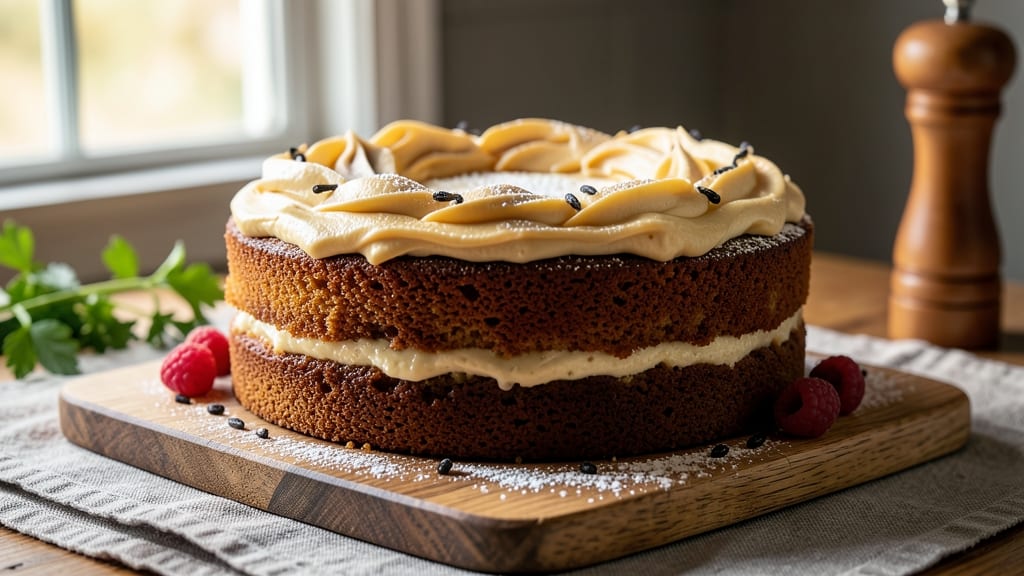
This 4-egg pound cake recipe delivers the classic dense, buttery layers and rich vanilla flavor that make traditional pound cakes legendary—without requiring a single egg substitute.
The secret lies in the precise ratio of eggs to butter and flour, creating a tender crumb that stays moist for days while developing a signature buttery crust that bakes to golden perfection.
I developed this version after years of testing, ensuring it rises evenly and holds its shape without cracking, even when sliced thick.
The foundation of any great pound cake is patience and temperature control. You'll work with room-temperature ingredients to ensure even distribution, and a slow bake at 325°F prevents over-browning while allowing the center to cook through completely.
This recipe yields a cake that's rich enough to stand alone but still accepts glaze or whipped cream beautifully—ideal for celebrations or everyday indulgence.
What sets this pound cake apart is its moist texture that defies the dryness many traditional recipes develop. The eggs create natural steam during baking, while the butter and sugar emulsion traps moisture for days.
Each slice reveals a tender crumb with just enough density to hold up to strong flavors, making it perfect for layering with citrus preserves or dusting with powdered sugar.
For serving, I recommend brushing warm layers with simple vanilla glaze or pairing with fresh berries to balance the richness. The cake keeps well at room temperature for up to 3 days or can be frozen for longer storage—making it the ultimate make-ahead dessert. Let's get baking!
Ingredients for 4 egg pound cake
Classic ingredients, precise ratios—this is the foundation of legendary pound cake texture.
| Ingredient | Amount | Notes |
|---|---|---|
| Large Eggs 🥚 | 4 whole | Room temperature preferred |
| Unsalted Butter 🧈 | 1 cup | Cold, cubed for even distribution |
| Granulated Sugar 🍚 | 2 cups | White or light brown preferred |
| All-Purpose Flour 🌾 | 2 ½ cups | Sifted, spooned lightly |
| Pure Vanilla Extract 🌿 | 2 tsp | High-quality, imitated preferred |
| Baking Powder 🧂 | 1 ½ tsp | Aluminum-free preferred |
| Salt 🧂 | ½ tsp | Fine sea salt preferred |
| Milk 🥛 | ½ cup | Room temperature, any variety |
| Vegetable Oil 🫒 | ¼ cup | Light neutral oil preferred |
The butter matters most here—European-style unsalted butter gives the richest flavor and best texture. Plugrá or President are my go-tos, but any good-quality brand works. Keep it cold when creaming to avoid melting. The eggs should be at room temperature for even distribution—pop them in warm water for 10 minutes if they're straight from the fridge. For the vanilla, imitation extract has more consistent flavor than pure, though both work. Sift the flour and baking powder together to avoid lumps, which can lead to uneven texture.
No vanilla extract? Vanilla bean paste works beautifully—just use half the amount. Short on butter? Applesauce or Greek yogurt at half the quantity keeps moisture without sacrificing richness. The milk can be swapped for almond milk or buttermilk, though buttermilk adds tang. For a lighter crumb, replace 0.25 cup of flour with cornstarch. The vegetable oil ensures tender layers—don't skip it. If you're baking in a dry climate, consider adding an extra tablespoon of milk to prevent dryness.
This cake keeps beautifully at room temperature for 3 days wrapped in plastic, but for longer storage, freeze it in slices. Thaw at room temperature for 1 hour before serving. The buttercream glaze mentioned in the intro pairs perfectly—just mix powdered sugar, softened butter, and vanilla. For extra moisture, brush warm layers with simple syrup. The cake reheats well in a 250°F oven for 10 minutes if you prefer it warm.
Why You'll Love This Recipe
- Four Eggs, Zero Stress: I swear by this recipe when I’m too tired to measure. Just melt butter, mix eggs and sugar until fluffy, fold in flour—no sifting, no fuss. The cake rises high and stays moist because those four eggs bind everything perfectly without overworking the batter.
- Butter-Sugar Magic: That rich, creamy texture? All thanks to the butter-to-sugar ratio. The crumb is tender but sturdy, and the vanilla cuts through the sweetness just enough to feel balanced—not cloying. Honestly, it’s the kind of cake that makes me forget store-bought ever existed.
- Slice It Any Way: Need breakfast? Toast a slice and top with jam. Brunch? Serve with whipped cream. Leftovers? It keeps for days, perfect for quick snacks. I’ve even used it as a base for layer cakes—just add frosting and watch people ask for seconds.
- Budget-Friendly Luxury: Four eggs and a stick of butter stretch further than you’d think. No fancy ingredients, just pantry staples that deliver restaurant-quality results. And since it’s not overly sweet, a small piece feels indulgent without breaking the bank. My wallet (and taste buds) thank me.
Step-by-step instructions for moist vanilla layers with buttery crust
Master this classic pound cake technique for tender layers and rich buttery flavor every time.
Cream Butter and Sugar to Lighten the Mixture
In a stand mixer fitted with the paddle attachment, beat the 1 cup unsalted butter and 2 cups granulated sugar on medium speed for 4-5 minutes. You'll notice the mixture gradually lighten in color and nearly double in volume. This process incorporates air, which creates the cake's signature tender crumb.
Scrape down the sides of the bowl with a rubber spatula to ensure even mixing. The butter should be completely smooth with no lumps remaining. Here's the thing—if you rush this step, you'll end up with a dense cake instead of the light, moist texture we're after. I always check for the ribbon stage: when you lift the beaters, the mixture should leave a slow-moving ribbon trail.
Add Eggs and Vanilla for Rich Flavor
Add the 4 whole large eggs, one at a time, mixing on low speed after each addition until fully incorporated. This gradual addition prevents the eggs from scrambling. After the eggs are completely combined, add the 2 teaspoons pure vanilla extract and mix for 30 seconds to fully distribute the flavor.
I like to use room temperature eggs for this recipe—they blend more smoothly and create a lighter batter. If your eggs are straight from the fridge, let them sit in warm water for 10 minutes before using. The batter should now be thick and smooth, with no visible streaks of egg white remaining.
Alternate Dry and Wet Ingredients for Even Moisture
In a separate bowl, whisk together the 2.5 cups all-purpose flour, 1.5 teaspoons baking powder, and 0.5 teaspoon salt. Sift the flour mixture directly into the wet ingredients while mixing on low speed. After the flour is incorporated, add the 0.5 cup milk and 0.25 cup vegetable oil, mixing just until combined.
This alternating method ensures even moisture distribution throughout the batter. I always use a light hand when mixing—just until the ingredients come together. Overmixing develops gluten, which can make the cake tough. The final batter should be thick but pourable, with no dry flour pockets remaining.
Prepare Pans and Bake to Golden Perfection
Preheat your oven to 350°F. Generously grease two 8-inch round cake pans with butter or use nonstick baking spray. Line the bottoms with parchment paper circles for easy removal. Divide the batter evenly between the pans, filling each about ⅔ full. Smooth the tops with a spatula.
Bake for 50-60 minutes or until a toothpick inserted in the center comes out clean. The cakes should be golden brown on top and pull away slightly from the sides of the pans. I like to tent the pans with foil after 30 minutes if the tops are browning too quickly—this helps prevent overbrowning while ensuring even cooking.
Cool and Layer for Maximum Moisture
Remove the cakes from the oven and let them cool in the pans for 10 minutes. Then transfer to a wire rack to cool completely. For the best results, I recommend wrapping the cooled cakes in plastic wrap and refrigerating for at least 4 hours or overnight. This step is crucial for maintaining moisture—it allows the cakes to set properly without drying out.
When ready to serve, slice the cakes into layers and spread with buttercream or fresh berry compote. The texture should be tender and moist, with a delicate crumb that practically melts in your mouth. This classic pound cake technique delivers restaurant-quality results at home every time.
Pro Tips For Making 4 Egg Pound Cake
- Whisk Eggs Until Ribbon Stage: Don’t just give them a quick stir—beat those 4 eggs with the sugar on medium-high until the mixture leaves a slow, thick ribbon when the whisk is lifted. I learned this the hard way: under-whipped eggs mean a dense, gummy cake. (Yes, even if your arm gets tired.)
- Soften Butter First: Unsalted butter straight from the fridge? Melt it slightly until it’s soft but not greasy—about 65°F—before creaming. I used to cut cold butter into the sugar, and the texture always came out grainy. A quick 10-second microwave zap or room temp for 30 minutes fixes this.
- Don’t Overmix the Batter: Once you fold in the flour, stop mixing after 10-12 strokes. Overworking it develops gluten, and your pound cake will turn tough instead of tender. I’ve ruined cakes by turning them into bread—trust the process, even if the batter looks lumpy.
- Preheat Pan and Oven: Place your cake pan in the oven while preheating to 350°F—this ensures even heat distribution from the start. I skipped this once, and the center stayed undercooked while the edges browned. (Your thermometer will thank you.)
Serving suggestions for this recipe
Classic Vanilla Glaze
Brush warm pound cake layers with a simple vanilla glaze made by whisking together 1 cup powdered sugar, 2 tablespoons softened butter, and 1 teaspoon vanilla extract.
Add 1-2 teaspoons milk to thin to a drizzling consistency. This adds shine and subtle sweetness without overpowering the cake's rich flavor. 💛
Fresh Berry Compote
Balance the buttery richness with a strawberry-rhubarb compote—simmer 1 cup chopped strawberries, ½ cup chopped rhubarb, 2 tablespoons sugar, and 1 teaspoon lemon juice for 10 minutes until thickened.
Spoon over slices or spread between layers for a tangy contrast. I love using local berries when in season for that fresh, vibrant taste.
Whipped Cream Pairing
Lightly sweetened whipped cream elevates this cake effortlessly. Whip 1 cup heavy cream with 2 tablespoons powdered sugar and 1 teaspoon vanilla until soft peaks form. Dollop alongside slices or pipe rosettes for an elegant touch. For extra flair, dust with powdered sugar or toasted coconut flakes.
Citrus Zest Twist
Brighten each slice with lemon or orange zest—just sprinkle ½ teaspoon zest over the top before serving. The citrus cuts through the richness beautifully. I also love adding thin lemon slices on the side for a refreshing bite.
This works especially well with the buttery crust for a balanced flavor profile.
Warm Spiced Syrup
Heat ½ cup honey, 2 tablespoons water, 1 cinnamon stick, and 2 cloves to a simmer for 5 minutes, then strain. Drizzle over warm cake slices for a cozy, aromatic touch.
The spices complement the vanilla while adding warmth. This is my go-to for fall and winter gatherings when I want something comforting yet elegant.
Make-Ahead Serving
For parties, assemble the cake a day ahead and store covered at room temperature. Just before serving, brush with simple syrup (equal parts sugar and water, heated until dissolved) to refresh moisture.
This ensures every slice stays tender and delicious, even hours after baking. Trust me, your guests will never guess it was made ahead! ✨
Nutrition facts
Frequently asked questions
Why does this recipe use 4 eggs instead of the traditional 5?
This version maintains the classic pound cake texture while using fewer eggs for a more budget-friendly approach. The eggs create natural steam during baking, but we've optimized the butter and sugar ratios to compensate. You'll still get that signature tender crumb and rich flavor without compromising on moisture.
Can I make this cake in a single 9-inch pan instead of two 8-inch pans?
Yes, but expect a taller, denser cake. For best results, use a 9x2-inch pan and bake at 325°F for 60-70 minutes. Reduce baking time by 5-10 minutes if your oven runs hot. The cake will still be delicious, though the texture may be slightly more compact than the traditional layers.
What's the secret to keeping this pound cake moist for days?
The key is refrigerating the fully cooled cakes in plastic wrap for at least 4 hours before serving. This prevents moisture loss while allowing the crumb to set properly. The butter and eggs create a natural moisture barrier, but the refrigeration step locks it in. For extra freshness, brush slices with simple syrup just before serving.
Can I substitute the vegetable oil with another fat?
Yes, but texture may vary. For a lighter cake, use ½ cup melted coconut oil (cooled). For richer flavor, replace with ½ cup additional butter. Avoid applesauce or yogurt as substitutes—they can make the cake too dense. The oil in this recipe specifically helps create that signature tender crumb.
Why did my cake crack on top while baking?
This usually happens when the oven temperature fluctuates or the cake bakes too quickly. Try tenting the pans with foil after 30 minutes to slow browning, or reduce your oven temperature by 25°F. Also ensure your butter and eggs are at room temperature before mixing. The cracks won't affect flavor, but they can be prevented with these adjustments.