
Desserts
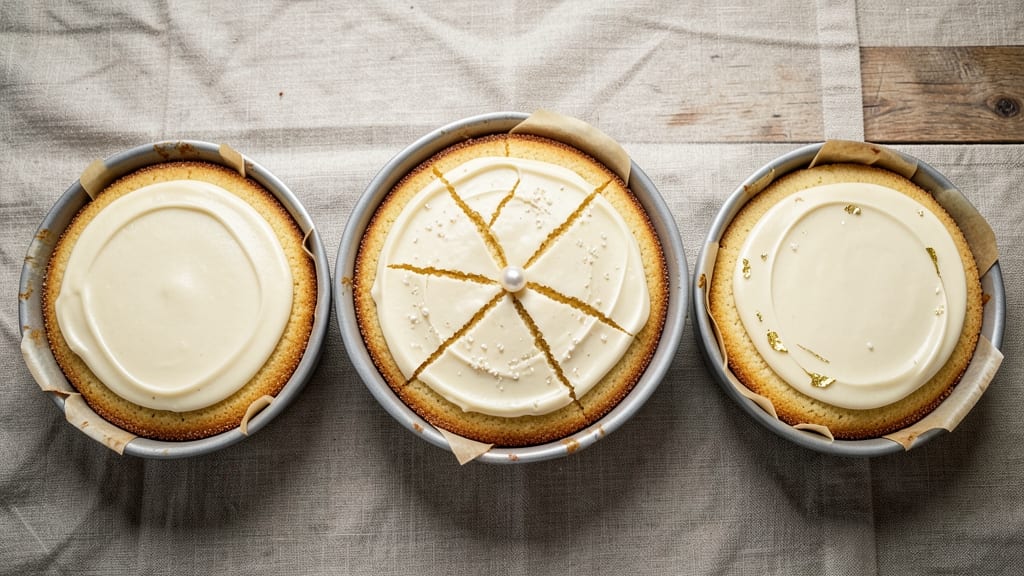
This 8-egg pound cake recipe delivers legendary moisture—no dry crumbs in sight. The secret lies in the perfect balance of eggs, butter, and sugar, creating layers that stay tender for days. I’ve baked this version countless times, and it never disappoints, whether served plain or with a citrus glaze.
What sets this recipe apart is the foolproof technique that ensures a fine crumb and even rise. High-quality butter and cake flour work together to create a texture that’s rich yet light, while the eggs bind everything for that signature pound cake density.
Baking at the right temperature prevents cracking while locking in moisture.
The result is a cake with ultra-moist layers that slice cleanly, perfect for birthdays, holidays, or anytime you crave a classic dessert. The flavor is subtly sweet, allowing it to pair beautifully with fresh berries, whipped cream, or a dusting of powdered sugar.
This is the kind of cake that earns second helpings.
For variations, try adding vanilla bean or cocoa powder for depth, or fold in lemon zest for a bright twist. The recipe scales easily, making it ideal for special occasions or everyday indulgence. Let’s get baking—your taste buds will thank you.
Ingredients for 8 egg pound cake
Twelve ingredients, twelve perfect slices—this is the pound cake that stays moist for days.
| Ingredient | Amount | Notes |
|---|---|---|
| Large Eggs 🥚 | 8 whole | Room temperature preferred |
| Unsalted Butter 🧈 | 2 cups | Cold, cubed for even baking |
| Granulated Sugar 🍚 | 2 ½ cups | Superfine preferred for fine crumb |
| All-Purpose Flour 🌾 | 2 ½ cups | Sifted for light texture |
| Cake Flour 🌾 | ½ cup | For ultra-tender crumb |
| Baking Powder 🧂 | 1 ½ tsp | Diamond Crystal preferred |
| Salt 🧂 | ½ tsp | Fine sea salt |
| Pure Vanilla Extract 🌿 | 1 tbsp | High-quality, no imitation |
| Whole Milk 🥛 | 1 cup | Room temperature |
| Lemon Zest 🍋 | 1 tbsp | Freshly grated |
| Powdered Sugar 🍚 | ½ cup | For optional glaze |
| Heavy Cream 🥛 | ½ cup | For optional glaze |
The butter and eggs are non-negotiable here. Plugrá or Land O'Lakes unsalted butter works best—avoid salted or margarine. Eggs should be large and room temperature for even mixing. King Arthur or Bob's Red Mill cake flour elevates the texture, but all-purpose flour in a pinch still delivers. Measure your flour by weight if possible—2.5 cups all-purpose is roughly 300g—for consistency. The baking powder must be fresh; if your stash is older than six months, toss it. For vanilla, McCormick or Nielsen-Massey brands deliver the most authentic flavor.
No cake flour? Replace with 0.5 cup all-purpose minus 2 tbsp for a similar texture. Short on butter? Coconut oil at 1:1 ratio works but alters flavor slightly. The lemon zest can be swapped for orange zest if you prefer. For a richer cake, add 1 oz white chocolate chips to the batter. If you're baking in a high-altitude area, reduce the baking powder by 0.25 tsp. The powdered sugar glaze is optional but recommended—it adds that restaurant-quality finish without overpowering the delicate flavor.
Store the cake in an airtight container at room temperature for up to 5 days. For longer storage, wrap tightly in plastic and refrigerate for 2 weeks. Freeze for 3 months by wrapping each slice individually. The glaze, if made, should be applied fresh or stored separately. To reheat, cover with a damp towel and microwave for 10-15 seconds—this restores moisture without drying out the crumb. Slice with a serrated knife for clean cuts, and always let the cake cool completely before serving.
Why You'll Love This Recipe
- No Mixer Needed: I swear by this recipe when my stand mixer’s out of commission. Creaming eight eggs and butter by hand feels like a workout, but the result—light, tender layers—makes it worth every arm pump.
- Buttery Richness: That eight-egg base? It’s what turns this into something special. The butter and sugar blend so smoothly, the crumb stays moist for days, and every slice tastes like a hug from a bakery.
- Weeknight Hero: Slice it fresh for breakfast or pack it for lunch—it stays fresh for ages. Honestly, I’ve had it cold, toasted, or even in a sandwich, and it never lets me down.
- Budget-Friendly Luxury: Eight eggs might sound pricey, but the rest of the ingredients are simple and cheap. Between us, this cake feels like a splurge but costs less than half of what store-bought would.
Step-by-step instructions for ultra-moist pound cake
This method delivers perfectly moist layers every time—no dry crumbs in sight.
Prepare All Ingredients for Optimal Texture
Preheat your oven to 350°F and grease three 9-inch round cake pans with butter, then line the bottoms with parchment paper. This ensures easy release and even baking. Place the 8 whole Large Eggs and 1 cup Whole Milk in separate bowls and let them sit at room temperature for 30 minutes—this prevents temperature shock when mixing.
Sift together the 2.5 cups All-Purpose Flour and 0.5 cup Cake Flour in a medium bowl. Add the 1.5 tsp Baking Powder and 0.5 tsp Salt, then whisk gently to combine. The cake flour here makes all the difference—it creates that signature tender crumb. Set this mixture aside until needed.
Cream Butter and Sugar for Maximum Fluffiness
In a stand mixer fitted with the paddle attachment, beat the 2 cups Unsalted Butter (cold, cubed) and 2.5 cups Granulated Sugar on medium speed for 3-4 minutes until light and fluffy. You're looking for a pale, creamy mixture that nearly doubles in volume—this incorporates air that will create those signature tender layers. Scrape down the sides of the bowl with a spatula to ensure even mixing.
Here's the thing—don't rush this step. The butter needs to emulsify completely with the sugar to create a stable base. If you skip this, your cake will be dense rather than light. I press down on the mixture with a spatula occasionally to check for smoothness—it should feel like thick pudding.
Add Eggs and Milk for Ultra-Moist Structure
Add the 8 whole Large Eggs to the butter-sugar mixture one at a time, mixing on low speed after each addition until fully incorporated. This gradual addition prevents the eggs from scrambling. After all eggs are added, mix in the 1 cup Whole Milk and 1 tbsp Pure Vanilla Extract until smooth. The mixture should be thick but pourable—like heavy batter.
Now fold in the sifted dry ingredients in two additions, mixing on low speed just until combined. Overmixing develops gluten, which leads to tough cake. Stop mixing as soon as you see no more flour streaks. The batter should be thick and glossy—this ensures maximum moisture retention during baking.
Layer and Bake for Even Rising
Divide the batter evenly among the three prepared pans. Tap each pan gently on the counter to remove any air bubbles. Bake for 25-30 minutes until a toothpick inserted in the center comes out clean. The cakes should spring back when pressed gently in the center—this is your indicator of perfect doneness.
Don't open the oven door during baking—this causes the cakes to sink. If the tops brown too quickly, loosely tent with aluminum foil after 15 minutes to prevent over-browning while maintaining even cooking. The internal temperature should reach 205-210°F for that perfect moist texture.
Cool and Glaze for Professional Finish
Remove the cakes from the oven and let them cool in their pans for 10 minutes, then transfer to a wire rack to cool completely. This gradual cooling prevents cracking. While the cakes cool, prepare the optional glaze by whisking together the 0.5 cup Powdered Sugar and 0.5 cup Heavy Cream until smooth. The glaze should be thick enough to coat the back of a spoon.
Once completely cool, place one cake layer on a serving plate. Drizzle with about 2 tablespoons of the glaze and repeat with the remaining layers. This glaze adds moisture and a beautiful finish. Store any leftovers covered at room temperature for up to 3 days—they'll stay moist and delicious.
Pro Tips For Making 8 Egg Pound Cake
- Whisk Eggs Until Cold: I learned this the hard way—whipping those 8 eggs at room temperature will give you a denser cake. Pop them in the fridge for 10 minutes first, then whisk until the ribbons hold for 3 seconds. Cold eggs emulsify better with butter, and that’s what keeps your pound cake light.
- Melt Butter Slowly: Don’t nuke that butter in the microwave—it burns before it melts. Use a double boiler or melt it in the oven at 200°F (93°C) until just liquid. Overheated butter adds a weird, off flavor to the cake, and you’ll taste the difference.
- Sift Flours Together: Mixing cake flour and all-purpose flour straight from the bag? You’re asking for uneven texture. Sift them together first—this aerates the dry ingredients and cuts down on lumps. Trust me, your cake will rise more evenly.
- Test Doneness Early: That toothpick check? Do it at 325°F (163°C) instead of waiting for the full 45-60 minutes. If it comes out clean, pull it immediately—overbaking turns pound cake dry. (Yes, even if it looks underdone.)
Common mistakes when making this recipe
Overmixing the Batter
This is the #1 reason pound cakes turn out dense instead of tender. Once you add the dry ingredients, mix just until combined—no more than 20-30 seconds on low speed. I've seen home bakers overmix for full minutes, developing gluten that makes the cake tough.
Stop when you see no more flour streaks. For extra insurance, use a spatula to gently fold the last 10% of flour by hand. 💡
Skipping Room-Temp Ingredients
Cold eggs and butter create pockets of steam in the oven, leading to uneven rising and potential cracking. Let your 8 eggs and 1 cup milk sit at room temperature for 30 minutes before mixing.
I learned this the hard way—my first pound cake had a sunken center because I used straight-from-the-fridge eggs. The butter should be cold but pliable when creamed, not melted. Use a thermometer if unsure: eggs should be 70°F, butter 65°F.
Incorrect Baking Temperature
Baking at 350°F is crucial—any lower (325°F) and the cake won't set properly, resulting in a gummy center. Too high (375°F) causes over-browning before the center cooks. I recommend using an oven thermometer to verify your oven's accuracy (most run 25°F hotter than set).
Place a water bath under the pans if your kitchen runs hot to prevent cracking. The cake is done when internal temp hits 205-210°F and a toothpick comes out clean. ⏰
Opening the Oven Door Early
Every time you open that oven door during baking, you create a temperature shock that causes the cakes to sink. Resist the urge to peek! If the tops brown too quickly after 15 minutes, loosely tent with aluminum foil instead.
I've had cakes lose 1 inch of rise from premature oven checks. Let the cakes bake undisturbed until they spring back when pressed gently. The 25-30 minute bake time is non-negotiable for this recipe. 🚫
Using Old Baking Powder
Baking powder loses potency over time—after 6 months, it's only 50% effective. That means your cake won't rise properly, resulting in dense layers. Always check the expiration date on your Diamond Crystal baking powder. If it's older than 3 months, replace it.
For this recipe, 1.5 tsp is critical—don't substitute with baking soda (which requires an acid like buttermilk). I keep my baking powder in the freezer to extend its shelf life. 🧂
Uneven Batter Distribution
Divide the batter exactly equally among your three pans—even a 1-ounce difference can cause one cake to rise higher than the others. Use a kitchen scale for precision (each pan should get ~2 cups of batter).
Tap each pan 5 times on the counter after filling to remove air bubbles. Uneven distribution leads to inconsistent texture and height. I weigh my pans before and after filling to guarantee balance. 🎯
Nutrition facts
Frequently asked questions
Why does this recipe use 8 eggs instead of the traditional 4?
The extra eggs create a denser, ultra-moist crumb that stays tender for days. They also help emulsify the butter and sugar better, resulting in that signature pound cake texture. This version delivers the classic richness without being overly heavy.
Can I make this cake in a single 9x13-inch pan instead of three round pans?
Yes, but expect a different texture. Reduce baking time to 35-40 minutes at 325°F and cover loosely with foil after 25 minutes to prevent over-browning. The cake will be more like a sheet cake rather than traditional layers. For best results, stick with the round pans.
How do I prevent cracking on the top of the cake?
Cracking usually happens from sudden temperature changes. Bake at 350°F and avoid opening the oven door during the first 20 minutes. If your kitchen runs hot, place the pans on a water bath (fill a baking sheet with hot water and set pans on top). Also ensure your butter is cold but pliable when creaming.
What's the best way to store leftovers?
Wrap the cake tightly in plastic wrap and store at room temperature for up to 5 days. For longer storage, refrigerate for 2 weeks or freeze for 3 months. To reheat, cover with a damp towel and microwave for 10-15 seconds—this restores moisture without drying out the crumb.
Can I substitute cake flour with all-purpose flour?
Yes, but remove 2 tablespoons from the 2.5 cups all-purpose flour to compensate for the difference in protein content. The cake will still be delicious, though slightly less tender. For best results, use the exact amounts specified in the recipe for that signature pound cake texture.