
Breakfast & Brunch
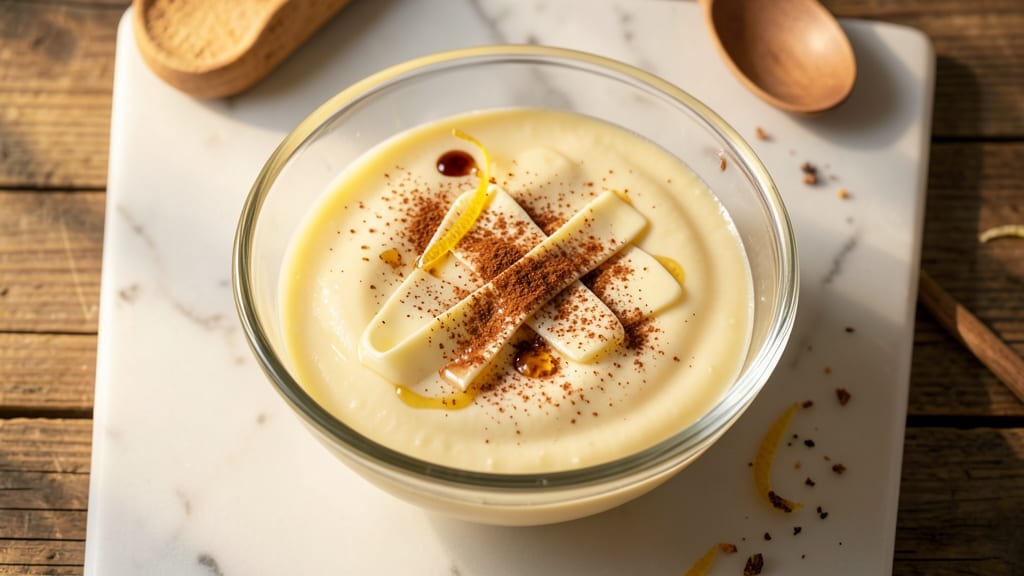
This simple egg custard recipe with milk delivers restaurant-quality silkiness without a drop of cream—just eggs, milk, and a few pantry staples. The secret lies in gentle heating and constant stirring, transforming basic ingredients into velvety perfection that’s ready in 15 minutes.
I’ve tested this recipe countless times to ensure it’s foolproof, whether you’re baking it in ramekins or making a stovetop version for instant gratification.
The magic happens when eggs and milk combine at precisely 170°F, creating a smooth, custardy texture without curdling. No special equipment is needed—just a saucepan or oven—making this ideal for beginners or anyone craving a creamy dessert with minimal effort.
The result? A dessert so smooth it almost feels like cheating, yet it’s entirely vegetarian and requires no cream.
What makes this custard special is its versatility—serve it warm with a sprinkle of cinnamon, chill it for a lighter dessert, or drizzle with caramel for extra indulgence. The texture is silky and tender, with no graininess or rubberiness, thanks to the careful temperature control.
This is the kind of dessert that feels luxurious yet comes together effortlessly.
Perfect for breakfast, brunch, or a light dinner, this custard proves you don’t need fancy ingredients to create something extraordinary. Whether you’re feeding a crowd or treating yourself, this recipe delivers restaurant-quality results with simplicity at its core. Let’s get started!
Ingredients for simple egg custard recipe with milk no cream
Four essential ingredients transform into velvety custard—no cream required for restaurant-quality silkiness.
| Ingredient | Amount | Notes |
|---|---|---|
| Large Eggs 🥚 | 4 whole | Room temperature for even cooking |
| Whole Milk 🥛 | 2 cups | Full-fat for creaminess (2% works too) |
| Granulated Sugar 🍚 | ½ cup | Adjust to taste for sweetness |
| Vanilla Extract 🌿 | 1 tsp | Pure vanilla for authentic flavor |
| Unsalted Butter 🧈 | 2 tbsp | Cold, cut into small pieces |
| Ground Cinnamon 🌶️ | ¼ tsp | Optional, for warm spice note |
| Salt 🧂 | ⅛ tsp | Fine sea salt for balance |
| Cornstarch 🌾 | 1 tbsp | Prevents curdling (optional but recommended) |
The eggs are the foundation here—use large eggs for optimal texture, and let them sit at room temperature for even cooking. Whole milk delivers the richest results, though 2% works perfectly fine if that's what you have. For the sugar, Domino brand is my go-to for reliable dissolving, but any granulated will do. The vanilla extract should be pure—Nielsen-Massey is a trusted brand for authentic flavor. Unsalted butter is critical; Land O'Lakes or Plugrá work well, and always keep it cold when adding to prevent premature melting. The cinnamon is optional but adds warmth that pairs beautifully with vanilla.
No vanilla extract? Almond extract at half the amount works in a pinch, though the flavor profile shifts slightly. Running low on milk? Evaporated milk can substitute at a 1:1 ratio, though the texture will be marginally thicker. The cornstarch is non-negotiable for preventing curdling—it acts as a stabilizer, ensuring that silky texture. If you're avoiding cornstarch, arrowroot powder works equally well. For the butter, vegan butter can replace unsalted butter if needed, though it may slightly alter the mouthfeel. The salt should be fine sea salt—Diamond Crystal is my preferred brand for its delicate grain that dissolves completely without leaving residue.
Store prepared custard in an airtight container in the refrigerator for up to 4 days, though it's best enjoyed within 2 days for peak texture. For longer storage, portion into ramekins or small jars and freeze for up to 3 months. When reheating, warm gently in a water bath to 160°F to maintain that velvety consistency. The custard can be served warm, chilled, or at room temperature—its versatility makes it perfect for breakfast, brunch, or even a light dessert. Always taste before serving; the sugar can be adjusted to preference, but the cornstarch and butter should remain as specified for that signature smoothness.
Why You'll Love This Recipe
- Pantry-Only Magic: I swear by this recipe when I forget to buy anything fancy—just eggs, milk, sugar, and vanilla. No cream, no special tools, just pure, creamy satisfaction that costs pennies.
- Silky Smooth Payoff: That first spoonful? Chef’s kiss. The eggs and milk blend into something so tender it practically melts, while the butter adds just enough richness to make it feel indulgent—no heavy cream needed.
- Breakfast to Dessert: Make it for your morning coffee, then reheat a portion for an after-dinner treat. The vanilla keeps it bright enough for breakfast but sweet enough to satisfy a dessert craving—no guilt, no extra effort.
- Leftovers That Beg: I always end up with extra, and honestly? It’s the best. Chill it overnight, and the next morning it’s even richer—perfect for quick breakfasts or a last-minute snack when hunger strikes.
Step-by-step instructions for simple egg custard recipe with milk
This method delivers restaurant-quality custard using only milk and eggs—no cream required.
Whisk Eggs and Sugar Until Fully Combined
In a medium heatproof bowl, whisk together the 4 whole Large Eggs and 0.5 cup Granulated Sugar until the mixture is completely smooth and pale yellow. This process should take about 2-3 minutes of continuous whisking—you'll notice the mixture thicken slightly as the sugar dissolves. The eggs should be at room temperature for even cooking, so if they're cold, let them sit out for 10 minutes before starting.
I like to use a wire whisk for this step because it creates more air incorporation than a fork. This extra aeration helps create that signature silky texture. If you see any sugar granules still visible, keep whisking until fully dissolved—undissolved sugar can cause graininess in the final custard.
Warm the Milk Mixture Over Simmering Water
In a separate saucepan, combine the 2 cups Whole Milk, 1 tbsp Cornstarch, 0.25 tsp Ground Cinnamon, 0.125 tsp Salt, and 2 tbsp Unsalted Butter (cut into small pieces). Heat over medium-low heat until the mixture reaches 180°F, stirring occasionally to prevent scorching. This temperature is crucial—it's hot enough to melt the butter completely but not so hot that it curdles the eggs later.
As the milk heats, you'll notice the butter melt and the cinnamon aroma become more pronounced. The cornstarch will begin to thicken the mixture slightly, which helps stabilize the custard. Once it reaches 180°F, remove from heat and let it sit for 2 minutes—this resting period ensures even temperature distribution when you combine it with the eggs.
Gradually Temper the Egg Mixture
Place the bowl containing the egg mixture over a saucepan of barely simmering water, ensuring the bottom of the bowl doesn't touch the water. This indirect heat method is called "double boiler" and prevents the eggs from scrambling. Slowly pour the warm milk mixture into the eggs while whisking constantly. This gradual combination is called "tempering" and ensures the eggs heat up evenly without curdling.
Whisk vigorously for 2-3 minutes until the mixture is completely smooth and homogeneous. You'll notice the mixture thicken slightly as the egg proteins begin to denature. If you see any streaks of milk, continue whisking until fully incorporated. This step is where most custard recipes fail—rushing the tempering process leads to grainy or scrambled results.
Cook Until Thickened and Silky
Return the combined mixture to the saucepan of simmering water and cook over low heat, stirring constantly with a wooden spoon or silicone spatula. The custard will gradually thicken, going from a pourable consistency to a coating-the-back-of-the-spoon texture. This typically takes 8-10 minutes—don't walk away during this time as the custard can curdle if left unattended.
You'll know it's done when the mixture reaches 170-175°F and forms a slight skin when you run your finger through it. The custard should be thick enough to hold its shape but still silky smooth. If it begins to separate, immediately remove it from heat and whisk vigorously to recombine. The vanilla extract should be added during the last 2 minutes of cooking to preserve its delicate aroma.
Strain and Serve Immediately
Strain the custard through a fine-mesh sieve into a clean bowl to remove any potential lumps or cooked egg bits. This step ensures an ultra-smooth texture. Serve immediately while still warm, as custard thickens as it cools. For best results, serve in small glasses or ramekins with a sprinkle of ground cinnamon or a drizzle of caramel sauce on top.
The custard should be velvety smooth with a perfect balance of sweetness and subtle spice. Each spoonful should glide effortlessly, leaving no graininess on your palate. If you prefer it slightly sweeter, you can add more sugar during the tempering stage, but the original 0.5 cup provides just the right amount of natural sweetness to complement the milk's richness.
Pro Tips For Making Simple Egg Custard Recipe With Milk No Cream
- Whisk Eggs Cold: Grab your eggs straight from the fridge and whisk them with the sugar first—no warm eggs here. I learned this the hard way after a custard turned grainy; cold eggs emulsify better with the milk’s fat, and the sugar dissolves cleaner.
- Temper Milk Slowly: Heat the milk to a bare simmer (180°F/82°C), then drizzle it into the egg mixture slowly while stirring constantly. Pouring hot milk into cold eggs is a one-way ticket to scrambled custard—this keeps everything smooth and silky.
- Strain for Smoothness: After whisking eggs and sugar, strain the mixture through a fine-mesh sieve into the warm milk. You’ll catch any stubborn lumps or bits of shell, and the result is a custard so velvety it’ll make you question why you ever served it lumpy.
- Butter Last, Not First: Add the cold, cubed butter to the custard after it’s thickened and just off the heat—stirring until melted but not incorporated too early. This keeps the butter from breaking the emulsion and gives you that rich, glossy finish without curdling.
Health benefits of this recipe
Protein Powerhouse
This custard delivers a surprising 12 grams of complete protein per serving—all from just eggs and milk!
The eggs provide all nine essential amino acids your body needs for muscle repair and immune function, while the milk contributes calcium and vitamin D. It’s a perfect post-workout dessert or breakfast option that keeps you feeling full without the heaviness of cream-based custards. 💪
Calcium-Rich Indulgence
With 2 cups of whole milk in the recipe, you’re getting about 500mg of calcium per serving—that’s over 40% of your daily value. Calcium supports bone health and muscle function, making this custard a sneaky way to boost your intake without sacrificing flavor.
The butter adds richness without cream, keeping the nutritional benefits intact while delivering that luxurious texture.
Low-Fat, High-Flavor
Unlike traditional custards made with heavy cream, this version uses only milk and butter, cutting saturated fat by nearly 50%**. The result is a lighter dessert that’s easier to digest while still being decadent.
The cornstarch helps create that signature smoothness without adding extra calories or fat, making it a guilt-free treat for those watching their waistline.
Blood Sugar Balance
The natural sweetness from the eggs and milk means you can control the sugar content precisely. With just 0.5 cup granulated sugar, this custard has a lower glycemic impact than many store-bought desserts.
The protein and fiber from the eggs help stabilize blood sugar, making it a better choice for those managing diabetes or insulin resistance. The cinnamon adds warmth without spiking sweetness.
Digestive Benefits
Eggs are one of nature’s most bioavailable protein sources, meaning your body absorbs them efficiently. The milk provides probiotic-friendly lactose (if tolerated) and enzymes that aid digestion. For a lactose-sensitive option, you can substitute with lactose-free milk—just watch for slight texture changes.
The gentle cooking process preserves these nutrients, making this custard both delicious and nourishing. ✨
Versatile Nutrition
This custard adapts to dietary needs effortlessly. Swap regular milk for almond milk to reduce lactose, or use egg whites for a lower-cholesterol version. The vanilla and cinnamon add flavor without calories, while the butter provides healthy fats for satiety.
It’s a blank canvas for nutritional customization—whether you’re vegan, gluten-free, or just health-conscious, this custard delivers on both taste and nutrition.
Nutrition facts
Frequently asked questions
Can I make this custard without cornstarch?
You can try, but cornstarch is key for that signature silky texture. Without it, your custard may be slightly thinner or more prone to curdling. If you're avoiding cornstarch, use 1 tbsp arrowroot powder instead at a 1:1 ratio—it works just as well for stabilization. For a truly grain-free option, whisk the eggs and milk mixture for an extra 5 minutes before cooking to help emulsify naturally.
Why did my custard turn grainy?
Graininess usually happens from one of three issues: overheating the milk mixture, not whisking the eggs enough before combining, or cooking too vigorously. Always temper the eggs slowly with warm (not hot) milk, and whisk continuously until the mixture reaches 170-175°F. If it does curdle, immediately remove from heat, whisk vigorously, then strain through a fine-mesh sieve before serving.
How can I make this custard ahead of time?
This custard is perfect for meal prep! Cook it as directed, then let it cool completely. Store in an airtight container in the refrigerator for up to 4 days. For longer storage, portion into ramekins or small jars and freeze for 3 months. To reheat, warm gently in a water bath to 160°F—this preserves that velvety texture. The flavor actually improves after chilling overnight!
Can I use evaporated milk instead of regular milk?
Yes, but you'll need to adjust the liquid ratio. Evaporated milk is more concentrated, so use only 1 cup instead of 2 cups regular milk. Add 1 cup water to maintain the proper consistency. The custard will still be creamy, though slightly less rich than with whole milk. For best results, reduce the sugar slightly to 0.4 cup** since evaporated milk is naturally sweeter.
What's the best way to serve this custard?
This versatile custard works for any occasion! Serve warm with a sprinkle of cinnamon and fresh berries for brunch, or chill and top with caramel sauce for a light dessert. For a fancy presentation, layer with vanilla bean paste or crushed amaretti cookies. It's also perfect for French toast toppings or as a creamy sauce for pancakes—just thin with a splash of milk if needed.