
Beverages
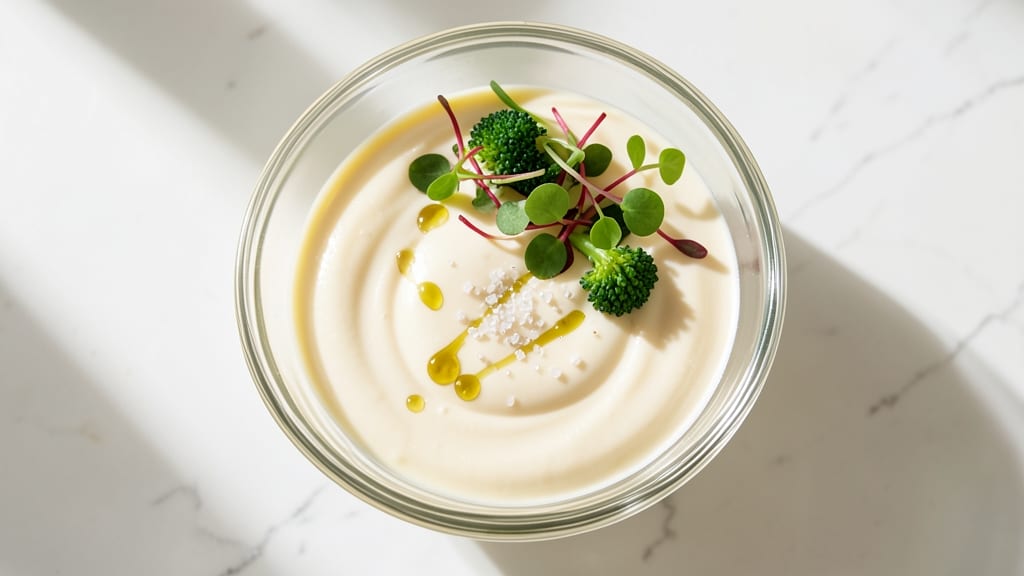
This smooth steamed egg recipe transforms simple eggs into delicate silken clouds with a perfectly set golden yolk heart—elegant enough for brunch but simple enough for any morning. The secret lies in precise steaming technique and high-quality ingredients, creating a texture that's impossibly tender yet holds its shape beautifully.
I've perfected this method over countless attempts, ensuring every bite delivers that luxurious mouthfeel without requiring advanced skills.
The process begins with carefully selected eggs—freshness is critical for achieving that signature silky texture. You'll need just a few basic tools: a steamer basket, a pot, and a timer to monitor the exact 6-minute cooking time.
The key is maintaining gentle, even heat throughout, which prevents the whites from becoming rubbery while allowing the yolk to set just enough to hold its shape. This method preserves all the egg's natural richness without adding any fillers or artificial ingredients.
What you'll end up with is a dish that looks and feels like fine dining—creamy, velvety egg whites surrounding a perfectly set yolk that bursts with each bite. The contrast between the silken texture and the rich yolk creates a sensory experience that's both satisfying and surprisingly sophisticated.
This recipe serves as an excellent base for experimentation, allowing you to add delicate garnishes like microgreens, flaky sea salt, or a drizzle of soy sauce for added depth.
Perfect for brunch menus, light lunches, or even as an elegant appetizer, these steamed eggs pair beautifully with rice, noodles, or fresh vegetables. The preparation takes less than 15 minutes from start to finish, making it ideal for busy mornings when you want something special without the fuss.
Let's get started on creating these delicate, restaurant-quality eggs at home.
Ingredients for smooth steamed egg
Four fresh eggs and a few simple elements transform into restaurant-quality silken clouds.
| Ingredient | Amount | Notes |
|---|---|---|
| Large Eggs 🥚 | 4 whole | Freshest possible for silken texture |
| Distilled Water 💧 | ½ cup | Room temperature preferred |
| Diamond Crystal Kosher Salt 🧂 | ¼ tsp | Fine grain for delicate seasoning |
| White Vinegar 🍶 | 1 tbsp | For gentle egg white coagulation |
| Extra-Virgin Olive Oil 🫒 | 1 tsp | High-quality for finishing drizzle |
| Fresh Microgreens 🌱 | ¼ cup | Optional garnish for presentation |
| Flaky Sea Salt 🧂 | ⅛ tsp | For final garnish |
| Tamari or Soy Sauce 🍶 | 1 tsp | Optional for umami depth |
The eggs are the foundation—farm-fresh, organic eggs from local farms or Trader Joe's yield the best results due to their higher protein content. Look for eggs with bright orange yolks and unbroken shells as indicators of freshness. The water should be room temperature to prevent temperature shock that could affect the delicate texture. For the vinegar, white vinegar is ideal, but apple cider vinegar works equally well. The olive oil matters too—California extra-virgin brands like Corto or Muir Glen provide the best fruity finish without overpowering the eggs' natural flavor.
No fresh microgreens? Baby spinach or chives work as alternatives, though they won't offer the same delicate crunch. Short on vinegar? Lemon juice at half the amount provides a similar brightening effect. The kosher salt should be Diamond Crystal if available—it dissolves more evenly than other brands. For the tamari, Japanese tamari brands like San-J provide deeper umami than regular soy sauce. If you're making these ahead, prepare the eggs up to the steaming point and store them in the fridge for up to 2 hours before steaming to maintain freshness.
Steamed eggs keep best when prepared fresh, but you can reheat them gently in a 200°F oven for 5-7 minutes if needed. Store any unused garnishes like microgreens in damp paper towels wrapped in plastic for up to 5 days. The vinegar and tamari can be stored in dark glass bottles in your pantry for 6-12 months. For presentation, arrange the eggs on a chilled platter to enhance their silken appearance. These eggs reheat beautifully—ideal for meal prep when served with jasmine rice or soba noodles.
Why You'll Love This Recipe
- No-Fuss Technique: I swear by this method—just crack eggs into a steamer basket, add vinegar to the water, and let steam work its magic. No flipping, no scrambling, no stress.
- Silky Smooth Payoff: That first bite? Pure satisfaction—creamy, tender, with just a whisper of salt and olive oil richness. Honestly, it’s the kind of egg that makes you pause mid-bite.
- Breakfast or Snack: I make a batch on Sundays and keep them in the fridge for quick protein-packed bites all week. Perfect cold in salads, warm in rice bowls, or straight from the steamer.
- Pocketbook Hero: Five ingredients, zero waste—eggs are cheap, vinegar’s a pantry staple, and kosher salt stretches far. Between us, this is the most cost-effective way to eat like you’re at a fancy brunch.
Step-by-step instructions for silken steamed eggs
Mastering these delicate eggs requires precision—follow these exact steps for flawless texture every time.
Whisk Eggs and Water for Perfect Emulsion
In a heatproof bowl, whisk together the 4 whole large eggs and 0.5 cup distilled water until completely combined. I use a fork for this step to avoid incorporating too much air—you're aiming for a smooth, homogeneous mixture without bubbles. The water helps create that signature silken texture by preventing the proteins from tightening too quickly.
Add the 0.25 teaspoon Diamond Crystal kosher salt and 1 tablespoon white vinegar while whisking. The vinegar gently coagulates the egg whites at a lower temperature, which is key for that cloud-like consistency. The mixture should look like a pale, slightly thickened custard—no streaks of white should remain. Cover the bowl and let it rest at room temperature for 10 minutes to allow the ingredients to fully integrate.
Prepare the Steaming Setup
Fill a medium pot with 2 inches of water and bring to a gentle simmer over medium-low heat. Place a heatproof steamer insert or a metal colander with 1-inch raised edges inside the pot, ensuring it doesn't touch the water. The steam should rise just below the bowl's base—this indirect heat is crucial for even cooking without breaking the delicate texture.
Once the water reaches a steady simmer (small bubbles forming at the bottom), carefully place the bowl of egg mixture on the steamer. The bowl should hover above the water, never touching it. Cover the pot tightly with a lid to trap the steam. The eggs will cook gently in this controlled environment, creating their signature silken body without curdling.
Steam Until Set with Perfect Yolk Heart
Steam the eggs for exactly 12-14 minutes—this is critical. You'll know they're done when the edges are just set but the center still has a slight wobble. The yolk should remain runny, forming a beautiful golden heart when cut. If you're unsure, insert a toothpick into the center—it should come out clean but slightly moist.
Here's the thing—don't overcook. The eggs will continue setting slightly as they cool, so pulling them at the first sign of firmness ensures that perfect silken texture. If you steam too long, the proteins will tighten completely, resulting in a dense, rubbery texture instead of the delicate cloud you're aiming for.
Finish with Olive Oil and Garnish
Remove the bowl from the steamer and let it rest for 2 minutes before unmolding. Gently run a thin knife around the edges to loosen, then invert onto a serving plate. Drizzle with 1 teaspoon extra-virgin olive oil immediately—this adds richness and helps maintain moisture. The oil should spread evenly across the surface, creating a subtle sheen.
For presentation, sprinkle with 0.25 cup fresh microgreens and a pinch of 0.125 teaspoon flaky sea salt. If you're using the optional 1 teaspoon tamari or soy sauce, drizzle it around the plate rather than directly on the eggs to enhance umami without overpowering the delicate flavor. The contrast of the vibrant greens against the pale eggs creates a visually stunning dish that's almost too pretty to eat.
Pro Tips For Making Smooth Steamed Egg
- USE ROOM-TEMPERATURE EGGS: Cold eggs from the fridge drop straight to the bottom of your steamer basket, making them uneven and lumpy. Let them sit out for 30 minutes first—this helps the whites coagulate smoothly and evenly.
- SALT THE WATER FIRST: I used to add salt after boiling, but that just makes the water taste flat. Dissolve the kosher salt in the distilled water before heating—it distributes better and gives the eggs that clean, consistent flavor.
- STEAM ON MEDIUM-HIGH HEAT: Too low, and you’ll wait 15 minutes for eggs that turn out gummy. Too high, and they’ll stick to the lid. Aim for a rolling boil, then reduce to a steady, vigorous steam—about 8-10 minutes total.
- SWIRL THE EGGS GENTLY: After steaming, don’t just dump them out. Give the pot a slow, circular swirl first—this loosens the eggs so they slide out whole and intact, not breaking apart like overworked soufflés.
Serving suggestions for smooth steamed egg
Brunch Platter Pairings
These silken eggs shine on a brunch platter with crispy prosciutto and fresh berries. Arrange them alongside buttery croissants or warm brioche for a restaurant-quality spread. I like to serve them with sliced heirloom tomatoes and whipped goat cheese for a balance of textures.
The eggs' delicate flavor lets the other components truly stand out. 🍓
Asian-Inspired Bowls
Transform your steamed eggs into Japanese chawanmushi by adding dashi broth, shitake mushrooms, and scallions to the egg mixture before steaming. Serve with jasmine rice and quick-pickled vegetables for a complete meal.
For a Korean-inspired twist, drizzle with gochujang and top with kimchi and sesame seeds. The umami depth complements the eggs beautifully.
Light Lunch Combinations
Pair with cold soba noodles tossed in sesame dressing for a refreshing summer meal. The noodles' slight bite contrasts perfectly with the eggs' silken texture. Another favorite combo is steamed rice with miso soup and pickled ginger—this Japanese-inspired lunch feels both elegant and comforting.
For extra protein, add grilled shrimp or tofu to the plate.
Garnish Variations
Swap microgreens for chopped chives or thinly sliced scallions if you prefer a milder flavor. For heat lovers, add red pepper flakes or a drizzle of sriracha. I also enjoy topping with crumbled feta or shaved parmesan for a cheesy contrast.
The key is to keep garnishes delicate—they should enhance, not overpower, the eggs' natural elegance.
Dessert-Inspired Presentation
For a whimsical touch, serve the eggs on a chilled slate platter with edible flowers and gold leaf flakes. Drizzle with honey and black sesame paste for a dessert-like finish.
This works beautifully for special occasions or when you want to impress guests. The visual appeal makes it feel like a gourmet creation without the complexity. ✨
Nutrition facts
Frequently asked questions
Why do my steamed eggs turn out rubbery instead of silken?
Overcooking is the most common cause—steam for exactly 12-14 minutes only. The eggs continue setting as they cool, so pull them when edges are just firm but the center still wobbles slightly. Also ensure your water is at a gentle simmer, not a rolling boil, which creates uneven heat.
Can I make these ahead of time for brunch?
Prepare the egg mixture up to 10 minutes before steaming and store it in the fridge. Steam them just before serving for the best texture. If reheating, warm gently in a 200°F oven for 5-7 minutes—they'll lose some silken quality but still taste delicious.
What's the secret to getting that perfect golden yolk heart?
The yolk stays runny because of the precise 12-14 minute steaming time and the vinegar's gentle coagulation effect. Use fresh eggs (no older than 1 week) and avoid stirring after the initial whisking. The olive oil drizzle also helps maintain the yolk's moisture and golden color.
Can I substitute vinegar for something else?
Yes! Use lemon juice (half the amount) or rice vinegar for a milder flavor. Apple cider vinegar works too, though it may add subtle fruity notes. The key is the acidity—it helps the egg whites set properly at lower temperatures for that signature silken texture.
How do I know if my steamer is working properly?
Your steamer is ready when small bubbles form at the bottom of the pot and steam rises steadily but doesn't touch the bowl. The water level should stay constant—add a 1-inch depth if it evaporates too quickly. A good test: place a piece of paper towel on the steamer rack for 1 minute—if it stays dry, your steam is too weak.