
Breakfast & Brunch
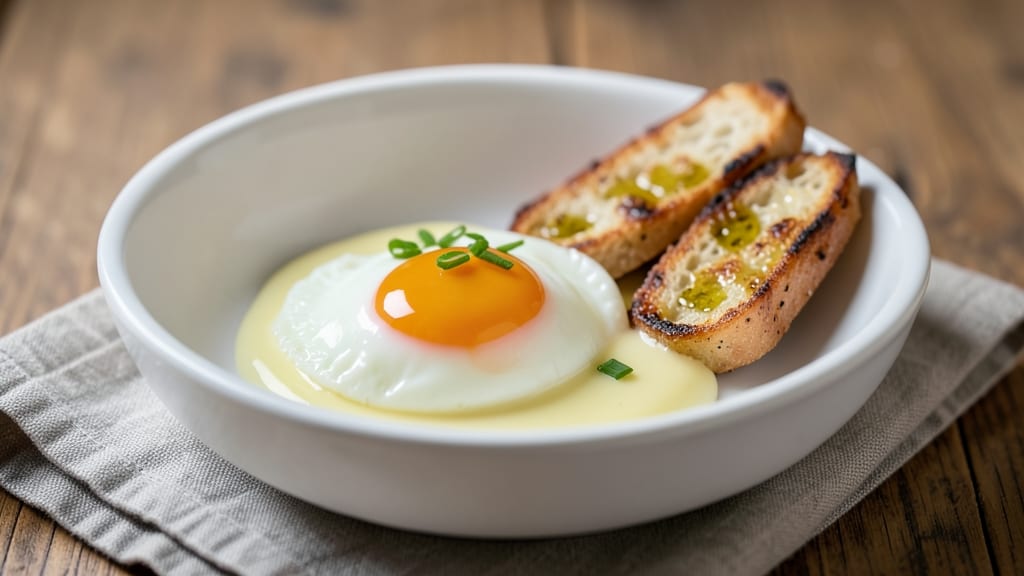
This soft poached egg recipe delivers the perfect balance of silky whites and a runny yolk that transforms any dish. The secret lies in precise water temperature and a simple vinegar trick that keeps the egg beautifully contained.
I've perfected this technique after years of trial and error—no more broken yolks or rubbery whites.
The magic happens in just 5 minutes, making it ideal for busy mornings or elegant plating. You'll need fresh eggs, a small saucepan, and a few basic ingredients to create restaurant-quality results at home.
The key is maintaining a gentle simmer and using white vinegar to help the egg hold its shape while cooking.
What you'll achieve is an egg with a delicate, cloud-like white that encases a vibrant, liquid center—ideal for avocado toast, ramen bowls, or salads. The technique is simple but requires attention to detail, particularly when it comes to water temperature and timing. Once mastered, you'll never buy store-bought again.
This method works equally well for breakfast, brunch, or even as a garnish for soups and noodle dishes. The possibilities are endless, and the results are always impressive. Let's get started on creating the perfect soft poached egg every time.
Ingredients for soft poached egg
Fresh eggs, precise timing, and a few simple tools transform ordinary eggs into restaurant-quality poached perfection.
| Ingredient | Amount | Notes |
|---|---|---|
| Large Eggs 🥚 | 4 whole | Freshly refrigerated, room temperature |
| White Vinegar 🍋 | 2 tbsp | For water acidity and shape |
| Water 💧 | 4 cups | Filtered preferred for clarity |
| Kosher Salt 🧂 | 1 tsp | Diamond Crystal preferred |
| Ice Cubes ❄️ | ½ cup | For rapid temperature control |
| Slotted Spoon 🍴 | 1 whole | For gentle egg removal |
| Small Saucepan 🍲 | 1 whole | 2-3 quart capacity preferred |
| Plate 🍽️ | 1 whole | Chilled for presentation |
| Butter 🧈 | 1 tbsp | Unsalted, for garnish |
| Freshly Ground Black Pepper 🌶️ | ¼ tsp | For finishing |
| Lemon Juice 🍋 | 1 tsp | Freshly squeezed, optional |
The eggs make all the difference here. Freshness is critical—look for eggs with bright whites and firm yolks, ideally from a local farm or organic section. Whole Foods or Trader Joe's often carry high-quality eggs that poach beautifully. Room temperature eggs poach more evenly, so take them out of the fridge about 15 minutes before starting. The vinegar isn't just for flavor; it helps the whites coagulate faster and hold their shape. White vinegar is ideal, but apple cider vinegar works too. Avoid balsamic or wine vinegars—they can overpower the delicate egg flavor.
No white vinegar? Lemon juice at double the amount gets you close, though the flavor won't be identical. Running out of ice? Cold water from the tap works in a pinch, but it won't chill the water as effectively. The salt isn't just for taste—it helps the water reach the perfect simmer temperature faster. If you don't have Diamond Crystal, Morton kosher salt is a fine substitute. For the saucepan, any small pot will work, but a 2-3 quart capacity gives you the right water-to-egg ratio. The slotted spoon is non-negotiable—it lets you remove the egg without disturbing the water's delicate simmer.
Keep your eggs refrigerated until use, but bring them to room temperature before poaching. The vinegar and salt can be mixed ahead, but add the ice cubes right before starting. Poached eggs hold for up to 3 days in the fridge if stored in a sealed container with a splash of water to keep them moist. For best results, poach and serve immediately. The butter and pepper are optional garnishes, but they elevate the presentation—especially when serving on avocado toast or ramen. If you're prepping for a crowd, poach in batches and keep the water at a gentle simmer between uses.
Why You'll Love This Recipe
- No-Fuss Technique: I’ll admit—poaching eggs used to stress me out. But this method? Just vinegar, water, and a gentle simmer. The ice bath at the end keeps them silky, no overcooking, no fuss. Honestly, it’s the only way I’ll ever make them again.
- Rich, Runny Magic: That bright yellow yolk? Still molten when you cut in. The vinegar keeps the whites compact, while the salt makes the water taste like nothing—just so the egg shines. It’s the kind of simple richness that makes breakfast feel like a treat, even at 7 AM.
- Breakfast or Bento Box: Slip these onto avocado toast for a lazy morning, or pack them in lunchboxes with rice and soy sauce. They’re sturdy enough to travel but still delicate enough to feel special. My college-aged kid snags them for dorm lunches—proof they work anywhere.
- Zero-Waste Luxury: Five ingredients, all pantry staples. The vinegar? I use the same bottle for pickling too. The eggs? Cheaper than takeout, and you’ll get twice as many as you’d think. Best of all, any leftovers? Just reheat in warm water—they’re still perfect the next day.
Step-by-step instructions for perfect soft poached eggs
Master this technique and you'll achieve silky, runny yolks every time—no special tools required.
Prepare the Poaching Water
Fill the small saucepan with the 4 cups water and add the 2 tbsp white vinegar and 1 tsp kosher salt. The vinegar lowers the water's pH, helping the egg whites coagulate more evenly and hold their shape. Place the pan over medium-high heat and bring to a gentle simmer—you're looking for small bubbles breaking the surface, not a rolling boil. This controlled simmer creates the perfect environment for delicate egg whites.
While the water heats, prepare the ice cubes by placing the 0.5 cup ice cubes in the plate. This chilled surface will help maintain the eggs' shape when you transfer them later. Keep the chilled plate nearby—you'll use it in the next step. The ice creates a thermal shock that helps set the egg whites more firmly once they're removed from the water.
Crack and Poach the Eggs
Carefully crack one of the 4 whole large eggs into your hand or a small bowl. The eggs should be at room temperature for best results—this prevents them from curdling too quickly in the hot water. Gently slide the egg into the simmering water. You'll notice the white immediately begins to set around the yolk, but the center should remain completely liquid. This is what we're aiming for: a perfectly runny yolk.
Let the egg poach for exactly 3 minutes. Use a timer—precision is key here. The egg should be fully set around the edges but still have that silky, liquid center. If you're making multiple eggs, space them out in the pan so they have room to circulate. Overcrowding can lead to uneven cooking. The water temperature should remain steady at around 160-170°F—this is crucial for achieving that perfect soft texture.
Remove and Serve Immediately
Using the slotted spoon, carefully lift the poached egg from the water and transfer it to the chilled plate. The ice cubes will help set the egg whites slightly more as they cool, giving them better structure. Work quickly but gently—egg whites are delicate at this stage. Let the egg sit on the plate for 10-15 seconds to firm up slightly before serving.
To finish, place the egg on your desired serving plate. Dot with the 1 tbsp butter and sprinkle with the 0.25 tsp freshly ground black pepper. For an extra brightness, add the 1 tsp lemon juice—this cuts through the richness of the yolk and adds a fresh dimension. Serve immediately while the yolk is still perfectly runny. The butter should melt slightly from the residual heat, creating a luxurious sauce that coats every bite.
Repeat for Remaining Eggs
Return the saucepan to medium-high heat and bring the water back to a simmer. Repeat the process with the remaining 3 whole large eggs, poaching each one for exactly 3 minutes. Maintain the same water temperature throughout—fluctuations can lead to inconsistent results. For best practice, poach one egg at a time to ensure even cooking.
As you work, keep the chilled plate ready with fresh ice cubes for each transfer. This maintains the proper texture for each egg. The ice helps create that beautiful, rounded shape that makes poached eggs look restaurant-worthy. Once all eggs are poached, serve them immediately with your choice of toast, avocado, or crispy bacon for a complete breakfast experience.
Pro Tips For Making Soft Poached Egg
- USE FRESH EGGS: Older eggs have tighter whites—they’ll fight you when trying to hold their shape. Grab eggs from the fridge no more than 2 weeks old, or crack them into ice water first to loosen the whites. (Yes, even if they’re not "fresh" by the store’s label.)
- SALT THE WATER LATE: Add kosher salt after the water boils and vinegar is in—otherwise, you’ll end up with a cloudy, gritty poach. A pinch (½ tsp) is enough; the vinegar does most of the work keeping whites tight.
- WATCH THE TIME: Three minutes max for runny yolks, four for jammy. Set a timer and peek at 2:45—if the white’s set but the yolk’s still wobbly, that’s your cue. Overcook, and you’re eating egg custard.
- ICE THE BATH FIRST: Fill your bowl with ice cubes before adding vinegar and water—it chills faster and tightens whites instantly. Skip this, and you’ll be fishing for broken yolks in lukewarm water. (Trust me, it’s a mess.)
Creative variations of this soft poached egg
Breakfast Upgrades
Elevate your morning routine by adding soft poached eggs to avocado toast—top with sliced radishes and everything bagel seasoning for a brunch-worthy dish. I love using sourdough bread toasted to crisp perfection, then spreading mashed avocado with a pinch of red pepper flakes.
The runny yolk ties everything together beautifully. 🥑
Ramen Garnish
Transform store-bought ramen into a gourmet meal by placing a soft poached egg directly on top of hot noodles. Drizzle with sesame oil, sprinkle toasted sesame seeds, and add scallions.
The egg's warmth blends into the broth, creating a silky, luxurious finish. For extra depth, add a splash of soy sauce and chili crisp.
Salad Topper
Brighten up a mixed greens salad with soft poached eggs for added protein. Toss the salad with cherry tomatoes, shaved fennel, and a lemon vinaigrette, then nestle the egg on top.
The contrast of warm egg and cool greens makes every bite exciting. I often add crispy prosciutto for a salty crunch. 🥗
Global Fusion Twist
Try a Mexican-inspired approach by serving poached eggs on corn tortillas with refried beans, sautéed peppers, and cotija cheese. The runny yolk becomes a creamy sauce when mixed with the salsa.
For a Japanese-inspired option, place the egg over steamed rice with furikake seasoning and pickled ginger.
Dessert Surprise
Yes, you read that right! A soft poached egg can be a sweet surprise when served in a vanilla custard or panna cotta. The warm yolk contrasts perfectly with the cool, creamy dessert.
I drizzle with honey and crushed pistachios for a sophisticated finish. This works especially well for special occasions or brunch menus. 🍯
Make-Ahead Hack
Prep ahead by poaching eggs and storing them in an airtight container covered with cold water. They'll keep for up to 3 days in the fridge. When ready to serve, gently reheat in simmering water for 30 seconds to restore the yolk's warmth.
This is perfect for busy mornings or when hosting guests. Just
Nutrition facts
Frequently asked questions
Why does my poached egg yolk turn rubbery?
Overcooking is the most common cause. The ideal poaching time is exactly 3 minutes for a runny yolk. Use a timer and maintain a gentle simmer (160-170°F)—never a rolling boil. Fresh eggs also help prevent rubbery yolks, as older eggs have more water content that turns gummy when heated.
Can I poach eggs without vinegar?
Yes, but the whites may spread more. Vinegar's acidity helps coagulate the whites faster for better shape. As a substitute, use 1 tsp lemon juice per egg, though the flavor won't be identical. For shape control, try adding 1 tbsp cornstarch to the water instead. The texture won't be as delicate, but it works in a pinch.
How do I fix an egg that broke while poaching?
Don't panic! Immediately remove the egg with a slotted spoon and place it in ice water for 10 seconds to set the whites. For presentation, arrange the broken pieces around a whole egg on a plate—it creates a rustic, elegant look. Alternatively, use the broken egg as a sauce by whisking with a splash of cream and serving over toast.
What's the best way to reheat poached eggs?
Gently reheat in simmering water for 30 seconds to restore warmth without cooking further. For microwave reheating, place the egg in a bowl with 1 tbsp water and cover with a damp paper towel—heat for 10 seconds at 50% power. Never microwave uncovered, as it can cause the egg to explode. The yolk should remain runny but slightly warmed through.
Can I poach eggs in an Instant Pot?
Yes, but with adjustments. Use the Sauté function on Low heat with 1 cup water and 1 tbsp vinegar. Poach for 2-2.5 minutes—the pressure cooker's heat works faster. For best results, place the egg in a steamer basket to prevent direct contact with the bottom. The texture will be slightly firmer than stovetop but still delicious.