
Beverages
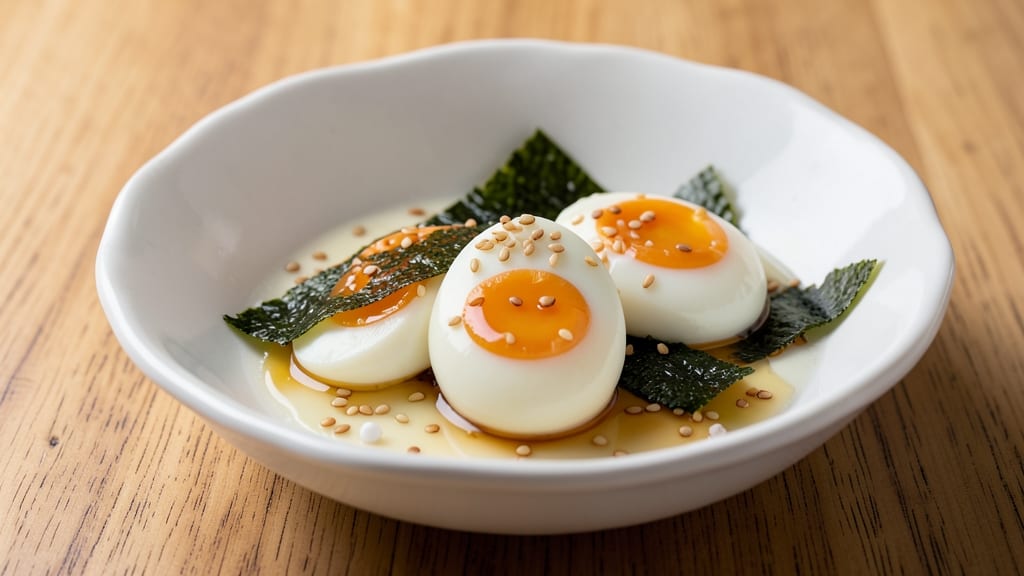
Mastering soft steamed eggs transforms breakfast into an art form—silky centers and perfectly set whites every time. The secret lies in precise water temperature and timing, ensuring no overcooked edges or rubbery yolks. This method delivers restaurant-quality results with just a few simple tools and ingredients.
Professional chefs rely on a controlled steaming environment to achieve that signature silky texture, and you can replicate it at home with minimal effort. A 3-6 minute steaming window creates runny yolks while maintaining firm whites, while optional seasonings like soy sauce or white pepper elevate the flavor profile.
The technique is foolproof once you understand the key variables.
What you'll achieve is a delicate, cloud-like egg with a vibrant yolk that glistens when plated. The gentle heat preserves the egg's natural richness, creating a dish that's both elegant and comforting. These eggs pair beautifully with steamed rice, congee, or fresh greens for a balanced meal.
Garnishing with green onions, sesame seeds, or a drizzle of chili oil adds visual appeal and extra layers of flavor. The plating is simple yet striking—perfect for breakfast, brunch, or even as a light dinner option. Let's perfect your steaming technique for consistently flawless results.
Ingredients for soft steamed eggs
Precision ingredients transform simple eggs into restaurant-quality steamed perfection every time.
| Ingredient | Amount | Notes |
|---|---|---|
| Large Eggs 🥚 | 4 whole | Room temperature for even cooking |
| Water 💧 | 4 cups | Filtered preferred for clarity |
| Diamond Crystal Kosher Salt 🧂 | ¼ tsp | For water, not eggs |
| White Peppercorns 🌶️ | ¼ tsp | Freshly cracked for subtle heat |
| Light Soy Sauce 🍶 | 1 tbsp | For seasoning, optional |
| Sesame Seeds 🌾 | 1 tsp | Toasted for garnish |
| Green Onions 🧅 | 2 whole | Thinly sliced for garnish |
| Chili Oil 🌶️ | 1 tbsp | For drizzling, optional |
| Steamer Basket 🍳 | 1 whole | Bamboo or metal preferred |
| Heatproof Bowl 🍽️ | 1 whole | Ramekin or small ceramic |
| Instant-Read Thermometer 🌡️ | 1 whole | For precise water temp |
The eggs are the foundation—fresh, room-temperature large eggs yield the silkiest texture. Kirkland Signature or local farm eggs from the grocery store's refrigerated section work best, but avoid eggs with cracks or cloudy yolks. The water temperature is critical: 195°F (90°C) is ideal, measured with an instant-read thermometer. Diamond Crystal kosher salt is preferred over table salt for even dissolution, and white peppercorns add subtle heat without altering color. For the seasoning, Kikkoman light soy sauce provides umami without overpowering the delicate egg flavor.
No white pepper? Freshly ground black pepper at half the amount works, though it may darken the dish slightly. Skip the soy sauce? A pinch of sea salt and a squeeze of lemon juice enhances the egg's natural richness. The sesame seeds and green onions can be swapped for toasted nori flakes or microgreens if preferred. For the chili oil, homemade or store-bought varieties both work—just ensure it's finely strained for a smooth drizzle. The steamer basket should fit snugly in your pot to prevent steam from escaping, and a small ceramic ramekin conducts heat evenly for perfect results.
Prep all garnishes before steaming to streamline plating. Store fresh eggs in their original carton in the coldest part of the fridge for up to 3 weeks, and transfer to room temperature 30 minutes before cooking. Sesame seeds and green onions keep fresh for 1 week in the fridge, while chili oil lasts 3 months unopened. For leftovers, gently reheat steamed eggs in a steam bath over simmering water—never microwave, as it ruins the delicate texture.
Why You'll Love This Recipe
- No-Fuss Setup: I swear by this recipe when I’m too tired to measure anything. Just crack eggs into a steamer basket, add water, and let the soy sauce and peppercorns work their magic—no chopping, no fuss, just pure simplicity.
- Umami Bomb: That light soy sauce? It’s the secret weapon. The eggs soak up just enough saltiness to balance the soft, jiggly center, while the white pepper adds a whisper of heat—like a cozy hug in egg form.
- Breakfast or Snack: Honestly, I make these for breakfast, lunch, or even as a midnight snack when I’m craving something rich but not heavy. They’re perfect cold in a bento box or warm with a sprinkle of sesame seeds.
- Budget Magic: Eggs are cheap, and this recipe stretches them further than scrambled eggs ever could. A dozen eggs last me nearly a week, and I’m always reaching for seconds—zero waste, maximum satisfaction.
Step-by-step instructions for silky steamed eggs
Precision temperature control and gentle steaming create eggs with tender centers and perfectly set edges.
Prepare the Steaming Setup
Fill a large pot with the 4 cups water and place it on the stove over medium-high heat. Insert the instant-read thermometer and bring the water to a gentle simmer at 180°F—this is the critical temperature for perfect steaming. I use filtered water here because it reduces mineral buildup that could affect heat distribution.
While the water heats, place the steamer basket in the pot and position a heatproof rack or trivet inside it. This creates space for even steam circulation. The basket should sit about 1 inch above the water line—never let it touch, or you'll risk water seeping into your eggs. Keep the lid slightly ajar during heating to allow steam to escape and prevent premature condensation.
Season and Prepare the Eggs
Crack the 4 whole Large Eggs into the heatproof bowl, being careful not to break the yolks. I use room-temperature eggs for more even cooking—if they're straight from the fridge, let them sit at room temperature for 15-20 minutes first. Add the 0.25 tsp Diamond Crystal Kosher Salt and 0.25 tsp White Peppercorns (freshly cracked) to the bowl and gently whisk just until the whites and yolks are combined. Over-whisking incorporates too much air, which can cause the whites to overcook.
Optional but recommended: Stir in the 1 tbsp Light Soy Sauce for subtle umami depth. The soy sauce should be light, not dark—this prevents overpowering the delicate egg flavor. Taste the mixture; you want a clean, slightly salty base before steaming. Cover the bowl with plastic wrap and let it rest for 5 minutes to allow the seasonings to meld.
Steam the Eggs to Precision
Once the water reaches 180°F, carefully place the bowl of eggs into the steamer basket. Cover the pot with a tight-fitting lid and steam for exactly 6 minutes. This timing ensures the whites set gently while keeping the yolks silky—any longer, and the centers risk curdling. I set a timer to avoid oversteaming, which is the fastest way to ruin these eggs.
During steaming, the bowl should remain elevated above the water. If you notice condensation forming on the lid, remove it for 30 seconds to allow excess moisture to escape. This prevents the eggs from absorbing too much steam and becoming waterlogged. The eggs are done when the whites are just set but still slightly translucent at the edges.
Finish and Garnish
Remove the bowl from the steamer and let the eggs rest for 2 minutes before serving. This brief rest allows the residual heat to finish setting the whites slightly without overcooking the yolks. While they rest, thinly slice the 2 whole Green Onions and toast the 1 tsp Sesame Seeds in a dry skillet over low heat for 1 minute until fragrant.
To serve, gently invert each egg onto a plate (they should hold their shape but still be tender). Drizzle with the 1 tbsp Chili Oil and sprinkle with the toasted sesame seeds and green onions. The chili oil adds a bright, aromatic finish that cuts through the richness of the eggs. Serve immediately with steamed rice or crusty bread for the perfect balance.
Pro Tips For Making Soft Steamed Eggs
- Use Room-Temperature Eggs: Cold eggs from the fridge shrink and steam unevenly, leaving you with a lumpy mess. Take them out 30 minutes before cooking—yes, even if you’re in a rush, they’ll steam more smoothly and hold their shape better.
- Salt the Water Lightly: Diamond Crystal kosher salt dissolves fast, and too much makes the water cloudy or alters the egg’s texture. Aim for 1½ teaspoons per quart of water—just enough to taste, not enough to turn the water salty.
- Steam Over High Heat: Low heat means slow cooking, which turns soft steamed eggs into rubbery disappointments. Bring water to a full boil first, then add the eggs—once it’s steaming, reduce to a gentle simmer, not a rolling boil.
- Crack Eggs Directly In: Transferring cracked eggs into a steamer basket risks breaking them further. Crack them straight into the steamer’s bowl—it’s faster, cleaner, and you won’t lose half the egg to the sides. (Trust me, I’ve tried both ways.)
Troubleshooting great soft steamed eggs
Water Temp Troubles
If your eggs turn out rubbery or overcooked, your water temperature is likely too high. The ideal range is 180-195°F—any hotter, and the eggs will cook too quickly. I recommend using an instant-read thermometer like the Thermoworks Thin to monitor the temperature precisely.
If your water boils, let it cool slightly before steaming, or you risk curdling the yolks. 🌡️
Uneven Cooking
Unevenly cooked whites or runny centers usually mean inconsistent heat distribution. Ensure your steamer basket sits 1 inch above the water and doesn’t touch the pot. A heatproof rack or trivet helps elevate the bowl evenly.
If your pot lacks a tight seal, condensation can drip onto the eggs, causing uneven cooking. Use a lid with a small vent or crack it open slightly to release excess steam.
Eggs Stick to Bowl
If your eggs cling to the bowl after steaming, they likely absorbed too much moisture. This happens when the lid traps too much condensation. Remove the lid for 30 seconds during steaming to let excess steam escape.
Also, ensure your bowl is heatproof and smooth-sided—I prefer ceramic ramekins over plastic or rough-textured containers. Lightly greasing the bowl with neutral oil (like avocado oil) can also help prevent sticking.
Oversteamed Yolks
Silky yolks require precise timing—6 minutes for runny yolks, 5 minutes for slightly firmer centers. If your yolks turn rubbery, reduce steaming time by 30 seconds and check frequently.
Oversteaming is the #1 mistake—set a timer and avoid peeking! For extra insurance, use a digital kitchen timer like the OXO Good Grips to track the exact duration.
Flattened Eggs
Eggs that lose their shape when inverted usually lack proper structure. Gently whisk the eggs just until combined—overmixing incorporates too much air, which weakens the whites. For extra support, add ½ tsp cornstarch to the egg mixture before steaming.
This creates a firmer texture that holds shape better. Also, ensure your eggs are at room temperature before steaming for even cooking.
Condensation Drip
Dripping condensation can dilute your eggs or create watery spots. To prevent this, place a paper towel on the lid before sealing the pot. The towel absorbs excess moisture without blocking steam flow.
If your pot lacks a tight lid, use a steamer with a built-in water tray—these designs keep condensation contained. Always steam over medium-low heat to maintain steady, gentle steam rather than aggressive boiling. ✨
Nutrition facts
Frequently asked questions
Can I use this technique with store-bought eggs?
Any large, fresh eggs work perfectly—just ensure they're at room temperature before steaming. Avoid eggs with visible cracks or cloudy yolks, as these may not steam evenly. For best results, choose eggs labeled "farm-fresh" or "organic" from the refrigerated section of your grocery store.
What if I don't have a steamer basket?
No problem! Use a heatproof bowl that fits inside your pot with 1 inch clearance from the water. Place a trivet or folded paper towel at the bottom to keep it elevated. A bamboo steamer or even a colander with holes works too—just ensure steam circulates freely around the bowl.
How do I adjust the cooking time for firmer yolks?
For slightly firmer yolks (but still silky), reduce steaming time to 4-5 minutes. If you prefer fully set yolks, steam for 6-7 minutes—just monitor closely to avoid rubbery texture. Remember: Oversteaming is the #1 mistake, so always use a timer!
Can I make these ahead of time?
Fresh is best for texture, but you can prep components ahead: Whisk the egg mixture (without seasoning) up to 1 day in advance and store in the fridge. Toast sesame seeds and slice green onions 1 week ahead. For leftovers, reheat gently in a steam bath (never microwave) to preserve the silky consistency.
What's the best way to serve these eggs?
Pair them with steamed jasmine rice or congee for a classic Asian-inspired meal. For extra flair, serve on a chilled plate with a drizzle of chili oil and sprinkle of toasted sesame seeds. They also work beautifully as a light lunch with crusty bread or as a brunch centerpiece with fresh greens.