
Breakfast & Brunch
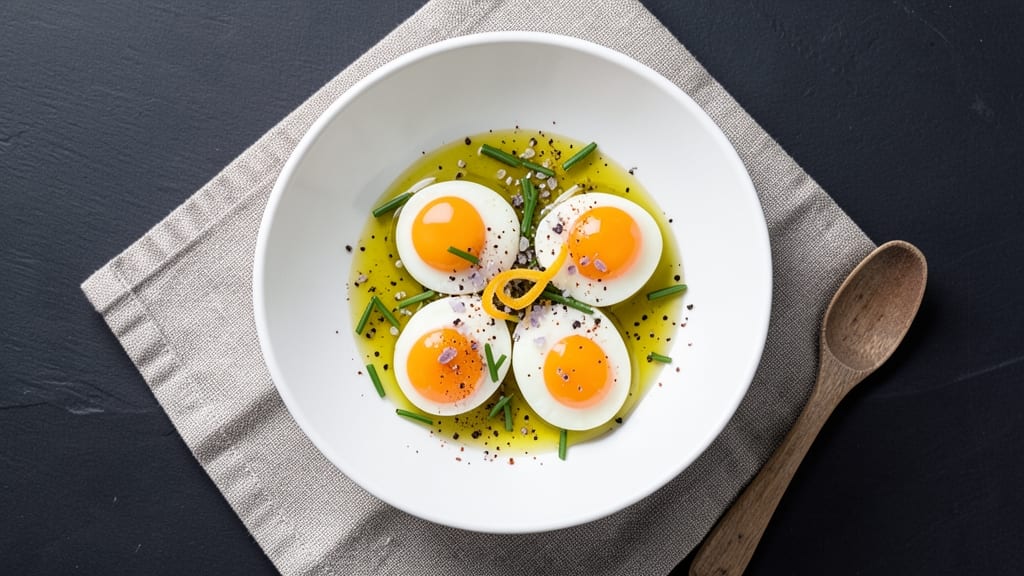
This sous vide soft-boiled eggs recipe delivers restaurant-quality perfection with a runny yolk and flawlessly cooked whites—every time. The secret lies in precise temperature control at 145°F for 45-60 minutes, transforming ordinary eggs into culinary masterpieces with minimal effort.
Unlike traditional boiling methods, sous vide eliminates guesswork, ensuring consistent results that impress even the most discerning breakfast enthusiasts.
What sets this method apart is the ability to achieve ideal doneness without overcooking. The gentle, even heat preserves the egg's natural flavors while creating a creamy, custard-like yolk that's just thick enough to hold its shape when sliced.
This technique isn't just about cooking—it's about transforming a simple breakfast staple into an elevated culinary experience that rivals gourmet brunch offerings.
The process begins with vacuum-sealing eggs and cooking them at a precise temperature, then finishing with a quick rinse for that signature sheen.
What you'll end up with are eggs that slice open to reveal perfectly set whites and molten centers, ready to be garnished with flaky salt, fresh herbs, or a drizzle of high-quality olive oil.
The texture contrast between the firm whites and velvety yolk creates a sensory experience that's both satisfying and visually stunning.
Whether you're preparing for a special brunch, experimenting with culinary techniques, or simply craving the best eggs you've ever tasted, this method delivers foolproof results with minimal active time.
The equipment may seem intimidating at first, but once you master it, you'll wonder how you ever settled for anything less than sous vide-perfect eggs.
Ingredients for sous vide soft boiled eggs
Four eggs and a few key tools transform into restaurant-style perfection with this precise method.
| Ingredient | Amount | Notes |
|---|---|---|
| Large Eggs 🥚 | 4 whole | Room temperature preferred |
| Flaky Sea Salt 🧂 | 1 tsp | For garnish, like Maldon |
| Fresh Chives 🌿 | 2 tbsp | Chopped, for garnish |
| Extra-Virgin Olive Oil 🫒 | ¼ cup | High quality, for finishing |
| Sous Vide Machine 🔥 | 1 whole | Or immersion circulator |
| Vacuum-Sealing Bags 📦 | 4 whole | Or reusable silicone bags |
| Ice ❄️ | 2 cups | For quick chilling bath |
| Cold Water 💧 | 2 cups | For ice water bath |
| Large Bowl 🍽️ | 1 whole | For ice water bath |
| Paper Towels 🧻 | 1 sheet | For drying eggs |
The eggs are the star, so room temperature is critical—they cook more evenly. Grab farm-fresh or organic eggs if you can, but any large eggs work. For the vacuum-sealing bags, reusable silicone bags from Amazon or Williams Sonoma save money long-term. If you don't have a sous vide machine, an immersion circulator like the Anova works perfectly. The key is maintaining that 145°F for 45-60 minutes—set a timer so you don't overcook them.
No vacuum sealer? Zip-top bags with the water displacement method works in a pinch. Short on chives? Fresh parsley or dill adds a nice contrast. The olive oil should be extra-virgin and fruity—none of that cheap bottled stuff. For garnish, Maldon salt is ideal, but any flaky sea salt does the trick. If you're serving these for a crowd, double the batch—just scale the ice water bath proportionally.
Eggs should be used within 2 days of cooking for best texture. Store them in the fridge, unpeeled, in a container with a damp paper towel to keep the yolks intact. For serving, halve the eggs lengthwise and garnish immediately—they look stunning on a platter with a drizzle of olive oil and fresh herbs. These reheat beautifully if you make extras—just give them a quick dip in warm water before serving.
Why You'll Love This Recipe
- Buttery, Salty Magic: That first crack reveals what makes it special: a runny yolk so rich it coats your spoon, balanced by flaky sea salt and bright chives. Drizzle with olive oil, and it’s like a fancy brunch in two bites.
- Brunch or Bites: Serve them whole for a luxurious breakfast, slice them into a grain bowl for lunch, or toss them into pasta for dinner. Honestly, I’ve even used them as a topping for avocado toast when I’m feeling extra.
- Zero Waste, All Win: Eggs last days in the fridge after cooking—no sad, rubbery leftovers here. And since you’re using just five ingredients, it’s cheap enough to make twice a week without blinking. My wallet thanks me.
Step-by-step instructions for sous vide soft-boiled eggs
Here's how to achieve perfectly silky yolks and set whites every single time.
Prepare Eggs and Sous Vide Machine
Crack the 4 whole large eggs into a bowl and gently whisk them together just until combined—no need to overmix. This ensures even cooking and prevents any separation during the process. I like to use room-temperature eggs as they cook more evenly, but if yours are straight from the fridge, no worries—the sous vide method is forgiving.
Set the sous vide machine to 135°F for whites that are fully set but yolks that remain perfectly runny. This temperature is critical—any higher and your yolks will firm up, any lower and the whites won't fully cook. Fill the water bath according to your machine's instructions, making sure the water level is sufficient to fully submerge the eggs.
Seal Eggs in Vacuum Bags
Place each egg into one of the 4 whole vacuum-sealing bags. I always use the reusable silicone bags for this—they're more durable and easier to clean than single-use plastic. Remove as much air as possible when sealing to prevent any air pockets that could interfere with even cooking. The eggs should be completely submerged in their own "liquid environment" within the bag.
Once sealed, gently lower each bag into the 135°F water bath. Make sure they're fully submerged and not floating—you can use a small weight or clip if needed. Let them cook for exactly 45 minutes. This precise timing gives you that perfect balance of set whites and liquid center yolks that's impossible to achieve with traditional stovetop methods.
Prepare Ice Water Bath
While the eggs cook, fill the 1 whole large bowl with the 2 cups ice and 2 cups cold water. This ice water bath will quickly shock the eggs and stop the cooking process at exactly the right moment. The temperature should be 35°F or lower—this cold shock is what preserves that perfect doneness.
I always prepare this step first because timing is everything. The eggs will continue cooking slightly even after removal from the water bath, so having this ready ensures you can immediately transfer them when done. The contrast between the hot eggs and cold water creates that signature "wow" factor of sous vide eggs.
Shock and Finish the Eggs
After the 45-minute cook time, carefully remove each bag from the water bath and immediately transfer it to the ice water bath. Let them sit for exactly 2 minutes. This shock treatment stops all cooking instantly and sets the perfect texture. You'll notice the eggs become firm to the touch—this is exactly what you want.
While the eggs chill, prepare the garnish by finely chopping the 2 tbsp fresh chives. Measure out the 1 tsp flaky sea salt—I always use Maldon for that perfect flaky texture. Once the 2 minutes are up, remove the eggs from the ice bath and gently pat them dry with the 1 sheet paper towels. This step removes any surface moisture that could dilute the olive oil finish.
Finish with Olive Oil and Serve
Using a small spoon or baster, carefully add the 0.25 cup extra-virgin olive oil to each egg, allowing it to pool around the top. This not only adds incredible flavor but also creates that beautiful glossy finish that makes these eggs look restaurant-quality. The oil should be at room temperature so it spreads evenly.
Garnish each egg with a sprinkle of the chopped chives and a pinch of the flaky sea salt. Serve immediately while the oil is still warm and the eggs are at their perfect doneness. Each bite should deliver that perfect contrast of fully set white and perfectly runny yolk—this is what makes sous vide eggs so special.
Pro Tips For Making Sous Vide Soft Boiled Eggs
- Use 63°C for 45 Minutes: That’s the sweet spot for a runny, perfect yolk—hot enough to set the whites just enough to hold shape, but still liquid inside. I used to go by feel, but this temp and time combo nails it every time. No guessing, no overcooked whites.
- Crack Eggs Gently: Rough handling = broken yolks. Tap the egg firmly on the counter first, then slide it open with your thumb—no cracking. If you’re nervous, use a small bowl to catch the shells. Trust me, you’ll save more eggs than you think.
- Skip the Ice Bath: Sous vide eggs cool fast enough in the water. Dumping them into ice water makes the whites rubbery—just shock them with cold water from the tap for 30 seconds. Works just as well, no fuss.
- Salt After Chilling: The whites firm up fast when hot, but salt needs time to penetrate. Wait until the eggs are fully cooled, then sprinkle flaky sea salt right before serving. The flavor clings better, and the texture stays silky.
Essential equipment for sous vide soft boiled eggs
Sous Vide Machine
Your sous vide machine is the heart of this recipe—precision temperature control is what transforms ordinary eggs into gourmet perfection. I recommend the Anova Nano for beginners or the Breville Joule for more advanced cooks.
Both maintain temperatures within ±0.1°F, which is critical for consistent results. If you're on a budget, the Cuisinart Multi-Cooker offers sous vide functionality without breaking the bank. 🔥
Vacuum Sealer
While you can use zip-top bags with the water displacement method, a proper vacuum sealer eliminates air pockets that could interfere with even cooking. The FoodSaver FM2000 is my go-to—it's durable and creates tight seals.
For reusable options, silicone sous vide bags from Amazon Basics work perfectly and reduce waste. Just ensure all air is removed before sealing.
Immersion Circulator
If you don't have a dedicated sous vide machine, an immersion circulator like the Anova Precision Cooker is your best alternative. These plug directly into your pot and maintain water temperatures with surgical precision.
For best results, use a large stainless steel pot (at least 8-quart capacity) to accommodate the circulator and your eggs comfortably.
Temperature Probe
A dual-probe thermometer is non-negotiable for accuracy. The ThermoWorks ThermoPop is my favorite—it's affordable, wireless, and gives real-time readings. Place one probe in the water bath to monitor temperature and another in an egg to track internal doneness. This ensures you hit 135°F consistently, every time. 🌡️
Ice Water Bath Setup
Your ice water bath needs a large bowl (I use a stainless steel mixing bowl) to hold 2 cups ice + 2 cups cold water. The goal is to reach 35°F or lower—this shock stops cooking instantly.
For extra chill power, add 1 cup ice cubes and 1 cup cold water from your fridge. Prep this while your eggs cook to save time.
Finishing Tools
For presentation, grab flaky Maldon salt, fresh chives, and high-quality extra-virgin olive oil. A small spoon or baster helps drizzle oil evenly, while paper towels remove excess moisture before garnishing. Pro tip: Use a sharp chef's knife to halve eggs cleanly—this makes them look restaurant-worthy. ✨
Nutrition facts
Frequently asked questions
Can I use store-bought eggs for sous vide?
Store-bought large eggs work perfectly for this recipe. The sous vide method is forgiving with egg quality, but for the best texture, choose eggs that are no more than 1 week old from the pack date. Fresh eggs hold their shape better during the shock bath, and you'll get that ideal creamy yolk consistency.
What if I don't have a vacuum sealer?
No problem! Use the water displacement method with zip-top bags. Fill a bag halfway with water, place the egg in, then seal it tightly. Submerge the bag in the water bath—this creates a vacuum-like environment. For extra security, use clips or rubber bands to seal the bag completely. The eggs will still cook evenly!
How do I adjust the cook time for firmer yolks?
For firmer yolks (like 6-minute eggs but with set whites), increase the temperature to 140°F and cook for 50-55 minutes. The yolk will be thick but still creamy, while the whites remain perfectly set. This works great for egg salad or when you want a more structured yolk that holds shape when sliced.
Can I sous vide eggs ahead of time?
Yes, but with care! Cook eggs as directed, then store them unpeeled in the fridge for up to 2 days. To reheat, place them in a 160°F water bath for 5 minutes—this gently warms them without overcooking. For best results, serve fresh, but reheating preserves that silky texture surprisingly well.
Why do my eggs have a rubbery texture?
Rubbery eggs usually mean overcooking or temperature fluctuations. Double-check your sous vide machine's calibration and ensure the water bath stays at 135°F consistently. Also, avoid opening the lid during cooking—temperature drops can ruin the texture. If this happens, try a shorter cook time (40 minutes) next time.