
Breakfast & Brunch
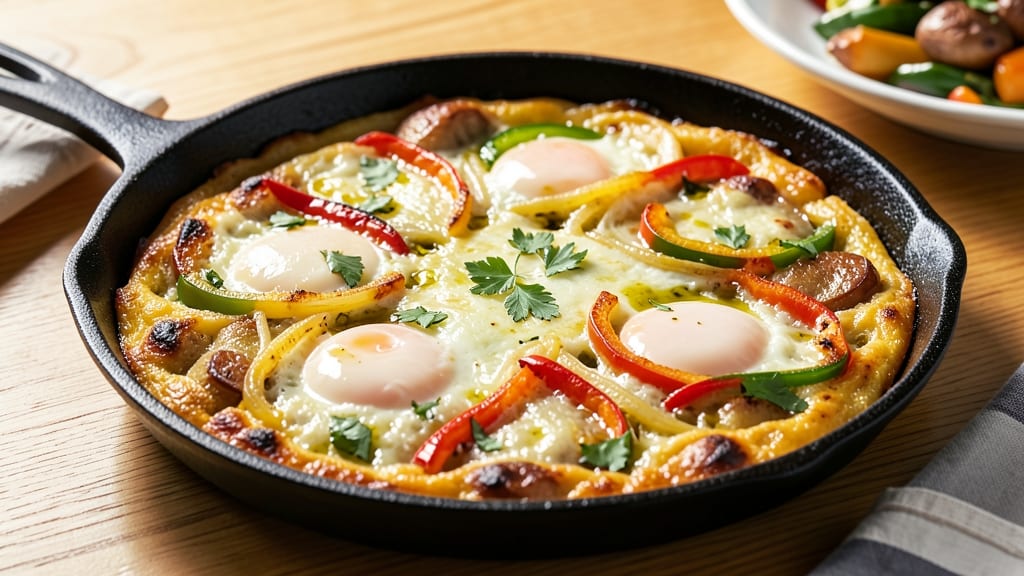
This Spanish egg potato tortilla recipe delivers the perfect balance of crispy edges and creamy, runny yolk centers—just like Spain's best tapas bars. 💛 The secret lies in proper layering and gentle cooking, transforming humble potatoes and eggs into a restaurant-quality dish that's surprisingly simple to master at home.
Traditional Spanish tortilla relies on just four ingredients: potatoes, eggs, olive oil, and salt, but the technique makes all the difference. We'll start by parboiling the potatoes until tender but still firm, then sautéing them in olive oil until golden.
The key is building layers in a skillet, allowing the bottom to crisp while keeping the center perfectly set.
What you'll end up with is a thick, golden tortilla with a crisp exterior and a custardy interior where the yolk remains gloriously runny. The texture contrast is what makes this dish unforgettable—each bite offers both firm potato and velvety egg in perfect harmony.
This is the tortilla you'll want to serve at dinner parties or enjoy with crusty bread for breakfast.
For an extra layer of flavor, you can add finely diced onions that caramelize with the potatoes, or even incorporate bell peppers for a touch of sweetness. The traditional method calls for flipping the tortilla, but we'll also show you a baking alternative for those who prefer a foolproof approach.
Let's get started on creating this Spanish classic.
Ingredients for spanish egg potato tortilla
Four core ingredients plus optional extras—this Spanish classic transforms simple potatoes into golden magic.
| Ingredient | Amount | Notes |
|---|---|---|
| Russet Potatoes 🥔 | 1 ½ lb | Medium size, peeled and sliced thin |
| Large Eggs 🥚 | 6 whole | Room temperature for best blend |
| Extra-Virgin Olive Oil 🫒 | ½ cup | High quality, fruity variety |
| Yellow Onions 🧅 | 1 whole | Finely diced, optional for extra flavor |
| Kosher Salt 🧂 | 1 ½ tsp | Fine grain preferred |
| Fresh Bell Peppers 🌶️ | ½ cup | Red or green, finely diced |
The potatoes are everything here. Russets are ideal—their starchy texture holds up perfectly to the crispy-sautéed treatment. Grab a 3-4 lb bag at Whole Foods or your local market for the best flavor. If you're feeling fancy, organic potatoes make a difference, but regular Russets work just fine. Peel them thinly with a vegetable peeler—thick slices won't cook evenly. For the optional onions, yellow or white both work, but yellow adds that classic Spanish sweetness. Skip them if you want to keep it traditional, but I always add them—they caramelize beautifully with the potatoes.
No extra-virgin olive oil? Light olive oil works in a pinch, but you'll lose that fruity depth. The eggs should be room temperature—cold eggs won't blend as smoothly. Fresh bell peppers? Red or green both work, but green stays slightly crisper. No bell peppers? Zucchini or mushrooms can add texture, but they change the flavor profile. The key is thin, even slices—mandoline slicer is worth the investment if you make this often. For the salt, Diamond Crystal is my go-to, but any fine kosher salt does the trick. Too much salt? The potatoes will absorb it—taste as you go.
Store any leftover potato slices in cold water in the fridge for up to 2 days—drain and pat dry before using. The fully cooked tortilla keeps for 3-4 days wrapped in foil, but honestly, it's best fresh. For make-ahead prep, slice the potatoes and store them in cold water overnight—they'll soak up less oil when cooking. The tortilla reheats beautifully in a skillet over medium heat for about 3 minutes per side. Leftovers? Slice and pan-fry for crispy tortilla croquettes—game changer.
Why You'll Love This Recipe
- I swear by this: just potatoes, eggs, onions, and olive oil. That’s it. No fancy pantry staples, no last-minute grocery runs—what’s in your fridge is probably already here.
- The secret’s in the timing: thin-sliced onions caramelize while the potatoes soften, then the eggs bind it all into that perfect texture—crisp edges, silky center. Honestly, it’s the kind of dish that makes you want to take a second helping just to experience it again.
Step-by-step instructions for Spanish egg potato tortilla
Here's the method to make this classic Spanish dish with perfect crispy edges and that magical runny yolk center.
🔥 Step 1: Sauté Potatoes and Onions Until Golden
Heat the 0.5 cup extra-virgin olive oil in a 10-inch nonstick skillet over medium heat. Add the 1.5 lb thinly sliced russet potatoes and finely diced yellow onion (if using), spreading them in an even layer. Cook for 15-20 minutes until the potatoes are soft but not browned and the onions are translucent.
Here's the thing—you want the potatoes to cook slowly so they absorb flavor but stay intact. If they start sticking, gently press them down with a spatula. I like to stir every 3-4 minutes to ensure even cooking. You'll know it's ready when the potatoes are tender enough to pierce with a fork but still hold their shape.
🍳 Step 2: Add Bell Peppers and Season
Stir in the 0.5 cup finely diced fresh bell peppers and cook for another 3-4 minutes until they soften slightly. Sprinkle the 1.5 tsp kosher salt evenly over the mixture and toss gently to distribute.
This is where the magic starts. The peppers add a subtle sweetness that balances the earthy potatoes. Don't skip this step—it's what makes this tortilla truly special. If you're using green peppers, they'll add a slight tang that pairs beautifully with the eggs. Red peppers bring a touch of natural sweetness.
👨🍳 Step 3: Beat Eggs and Mix with Potato Mixture
In a large bowl, crack the 6 whole large eggs and whisk them vigorously until fully combined. Pour the eggs over the potato mixture in the skillet, using a spatula to gently fold everything together. Let it sit for 1 minute so the eggs start to set slightly.
I always do this step carefully—you want to distribute the eggs evenly without breaking up the potato pieces too much. The goal is to create a thick, creamy mixture that will form a perfect omelet-like texture. Don't worry if it looks a bit uneven at first; that's normal and will even out as it cooks.
🔥 Step 4: Cook Until Set and Crispy Edges Form
Reduce heat to medium-low and let the tortilla cook undisturbed for 8-10 minutes. You'll see the edges start to set and the top develop a golden crust. This is crucial for that perfect crispy texture we're after.
Here's the moment that matters: when the edges are golden brown and the top looks mostly set but still slightly wobbly in the center. If it's browning too quickly, move to a slightly cooler spot in your oven or reduce the heat. The tortilla should be firm enough to flip but still have that runny yolk center.
🍳 Step 5: Flip and Cook to Golden Perfection
To flip, I use a large plate to carefully invert the skillet over it, then gently slide the tortilla back into the pan. Cook for another 6-8 minutes on the second side until the bottom is golden brown and crispy. The key is patience—don't rush this step or the tortilla will be dry.
You'll know it's perfect when the bottom is crispy and the center still has that beautiful runny yolk. The tortilla should hold its shape when lifted and have that irresistible crunch at the edges. Let it rest for 5 minutes before slicing—this allows the juices to redistribute and makes it easier to cut cleanly.
Pro Tips For Making Spanish Egg Potato Tortilla
- CHOP POTATOES UNIFORMLY: I learned this the hard way—lumpy potatoes mean uneven cooking and a mushy center. Cut them into ¼-inch slices, then dice into rough ½-inch cubes. The goal is surface area: smaller pieces cook faster and soak up less oil, keeping the tortilla crisp on the outside.
- SWEAT ONIONS LOW AND SLOW: High heat turns onions bitter, and that’s the last thing you want in a tortilla. Cook them over medium-low with a splash of water, covered, until translucent and tender—about 8-10 minutes. This melts their flavor into the dish without burning.
- DON’T OVERMIX THE EGGS: Whisk them just until yolks and whites blend, then stop. Overworking them makes the tortilla rubbery. Fold in the potatoes and onions gently—think "rustle, don’t stir"—so the texture stays tender. (Yes, even if you’re impatient like me.)
- REST THE TORTILLA BEFORE FLIPPING: Let it sit covered for 5-10 minutes after cooking the first side. This lets the filling set slightly, so it doesn’t collapse when flipped. Skip this, and you’ll end up with a greasy mess instead of a sturdy, golden crust. (Your future self will thank you.)
Pro cooking tips for this recipe
Potato Prep Perfection
Start by peeling your Russet potatoes and slicing them ⅛-inch thick using a mandoline slicer for even thickness. Soak the slices in cold water for 15 minutes to remove excess starch, then drain and pat completely dry.
This step prevents the potatoes from absorbing too much oil and keeps them crispy. I like to use a 10-inch nonstick skillet—it gives enough surface area for even cooking. 🥔
Low-and-Slow Sautéing
Cook the potatoes over medium-low heat with ½ cup extra-virgin olive oil for 15-20 minutes, stirring every 3-4 minutes. The goal is to soften them without browning. If they start sticking, press them gently with a spatula.
I find that Whole Foods organic potatoes hold up best—they’re waxier and less likely to fall apart. Add onions and bell peppers only after the potatoes are tender to avoid overcooking. 🍳
Egg Layering Technique
After sautéing, pour the 6 whisked eggs over the potatoes and let it sit for 1 minute before gently folding. This allows the eggs to begin setting at the edges while keeping the center runny.
Use a heat-safe spatula to fold—avoid overmixing, which can make the tortilla dense. The key is patience: let the bottom form a golden crust before attempting to flip. 💛
Flipping Without Disaster
To flip, place a 10-inch plate over the skillet, invert, then slide the tortilla back in. I’ve dropped more tortillas than I’d admit—use a kitchen towel for grip if needed. Cook the second side for 6-8 minutes until golden.
If the bottom browns too fast, reduce heat to medium-low. The tortilla should be firm enough to hold its shape but still custardy inside. 🌟
Resting for Clean Slices
Let the tortilla rest for 5 minutes before slicing—this redistributes juices and makes it easier to cut. Use a sharp chef’s knife to slice into 8 wedges. Serve immediately for the best texture, but it reheats well in a skillet over medium heat for 2-3 minutes per side.
Pro tip: Warm the tortilla in the oven at 350°F for 5 minutes to maintain crispiness. ⚡
Baking Alternative
If flipping feels risky, bake it! After adding eggs, transfer the skillet to a 375°F oven for 20-25 minutes until set. This method guarantees even cooking without the flip. For extra crispiness, broil for 2 minutes at the end. The texture won’t be identical, but it’s foolproof for beginners. 🔥
Nutrition facts
Frequently asked questions
Why does my Spanish tortilla come out dry instead of creamy?
Overcooking is the most common cause! The tortilla should have crispy edges but a custardy center. Cook on medium-low heat and flip only when the edges are golden but the center still jiggles slightly. Also, avoid stirring too much after adding eggs—let it set naturally for 1 minute before folding.
Can I make this tortilla ahead of time?
The best approach is to prepare the potato mixture (sautéed potatoes, onions, and peppers) up to 1 day ahead and refrigerate. Reheat gently in the skillet before adding eggs. For the fully assembled tortilla, it keeps for 3-4 days wrapped in foil, but reheat in a skillet over medium heat for 2-3 minutes per side to restore crispiness.
What's the difference between Spanish tortilla and French omelette?
The Spanish tortilla is a thick, layered dish with potatoes and eggs cooked together in a skillet, while a French omelette is thin and made with just eggs, often filled with cheese or herbs. The tortilla has a crispy exterior and creamy interior, while an omelette is lighter and more delicate. The Spanish version is also typically served at room temperature or cold, unlike hot omelettes.
How do I fix a broken or uneven tortilla?
No worries—it's fixable! If it cracks while cooking, simply press the edges back together and continue cooking. For uneven thickness, spread the potato mixture more evenly before adding eggs. If the tortilla is too thick in spots, you can trim the edges after it's fully cooked. The baking method is also a great alternative for beginners who want foolproof results.
Can I use sweet potatoes instead of russets?
While possible, russet potatoes are ideal because they're starchy and hold their shape better. Sweet potatoes will add natural sweetness and a different texture, but they tend to be denser and may not crisp up as nicely. If you try it, reduce cooking time slightly and expect a more moist, less crispy result. For best results, stick with russets for that classic Spanish texture.