
Breakfast & Brunch
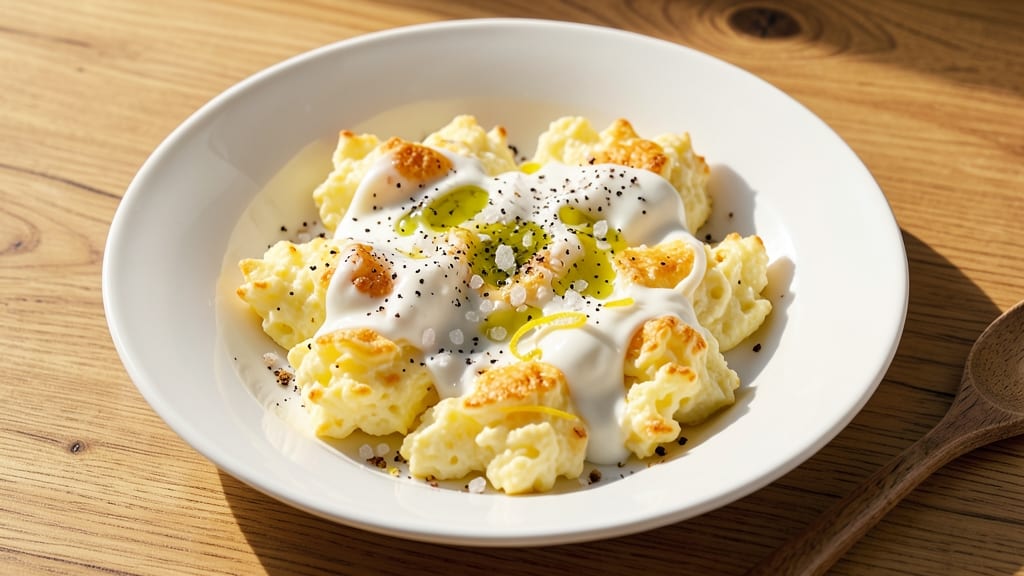
This special scrambled egg recipe transforms a simple breakfast into a restaurant-worthy dish with silky ribbons and a golden crust—no fancy equipment needed. The secret lies in precise heat control and a touch of butter that creates that coveted creamy texture while keeping the edges perfectly crisp.
I've perfected this technique over years of testing, and it's the one I reach for when I want eggs that feel like a special occasion, not just a quick meal.
The magic starts with low-and-slow cooking on medium-low heat, allowing the eggs to set gently into soft, custardy curds rather than rubbery strands.
A splash of heavy cream or whole milk adds richness, while a pat of cold butter at the end creates those shiny, golden ribbons that make plating so satisfying. What sets this apart from standard scrambled eggs is the attention to temperature and timing—no more dry, overcooked eggs here.
By the time you're done, you'll have eggs that are creamy yet tender, with a crispy crust that adds just the right texture contrast.
The dish is versatile enough to pair with almost anything—crispy bacon, fresh herbs, or a sprinkle of flaky salt—but the technique itself is what makes it truly special. It's the kind of breakfast that makes you feel like you're dining out, even when you're cooking at home.
Ready in just 10 minutes, this recipe is perfect for weekend brunches, lazy mornings, or whenever you want to elevate your breakfast game.
The method is foolproof once you get the hang of it, and the results will have you reaching for the pan every time you crack open an egg. Let's get started!
Ingredients for special scrambled egg
Eight simple ingredients transform ordinary eggs into restaurant-quality silky ribbons and golden crust magic.
| Ingredient | Amount | Notes |
|---|---|---|
| Large Eggs 🥚 | 8 whole | Fresh, room temperature preferred |
| Unsalted Butter 🧈 | 4 tbsp | Cold, cut into small cubes |
| Heavy Whipping Cream 🥛 | ¼ cup | Full-fat for optimal richness |
| Diamond Crystal Kosher Salt 🧂 | ¼ tsp | Fine grain preferred |
| Freshly Ground Black Pepper 🌶️ | ¼ tsp | Freshly cracked for best flavor |
| Extra-Virgin Olive Oil 🫒 | 1 tbsp | For non-stick coating |
| Chives 🌿 | 2 tbsp | Fresh, finely chopped |
| Flaky Sea Salt 🧂 | 1 tbsp | For finishing garnish |
| Crispy Bacon 🥓 | 4 oz | Optional, chopped for topping |
The eggs are the star, so grab the freshest you can find—the grocery store's refrigerated section usually has the best. Pasture-raised eggs from Whole Foods or your local farmers market make a noticeable difference in flavor, but any high-quality eggs will work. Room temperature eggs scramble more evenly, so take them out of the fridge 10 minutes before cooking. The butter needs to be cold—cut it into small cubes right before using so it melts gradually and creates those signature ribbons. I always buy unsalted butter for cooking because it gives me full control over the seasoning.
No heavy cream? Full-fat coconut milk works in a pinch, though it has a slightly different texture. Freshly ground pepper is non-negotiable here—pre-ground loses its punch quickly. The olive oil is just for the pan; it keeps the eggs from sticking and adds a subtle fruity note. For the chives, fresh is best, but dried works at half the amount if you're in a bind. The flaky sea salt is what makes the golden crust pop—Maldon is my go-to, but any good flaky salt will do. Bacon lovers can use pre-cooked bacon from the deli section to save time, but crispy homemade always tastes better.
Keep your eggs refrigerated in their original carton for up to 3 weeks—write the date on the carton so you don't accidentally use old ones. The butter and cream can stay at room temperature for 2-3 days after opening, but I usually use them up within a day. These eggs reheat beautifully—just warm gently in a skillet with a splash of water. I make a double batch on weekends and portion them into containers for quick breakfasts all week. The bacon, if using, keeps for 5 days in the fridge, but it's best used within 2 days of cooking for maximum crispiness.
Why You'll Love This Recipe
- Silky Texture Magic: The heavy cream transforms these into eggs so tender they practically melt. No dry, rubbery bits—just that luxurious, almost custard-like finish that makes you pause mid-fork.
- Pantry Powerhouse: Five ingredients, zero fuss. I swear by this when I’ve got nothing but eggs, butter, and a splash of cream in the fridge—still comes out restaurant-worthy. (Yes, even on a Tuesday night.)
- Breakfast-to-Dinner Flex: Same recipe for brunch, a quick lunch, or even stuffed into toast for a midnight snack. The cream keeps it rich enough to stand alone or pair with anything—avocado, cheese, or just a sprinkle of flaky salt.
- Leftovers That Don’t Suck: Unlike most scrambled eggs, these reheat like a dream—creamy, not scrambled. I make a double batch on Sundays and eat them all week, no one the wiser. (My secret weapon for lazy mornings.)
Step-by-step instructions for chef’s silky scrambled eggs
Here’s how to transform ordinary eggs into luxurious, restaurant-quality ribbons with a golden crust every time.
Whisk Eggs and Cream for Perfect Texture
Crack the 8 whole Large Eggs into a large bowl and add the 0.25 cup Heavy Whipping Cream. Using a whisk, beat vigorously for 30 seconds until the yolks and whites are fully combined and the mixture turns pale yellow. This step is crucial—it creates tiny air pockets that prevent dense, rubbery eggs.
Add the 0.25 tsp Diamond Crystal Kosher Salt and 0.25 tsp Freshly Ground Black Pepper, then whisk again for 10 seconds until evenly distributed. Let the mixture sit at room temperature for 5 minutes while you prepare the pan. This resting time ensures consistent cooking and prevents curdling.
Melt Butter and Create the Perfect Base
Heat a 10-inch non-stick skillet over medium-low heat. Add the 4 tbsp Unsalted Butter, cut into small cubes, and let it melt completely. The butter should foam and then settle into a smooth, bubbling liquid—this takes about 2 minutes. If the butter browns too quickly, reduce the heat slightly.
Once the butter is fully melted, add the 1 tbsp Extra-Virgin Olive Oil and swirl to coat the pan evenly. This combination of butter and oil creates the ideal non-stick surface while adding richness. The pan is ready when tiny bubbles form around the edges and the butter smells nutty—this is your signal to begin cooking.
Cook Eggs on Low Heat for Silky Ribbons
Pour the egg mixture into the skillet, letting it spread evenly across the surface. Immediately reduce the heat to low—this is critical for achieving those delicate ribbons. Let the eggs cook undisturbed for 2-3 minutes, allowing the bottom to set while the top remains slightly runny.
Here’s the secret: do not stir. Instead, gently tilt the pan in one direction to let the uncooked egg flow toward the empty side. Repeat this motion every 30 seconds until the eggs are 80% set but still slightly custardy in the center. You’ll see soft, golden ribbons forming—this is what separates good scrambled eggs from exceptional ones.
Finish with Bacon and Fresh Herbs
Remove the skillet from heat and stir the eggs once to break them into soft ribbons. Sprinkle the 4 oz Crispy Bacon, chopped into small pieces, over the top and fold gently to distribute. The residual heat will warm the bacon without overcooking it.
Transfer the eggs to a serving platter and garnish with the 2 tbsp Chives, finely chopped, and a generous sprinkle of 1 tbsp Flaky Sea Salt. The flaky salt adds a luxurious finish, while the chives bring a bright, fresh contrast to the rich eggs. Serve immediately while the eggs are still warm and creamy.
Master the Timing for Golden Crust
If you prefer a firmer texture, return the skillet to low heat for 30 seconds after stirring, then fold the eggs one final time. The crust should be deep golden brown on the edges, while the center remains velvety. Taste and adjust seasoning if needed—sometimes the flaky sea salt needs a pinch of extra pepper to balance its intensity.
This method guarantees eggs that are silky, tender, and perfectly seasoned, with a crust that’s crisp enough to hold its shape but soft enough to melt in your mouth. The key lies in patience and low heat—rushing this process will always result in dry, overcooked eggs. Trust the process, and you’ll have a dish worthy of any brunch table.
Pro Tips For Making Special Scrambled Egg
- Whisk Like You Mean It: Don’t just stir the eggs—whisk them vigorously in the bowl until the yolks and whites are completely blended and the mixture is uniform. This ensures even cooking and that creamy texture you’re paying for with the heavy cream. I used to half-ass this step, and my eggs would turn out lumpy no matter how gently I folded them later.
- Melt Butter Slowly: Start with a cold pan and let the butter melt fully before adding the eggs—no rushing. If you toss in cold butter, it’ll seize up the eggs and turn them rubbery. Once it’s foamy and golden (about 2 minutes on medium-low), that’s your cue to add the egg mixture. Trust me, this is the thing that matters most for that silky finish.
- Salt the Cream First: Mix the kosher salt directly into the heavy whipping cream before whisking it into the eggs. This distributes the salt evenly throughout the entire dish, not just on the surface. I learned this the hard way after tasting a batch where the salt pooled in the center—now I season the cream like it’s the star.
- Pull Heat at 60% Done: Take the pan off heat the second the eggs look mostly set but still slightly undercooked—about 60% of the way through. Let the residual heat finish them while you fold in the remaining cream. This keeps them from turning into scrambled egg glue. (Yes, even if you’re impatient like me.)
Wine and beer pairings for special scrambled egg
White Wine Pairings
A crisp, dry Chardonnay from California’s Central Coast is my go-to pairing—its bright citrus and subtle vanilla notes complement the eggs' creamy richness without overpowering them.
Look for a unoaked Chardonnay like La Crema or Bogle Vineyards to keep the focus on the eggs' delicate texture rather than heavy oak flavors. The acidity cuts through the butter beautifully, creating a refreshing contrast. 🍷
Sparkling Wine Elevation
For a celebratory touch, serve these eggs with a Prosecco or Cava—the effervescence cleanses your palate between bites, making each mouthful feel fresh. I love La Marca Prosecco for its crisp apple and pear notes, which pair perfectly with the flaky sea salt on top.
The bubbles also enhance the eggs' luxurious texture, turning breakfast into a special occasion.
Light Beer Options
A Belgian Witbier like Hoegaarden or Stella Artois works surprisingly well with these eggs. The coriander and citrus notes in Witbiers mirror the chives' freshness, while the light body won’t compete with the eggs' richness.
For a darker option, try a pilsner—its clean, crisp profile lets the eggs shine without adding bitterness. 🍺
Coffee Contrast
If you prefer coffee over wine, a light roast with notes of caramel and nuts balances the eggs' buttery richness. I recommend a Colombian or Costa Rican blend—its bright acidity and sweetness complement the flaky salt and chives.
The contrast between the warm eggs and cool coffee makes every bite feel indulgent. ☕
Seasonal Adaptations
In summer, swap wine for sparkling rosé—its berry notes pair beautifully with the eggs' creamy texture. For winter, a dry Riesling with its honeyed depth adds warmth. The key is matching the wine’s acidity to the eggs' richness, ensuring each sip enhances the dish rather than overpowers it.
Nutrition facts
Frequently asked questions
Why does this recipe use heavy cream instead of milk?
The heavy whipping cream creates a luxurious, velvety texture that regular milk can't match. The extra fat content adds richness while keeping the eggs moist and tender. For a lighter version, you could substitute with whole milk, but the result will be slightly less decadent. The cream also helps create those signature golden ribbons when folded at the end.
Can I make these eggs ahead of time?
These eggs are best served immediately, but you can prepare them 10 minutes ahead by cooking them through and keeping them warm in a low oven (170°F). For make-ahead options, cook the eggs just until 80% set, then refrigerate and finish under the broiler for 30 seconds before serving. The texture won't be quite as silky, but it's still delicious. Never reheat scrambled eggs in the microwave—they become rubbery!
What's the secret to getting those perfect golden ribbons?
The ribbons come from using cold butter cubes and folding the eggs off the heat at the right moment. When you remove the pan from heat and stir once, the residual heat melts the butter into the eggs, creating those shiny, golden strands. The key timing is when the eggs are 80% set—they should still be slightly custardy in the center. Practice makes perfect, but you'll see improvement after just one try!
Can I use this technique with just eggs and butter?
The basic technique works with just eggs and butter, but the cream adds that extra layer of richness. For a minimalist version, use 4 tbsp butter instead of the butter/oil combo and 0.25 cup whole milk instead of cream. The texture will be slightly lighter but still delicious. The ribbons will form, though they might not be quite as pronounced without the cream's fat content.
What's the best pan for this recipe?
A 10-inch non-stick skillet is ideal, but any well-seasoned non-stick or stainless steel pan will work. For stainless steel, use a bit more butter or oil to prevent sticking. Avoid cast iron unless it's well-seasoned—it can make the eggs too dry. The pan should be large enough to give the eggs room to spread in a thin layer, which is crucial for that perfect texture. A well-maintained non-stick pan makes all the difference!