
Main Courses
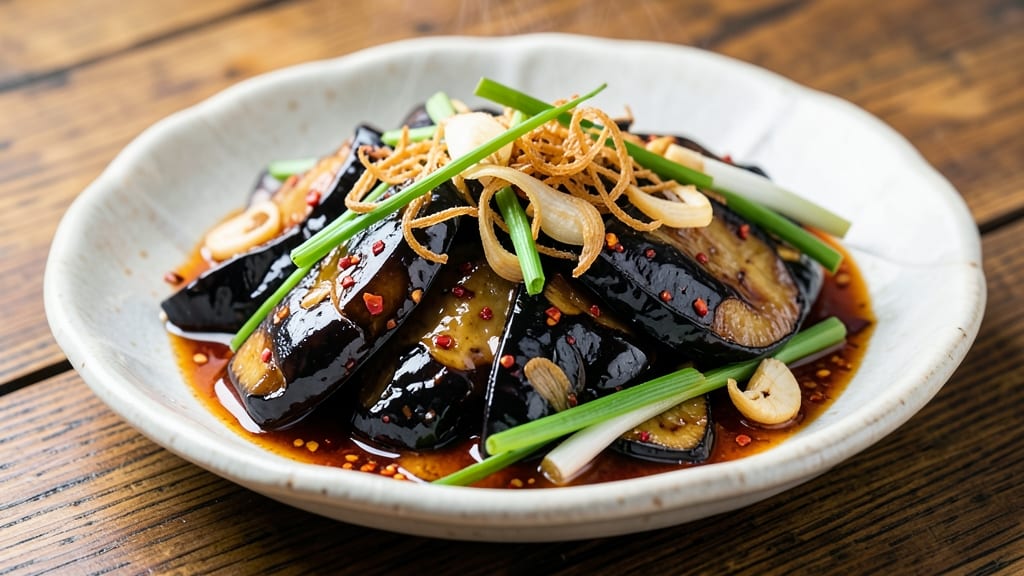
This spicy eggplant stir-fry recipe delivers crispy bites that balance smoky heat with tender textures—perfect for vegetarian meals that pack serious flavor. The secret lies in high-heat stir-frying, which creates those coveted caramelized edges while keeping the centers deliciously tender.
I developed this recipe after testing countless techniques to achieve that perfect contrast between crispy and soft.
The sauce is where the magic happens—a fiery blend of chili, garlic, and soy that coats every bite without overpowering the eggplant's natural sweetness.
You'll start by prepping the eggplant in thick slices (no peeling needed) and salting it to remove excess moisture, ensuring maximum crispiness when it hits the pan. The aromatics—ginger, garlic, and scallions—add layers of depth that elevate the dish beyond simple stir-fry.
By the time you're done, you'll have a vibrant, crispy-edged eggplant dish with a glossy, spicy sauce that clings to every piece. The texture contrast is what makes this recipe stand out—crunchy exteriors give way to tender, almost creamy centers with each bite.
Serve it over steamed rice or noodles for a complete meal that feels restaurant-quality but comes together in under 30 minutes.
For extra protein, toss in pan-fried tofu or shrimp at the end, or keep it strictly vegetarian for a bold, plant-based centerpiece. The sauce can be adjusted to suit your heat preference—start with less chili if you're sensitive to spice, or add a dash of fish sauce for umami depth.
This stir fry is the kind of dish that gets better with leftovers, as the flavors meld and intensify overnight.
Ingredients for spicy eggplant stir fry
Crispy eggplant slices meet smoky chili heat in this vibrant stir-fry that delivers restaurant-quality flavor with simple ingredients.
| Ingredient | Amount | Notes |
|---|---|---|
| Japanese Eggplant 🍆 | 1 ½ lb | Cut into 1-inch thick slices |
| Kosher Salt 🧂 | 1 tbsp | For salting eggplant slices |
| Vegetable Oil 🫒 | ½ cup | High smoke point preferred |
| Garlic Cloves 🧄 | 6 cloves | Minced finely |
| Fresh Ginger 🌿 | 2 tbsp | Grated, not powdered |
| Scallions 🧅 | 4 whole | Thinly sliced, white and green |
| Red Chili Flakes 🌶️ | 2 tbsp | Adjust for heat preference |
| Low-Sodium Soy Sauce 🥢 | ⅓ cup | Or tamari for gluten-free |
| Sesame Oil 🫒 | 1 tbsp | Toasted, for finishing |
| Toasted Sesame Seeds 🌾 | 1 tbsp | For garnish |
| Rice Vinegar 🍶 | 1 tbsp | For brightness |
| White Rice 🍚 | 2 cups | Uncooked, for serving |
The eggplant is the star—Japanese eggplant (long, slender kind) gets extra crispy, but regular eggplant works too. Look for firm, glossy skin at the store—avoid any with soft spots. Salting the slices for 20 minutes (then patting dry) is non-negotiable—it draws out moisture for that perfect crunch. For the garlic and ginger, fresh is a must—powdered just won't cut it here. I grab mine at Asian markets where they keep it super fresh, but the regular grocery store works too if you use it fast. The scallions add that fresh bite at the end—white parts only for cooking, green for garnish.
No Japanese eggplant? Regular globe eggplant works in a pinch, but slice it thinner (1/2-inch) since it's denser. Short on sesame oil? Toasted peanut oil gives a similar nutty depth. The chili flakes can be swapped for gochugaru (Korean chili powder) if you've got it—it's milder but adds that beautiful pink hue. For extra umami without fish sauce, try a dash of soy sauce mixed with a pinch of sugar. The rice? Jasmine rice makes this dish sing, but any long-grain white rice works. Pro tip: Toast your sesame seeds in a dry pan for 30 seconds before adding to the stir-fry—they'll be way more flavorful.
This dish tastes even better the next day as flavors meld. Store leftovers in an airtight container in the fridge for up to 4 days. The eggplant stays crispy if you reheat it in a hot pan with a splash of water for 2 minutes. For freezing, portion the sauce and eggplant separately—sauce freezes beautifully for 3 months, while eggplant is better fresh. I always make double batches because it disappears fast. Serve with extra chili flakes on the side so everyone can adjust their heat level.
Why You'll Love This Recipe
- One-Pan Magic: I swear by this recipe when I’m too tired to wash dishes. The eggplant chars beautifully in the same pan where the garlic and ginger sizzle—no extra pots, no fuss. Just slice, salt, and stir.
- Ginger-Garlic Kick: Between us, that fresh ginger and garlic combo is where this dish shines. The eggplant soaks up the heat while staying tender, and the aroma alone makes my kitchen smell like a tiny Asian street food stall.
- Lunchbox Hero: Here’s what sold me—this stir fry keeps perfectly for days. Pack it cold for work lunches or reheat it for a quick dinner. My kids even ask for it (yes, even on a Tuesday night).
- Budget Crispy Edge: Japanese eggplant is affordable, and this recipe uses just enough oil to get that addictive caramelized crust. Honestly, it’s the kind of dish where the ingredients stretch, but the flavor never feels cheap.
Step-by-step instructions for spicy eggplant stir fry
Here's how to transform tender eggplant into crispy, spicy perfection with bold umami flavors.
Salt and Sweat the Eggplant
Cut the 1.5 lb Japanese eggplant into 1-inch thick slices. Arrange them in a single layer on a plate and sprinkle generously with 1 tbsp kosher salt on both sides. This step draws out excess moisture, which is crucial for achieving that crispy texture later.
Let the eggplant sit for 30 minutes while you prepare the other ingredients. After the initial 30 minutes, pat the slices dry completely with paper towels. This double-drying ensures maximum crispiness when we fry them later. The eggplant should feel noticeably lighter and less slippery to the touch.
Fry Until Golden and Crispy
Heat 0.5 cup vegetable oil in a large skillet over medium-high heat until it shimmers but isn't smoking. Working in batches to avoid crowding, add the dried eggplant slices and fry for 3-4 minutes per side until they're deep golden brown and crispy. You'll know they're ready when they release easily from the pan.
Transfer the fried eggplant to a paper towel-lined plate to drain excess oil. Keep them warm in a 200°F oven while you prepare the stir-fry sauce and aromatics. If the oil gets too dark or smoky between batches, replace it with fresh oil to maintain the best flavor.
Build the Flavorful Stir-Fry Base
In the same skillet (after removing most of the oil), set the heat to medium and add 6 cloves minced garlic and 2 tbsp grated fresh ginger. Sauté for 1-2 minutes until fragrant and just beginning to turn golden. This is where the foundation of your dish's complex flavor develops.
Add 4 whole thinly sliced scallions (white and green parts separated) and 2 tbsp red chili flakes. Stir for 30 seconds to distribute the heat evenly. The chili flakes should be toasted but not burned—this prevents bitterness. Immediately add 0.33 cup low-sodium soy sauce and 1 tbsp rice vinegar, stirring to combine.
Combine and Finish with Sesame Oil
Return the crispy eggplant slices to the skillet and toss gently to coat them in the flavorful sauce. Let everything simmer together for 2-3 minutes until the eggplant absorbs the sauce but remains crispy. The goal is to marry the textures—crispy eggplant with silky sauce.
Remove from heat and drizzle with 1 tbsp sesame oil, tossing once more to distribute evenly. The sesame oil adds depth and richness. Sprinkle with 1 tbsp toasted sesame seeds right before serving to add texture and visual appeal. This is the moment that brings all the flavors together perfectly.
Serve Over Steamed Rice
Cook the 2 cups white rice according to package instructions until tender and fluffy. Divide the rice among serving plates and top each portion with the spicy eggplant stir-fry. The contrast between the crispy eggplant and soft rice creates an ideal texture combination.
Garnish with additional scallions if desired. Serve immediately while the eggplant is still crispy. The dish should have a perfect balance of heat from the chili flakes, umami from the soy sauce, and brightness from the rice vinegar, all complementing the crispy eggplant.
Pro Tips For Making Spicy Eggplant Stir Fry
- CHAR THE EDGE: Japanese eggplant needs a good sear to get tender and caramelized, not just cooked through. After slicing, let the eggplant sit in a bowl of cold water for 10 minutes—this keeps it from turning to mush in the pan. When you fry, use a wok or deep skillet and keep the heat ripping hot (I’m talking smoke-testing level). Crowd the pan too soon, and you’ll steam the eggplant instead of browning it.
- SALT THE SLICES: Don’t skip this step—it’s the thing that matters most. Toss the sliced eggplant with generous kosher salt (about 1 teaspoon per pound) right after cutting, then let it sit for 15 minutes. This draws out moisture, which means less oil splatter and better browning later. Rinse and pat very dry before cooking—wet slices will spit oil everywhere.
- MINCE GINGER FINE: I used to just chop ginger roughly, thinking it’d blend in anyway. Wrong. For this stir-fry, you want the ginger to disappear into the sauce without leaving chunks. Use a microplane or the finest grater you own—aim for a texture like wet sand. If you’re lazy, a sharp knife works, but you’ll need to pulse it in a food processor after chopping to get it small enough.
- STIR-FRY IN BATCHES: Resist the urge to toss everything in at once—this is how you end up with soggy eggplant and half-cooked garlic. Work in two batches: first the eggplant (it takes the longest), then the aromatics (garlic and ginger). Push the eggplant to one side of the pan, add a splash of oil, and fry the garlic and ginger until they’re just fragrant—about 20 seconds. Then combine and finish with the sauce.
Serving suggestions for spicy eggplant stir fry
Rice Pairings
Serve your spicy eggplant stir-fry over jasmine rice for the perfect balance—its nutty aroma complements the dish's fiery flavors while the fluffy texture soaks up every bit of sauce. I always cook 2 cups uncooked rice (about 4 cups cooked) to ensure enough for everyone.
For extra fluffiness, rinse the rice before cooking to remove excess starch. 🍚
Looking for alternatives? Brown rice adds a heartier texture, while forbidden black rice brings dramatic visual contrast. If you're short on time, microwaveable rice works in a pinch—just add a splash of water to prevent drying out.
Noodle Options
Swap rice for udon or soba noodles to turn this into a quick noodle stir-fry. Cook the noodles according to package instructions, then toss them with the eggplant and sauce. I recommend fresh egg noodles for that chewy texture that holds up to the crispy eggplant. 🍜
For extra richness, add 1 tbsp peanut butter to the sauce—it balances the heat beautifully. Garnish with crushed peanuts for crunch and a touch of sweetness that cuts through the spice.
Protein Additions
Want to boost protein? Pan-fry ½ lb firm tofu in 1 tbsp sesame oil until golden, then add it to the stir-fry in the final 2 minutes of cooking. For meat lovers, shrimp or chicken works well—cook them separately and add at the end to keep them tender. 🍗
For a vegetarian twist, stir in ½ cup cooked chickpeas or crumbled tempeh for extra heartiness. The key is to add proteins after the eggplant is already crispy to preserve that perfect texture.
Garnish Ideas
Fresh cilantro or Thai basil adds a bright, herbaceous note that balances the spice. I like to tear the leaves by hand for a rustic touch. Lime wedges on the side let guests squeeze fresh juice over their portion for a zesty kick. 🍋
For a crunchy topping, sprinkle with crushed wonton strips or toasted coconut flakes. These add texture contrast while keeping the dish visually appealing. Avoid heavy garnishes that might overwhelm the eggplant's natural sweetness.
Leftovers Strategy
This dish tastes even better the next day! Store leftovers in an airtight container for up to 4 days. Reheat gently in a skillet with a splash of water to restore crispiness. The flavors meld beautifully overnight, making it perfect for meal prep. ✨
For freezing, portion the sauce and eggplant separately. The sauce freezes well for 3 months, while eggplant is best enjoyed fresh. When reheating frozen portions, add a little extra oil to the pan to prevent drying.
Nutrition facts
Frequently asked questions
Why do I need to salt the eggplant slices before cooking?
Salting removes excess moisture from the eggplant, which prevents the slices from steaming instead of crisping up. The salt draws out water for 20-30 minutes, then patting them dry ensures maximum crispiness when they hit the hot oil. Skipping this step results in soggy, not crispy, eggplant.
Can I make this stir-fry without a wok?
Any large, heavy-bottomed skillet or frying pan works perfectly. The key is maintaining medium-high heat and cooking in batches to avoid crowding. A cast-iron skillet actually works even better than a wok for even heat distribution.
How can I adjust the heat level?
Start with 1 tbsp chili flakes for mild heat, then increase to 2 tbsp for medium, or up to 3 tbsp for spicy. For extra depth, add ½ tsp cayenne pepper or a dash of Sriracha at the end. Always taste before serving!
What if my eggplant turns out mushy instead of crispy?
This usually happens from overcrowding the pan or not drying the slices enough. Next time, fry in single layers with enough space between slices, and double-check they're completely dry after salting. For extra insurance, broil for 1 minute after frying to reset crispiness.
Can I use regular eggplant instead of Japanese eggplant?
Yes, but you'll need to slice it ½-inch thick instead of 1-inch, as regular eggplant is denser. The salting and drying process works the same way—just be patient with the longer cooking time. Japanese eggplant's thinner skin crisps faster, but regular eggplant still delivers great texture!