
Breakfast & Brunch
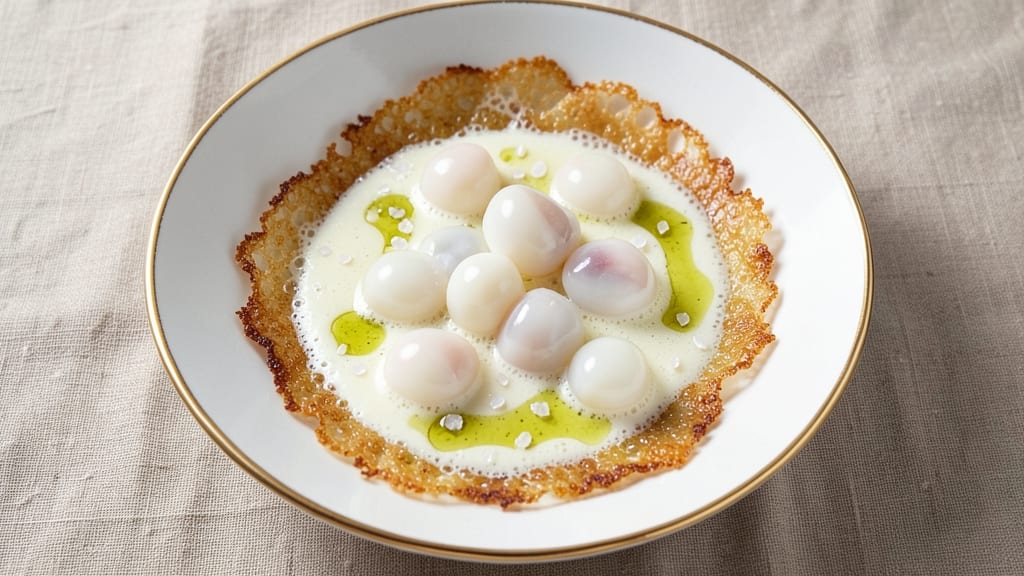
This squid eggs recipe transforms delicate uni into a crispy fried delight with a velvety yolk center that melts in your mouth. The secret lies in a light batter that creates golden-brown edges while keeping the interior silky—just like your favorite sushi bar, but made at home.
Freshness is everything here, so we’ll guide you through selecting the best uni and preparing it for the perfect fry.
What makes this recipe special is the balance between texture and flavor. The crispy exterior gives way to a rich, briny yolk that’s slightly sweet, with a hint of umami that’s pure comfort food.
We’ll use a simple, foolproof batter technique that ensures even cooking and a satisfying crunch. The dish is elegant enough for a brunch spread but easy enough for a weeknight treat.
By the end, you’ll have a platter of golden, crispy squid eggs that look as stunning as they taste. Serve them with a squeeze of lemon for brightness, a drizzle of soy sauce for depth, or a sprinkle of wasabi for a kick.
The presentation is just as important as the flavor—think delicate plating, garnishes, and a side of steamed rice to soak up every last bit.
This recipe isn’t just about the technique; it’s about the experience. The aroma of frying uni fills the kitchen, and the first bite delivers that perfect contrast of textures and flavors.
Whether you’re serving guests or treating yourself, this dish is a showstopper that proves seafood can be both simple and spectacular.
Ingredients for squid eggs
Fresh uni, light batter, and a crispy-fry technique bring sushi bar magic to your kitchen.
| Ingredient | Amount | Notes |
|---|---|---|
| Fresh Uni (Squid Eggs) 🦑 | 1 cup | High-quality, fresh from seafood market |
| All-Purpose Flour 🌾 | ½ cup | Light, for crispy batter |
| Cold Beer 🍺 | ¼ cup | Light lager preferred (chilled) |
| Ice Cold Water 💧 | ¼ cup | Fresh from fridge |
| Large Eggs 🥚 | 1 whole | Room temperature for even batter |
| Extra-Virgin Olive Oil 🫒 | ½ cup | For frying, high smoke point |
| Vegetable Oil 🫒 | ½ cup | For frying, neutral flavor |
| Kosher Salt 🧂 | 1 tbsp | Diamond Crystal preferred |
| Black Pepper 🌶️ | ½ tsp | Freshly ground for aroma |
| Lemon Wedges 🍋 | 2 whole | For serving, freshly cut |
| Japanese Soy Sauce 🥢 | 2 tbsp | For dipping, high-quality |
| Wasabi Powder 🌶️ | 1 tsp | Optional, for serving |
The uni is non-negotiable—freshness is everything. Hit your local seafood market or trusted fishmonger for the best quality. Look for uni that’s vibrant orange and plump, not dried out or discolored. Sushi King or Whole Foods often carry high-quality uni, but call ahead to confirm availability. Store it in the fridge until ready to use—don’t let it sit out for more than 30 minutes. The batter relies on cold ingredients for that perfect crisp, so keep your beer and water ice cold until you’re ready to mix. Pro tip: Use a chilled mixing bowl for the batter to keep everything cold longer.
No fresh uni? Frozen works in a pinch, but thaw it gently in the fridge overnight. Running short on beer? Cold sparkling water plus 1 tbsp lemon juice mimics the lightness. The flour is key—bread flour gives a slightly chewier crust, but all-purpose works fine. For extra crunch, add 1 tbsp cornstarch to the batter. The Japanese soy sauce should be light-colored and smooth—avoid the thick, dark varieties for dipping. Wasabi is optional but adds that signature kick—use fresh grated wasabi if you’re feeling fancy, or the powder works for most home cooks. The lemon wedges should be bright and juicy, so pick lemons that yield to gentle pressure.
Uni keeps best in the fridge for 2-3 days once opened, but use it within 24 hours for peak crispiness. The batter mix stays fresh for 1 hour in the fridge if you’re prepping ahead—just give it a quick whisk before using. Frying oil can be reused 2-3 times if you keep it hot and strain out debris. Serve these immediately—they’re best hot and crispy. For leftovers, store in an airtight container for 1 day, but honestly? They’re too good to last that long. The magic is in the moment.
Why You'll Love This Recipe
- No Fuss, No Mess: I swear by this recipe when I’m too tired to measure anything—just dump flour, crack eggs, pour beer, and stir. The batter’s so simple, my kids think they’re helping (they’re not wrong).
- Beer-Battered Magic: That cold beer in the batter? It’s the secret. Crispy outside, tender inside, and the unmistakable briny sweetness of uni makes every bite feel like a little celebration.
- Party Ready in 15: I’ve served these at game nights, potlucks, and even as a last-minute appetizer for unexpected guests. They’re the kind of thing that disappears fast—no one will believe they took less than 20 minutes.
- Budget-Friendly Luxury: Fresh uni can be pricey, but a little goes a long way here. The rest of the ingredients? Basic, cheap, and always on hand. It’s fancy enough for a date night but won’t break the bank.
Step-by-step instructions for crispy fried squid eggs
Here's how to transform delicate squid eggs into golden, crispy bites with a velvety yolk center.
Prepare the Light Beer Batter
In a medium bowl, whisk together the 0.5 cup all-purpose flour, 1 tbsp kosher salt, and 0.5 tsp black pepper until completely combined. This dry mixture forms the foundation for our crispy coating. In a separate bowl, beat the 1 whole large eggs until just frothy—no need to overmix, we're not making an omelet here.
Gradually pour in the 0.25 cup cold beer and 0.25 cup ice cold water, whisking constantly to create a smooth, thin batter. The cold ingredients are crucial—they prevent the batter from activating too quickly and ensure an even coating. The beer adds subtle depth that pairs perfectly with the seafood flavor. Your batter should be the consistency of heavy cream, slightly thicker than milk but still pourable.
Create the Frying Oil Mixture
In a deep, heavy-bottomed skillet, combine 0.5 cup extra-virgin olive oil and 0.5 cup vegetable oil. Heat over medium-low heat until the temperature reaches 350°F—this is your sweet spot for even frying without burning. Use a deep-fry thermometer to monitor the temperature precisely; it should stay steady at this mark throughout cooking. The oil mixture gives us both flavor and stability for consistent frying.
While the oil heats, prepare your squid eggs by gently separating any clusters. They should be clean and dry—pat them with paper towels if needed. The key to perfect frying is working quickly once the oil reaches temperature, so have everything ready before you begin.
Fry the Squid Eggs to Golden Perfection
Working in batches to avoid overcrowding, carefully lower the squid eggs into the hot oil using a slotted spoon. Fry for 1-2 minutes until they turn a beautiful golden brown color—this is your visual cue that they're perfectly crispy on the outside while maintaining their delicate interior. The beer batter should puff slightly as it cooks, creating that irresistible crunch.
Use tongs to transfer the fried squid eggs to a paper towel-lined plate. They'll continue cooking slightly from the residual heat, so remove them when they're just before your ideal doneness. The outside should be crisp enough to stand up to a gentle squeeze, while the inside should remain tender and silky.
Prepare Serving Components
While the squid eggs are still warm, prepare your dipping sauce by combining 2 tbsp Japanese soy sauce with a pinch of black pepper in a small bowl. For an optional kick, mix 1 tsp wasabi powder with a few drops of water to create a paste, then stir it into the soy sauce. This umami-packed sauce cuts through the richness of the fried squid eggs beautifully.
Arrange the 2 whole lemon wedges on a serving platter alongside the fried squid eggs. The bright citrus acid provides a perfect contrast to the rich, savory flavors. Serve immediately while everything is at its peak temperature—crispy exterior, silky interior, and that magical yolk center that makes these bites truly special.
Pro Tips For Making Squid Eggs
- RINSE THE UNI FIRST: Fresh uni sticks to everything—flour, your fingers, the bowl. Give it a quick rinse under ice-cold water before coating, or you’ll fight a sticky mess later. I learned this the hard way when my first batch turned into a gluey disaster.
- CHILL THE BEER: Cold beer isn’t just for drinking—it’s for coating. Pull it straight from the fridge (or better yet, freeze it for 20 minutes) so the batter stays thick and clings to the uni. Warm beer = thin, runny batter = sad, greasy fritters.
- DOUBLE-DIP THE UNI: Flour first, dip in beer batter, then back into flour for a second coat. The extra flour locks in the crunch and prevents the batter from sliding off when frying. Yes, it’s messy, but it’s the thing that matters most for texture.
- FRY IN BATCHES: Overcrowding the pan drops the oil temp, and your uni turns soggy instead of golden. Fry 2-3 pieces at a time—no more, no less—and resist the urge to flip too soon. They’re done when the batter’s deep golden, not when you’re impatient.
Wine and beer pairings for this dish
Japanese Sake Pairing
A crisp, dry Junmai Daiginjo sake from Japan is my go-to pairing for these fried squid eggs. The delicate floral and citrus notes in a sake like Hakkaisan Junmai Daiginjo complement the briny richness of the uni without overpowering it.
Serve it chilled at 45-50°F—the cool temperature enhances the crispy texture while the subtle sweetness balances the salty batter. 🍶
Light Lager Harmony
Since we're using beer in the batter, why not continue the theme? A Belgian-style witbier like Hoegaarden or a crisp German Pilsner like Warsteiner works beautifully. The effervescence cleanses your palate between bites, while the malt sweetness mirrors the natural sugars in the uni.
For maximum freshness, keep your beer in the fridge until serving.
Umami-Rich Soy Sauce
While not a beverage, the Japanese soy sauce we use for dipping deserves special mention. Opt for a light-colored, high-quality brand like Kikkoman or Hiyoko. The umami depth in these sauces mirrors the natural flavors of the uni, creating a perfect harmony.
For an extra touch, add a drop of mirin to your soy sauce before serving—it adds a subtle sweetness that enhances the overall experience. 🥢
Citrus Sparkle
The lemon wedges we serve alongside aren't just for garnish—they're essential for cutting through the richness. A Meyer lemon adds a touch of floral sweetness that pairs beautifully with the fried squid eggs.
Squeeze just a drop over each bite to awaken your taste buds between each crispy morsel. The acidity also helps reset your palate, making each bite taste fresh.
Spicy Kick Option
For those who love heat, a spicy sake cocktail makes an exciting pairing. Mix 1 oz shochu with ½ oz wasabi paste and a splash of yuzu juice, then serve over ice. The fiery kick complements the crispy exterior while the citrus brightness mirrors the lemon we serve.
This combination is perfect for those who want to experience the full flavor spectrum of these delicate bites. 🌶️
Nutrition facts
Frequently asked questions
What's the best way to store fresh squid eggs before using them?
Keep them refrigerated in their original container with the lid tightly sealed. Use within 2-3 days for peak freshness and texture. If you won't use them immediately, store in an airtight container with a paper towel pressed on top to absorb any moisture. Never freeze fresh squid eggs—they lose their delicate texture when thawed.
Can I substitute beer with another liquid in the batter?
Yes, but beer adds subtle depth that enhances the flavor. Use ice-cold sparkling water plus 1 tbsp lemon juice for a similar lightness, or cold milk for a slightly richer batter. Avoid warm liquids—they'll make the batter too thick and prevent proper crispiness. The key is keeping everything cold for that perfect texture.
How do I know when the squid eggs are fully cooked?
Look for a beautiful golden brown color that's evenly crispy all around. The batter should puff slightly and hold its shape when gently squeezed with tongs. If you cut one open, the center should be just set but still tender—overcooking turns the yolk rubbery. 1-2 minutes in 350°F oil is ideal for perfect doneness.
What's the secret to keeping the fried squid eggs crispy?
Serve them immediately after frying—they lose crispness as they cool. Keep the oil at a consistent 350°F and avoid overcrowding the pan. For leftovers, reheat in a dry skillet over medium heat for 30 seconds per side to restore crispness. Store in an airtight container with a paper towel underneath to absorb moisture.
Are squid eggs the same as sea urchin roe?
Yes! Squid eggs (uni) are the same as sea urchin roe—both refer to the delicate, briny caviar-like eggs harvested from sea urchins. The terms are often used interchangeably in culinary contexts. What makes them special is their rich, slightly sweet flavor with a creamy texture that melts in your mouth.