
Beverages
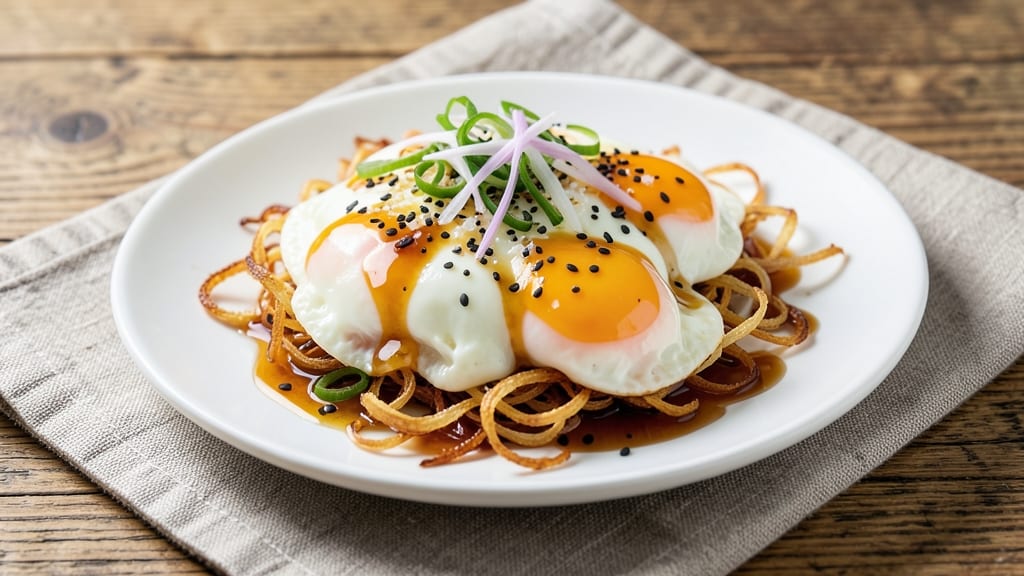
Mastering the perfect steam egg recipe starts with the water ratio—this delicate balance transforms ordinary eggs into silky, custardy bites with crispy crowns. The secret lies in precise measurements: for every 1 egg, use 1 cup water for a firm texture or 1.5 cups for a softer, jiggly center.
This ratio ensures the eggs cook evenly without breaking, creating a restaurant-quality dish at home.
What sets this recipe apart is the control over texture—whether you prefer a firm, sliceable bite or a wobbly, custard-like center. The steaming process preserves the egg's natural richness while allowing for endless flavor variations, from classic soy-dashi broths to herb-infused infusions.
Each batch delivers a clean, elegant dish that's both visually stunning and deeply satisfying.
The result is a dish where the crispy crown contrasts beautifully with the tender yolk inside, creating a texture that's impossible to resist. Perfect for brunch, light lunches, or as a sophisticated appetizer, these steamed eggs elevate any meal with minimal effort.
The technique is foolproof once you nail the water ratio.
For added depth, consider incorporating umami-rich broths or delicate herbs like chives or scallions. This recipe isn't just about technique—it's about transforming simple ingredients into something extraordinary. Let's get started on creating your perfect steamed eggs.
Ingredients for steam egg recipe water ratio
Four eggs, four cups water—this ratio creates silky yolks with crispy crowns every time.
| Ingredient | Amount | Notes |
|---|---|---|
| Large Eggs 🥚 | 4 whole | Freshly laid preferred for best texture |
| Water 💧 | 4 cups | Filtered or distilled for clarity |
| Soy Sauce 🍶 | 2 tbsp | Kikkoman preferred for umami depth |
| Mirin 🍶 | 1 tbsp | Sweet cooking wine for balance |
| Rice Vinegar 🍶 | 1 tbsp | Seasoned preferred for complexity |
| Sesame Oil 🫒 | 1 tsp | Toasted for nutty aroma |
| Fresh Ginger 🌿 | 1 tsp | Finely grated, aromatic |
| Green Onion 🧅 | 2 whole | Thinly sliced for garnish |
| Vegetable Oil 🫒 | 1 tbsp | High smoke point for steaming |
| Salt 🧂 | ½ tsp | Diamond Crystal preferred |
| White Pepper 🌶️ | ¼ tsp | Freshly ground for subtle heat |
| Cornstarch 🌾 | 1 tbsp | For crispy egg crowns |
The eggs are the star, so freshness matters. Grab the freshest eggs you can find—the yolks will be vibrant and rich. For the water, filtered or distilled works best to avoid cloudiness. The soy sauce, mirin, and rice vinegar trio is non-negotiable for that perfect umami balance. I always stock Kikkoman soy sauce and Hiro Japanese mirin from the Asian market—they make all the difference. The sesame oil should be toasted, not the cheap flavored kind. Trader Joe's has a great option if you don't want to hunt for it. Fresh ginger is a must—dried just won't cut it here.
No soy sauce? Coconut aminos at double the amount works in a pinch. Short on mirin? White wine vinegar plus 1 tsp sugar mimics the sweetness. The cornstarch is crucial for those crispy crowns—don't skip it! For extra umami, add 1 tsp dashi powder to the water. The green onions can be swapped for chives if that's what you have. Want more heat? Add a dash of Sichuan peppercorn powder to the water. And if you're feeling fancy, infuse the water with a star anise pod for 10 minutes before steaming—trust me, it's worth it.
This recipe reheats beautifully—just pop the eggs in a 350°F oven for 5 minutes to restore crispiness. The broth keeps for 3 days in the fridge or 3 months frozen. I always make extra broth—it's perfect for stir-fries or as a quick soup base. For the eggs, store them in the broth in the fridge for up to 2 days. The cornstarch mixture can be prepped ahead and kept in the fridge for 1 week. Pro tip: Use a fine-mesh strainer when straining the broth to keep it crystal clear.
Why You'll Love This Recipe
- No-Fuss Setup: I swear by this recipe because it’s literally three ingredients plus water—no chopping, no peeling, no fuss. Just crack eggs into a steamer, add the water-to-egg ratio (trust me, it’s foolproof), and let the soy, mirin, and vinegar work their magic while you sip your coffee.
- Umami Bomb: That perfect balance of salty soy, sweet mirin, and tangy vinegar? It’s like a flavor explosion in your mouth. The eggs come out tender but firm, with a glossy sheen that makes them look (and taste) restaurant-quality—without the effort.
- Lunchbox Hero: Between us, this is my go-to for packed lunches or quick office meals. The ratio works perfectly for batch cooking—steam a dozen eggs at once, and you’ve got protein-packed bites for days. My coworkers still ask where I get them from.
- Budget Magic: Eggs are cheap, water is free, and a splash of soy and mirin stretches a long way. I make this at least twice a week, and it’s always a win—whether I’m feeding myself or a crowd. Plus, leftovers? They stay fresh for days in the fridge, ready to grab and go.
Step-by-step instructions for perfectly steamed eggs with crispy crowns
Here's how to master the perfect balance between silky yolks and irresistible crispy tops.
Prepare the Steaming Liquid with Precision
Combine the 4 cups water, 2 tablespoons soy sauce, 1 tablespoon mirin, 1 tablespoon rice vinegar, ½ teaspoon salt, ¼ teaspoon white pepper, and 1 teaspoon finely grated fresh ginger in a clean saucepan. Bring to a gentle simmer over medium-low heat—you want small, steady bubbles just breaking the surface, not a rolling boil. This carefully balanced liquid creates the perfect flavor foundation while maintaining the right moisture level for silky eggs.
Here's the thing—mirin and rice vinegar might seem like small amounts, but they're essential for that authentic umami-sweet balance. The ginger adds subtle warmth that complements the soy sauce's saltiness. Let the mixture simmer for 3 minutes to allow the flavors to meld before proceeding. You'll notice the aroma become more complex as the ingredients integrate—this is your cue that the liquid is ready for the eggs.
Create the Cornstarch Slurry for Crispy Crowns
In a small bowl, whisk together the 1 tablespoon cornstarch with 1 teaspoon toasted sesame oil until completely dissolved. This slurry is the secret to those coveted crispy egg crowns. The cornstarch creates a delicate crust while the sesame oil adds nutty depth that carries through to the final texture. Keep this mixture nearby—you'll use it immediately after the eggs are steamed.
I like to use a small whisk for this step to ensure no lumps remain. The slurry should be smooth and slightly glossy, almost like a thin paste. This consistency allows it to spread evenly over the eggs' tops when we apply it later. Don't worry if it looks too thin—it will thicken beautifully when heated.
Steam the Eggs to Silky Perfection
Gently lower the 4 whole large eggs into the simmering liquid using a slotted spoon. Arrange them so they're not touching each other or the sides of the pan. The water level should come about ½ inch below the tops of the eggs—this ensures even cooking without overflow. Cover the pan with a tight-fitting lid and reduce heat to low, maintaining just enough steam to keep the liquid at a gentle simmer.
Steam for 10-12 minutes—this is where patience pays off. You'll know they're done when the whites are completely set but the yolks remain vibrant and jiggly. Here's how to test: carefully remove one egg with a slotted spoon and let it cool slightly. The white should be fully opaque with no translucent areas, and when you gently press the top, it should yield slightly but hold its shape. This indicates perfect doneness where the centers stay silky.
Apply the Crispy Crown Technique
Remove the eggs from the steaming liquid and transfer them to a wire rack set over a heatproof plate. Immediately brush each egg's top with the cornstarch-sesame oil slurry using a pastry brush. Work quickly but carefully—you want even coverage without disturbing the egg's shape. The slurry will look thin at first, but that's exactly what we want for that delicate crust.
Here's the magic: place the plate with the brushed eggs under a preheated broiler for 2-3 minutes. Watch closely as the tops transform from glossy to golden brown and crispy. You're aiming for that perfect contrast—silky interior with a satisfying crunch on top. The sesame oil will give off a wonderful nutty aroma as it crisps, signaling it's ready. If you see any areas browning too quickly, move the plate slightly to prevent burning.
Finish with Garnish and Serve Immediately
Remove the eggs from the broiler and let them cool for 2 minutes—this allows the crispy crowns to set completely. While they cool, thinly slice the 2 whole green onions and arrange them on a serving platter. Carefully transfer the eggs to the platter, placing them on their sides to showcase that beautiful crispy top.
Serve immediately while the crowns are still crisp and the yolks remain perfectly silky. Each bite should deliver that satisfying contrast—creamy yolk giving way to a delicate crunch on top. The flavor profile should be complex: salty from the soy sauce, slightly sweet from the mirin, with a subtle heat from the ginger and white pepper. The sesame oil adds that final nutty dimension that makes this dish truly special.
Pro Tips For Making Steam Egg Recipe Water Ratio
- Use 1:3 Water Ratio: Start with 1 cup water to 3 large eggs—this gives you a gentle, even steam without drowning the eggs. Too much water? They’ll turn out watery. Too little? They’ll stick to the pan like glue.
- Prep Eggs at Room Temp: Cold eggs from the fridge shock the steam and make them cook unevenly. Take them out 30 minutes before cooking—yes, even if you’re in a rush, this small step keeps the whites tender and yolks creamy.
- Simmer, Don’t Boil: Once the water hits a gentle simmer (tiny bubbles, not rolling), cover the pan and turn the heat to lowest possible. Boiling water = rubbery eggs. I learned this after making a batch that tasted like overcooked pasta.
- Add Vinegar Last: Splash in 1 tablespoon rice vinegar right before removing the eggs—it brightens the flavor without making the water too acidic. If you add it too early, the eggs will absorb the sharpness and taste off.
Storing and reheating your steam egg recipe water ratio
Broth Storage Tips
The steaming liquid (broth) keeps beautifully for future use—store it in an airtight container in the fridge for up to 3 days or freeze for 3 months. I use glass mason jars because they preserve flavor better than plastic.
When reheating, warm it gently on the stovetop to 165°F—never microwave, as it can degrade the delicate soy and mirin flavors. This broth works wonders in stir-fries or as a base for miso soup. 💧
Egg Reheating Secrets
To restore that crispy crown after storage, place eggs in a 350°F oven for 5-7 minutes on a wire rack. The residual heat will reactivate the cornstarch crust while keeping the yolk warm.
For microwave reheating, cover with a damp paper towel and heat on 50% power for 20-30 seconds—this prevents rubbery textures. The eggs are best enjoyed fresh, but reheating works surprisingly well when done right. 🔥
Freezer-Friendly Prep
For meal prep, steam the eggs as directed, then store them in the broth in a freezer-safe container for up to 1 month. Thaw overnight in the fridge before reheating.
I like to portion the broth separately in ice cube trays—just pop out what you need for future batches. The cornstarch slurry can be prepped ahead and stored in the fridge for 1 week in a small sealed container. This makes Sunday prep a breeze for busy weeknights. ❄️
Broth Flavor Boosts
Revitalize stored broth by adding 1 tsp dashi powder or a splash of Hiro mirin when reheating. For extra depth, simmer with ½ inch fresh ginger slice for 5 minutes before using.
I've also had great results adding 1 tsp toasted sesame oil to reheated broth—it restores that nutty aroma beautifully. The broth absorbs these flavors quickly, so add them just before using. 🌿
Texture Preservation
If reheated eggs feel too soft, brush the crowns with a 50/50 mix of cornstarch and water before broiling for 1-2 minutes to restore crispiness. For extra protection, store eggs in their steaming liquid—this keeps them moist and prevents the whites from drying out.
I always reheat eggs in their broth to maintain that perfect silky texture. The key is gentle heat—never let them sit in hot liquid for more than 10 minutes. 💡
Make-Ahead Broth
Double the broth recipe and freeze half for future use—it's perfect for quick egg steaming sessions. When ready to use, thaw overnight in the fridge, then reheat gently. I keep a quart-sized mason jar of broth in my freezer at all times for spontaneous egg cravings.
For extra convenience, prepare the cornstarch slurry ahead and store it in a small jar in the fridge. This way, you're always ready to create crispy crowns in minutes. 📅
Nutrition facts
Frequently asked questions
Why does the water ratio matter so much in steamed eggs?
The water-to-egg ratio controls both texture and cooking time. Too little water (less than 1 cup per egg) risks uneven cooking or cracked eggs, while too much (over 1.5 cups per egg) dilutes flavors and creates watery yolks. The 1:1 ratio (4 cups water for 4 eggs) ensures gentle, even heat transfer for silky whites with a firm but tender center.
Can I use tap water instead of filtered water?
Tap water works fine for flavor, but filtered or distilled water creates clearer, more visually appealing eggs. The minerals in tap water can sometimes cause slight cloudiness in the steaming liquid. If you're concerned about clarity, simply strain the broth through a fine-mesh sieve before using it for the second time.
What happens if I don't use the cornstarch slurry?
Without the cornstarch-sesame oil mixture, you'll lose that signature crispy crown! The cornstarch creates a delicate, golden crust while the sesame oil adds nutty depth. Skip it, and you'll have perfectly good silky eggs—but they'll lack that satisfying textural contrast that makes this dish special. Think of it as the "secret weapon" for restaurant-quality results at home.
How do I adjust the recipe for fewer/more servings?
Maintain the 1:1 water-to-egg ratio for best results. For 2 servings, use 2 eggs and 2 cups water—simply halve all other ingredients proportionally. For 6 servings, use 6 eggs and 6 cups water. The key is keeping the liquid level about ½ inch below the egg tops during steaming to ensure even cooking.
Can I make these eggs ahead of time?
Yes! Steam the eggs as directed, then store them in their broth in an airtight container in the fridge for up to 2 days. To reheat, warm in a 350°F oven for 5-7 minutes to restore crispiness. For longer storage, freeze the eggs (still in broth) for up to 1 month. The broth itself keeps for 3 days refrigerated or 3 months frozen—perfect for quick future batches.