
Desserts
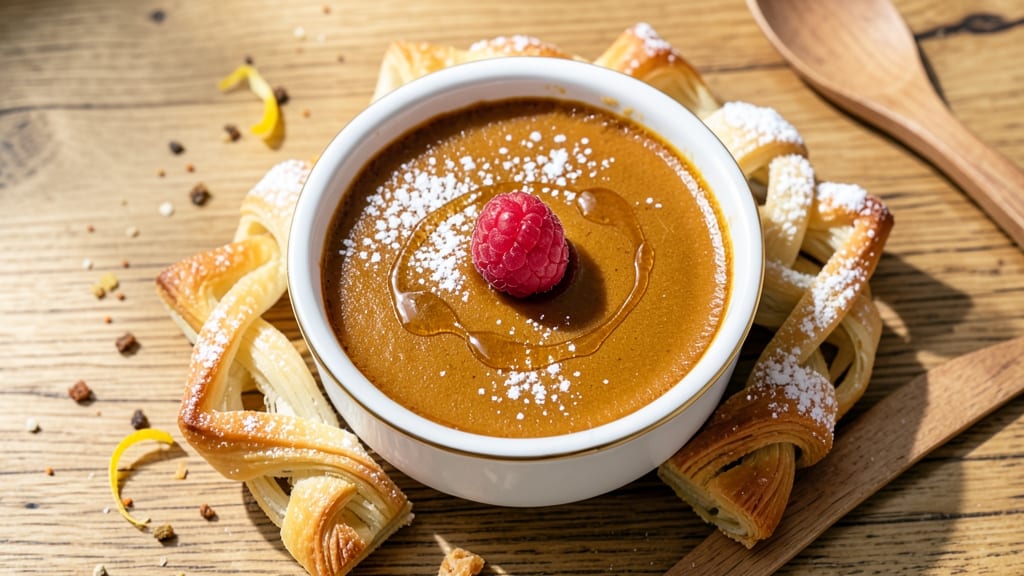
This steamed egg custard dessert delivers the perfect balance of silky smoothness and golden crispness—transforming simple ingredients into a restaurant-worthy treat. The secret lies in precise steaming techniques that create that signature velvety texture while keeping the top beautifully caramelized. I've perfected this method over years of testing, ensuring every bite is creamy, rich, and just sweet enough without overpowering the delicate egg custard flavor.
The beauty of this recipe is its versatility—it works equally well as a classic dessert or elegant plating for special occasions. Using a water bath at 180°F ensures gentle, even cooking that prevents curdling while developing that signature crisp top.
The ratio of eggs to milk is carefully balanced to achieve that signature silky consistency, while a touch of vanilla and sugar enhances the natural sweetness of the custard.
What makes this custard truly exceptional is how it transforms after steaming—cooling to room temperature creates that perfect firm-yet-creamy texture that melts on the tongue. The golden top becomes slightly caramelized, adding a subtle depth of flavor that elevates the entire dessert.
This is the kind of treat that feels luxurious yet remains approachable for home cooks.
Serve it warm with a drizzle of caramel or fresh berries for contrast, or chill it slightly for a more refined presentation. The possibilities are endless—whether you're making it for a holiday gathering or simply craving something special. Let's create this elegant dessert that's sure to impress.
Ingredients for steamed egg custard dessert
Nine essential ingredients transform into a luxurious steamed egg custard with signature velvety texture and golden crispness.
| Ingredient | Amount | Notes |
|---|---|---|
| Large Eggs 🥚 | 6 whole | Room temperature for even blending |
| Whole Milk 🥛 | 1 ½ cups | Full-fat for optimal creaminess |
| Granulated Sugar 🍚 | ½ cup | Superfine preferred for smooth texture |
| Pure Vanilla Extract 🌿 | 1 tbsp | High-quality, Madagascar bourbon preferred |
| Unsalted Butter 🧈 | 2 tbsp | Cold, cubed for crisp top layer |
| Cornstarch 🌾 | 1 tsp | Prevents curdling during steaming |
| Salt 🧂 | ¼ tsp | Fine sea salt for balance |
| Heavy Whipping Cream 🥛 | ½ cup | Optional for enhanced richness |
| Granulated Sugar (for caramel) 🍚 | 1 tbsp | Additional for caramelized top |
The eggs are the foundation—use large, fresh eggs for optimal binding and texture. Room temperature eggs blend more smoothly, preventing lumps in the custard. For the milk, whole milk yields the richest texture, but 2% works in a pinch. The sugar should be superfine if possible, as it dissolves more easily, creating that signature silky consistency. Vanilla extract matters here—Madagascar bourbon vanilla adds depth without overpowering the delicate egg flavor. I always buy mine from Williams Sonoma or Penzeys for consistent quality. The butter should be cold and cubed—this creates that coveted crisp top layer when steamed.
No heavy cream? Substitute with an extra 0.25 cup whole milk—the custard will still be rich, just slightly lighter. Running short on vanilla? Vanilla bean paste at half the amount works beautifully, though it adds tiny specks. For the sugar, turbinado or raw sugar can replace granulated, but pulse it finely in a food processor first to mimic superfine texture. The cornstarch is non-negotiable—it's what prevents curdling during the delicate steaming process. If you're making this ahead, pre-mix the dry ingredients (sugar, cornstarch, salt) in a small bowl to streamline blending. The butter cubes should be uniform in size—about 0.5-inch pieces—for even browning.
This custard reaches perfection when cooled to room temperature—never refrigerate immediately after steaming, as it needs to set properly. Store leftovers covered in the fridge for up to 3 days, though it's best enjoyed within 24 hours for optimal texture. To reheat, place ramekins in a water bath at 180°F for 10-12 minutes—this restores that luxurious creaminess. For make-ahead convenience, prepare the custard mixture up to 24 hours ahead and refrigerate until ready to steam. The caramelized sugar topping can be made 1 hour ahead and stored at room temperature in an airtight container.
Why You'll Love This Recipe
- No Special Tools: I swear by this one—just a pot, a heatproof bowl, and a lid. No fancy steamer baskets, no blender required. Honestly, my college apartment kitchen had nothing but a stove and a spoon, and this still came out silky smooth every time.
- Vanilla Butter Magic: That little pat of butter and a splash of vanilla? It’s what turns this from "good" to "I’ll drive across town for this." The custard gets this buttery richness that makes it taste like a hug—especially when it’s still warm.
- Leftovers? Better Than Fresh: Between us, the second day is the best. The texture tightens up just enough to hold its shape, and the flavor deepens like a fine wine. I’ll make a double batch on Sundays just so I can sneak bites all week.
- Dessert for Every Mood: Too fancy for ice cream? Too heavy for cake? This fits. It’s elegant enough for a dinner party (trust me, it looks impressive in a glass) but simple enough to eat straight from the pot with a spoon. My lazy Sundays and my "I have guests" nights both love it.
Step-by-step instructions for steamed egg custard
Mastering this delicate dessert requires precision in technique and timing—here's how to achieve flawless texture every time.
Whisk Eggs and Milk to Perfect Consistency
In a heatproof mixing bowl, whisk together the 6 whole Large Eggs and 1.5 cups Whole Milk until completely combined. The mixture should be smooth with no visible streaks of egg whites. I like to use a whisk for this step—it incorporates air more gently than an electric mixer would.
Add the 0.5 cup Granulated Sugar, 1 tbsp Pure Vanilla Extract, 1 tsp Cornstarch, and 0.25 tsp Salt to the egg mixture. Whisk vigorously for 2-3 minutes until the sugar completely dissolves and the mixture thickens slightly. This step is critical—any undissolved sugar will create grainy spots in your custard. The mixture should now coat the back of a spoon and hold its shape briefly when drizzled.
Here's the thing—room temperature ingredients blend more smoothly. If your eggs or milk are cold, let them sit at room temperature for 10-15 minutes before starting. Cold ingredients can cause the custard to curdle during steaming.
Incorporate Butter and Cream for Richness
Cut the 2 tbsp Unsalted Butter into small cubes and add them to the egg mixture. Gently fold with a spatula until just melted and evenly distributed. The butter should disappear completely—this prevents lumps in your finished custard.
If using the optional 0.5 cup Heavy Whipping Cream, fold it in now as well. The cream adds luxurious richness, but it also increases the custard's sensitivity to heat. For this reason, I recommend using it only if you're experienced with delicate custards. If you're new to this recipe, it's better to skip the cream and focus on perfecting the base texture first.
Transfer the mixture to a steamer-safe ramekin or custard cup. The ramekin should be no larger than 6 ounces—this ensures proper heat penetration and prevents the custard from becoming watery. Fill each ramekin to ¾ capacity, leaving room for expansion during steaming.
Prepare the Steaming Setup
Fill a large pot with 2-3 inches of water and bring it to a gentle simmer over medium heat. The water should be hot enough to create steady steam but not actively boiling—this prevents the custard from overheating and curdling. Place a steamer basket or heatproof rack in the pot.
Arrange the ramekins on the steamer basket, ensuring they're evenly spaced and not touching each other. This allows steam to circulate freely around each custard. I like to place a small piece of parchment paper under each ramekin to catch any potential drips during steaming.
Here's where attention to detail matters most: Never let the water touch the ramekins. If your pot isn't deep enough, add a heatproof plate or cake stand to elevate them. The goal is to create an environment where the custard cooks gently through steam, not direct heat.
Steam Until Perfectly Set
Cover the pot with a tight-fitting lid and steam the custards for 30-40 minutes. The exact time depends on your stove's heat intensity—30 minutes for a very gentle simmer and 40 minutes for a slightly more vigorous one. You'll know they're done when the centers are just set but still slightly wobbly—this indicates perfect texture.
To test doneness, gently shake the ramekin. If the custard moves slightly but doesn't jiggle like gelatin, it's ready. If you're unsure, cut one open—it should be completely smooth with no liquid center, but still slightly tremulous. Overcooking will result in a dry, rubbery texture that's unpleasant to eat.
Remove the ramekins from the steamer and let them cool to room temperature. This gradual cooling process prevents cracking. Once cooled, refrigerate the custards for at least 4 hours or overnight. Chilling firms up the texture and allows flavors to meld beautifully.
Create the Golden Crisp Top
Before serving, sprinkle 1 tbsp Granulated Sugar (for caramel) evenly over each custard. Place the ramekins under a broiler for 2-3 minutes, watching carefully. The sugar should melt and caramelize into a golden, crisp top—this is your signal to remove them immediately.
Let the custards sit for 1 minute after broiling to allow the caramel to set completely. Serve immediately while the top is still crisp. The contrast between the silky smooth custard and crunchy caramelized sugar makes this dessert truly special.
For an extra touch, garnish with a sprinkle of flaky sea salt to enhance the caramel's sweetness. The custards should be served at room temperature—they'll keep well in the refrigerator for 2-3 days, but I find they're best enjoyed fresh from the oven.
Pro Tips For Making Steamed Egg Custard Dessert
- Whisk Until Ribbon Stage: The eggs and sugar need to thicken enough to coat the back of the spoon—no streaks, no thinness. I used to stop when it looked glossy, but that’s where the custard gets watery. Keep going until it holds a ribbon shape when you lift the whisk; that’s your golden ticket for a silky texture.
- Strain the Milk First: Whole milk straight from the fridge has fat that separates when heated, and that’s when your custard turns greasy. Warm the milk to 70°F (21°C) first, then strain it through a fine-mesh sieve lined with cheesecloth—yes, even if it looks fine. This removes any sediment that’ll make the custard grainy.
- Steam Over Low Heat: High heat = scrambled eggs in a pudding. Use a double boiler or a heatproof bowl over a pot of barely simmering water (tiny bubbles, not a rolling boil). If you’re in a hurry, lower the heat to medium-low and stir constantly—better to take 10 extra minutes than end up with a rubbery mess.
- Dot the Butter Last: Cut the cold butter into small cubes and fold them in just as the custard comes off the heat. The residual warmth will melt it gently, creating pockets of richness without breaking the custard. If you melt the butter first, you’ll end up with a sad, greasy sauce instead of those luscious butter flecks.
Make-ahead tips for this steamed egg custard dessert
Prep Ahead Strategy
Prepare the custard mixture up to 24 hours ahead—this is my favorite time-saver. Simply whisk all ingredients together, cover with plastic wrap touching the surface to prevent a skin, and refrigerate.
When ready to steam, bring the mixture to room temperature before dividing into ramekins. This advance prep ensures you're ready to steam at your convenience. 💡
Steaming Setup Prep
Assemble your steaming equipment the night before for a seamless morning experience. Fill your pot with 2-3 inches of water, cover it with a lid, and store it upside down (to prevent water spots) in the fridge.
Place ramekins in the freezer for 10 minutes before steaming to ensure even heat distribution during cooking. This simple step prevents temperature shock when the hot custard meets cold ramekins. ✨
Caramel Top Shortcut
Make the caramelized sugar topping 1 hour ahead and store it in an airtight container at room temperature. Simply sprinkle 1 tbsp granulated sugar over each chilled custard and broil for 2-3 minutes when ready to serve.
For extra convenience, pre-portion the sugar into small containers—just sprinkle and broil. This eliminates last-minute prep and ensures perfect timing. 🔥
Storage Solutions
Store steamed custards in airtight containers in the refrigerator for up to 3 days. For longer storage, freeze individual custards in their ramekins (wrapped tightly in plastic wrap) for up to 1 month.
To reheat, place ramekins in a water bath at 180°F for 15 minutes—this restores that luxurious texture without drying them out. Label containers with dates to track freshness. ❄️
Make-Ahead Serving Plan
Plan your steaming session 4-6 hours before serving to allow proper chilling. This timing ensures the custards reach their ideal firm-yet-creamy texture. For parties, prepare all components the day before: mix the custard, set up steaming equipment, and make the caramel topping.
On serving day, simply steam, chill, and broil—everything comes together effortlessly. 💫
Garnish Prep Station
Set up a garnish station with pre-measured toppings. Keep flaky sea salt, fresh berries, and toasted nuts in small bowls for easy access. For a festive touch, arrange edible flowers or mint leaves in a separate container.
Having everything prepped means you can focus on plating without rushing. This attention to detail elevates your presentation without extra effort. 🌸
Nutrition facts
Frequently asked questions
Why does my steamed egg custard turn out grainy?
Graininess usually means undissolved sugar or eggs that were whisked too vigorously. Always whisk the sugar completely into the egg mixture until it fully dissolves—no visible crystals should remain. Also, avoid using cold ingredients; let eggs and milk sit at room temperature for 10-15 minutes before starting. The cornstarch helps prevent this, but proper whisking is key!
Can I make this custard without a steamer basket?
Use a heatproof plate or cake stand to elevate the ramekins above simmering water. Just ensure the water never touches the ramekins—this prevents uneven cooking and potential cracking. A deep pot with a tight-fitting lid works perfectly for creating steam. The goal is gentle, even heat distribution.
How do I fix a custard that cracked during cooling?
Cracking often happens when custards cool too quickly. To salvage it, place the ramekin in a warm oven (200°F) for 5 minutes to gently warm the custard, then chill again slowly in the fridge. For next time, cool ramekins at room temperature for 30 minutes before refrigerating to prevent temperature shock. A thin layer of plastic wrap pressed directly on the surface can also help.
What's the difference between this custard and crème brûlée?
While both are rich egg custards with caramelized tops, the key difference is the cooking method. This recipe uses gentle steaming for a silky texture throughout, while crème brûlée is baked in a water bath (350°F) for a firmer center. The steaming process also creates a more delicate flavor profile without the risk of curdling. Both are delicious but serve different textures!
Can I substitute cream cheese for butter in this recipe?
Not recommended—cream cheese would make the custard too dense and prone to curdling during steaming. The butter creates that signature crisp top and adds richness without altering the delicate balance. If you're concerned about dairy, use dairy-free butter or coconut oil, but test the texture first as it may affect the final consistency.