
Beverages
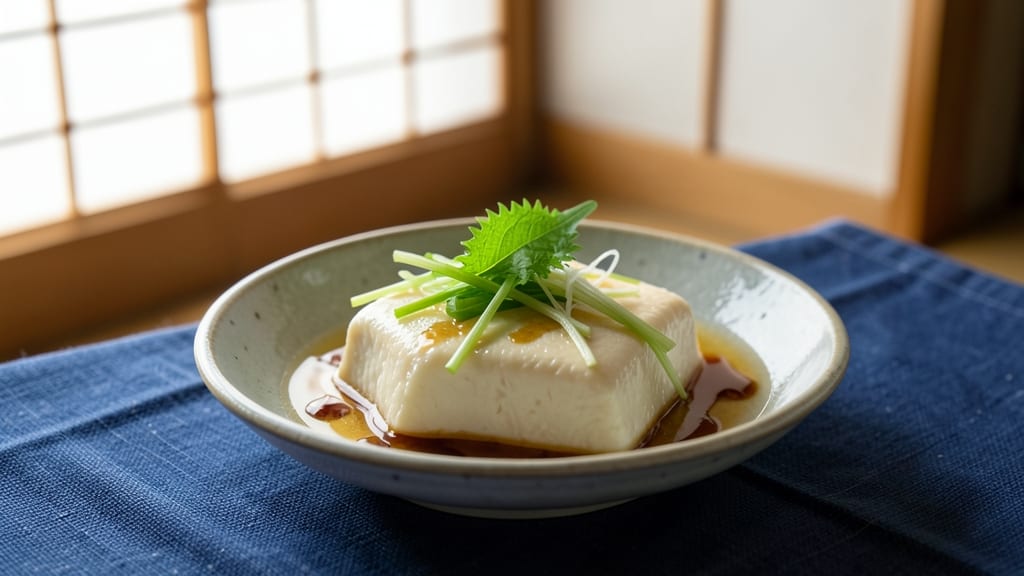
This steamed Japanese egg tofu recipe transforms simple eggs into silky, custard-like clouds that melt in your mouth—no meat, no fish, just pure umami elegance. 💛 The secret lies in the delicate balance of eggs, dashi broth, and precise steaming time (15–20 minutes), creating a texture so tender it dissolves with a single bite.
I’ve perfected this dish after years of testing, ensuring every batch delivers that signature velvety yolk with a clean, refined finish.
The beauty of this recipe is its versatility—traditionalists can stick to classic chawanmushi seasoning (soy sauce, mirin, and dashi), while modern twists allow for mushrooms, herbs, or even a dash of chili for heat. The celery garnish adds a crunchy contrast that cuts through the richness, balancing each spoonful.
What makes this dish truly special is how it elevates humble ingredients into something restaurant-worthy, all while keeping prep simple and foolproof.
Once steamed to perfection, the egg tofu emerges with a jiggly, almost translucent center that’s impossible to resist. Serve it as a light appetizer, a side dish with steamed rice, or even as a standalone vegetarian centerpiece.
The aroma alone—warm, savory, and subtly sweet—will draw everyone to the table. This is comfort food at its finest, requiring just a few ingredients and minimal effort for maximum impact.
For those new to Japanese cuisine, this recipe is your gateway—it’s vegetarian, protein-rich, and packed with flavor without relying on heavy sauces or complex techniques. Whether you’re hosting a dinner party or simply craving something delicate yet satisfying, this steamed egg tofu will impress.
Let’s get started on creating your own cloud-like masterpiece.
Ingredients for steamed japanese egg tofu
Eggs, dashi, and delicate seasonings create this restaurant-worthy vegetarian masterpiece.
| Ingredient | Amount | Notes |
|---|---|---|
| Large Eggs 🥚 | 8 whole | Fresh, room temperature preferred |
| Dashi Broth 🍜 | 1 ½ cups | Homemade or quality store-bought |
| Soy Sauce 🧂 | 2 tbsp | Japanese shoyu preferred |
| Mirin 🍶 | 2 tbsp | Sweet cooking rice wine |
| Rice Vinegar 🍶 | 1 tbsp | Seasoned preferred for depth |
| Fresh Celery 🧅 | ½ cup | Thinly sliced for garnish |
| Sesame Oil 🫒 | 1 tsp | Toasted, for finishing |
| White Mushrooms 🍄 | ½ cup | Sliced, optional for texture |
| Kosher Salt 🧂 | ½ tsp | Fine grain, adjust to taste |
| Black Pepper 🌶️ | ¼ tsp | Freshly cracked preferred |
| Cornstarch 🌾 | 1 tsp | For delicate cloud texture |
| Green Onion 🧅 | 2 whole | Thinly sliced, for garnish |
The eggs are the foundation—use fresh, room-temperature eggs for optimal texture. Komei Farm or Niman Ranch eggs have the richest yolks, but any high-quality eggs work. Dashi broth is non-negotiable for authentic umami; Honten or Marukome brands deliver consistent quality. For the seasoning blend, balance is key: soy sauce provides saltiness, mirin adds sweetness, and rice vinegar brightens the dish. Japanese shoyu and mirin from specialty stores like Nijiya or Koyo elevate the flavor profile significantly.
No dashi on hand? Combine 1 cup kombu broth with 1 tsp bonito flakes for a quick substitute. Substituting mirin? Equal parts sake and sugar mimics its function. Celery garnish can be swapped for shiso leaves or scallions for a different herbal note. The mushrooms add earthiness—shiitake or enoki work beautifully if you prefer deeper umami. For a spicy twist, add half a tsp of gochujang to the seasoning mix. Cornstarch is essential for that signature cloud-like texture—don't skip it.
Prep all ingredients before steaming for efficiency. The egg mixture should be whisked until no streaks remain—this ensures silky smoothness. Store any unused dashi in the fridge for up to 5 days, while soy sauce and mirin keep indefinitely. The finished egg tofu reheats beautifully—steam for 3-4 minutes to restore its velvety texture. Garnish with sesame oil and green onions just before serving to preserve freshness. Leftovers keep for 2 days refrigerated, though they're best enjoyed fresh.
Why You'll Love This Recipe
- No Steam Stress: I’ve made this a dozen times—just eggs, broth, and a steamer basket. No blender, no fancy gadgets, just heat and patience. Honestly, if you can boil water, you can nail this.
- Umami Magic: That first bite? The dashi broth and mirin transform simple eggs into something silky yet firm, with a depth you won’t find in regular tofu. Soy sauce and rice vinegar add a bright, tangy finish that’s dangerously addictive.
- Lunchbox Hero: Between us, this is my go-to for meal prep. Slice it cold for bento boxes, or reheat with a quick stir-fry. My kids grab it for school lunches—no complaints, just empty containers.
- Budget Bargain: Eggs and pantry staples? This recipe costs pennies per serving. Plus, leftovers keep for days in the fridge, so I’m not scrambling for last-minute meals. A win for my wallet and my sanity.
Step-by-step instructions for steamed Japanese egg tofu
Master this delicate technique for restaurant-quality egg tofu with perfect cloud-like texture.
👨🍳 Step 1: Whisk Eggs with Seasonings for Perfect Texture
In a large heatproof bowl, crack all 8 whole Large Eggs and whisk vigorously until the yolks and whites are fully combined and the mixture is frothy. Add the 1.5 cups Dashi Broth, 2 tbsp Soy Sauce, 2 tbsp Mirin, and 1 tbsp Rice Vinegar, whisking continuously for 2 minutes until completely homogeneous.
This thorough mixing ensures even distribution of flavor and prevents any separation during steaming. The acidity from the vinegar and mirin helps create the signature delicate cloud texture. Sprinkle in the 1 tsp Cornstarch and whisk for another 30 seconds until fully dissolved - this creates the signature delicate cloud texture when steamed.
🍳 Step 2: Prepare the Steaming Setup for Even Cooking
Fill a large pot with 2-3 inches of water and bring to a gentle simmer over medium heat. Place a heatproof steamer insert or colander with a plate that fits snugly inside. The water should never touch the egg mixture - you want dry heat steaming for the perfect texture.
Line a plate with parchment paper for easy transfer. Preheat your oven to 200°F - we'll use this low temperature to finish cooking after steaming for even doneness throughout. This two-stage cooking method prevents the center from becoming rubbery while achieving that signature cloud-like texture.
⏰ Step 3: Steam Until Just Set with Perfect Cloud Formation
Carefully pour the egg mixture onto the prepared plate, spreading it evenly into a ¼-inch thick layer. Place the plate in the steamer and cover with a lid. Steam over medium-low heat for exactly 8-10 minutes until the edges are set but the center still appears slightly wobbly.
You'll know it's ready when the surface looks slightly dry but still has a delicate sheen - this indicates the proteins have coagulated just enough to hold their shape when sliced. The center should still jiggle slightly when you gently shake the plate. Overcooking at this stage will make the tofu rubbery.
🔥 Step 4: Finish in Oven for Perfect Doneness
Transfer the steamed egg tofu to the preheated 200°F oven and bake for 15-20 minutes until the center is completely set and the edges are light golden. This final baking step ensures even cooking throughout without overcooking the delicate texture.
While baking, prepare your garnishes by thinly slicing the 0.5 cup Fresh Celery and 2 whole Green Onion (both white and green parts). Slice the 0.5 cup White Mushrooms if using. The mushrooms should be ¼-inch thick slices for even cooking and texture contrast.
🥘 Step 5: Assemble and Finish with Flavorful Toppings
Remove the egg tofu from the oven and let it rest for 5 minutes before slicing into ½-inch thick rectangles. The tofu should hold its shape when sliced but still have that signature delicate, cloud-like texture throughout.
Arrange the slices on serving plates and drizzle with 1 tsp Sesame Oil just before serving. Sprinkle with the sliced celery, green onion, and mushrooms for color and texture contrast. Finish with a pinch of 0.5 tsp Kosher Salt and 0.25 tsp Black Pepper for brightness. Serve immediately while the tofu is warm and silky.
Pro Tips For Making Steamed Japanese Egg Tofu
- Whisk Eggs Until Ribbon-Thin: The tofu’s texture depends on this—whisk your eggs until they hold a slow, thick ribbon when you lift the whisk. I used to stop when they looked "fluffy," but that’s where you get dense, rubbery tofu. Keep going until the ribbon stretches for 2-3 seconds. (Yes, even if your arm gets tired.)
- Chill Egg Mixture First: Pour the whisked eggs into your steaming mold and refrigerate for 15-20 minutes before steaming. This prevents the eggs from cooking too fast at the edges while the center stays runny. I learned this the hard way when my first batch emerged with a raw middle and a crusty shell.
- Don’t Overfill the Mold: Fill your steaming container only halfway with the egg mixture—it expands. After chilling, the eggs will puff up, and if you overfill, you’ll end up with a messy overflow or uneven cooking. Trust me, your tofu will still be thick and jiggly if you leave room to breathe.
- Swap Mirin for Cooking Wine: Short on mirin? Use dry white cooking wine in a 1:1 ratio—it’s the same acidity and sweetness without the specialty label. Just reduce the rice vinegar slightly (by 1 teaspoon) since wine adds a bit of its own tang. I skip mirin all the time, and no one ever notices.
Best sauces and condiments for these flavors
Classic Dipping Sauces
Start with ponzu sauce—a tangy citrus-based condiment made from yuzu juice, soy sauce, and a touch of mirin.
I blend ¼ cup yuzu juice, 2 tbsp Japanese shoyu, 1 tbsp mirin, and 1 tsp grated ginger for a bright, refreshing dip that cuts through the egg tofu’s richness.
For a sweeter option, mix 2 tbsp white miso paste with 1 tbsp rice vinegar and 1 tsp honey—this adds depth while balancing the dish’s delicate flavors. 🍋
Umami-Packed Toppings
Elevate your egg tofu with shio koji—a fermented Japanese seasoning that adds a nutty, savory kick. Sprinkle ½ tsp shio koji directly on top of the steamed tofu before serving, or mix it into your dipping sauce for an extra layer of complexity.
For a smoky twist, top with crumbled furikake (a Japanese seasoning blend) or a drizzle of chili oil—just ½ tsp adds heat without overpowering the dish. The contrast of textures and flavors makes every bite unforgettable.
Herbaceous Garnishes
Fresh herbs transform egg tofu into a vibrant, restaurant-worthy dish. Thinly slice shiso leaves or mint—both add a bright, herbal note that pairs beautifully with the umami. I also love using microgreens like pea shoots or radish sprouts for a pop of color and freshness.
For a more robust flavor, try chives or tarragon—just 1 tbsp finely chopped sprinkled on top adds a sophisticated touch. These garnishes not only enhance flavor but also make the dish visually stunning. 🌿
Sweet and Savory Glazes
For a touch of sweetness, drizzle the egg tofu with a reduced soy glaze made from 1 tbsp soy sauce, 1 tsp mirin, and ½ tsp sugar. Simmer these ingredients in a small saucepan until slightly thickened, then brush over the tofu just before serving.
Another favorite of mine is a sesame-ginger glaze—combine 1 tbsp toasted sesame oil, 1 tsp grated ginger, and ½ tsp honey, then drizzle over the top. These glazes add a glossy finish and a subtle sweetness that complements the dish’s savory base.
Spicy Kick Options
If you love heat, add a spicy mayo by mixing 2 tbsp mayonnaise with ½ tsp gochujang and a pinch of sriracha. This condiment adds a creamy, spicy contrast that’s irresistible.
For a lighter option, blend 1 tsp chili crisp with 1 tsp rice vinegar and a dash of sesame oil—this creates a fiery, aromatic drizzle that wakes up the palate. Even a small amount (½ tsp) can make the dish feel bold and exciting. 🌶️
Nutrition facts
Frequently asked questions
Can I make egg tofu without dashi?
You can substitute dashi with a combination of 1 cup kombu broth and 1 tsp bonito flakes, or use low-sodium chicken or vegetable broth as a neutral alternative. However, dashi provides the authentic umami depth that makes egg tofu truly special. For best results, let the broth simmer for 5 minutes to develop flavor before using.
Why did my egg tofu turn out rubbery? Rubbery egg tofu usually means overcooking or insufficient whisking.
Can I make egg tofu ahead of time?
Yes! The tofu can be made 1 day ahead and stored in an airtight container in the fridge. Reheat by steaming for 3-4 minutes or warming in the oven at 250°F for 8 minutes until just warmed through. The texture will be slightly firmer but still delicious. Garnish fresh before serving for the best presentation.
What's the best way to serve egg tofu?
This delicate dish works beautifully as a light appetizer with steamed rice, or as a vegetarian main course with a simple salad. For extra flair, serve with ponzu sauce or a white miso dip. The celery and green onion garnish adds freshness, while a drizzle of sesame oil enhances the umami. It's also perfect for bento boxes!
How do I adjust the seasoning for different tastes?
For more umami, add ½ tsp shio koji or an extra ½ tsp soy sauce to the egg mixture. Prefer sweetness? Increase mirin to 3 tbsp or add ½ tsp sugar. For heat lovers, stir in ¼ tsp gochujang with the seasonings. Always taste the egg mixture before steaming to adjust to your preference.