
Breakfast & Brunch
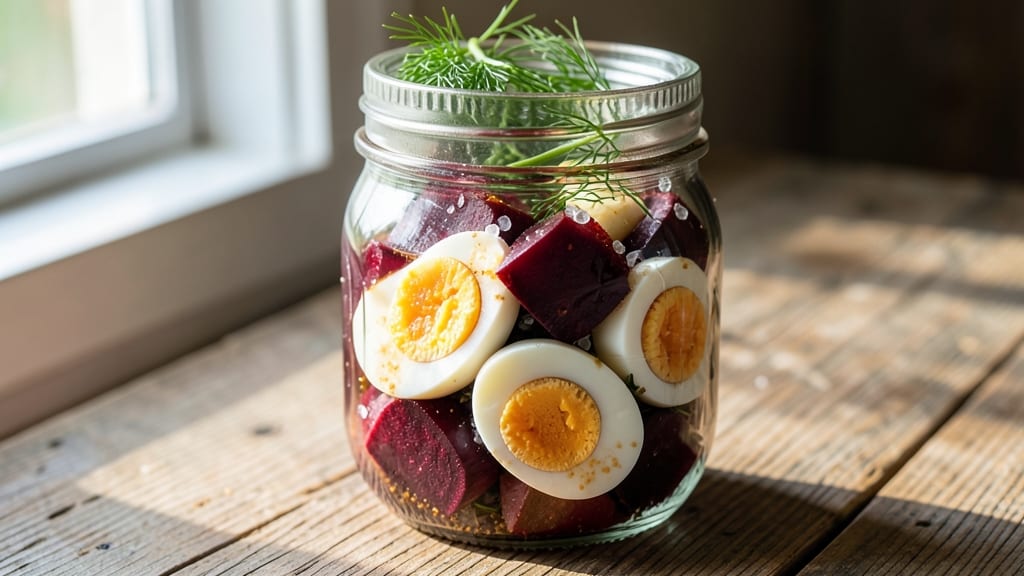
Sweet pickled eggs and beets create a vibrant, sweet-tart bite that transforms simple ingredients into a restaurant-worthy appetizer. The secret lies in balancing sugar and acidity through a simple 15-minute process that delivers bold flavors without effort.
This dish elevates breakfast brunch tables or game day spreads with its striking color and addictive crunch.
The magic happens in the brine—a perfectly balanced mix of vinegar, sugar, and spices that tenderizes the eggs while preserving the beets' natural sweetness. No special equipment is needed, just a foolproof method that ensures crisp edges and tender centers.
The result is a harmonious combination where the eggs' briny depth complements the beets' natural earthiness.
What you'll end up with is a visually stunning dish that's equally impressive to eat. The beets maintain their vibrant pink hue, while the eggs develop a delicate pink tint from the brine.
Each bite offers a refreshing contrast of textures—crispy beets and tender eggs—with flavors that dance between sweet, tangy, and savory. This is the kind of dish that disappears from the plate before the conversation does.
Perfect for holiday gatherings, weekend brunches, or festive appetizers, this recipe scales effortlessly. The flavors only improve after 24 hours of marinating, making it ideal for meal prep. Here's how to create this crowd-pleasing masterpiece in just 15 minutes of active time.
Ingredients for sweet pickled eggs and beets
Transform ordinary eggs and beets into a visually stunning, restaurant-quality appetizer with these vibrant ingredients.
| Ingredient | Amount | Notes |
|---|---|---|
| Large Hard-Boiled Eggs 🥚 | 8 whole | Room temperature, peeled |
| Medium Beets 🍠 | 2 whole | Cooked, peeled, quartered |
| White Vinegar 💧 | 1 ½ cups | Distilled preferred for clarity |
| Granulated Sugar 🍚 | ¾ cup | White or raw cane |
| Diamond Crystal Kosher Salt 🧂 | 1 ½ tbsp | Fine grain preferred |
| Fresh Dill 🌿 | ¼ cup | Chopped, stems removed |
| Black Peppercorns 🌶️ | 1 tsp | Crushed, not ground |
| Garlic Cloves 🧄 | 3 cloves | Thinly sliced, for depth |
| Extra-Virgin Olive Oil 🫒 | ¼ cup | For glossy finish |
| Red Wine Vinegar 🍷 | ½ cup | For complex tang |
| Ground Allspice 🌶️ | ½ tsp | Warm, aromatic touch |
| Cayenne Pepper 🔥 | ¼ tsp | Adjust for heat preference |
The beets are the star of this dish, so prioritize vibrant, organic beets from Whole Foods or a trusted farmers market—their natural sweetness shines through. For eggs, use room-temperature hard-boiled eggs (peeled and dried thoroughly) to prevent excess moisture in the brine. Diamond Crystal kosher salt is ideal here—its fine texture dissolves completely. If you can't find fresh dill, dried dill at one-third the amount works, though fresh imparts a brighter flavor. The red wine vinegar adds depth; if unavailable, apple cider vinegar is a suitable substitute, though it may slightly alter the flavor profile.
No fresh dill? Dried dill or tarragon can stand in, though reduce to one-third the quantity to avoid overpowering the delicate balance. The allspice and cayenne are non-negotiable for the signature warm-spicy kick, but if you prefer a milder heat, reduce the cayenne to a pinch. For a quicker prep, pre-cooked vacuum-packed beets (like those from Trader Joe's) save time without sacrificing quality. The olive oil should be extra-virgin—its fruity notes complement the sweet-tart balance. If you're short on time, microwave the beets for 10-12 minutes instead of boiling, though boiling yields slightly firmer texture.
Store the pickled mixture in an airtight glass container in the refrigerator for up to 10 days, though flavors peak after 24-48 hours. The eggs and beets will maintain their vibrant colors and crisp texture if kept submerged in the brine. For serving, drain and arrange on a platter lined with paper towels to absorb excess moisture—this ensures the addictive crunch the dish is known for. Leftovers can be rebrined by adding a splash of fresh vinegar and sugar if needed, extending their shelf life by another 5-7 days.
Why You'll Love This Recipe
- No Boil Hassle: I hard-boil a batch of eggs on Sunday, then forget about them until I need them—this recipe turns them into something special without extra work. The vinegar and sugar do all the heavy lifting while I sip my coffee.
- Sweet-Savory Magic: That balance of earthy beets and bright, tangy eggs? It’s like a party in your mouth. The sugar caramelizes just enough to make every bite irresistible, and the vinegar keeps it from being too heavy.
- Picnic Perfect: Pack these in a jar, and you’ve got a no-fuss side for potlucks, lunchboxes, or even a last-minute charcuterie board. They stay fresh for days, so you’re always covered—no last-minute scrambling.
- Pantry Stash: Honestly, this recipe uses stuff you probably already have. A few beets, some vinegar, sugar, and salt—no fancy ingredients, just big flavor. Plus, the leftovers? Even better the next day.
Step-by-step instructions for sweet pickled eggs and beets
This method delivers perfectly balanced sweet-tart bites with vibrant colors and complex flavors.
Sterilize the Pickling Vessel
Place a clean, airtight quart-sized jar in a saucepan and cover it with water. Bring to a boil over medium-high heat and maintain a rolling boil for 10 minutes. This sterilization step prevents mold growth and ensures your pickled mixture stays fresh. I always use a canning jar with a two-piece lid for the best seal.
While the jar sterilizes, prepare your ingredients by peeling the 2 whole medium beets and cutting them into ¼-inch thick slices. The beets should be fully cooked—either roasted at 400°F for 45 minutes or boiled until fork-tender. Let them cool completely before adding to the jar.
Layer Eggs and Beets in the Jar
Using a slotted spoon, carefully place the 8 peeled hard-boiled eggs into the sterilized jar, standing them upright. Arrange them in a single layer with their flat sides down to maximize surface area for flavor absorption. The eggs should fit snugly but not be forced.
Next, add the cooled beet slices between the eggs, alternating with the thinly sliced 3 garlic cloves. I like to place a small piece of beet and garlic slice between each egg to ensure even distribution of flavor. Leave about 1 inch of headspace at the top of the jar—this prevents liquid overflow during sealing.
Prepare the Sweet-Tart Pickling Liquid
In a medium saucepan, combine the 1.5 cups white vinegar, 0.75 cup granulated sugar, 1.5 tablespoons Diamond Crystal kosher salt, 0.5 cup red wine vinegar, 0.5 teaspoon ground allspice, and 0.25 teaspoon cayenne pepper. Bring to a boil over medium-high heat, stirring until the sugar and salt dissolve completely.
Remove the pan from heat and let the liquid cool for 5 minutes. Then add the crushed 1 teaspoon black peppercorns and 0.25 cup chopped fresh dill. The mixture should be warm but not scalding when poured over the eggs and beets—this prevents cracking the eggs or wilting the dill.
Seal and Process the Jar
Pour the warm pickling liquid over the layered eggs and beets, ensuring everything is fully submerged. The liquid level should reach about ½ inch above the top egg. Use a non-metallic utensil to gently press down on the eggs and beets to eliminate any air pockets.
Wipe the jar rim with a clean, damp cloth to remove any residue, then seal it with the sterilized lid. Place the sealed jar in a large pot filled with 2 inches of water and bring to a boil over medium-high heat. Process for 10 minutes to create a vacuum seal. Remove the jar and let it cool completely before storing in a dark, cool place.
Rest and Serve
Allow the pickled eggs and beets to rest at room temperature for 24 hours before refrigerating. This resting period lets the flavors meld and the liquid absorb into the ingredients. The eggs should develop a glossy sheen and the beets a deeper, more vibrant hue.
Store in the refrigerator for up to 3 months. Serve chilled as an appetizer with crusty bread or incorporate into salads for a sweet-tart contrast. The balance of sugar, acid, and spice creates a complex flavor profile that pairs beautifully with rich cheeses or hearty meats.
Pro Tips For Making Sweet Pickled Eggs And Beets
- Peel Beets Before Cooking: Raw beets stain like crazy—trust me, I’ve ruined a cutting board and my hands enough times to know. Peel them first, then slice. If you’re lazy (like I used to be) and peel after roasting, you’ll end up with pink fingers and a messier jar.
- Use Room-Temp Eggs: Cold eggs out of the fridge take forever to absorb the pickling liquid and stay rubbery. Let them sit at room temperature for at least 30 minutes before slicing. I learned this the hard way when my first batch tasted bland because the yolks stayed stubbornly firm.
- Measure Salt by Volume: Diamond Crystal kosher salt clumps like crazy—don’t eyeball it. Use a spoon to scoop and level it off, or weigh it out. I used to dump in "a handful" and ended up with either a bland or overly salty jar. Stick to the recipe’s measurements for balance.
- Simmer Vinegar Gently: Boil the vinegar-sugar mix hard, then reduce to a low simmer once everything’s dissolved. If you let it bubble too aggressively, the eggs and beets will turn mushy when you add them later. Think "barely there" heat—like a whisper, not a scream.
Creative variations of this dish
Spicy-Sweet Fusion
Add 1 tbsp of honey and ½ tsp of smoked paprika to the pickling liquid for a deeper, caramelized sweetness with a smoky kick. The honey enhances the natural sweetness of the beets while balancing the acidity.
I find this variation works exceptionally well with dark beets—their earthy depth pairs beautifully with the smoky notes. For extra heat, add ½ tsp of chipotle powder to the brine. 🌶️
Herb-Infused Variations
Swap out the dill for ½ cup of fresh tarragon or ¼ cup of chopped mint to create a bright, herbaceous twist. Tarragon adds a subtle anise-like note that complements the sweetness, while mint introduces a refreshing citrusy contrast.
For a Mediterranean flair, include 1 tbsp of chopped oregano alongside the dill. The herbs should be added to the warm (but not hot) brine just before sealing the jar.
Citrus Zest Twist
Brighten the flavor profile by adding zest from 1 lemon or orange to the pickling liquid. The citrus zest not only adds a vibrant pop of color but also introduces a refreshing tartness that cuts through the sweetness.
I recommend using organic citrus for the best flavor, and avoid adding the pith, which can make the brine bitter. The zest should be added to the warm brine along with the dill and peppercorns. ✨
Smoky Maple Glaze
For a gourmet touch, brush the pickled eggs and beets with a smoky maple glaze before serving. Combine 2 tbsp of pure maple syrup, 1 tsp of liquid smoke, and ½ tsp of cinnamon in a small saucepan.
Simmer over low heat for 3-4 minutes until slightly thickened, then drizzle over the chilled pickled mixture. This adds a rich, caramelized depth that elevates the dish to restaurant-quality.
Global Flavors
Transform this dish into a Japanese-inspired variation by adding 1 tbsp of rice vinegar and 1 tsp of grated fresh ginger to the brine. For a Middle Eastern twist, include 1 tsp of ground coriander and ½ tsp of cumin in the pickling liquid.
Both variations maintain the sweet-tart balance while introducing exciting new flavor dimensions. The rice vinegar and ginger add a delicate umami note, while the coriander and cumin bring warm, earthy complexity.
Spiced Rum Infusion
For a festive touch, add 1 oz of spiced rum (like Captain Morgan) to the warm pickling liquid. The rum adds a subtle warmth and depth that pairs beautifully with the sweet and tangy flavors. This variation is perfect for holiday gatherings or special occasions.
Let the jar rest for an extra 48 hours to allow the flavors to fully meld. The rum should be added after the brine has cooled slightly but before sealing the jar.
Nutrition facts
Frequently asked questions
How long do sweet pickled eggs and beets last in the fridge?
When properly sealed and stored in an airtight container, these last up to 3 months in the refrigerator. The flavors actually improve over time, reaching peak deliciousness after 24-48 hours. Just ensure everything stays submerged in the brine to maintain freshness and prevent spoilage.
Can I use store-bought pickled beets instead of cooking fresh ones?
Store-bought pickled beets work perfectly—they're already pre-cooked and preserve their vibrant color. Drain them well and pat dry before layering with eggs. Just note that their flavor will be slightly different (more tangy) than fresh roasted beets, but still delicious in this combination.
Why did my eggs turn cloudy or rubbery?
Cloudiness often happens when eggs aren't fully submerged in the brine or if the vinegar solution wasn't hot enough when poured. For rubbery texture, overcooking during the sterilization process (boiling too long) or using old eggs can be culprits. Always use fresh, room-temperature eggs and maintain 165°F for no longer than 10 minutes during processing.
What's the best way to serve these for a crowd?
Arrange them on a large platter with paper towels underneath to absorb excess moisture, keeping that perfect crunch. Add a drizzle of the pickling liquid from the jar for extra flavor. For presentation, mix in fresh dill sprigs or a sprinkle of flaky sea salt. Serve with crusty bread or as a topping for charcuterie boards for maximum crowd appeal.
Can I adjust the sweetness level?
Yes! For less sweetness, reduce the sugar to ½ cup and add ½ cup extra vinegar to maintain balance. For more sweetness, increase sugar to 1 cup and consider adding 1 tbsp honey to the brine. Always taste the cooled brine before sealing—you can adjust flavors right before the final step.