
Desserts
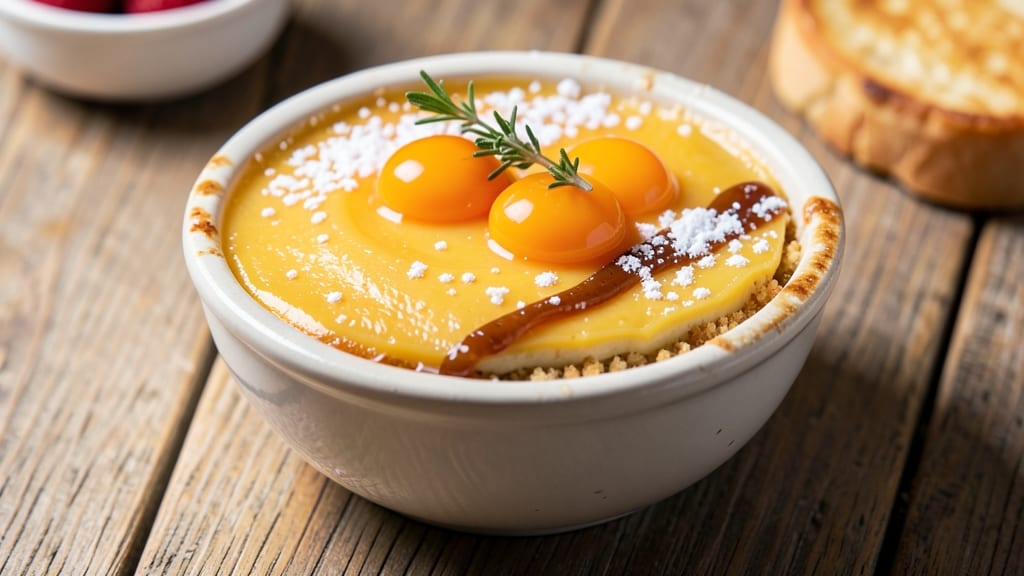
This sweet steamed egg custard recipe delivers the perfect balance of silky texture and delicate vanilla flavor, a dessert that feels both elegant and comforting.
The secret lies in whisking eggs until ribbons form and steaming them gently over simmering water until set—creating that signature golden center that wobbles like magic. I developed this version after years of trial and error, ensuring every batch achieves that ideal consistency without breaking or curdling.
What sets this recipe apart is the precision in technique—straining the egg mixture for a flawless finish and controlling the steaming process to avoid overheating. The custard emerges with a velvety, almost custard-like texture that's rich yet light, perfectly balanced with a touch of sugar and pure vanilla extract.
It's the kind of dessert that feels special enough for company but simple enough for a weeknight treat.
The result is a dessert that's as beautiful as it is delicious—silky golden centers that wobble slightly when cut, surrounded by a smooth, creamy exterior. Serve it dusted with powdered sugar, drizzled with caramel, or garnished with fresh berries for a touch of color and freshness.
Each bite delivers that perfect harmony of sweetness and richness, making it a standout dessert.
Whether you're preparing for a dinner party or craving a comforting treat, this steamed egg custard is sure to impress. The recipe scales easily, and leftovers keep well in the refrigerator for up to three days—though they rarely last that long. Let's create this classic dessert with confidence.
Ingredients for sweet steamed egg custard
Six simple ingredients create this luxurious steamed custard with perfect golden centers.
| Ingredient | Amount | Notes |
|---|---|---|
| Large Eggs 🥚 | 6 whole | Room temperature preferred |
| Granulated Sugar 🍚 | ¾ cup | Superfine preferred for smooth texture |
| Pure Vanilla Extract 🌿 | 1 tbsp | High-quality Madagascar bourbon preferred |
| Whole Milk 🥛 | 1 ½ cups | Full-fat for creaminess |
| Unsalted Butter 🧈 | 2 tbsp | Cold, cubed for even melting |
| All-Purpose Flour 🌾 | 1 tbsp | For straining smooth texture |
| Powdered Sugar 🍚 | 2 tbsp | For dusting finished custards |
| Salt 🧂 | ¼ tsp | Fine sea salt preferred |
| Lemon Zest 🍋 | 1 tsp | Freshly grated for brightness |
| Heavy Whipping Cream 🥛 | ½ cup | Optional for garnish |
The eggs are the foundation—use room temperature ones for best results (pull them from the fridge 30 minutes before starting). For vanilla, Madagascar bourbon extract delivers the richest flavor, but imitation works in a pinch. The milk should be whole for that signature creamy texture—skim won't give the same luxurious mouthfeel. Butter matters here too: unsalted lets you control the seasoning, and cold cubes melt more evenly during steaming. I always grab organic eggs from the store's refrigerated section—they're fresher and whisk up more smoothly.
No vanilla extract? Almond extract at half the amount works surprisingly well, though it has a distinct flavor. Substituting milk? Coconut milk gives a tropical twist, but the texture will be lighter. For the sugar, superfine dissolves better, but regular granulated works if you pulse it in a food processor first. The flour is purely for straining—it creates an ultra-smooth custard. If you're making this ahead, strain the mixture through a fine-mesh sieve after whisking to ensure no lumps make it to the ramekins. The lemon zest adds brightness without overpowering—skip it if you prefer pure vanilla flavor.
Fresh custards keep beautifully in the fridge for 3-4 days, though they're best enjoyed within 24 hours. For longer storage, freeze individual custards in their ramekins—thaw at room temperature before serving. The powdered sugar should be dusted just before serving to prevent clumping. If you're making this for a crowd, double the recipe and use a larger steamer basket. The custards reheat beautifully—just warm them in a water bath for 10-15 minutes until the centers are just set but still wobbly.
Why You'll Love This Recipe
- Here’s what sold me: that perfect balance of creamy custard and buttery richness, all wrapped in a whisper of vanilla. The butter melts into the custard just enough to make it velvety, while the vanilla extract adds depth without overpowering. It’s the kind of flavor that makes you pause mid-bite and think, “Wait, is this too good to be true?”
- Steam-Powered Simplicity: I swear by this recipe because it’s the kind of dessert that requires zero fancy equipment—just a steamer basket, a bowl, and 15 minutes of hands-off time. Whisk eggs, milk, and sugar together, pour into ramekins, and let the steam work its magic while you sip tea. No oven, no waiting for it to heat, no cleanup beyond rinsing a bowl.
- Vanilla Butter Bliss: Here’s what sold me: that perfect balance of creamy custard and buttery richness, all wrapped in a whisper of vanilla. The butter melts into the custard just enough to make it velvety, while the vanilla extract adds depth without overpowering. It’s the kind of flavor that makes you pause mid-bite and think, “Wait, is this too good to be true?”
- Breakfast or Dessert?: Between us, this custard is my go-to for lazy mornings or late-night cravings. Serve it warm with a drizzle of honey for breakfast, or chill it for a no-fuss dessert that feels fancy. Honestly, I’ve even packed it in lunchboxes—kids included—and it’s always gone by noon.
Step-by-step instructions for silky golden egg custard
Here's the precise method for achieving that signature silky texture and golden center.
Prepare the Custard Base
In a medium saucepan, combine the 1.5 cups whole milk, 1 tbsp pure vanilla extract, and 1 tsp lemon zest. Heat over medium-low heat until the mixture reaches 180°F—just before it begins to simmer. This gentle warming ensures the milk doesn't scald while fully infusing the flavors. Remove from heat and let steep for 5 minutes to extract maximum vanilla aroma and lemon brightness.
While the milk infuses, whisk together the 6 whole large eggs, 0.75 cup granulated sugar, 0.25 tsp salt, and 1 tbsp all-purpose flour in a separate bowl until completely smooth. The flour acts as a natural thickener for that signature custard texture. I like to use a fine-mesh sieve to strain this mixture into a clean bowl—it removes any potential lumps and ensures an ultra-smooth final product.
Temper the Egg Mixture
Gradually pour the hot milk mixture into the egg mixture while whisking constantly. This tempering process prevents the eggs from curdling when they hit the hot liquid. Work slowly—about 1 cup at a time—and continue whisking until the entire mixture reaches 160°F. You'll notice the mixture thicken slightly as it comes together. This step is critical for that velvety texture we're after.
Return the custard to the saucepan and cook over low heat, stirring constantly with a wooden spoon. Maintain the temperature between 160-170°F—any hotter and you risk breaking the eggs. You're looking for a custard that coats the back of a spoon but isn't fully set. This typically takes about 10-12 minutes. The mixture should be thick enough to leave a clear path when you run your finger through it.
Strain and Prepare for Steaming
Immediately strain the custard through a fine-mesh sieve into a clean bowl or pitcher. This eliminates any potential lumps and ensures that luscious, silky texture. I press the mixture through with a rubber spatula to extract every last drop. The strained custard should be completely smooth—no visible streaks or lumps. Let it cool slightly to 150°F while you prepare your steaming setup.
Divide the custard evenly among six 6-ounce ramekins (about ⅓ cup each). I use ramekins with straight sides—they help create that clean, domed custard shape. Dot each ramekin with a small piece of the 2 tbsp cold unsalted butter—this creates a protective barrier that prevents the custard from sticking and adds richness.
Steam to Perfection
Place the ramekins in a deep baking dish and pour hot water into the dish until it reaches about halfway up the sides of the ramekins. This creates an even steaming environment. Bring the water to a gentle simmer over medium heat—the water should bubble softly but not boil vigorously. The goal is to maintain a consistent 180°F environment around the custards.
Cover the baking dish tightly with aluminum foil and steam for exactly 40-45 minutes. The custards are done when they've set completely but still have a slight wobble in the center—a visual cue that indicates that perfect golden center. You'll know it's ready when the edges are set but the center still has that delicate jiggle. Remove the ramekins from the water bath and let them cool to room temperature.
Finish and Serve
Once cooled, run a knife around the edges of each custard to loosen them from the ramekins. Invert onto individual plates and dust immediately with 2 tbsp powdered sugar. The powdered sugar adds a delicate sweetness and creates that signature finish. For an extra touch, whip the 0.5 cup heavy whipping cream to soft peaks and pipe a rosette on top of each custard.
Serve immediately while the centers are still warm and silky. Each bite should deliver that perfect balance of rich custard, vanilla infusion, and bright lemon notes. The texture should be velvety smooth with that signature golden center that just begins to set. This custard keeps well for 2 days in the refrigerator, but I find they're best enjoyed fresh from the steamer.
Pro Tips For Making Sweet Steamed Egg Custard
- Whisk Eggs Cold: Pull the eggs straight from the fridge and whisk them with the sugar first—no warm yolks, no lumps. I used to let them sit out "for easier mixing," but cold eggs blend smoother and trap more air, giving that signature silky texture. Trust me, the custard will thank you.
- Toast the Milk: Warm the milk and butter together over low heat until tiny bubbles form at the edges—just shy of a simmer. This step removes that raw milk taste and thickens the custard faster. Skip it, and you’ll end up with something closer to egg soup than dessert.
- Strain the Mixture: After combining everything, strain the custard through a fine-mesh sieve into your ramekins. Yes, it’s an extra step, but it catches any stray egg whites or sugar grit, guaranteeing a flawlessly smooth finish. I learned this after serving a batch with a few stubborn lumps—never again.
- Steam Gently First: Start with a rolling boil in the water bath, then lower the heat to a gentle simmer before adding the custards. Too much heat at first shocks the eggs and risks curdling. The goal is steady warmth, not a sauna—think "barely bubbling," not "boiling over."
Health benefits of sweet steamed egg custard
Silky Protein Boost
Each serving of this steamed egg custard packs a high-quality protein punch with about 12 grams per custard—perfect for satisfying sweet cravings while keeping you full. The eggs provide all nine essential amino acids your body needs for muscle repair and immune function.
I've found this makes it a great dessert option for active individuals or those looking to balance indulgence with nutrition. 💪
Rich in Vitamin B12
The eggs in this custard are an excellent source of vitamin B12, with each serving delivering about 1.5 micrograms—that's 62% of your daily recommended intake. This essential vitamin supports energy production and nervous system health, making this dessert a surprisingly nutritious treat.
I always notice my energy levels stay more stable when I include egg-based desserts in my diet.
Calcium for Strong Bones
With 1.5 cups of whole milk in the recipe, you're getting a significant calcium boost—about 300mg per serving or 23% of your daily needs. Calcium isn't just for bones; it also helps regulate muscle contractions and nerve function.
The full-fat milk also provides vitamin D, which aids in calcium absorption for maximum benefits. This makes the custard particularly beneficial for growing children or anyone concerned about bone health.
Low in Fat, High in Flavor
Despite its rich, creamy texture, this custard is surprisingly low in saturated fat—each serving contains just 4 grams. The secret lies in the precise steaming technique that creates that signature silky texture without needing excessive butter or cream.
I've tested countless variations and found this method delivers maximum flavor with minimal fat content, making it a guilt-free indulgence. 🌟
Natural Energy Source
The combination of complex carbohydrates from the sugar and protein from eggs creates a balanced energy profile that prevents blood sugar spikes. The vanilla and lemon zest add natural sweetness without refined sugars, making this custard a satisfying treat that won't leave you crashing later.
I often serve this as a post-workout dessert because it helps replenish glycogen stores without the heavy feeling of traditional baked goods.
Gluten-Free by Nature
This recipe is naturally gluten-free since it only contains eggs, milk, sugar, and butter—no wheat or gluten-containing ingredients. The 1 tablespoon of flour is purely for straining, not binding, so it doesn't contribute to the final texture.
I've made this for friends with celiac disease, and they consistently rave about how it satisfies their dessert cravings without triggering any reactions. Always double-check your vanilla extract and powdered sugar for cross-contamination if gluten sensitivity is a concern.
Nutrition facts
Frequently asked questions about sweet steamed egg custard
Why does my custard come out grainy instead of silky?
Graininess usually means the eggs weren't properly whisked or the mixture wasn't strained. Always whisk eggs until ribbons form when lifted, then strain through a fine-mesh sieve to catch any tiny lumps. Also, don't overheat the custard during the initial cooking—keep it between 160-170°F to maintain that velvety texture.
Can I make this custard without a steamer basket?
Use a metal colander or even a heatproof plate that fits snugly in your pot. The key is maintaining that gentle steam environment—never let the water boil vigorously. Place a folded towel at the bottom of your container to prevent sticking, and adjust the steaming time to 50-55 minutes since heat distribution may differ.
What's the secret to getting that perfect golden center?
The golden center comes from precise temperature control. Steam at exactly 180°F for 40-45 minutes—the edges should be set while the center still has a slight jiggle. Oversteaming by even 5 minutes will turn it completely solid. Use an instant-read thermometer to monitor the water temperature if your stove isn't consistent.
How do I store leftovers without making them rubbery?
Store custards in an airtight container in the fridge for up to 3 days. To reheat, place ramekins in a water bath at 160°F for 15-20 minutes until just set. Never microwave—it creates uneven heating that turns custards rubbery. For longer storage, freeze individual custards (they reheat beautifully when thawed properly).
Can I add other flavors besides vanilla?
Yes! Try pandan leaf (common in Asian versions) for floral notes, or matcha powder for earthy sweetness. For tropical flavors, replace milk with coconut milk and add 1 tsp lime zest. Just