
Beverages
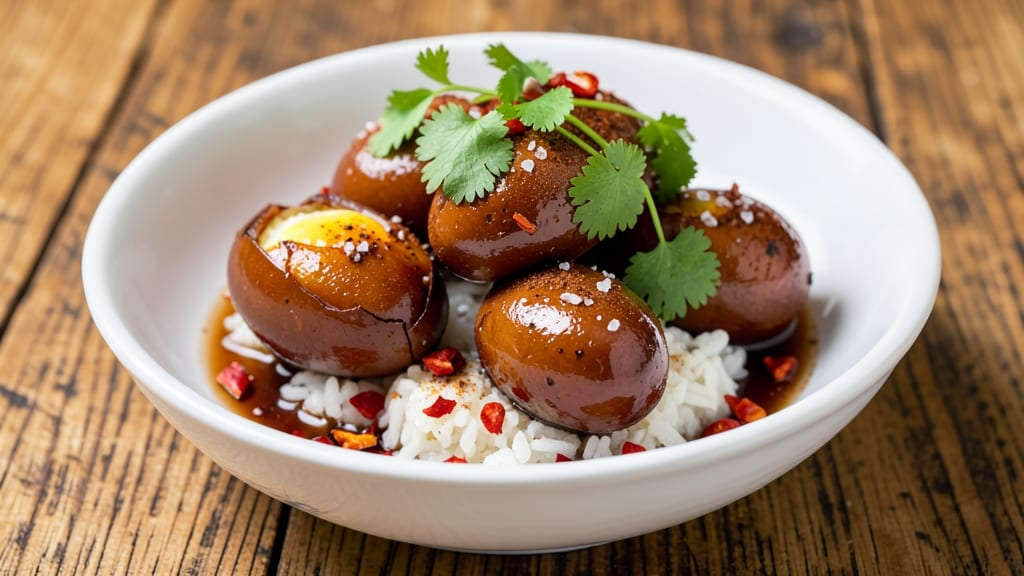
This tea egg recipe with five-spice transforms simple eggs into a fragrant, aromatic dish with deep cultural roots. The secret lies in infusing eggs with a warm, spiced tea broth that carries notes of cinnamon, star anise, and clove—creating a delicate balance between savory and sweet.
I first discovered this technique during a trip to a bustling Chinese market, where vendors served these eggs as a humble yet sophisticated snack.
The process begins with steeping five-spice tea in water until deeply aromatic, then gently poaching eggs in this fragrant liquid. The result is eggs with a subtle, spiced flavor that penetrates the yolk, creating a silky texture that melts on the tongue.
This method requires patience—letting the tea steep fully and poaching the eggs just until set—but the reward is worth every minute.
What makes these tea eggs truly special is their versatility. Serve them warm with a drizzle of soy sauce and chili oil for a restaurant-quality bite, or enjoy them plain to appreciate the delicate spice infusion.
The dish is both comforting and elegant, perfect for brunch or as a light yet satisfying dinner option.
Whether you're exploring Chinese culinary traditions or simply looking for a new way to elevate everyday eggs, this recipe delivers bold flavor with minimal effort. The key is balancing the spices and timing the poach just right—once mastered, you'll have a dish that feels both nostalgic and entirely modern.
Ingredients for tea egg recipe 5 spice
Four eggs, aromatic spices, and a fragrant tea broth transform ordinary eggs into a delicately spiced delicacy.
| Ingredient | Amount | Notes |
|---|---|---|
| Large Eggs 🥚 | 4 whole | Fresh, room temperature preferred |
| Five-Spice Powder 🌶️ | 1 ½ tsp | Authentic Chinese blend preferred |
| Green Tea 🍵 | 2 tbsp | Loose-leaf for stronger infusion |
| Granulated Sugar 🍯 | 1 tbsp | Light brown sugar for depth |
| Water 💧 | 2 cups | Filtered preferred for clarity |
| Light Soy Sauce 🥄 | 1 tbsp | For finishing drizzle |
| Chili Oil 🌶️ | 1 tbsp | Optional, for serving |
| Cinnamon Sticks 🍃 | 1 whole | For tea infusion |
| Star Anise 🌟 | 2 whole | For tea infusion |
| Cloves 🌶️ | 2 whole | For tea infusion |
| Salt 🧂 | ½ tsp | Kosher or sea salt |
| White Vinegar 🍶 | 1 tbsp | For egg poaching |
The five-spice powder is the heart of this dish—authentic Chinese five-spice (available at Asian markets or specialty stores) delivers the perfect balance of cinnamon, star anise, clove, fennel, and pepper. If you can't find it, mix 1/4 tsp each of cinnamon, ground cloves, and fennel seeds for a close approximation. The tea should be loose-leaf jasmine or gunpowder green for that classic Chinese market aroma. For the spices, whole spices like star anise and cloves infuse more flavor than ground versions, so don't skip them if you're making a big batch.
No five-spice powder? Substitute with 1/2 tsp cinnamon, 1/4 tsp ground cloves, and 1/4 tsp fennel seeds—it won't be identical, but it'll get you close. The green tea can be bagged if that's what you have, but loose-leaf steeped for 3 minutes gives the best infusion. For the soy sauce, light soy (or regular soy cut with water) keeps the dish delicate. The chili oil is optional but worth the extra minute if you love heat—just drizzle it over the finished eggs. The eggs should be fresh but not ancient—they poach better when they're a few days old.
The spiced tea broth keeps for 3 days in the fridge—make extra for quick egg poaching later. Store it in an airtight container, and reheat gently before using. The poached eggs are best served immediately, but you can reheat them in the broth for 30 seconds if needed. For a restaurant-style presentation, arrange the eggs on a platter with a drizzle of soy sauce and chili oil, and garnish with extra whole spices for visual appeal. The flavors actually improve slightly the next day, so this makes great leftovers for brunch.
Why You'll Love This Recipe
- Just Five Ingredients: I swear, this is the kind of recipe that makes me laugh when I look at the list—eggs, tea, sugar, water, and that one spice jar I bought on a whim. No chopping, no measuring cups, no stress. Honestly, the hardest part is deciding whether to use jasmine or sencha tea, and even that’s just personal preference.
- Warm Spice Magic: Between us, five-spice powder is underrated. It’s not just cinnamon—it’s star anise, clove, fennel, and pepper all playing together, and when you soak those eggs in that tea-spice bath, it’s like the yolk gets this deep, toasty aroma. The sugar caramelizes just enough to make the shell sticky-sweet while keeping the inside runny. That crispy shell with the creamy center? It’s ridiculous how good it is.
- Weeknight Snack Hero: I make these when I’m craving something handheld but don’t want to turn on the oven. They’re perfect for when friends drop by unexpectedly, or when I’m scrolling through my phone at midnight and suddenly remember I’m hungry. (Yes, even on a Tuesday night.) The tea keeps them from getting soggy, and the five-spice gives them this sophisticated edge that makes them feel fancy without any effort.
- Pantry Staple Power: Here’s what sold me—they’re my go-to for meal prep because they last forever. I’ll boil a dozen eggs, toss them in the tea-spice mix, and store them in the fridge for days. They’re cheap to make, use ingredients you already have, and I’ll often grab one for breakfast or pack a few for lunch. Plus, the leftovers? They taste just as good reheated in a thermos as they do fresh. Budget-friendly, reliable, and always a win.
Step-by-step instructions for tea egg recipe with five-spice
Master these precise techniques for perfectly poached eggs infused with aromatic tea and warming five-spice.
Prepare the Spiced Tea Infusion
In a small saucepan, combine the 2 cups water, 1 tbsp granulated sugar, 1 whole cinnamon stick, 2 whole star anise, 2 whole cloves, and the 2 tbsp green tea. Bring to a gentle boil over medium heat, then immediately reduce to low and simmer uncovered for exactly 5 minutes. This creates a fragrant base that will infuse the eggs with complex tea and spice notes.
Strain the infusion through a fine-mesh sieve into a clean bowl, pressing gently on the spices to extract maximum flavor. Discard the used spices. The liquid should smell richly aromatic with tea and warm spice undertones. Let this infusion cool to room temperature before using - this prevents temperature shock when adding the eggs later.
Season and Prepare the Poaching Liquid
Return the strained tea infusion to the same saucepan and add the 1 tbsp white vinegar and 0.5 tsp salt. Bring to a gentle simmer over medium-low heat, then reduce to the lowest possible setting where you just see tiny bubbles breaking the surface. The liquid should maintain a temperature between 160°F and 170°F - this is crucial for perfect poaching without cooking the whites too quickly.
While the liquid heats, prepare a small bowl of ice water for shocking the poached eggs later. The contrast will help set the whites more firmly. Keep the poaching liquid at this gentle simmer - any higher temperature will cause the eggs to cook too rapidly and become rubbery.
Poach the Eggs with Five-Spice Finish
Crack each of the 4 whole large eggs into a small ramekin or shallow bowl. Using a small whisk, gently stir each egg to create a small vortex in the white. This helps the white wrap around the yolk more cleanly. Working one at a time, carefully slide each egg into the simmering poaching liquid. The liquid should be at exactly 165°F when you add each egg.
Poach for exactly 3 minutes and 30 seconds. You'll know it's perfect when the whites are fully set but the yolks remain runny and vibrant. Use a slotted spoon to transfer each egg to the prepared ice water bath for 30 seconds to set the whites completely. This step is non-negotiable - it prevents the eggs from becoming overcooked when you add them to the final dish.
Assemble with Five-Spice Drizzle
Drain the poached eggs on paper towels to remove excess moisture. In a small bowl, whisk together the 1 tbsp light soy sauce and 1.5 tsp five-spice powder with 1 tablespoon of the reserved chili oil. This creates a vibrant finishing sauce that enhances both the umami and aromatic profiles of the dish.
To serve, place each egg on a warmed plate and drizzle generously with the five-spice soy mixture. The contrast of warm poached eggs with the cooling, aromatic sauce creates a perfect balance. Serve immediately while the eggs are still warm at the center - this is when they're at their peak texture and flavor.
Pro Tips For Making Tea Egg Recipe 5 Spice
- USE COLD EGGS: I learned this the hard way—room-temperature eggs crack like overripe fruit when they hit boiling water. Pop them straight from the fridge, crack them into a bowl first, then slide them into the simmering tea broth. The shock of cold water keeps them intact, and the yolks stay plump instead of splitting like a bad joke.
- SIMMER GENTleLY: After burning three batches, I finally figured out that "boiling" is the enemy here. You want a slow, lazy simmer—tiny bubbles breaking the surface, not a rolling frenzy. If the water’s too aggressive, the eggs cook unevenly and the tea flavor gets overwhelmed. Keep it at a whisper, not a shout.
- STRAIN THE TEA: Sounds weird, but it works: skip the tea bags mid-cook and strain out the leaves before adding the eggs. Leftover leaves turn the broth bitter, and you end up with a muddy, astringent mess instead of that bright, herbal aroma. A fine-mesh strainer takes 30 seconds—your taste buds will notice the difference.
- DON’T RUSH THE SUGAR: My grandmother swore by this, and she was right: dissolve the sugar in the tea first, then add the eggs. If you toss in the eggs dry, the sugar clumps and sticks to the shells, leaving half the sweetness stuck like glue. Stir it into the hot tea until it’s fully clear—no grit, no surprises. (Yes, even if you’re impatient like me.)
Perfect pairings for this tea egg recipe 5 spice
Spiced Tea Garnishes
Elevate your tea eggs with a few simple garnishes that complement the five-spice infusion. I love sprinkling toasted sesame seeds (toast 1 tbsp in a dry pan for 1 minute until golden) over each egg for a nutty crunch.
A pinch of ground white pepper adds subtle warmth, while thinly sliced scallions provide freshness. For extra visual appeal, arrange whole star anise pods around the plate—they look stunning and reinforce the spiced tea theme. 🌟
Soy Sauce Variations
Don't settle for basic soy sauce—experiment with different styles to change the flavor profile. Light soy sauce keeps the dish delicate, but dark soy sauce adds a deeper, caramelized richness (use ½ tbsp mixed with ½ tbsp light soy).
For umami depth, stir 1 tsp of miso paste into the finishing sauce. If you prefer tang, add ½ tsp of rice vinegar to the soy mixture. Each variation transforms the dish while keeping prep simple. 🥄
Chili Oil Alternatives
If you can't find chili oil, make a quick substitute with ½ cup neutral oil (like vegetable or canola) and 1 tbsp of chili flakes or sriracha. Heat the oil gently, then strain out the solids for a smoother drizzle.For heat-free contrast, try toasted sesame oil (just ½ tsp)—it adds nutty depth without spice. A drizzle of honey (just ½ tsp) balances the five-spice flavors beautifully, especially if you prefer sweetness over heat. 🌶️
Beverage Pairings
Pair these tea eggs with drinks that complement their aromatic complexity. A jasmine green tea (hot or iced) mirrors the tea infusion, creating a cohesive experience. For something bolder, try a lightly sweetened oolong tea—its floral notes contrast nicely with the spices.
If you prefer alcohol, a dry Riesling or sake (chilled) cuts through the richness while enhancing the dish's umami. Avoid heavy wines or dark beers—they can overpower the delicate flavors. 🍷
Side Dish Ideas
Serve tea eggs with sides that balance their savory-spiced profile. Steamed bok choy with a sprinkle of toasted sesame seeds adds freshness, while pickled vegetables (like cucumbers or radishes) provide tangy contrast.
For heartier meals, pair with sticky rice or congee to soak up the spiced soy drizzle. A simple mixed greens salad with a sesame-ginger dressing keeps the dish light and vibrant. 🥗
Make-Ahead Tips
Prepare the spiced tea infusion up to 3 days ahead—store it in an airtight container in the fridge. Reheat gently before poaching eggs. For the eggs themselves, poach them fresh for best texture, but you can reheat them in the warm broth for 30 seconds if needed.
Assemble the finishing sauce just before serving to keep the spices fresh. If storing leftovers, keep the eggs and sauce separate until ready to eat—this preserves their vibrant flavors. ⏰
Nutrition facts
Frequently asked questions
Can I use store-bought five-spice powder instead of whole spices?
Yes, but whole spices create a more complex flavor. If using powder, start with 1.5 tsp and adjust to taste. For best results, toast 1/4 tsp cinnamon and 1/8 tsp cloves separately for 30 seconds in a dry pan to intensify their aroma before adding to the tea. This mimics the depth of whole spices.
How do I fix rubbery poached eggs?
Rubbery eggs usually mean the water was too hot. Keep your poaching liquid between 160°F-170°F—use a thermometer! If it happens, shock the eggs immediately in ice water for 30 seconds to reset the texture. For next time, reduce heat to the lowest setting possible and add a splash of vinegar to help whites set more gently.
What's the best tea for authentic flavor?
Use jasmine or gunpowder green tea for classic tea egg flavor. If unavailable, earl grey works well. Avoid heavily scented teas like chamomile—they can overpower the five-spice. For extra depth, add 1 tsp dried orange peel to the tea infusion during the 5-minute simmer.
Can I make these tea eggs ahead of time?
Prepare the spiced tea broth up to 3 days ahead and store in the fridge. Poach eggs fresh for best texture, but you can reheat them in warm broth for 30 seconds if needed. Keep the finishing sauce separate until serving to maintain freshness. The flavors actually improve slightly overnight!
What's the secret to perfectly runny yolks?
Poach eggs for exactly 3 minutes 30 seconds in 165°F water. Use room-temperature eggs and stir the whites gently before adding to prevent premature cooking. The ice water bath after poaching helps maintain that silky yolk texture. For extra insurance, use very fresh eggs—they hold their shape better during poaching.