
Breakfast & Brunch
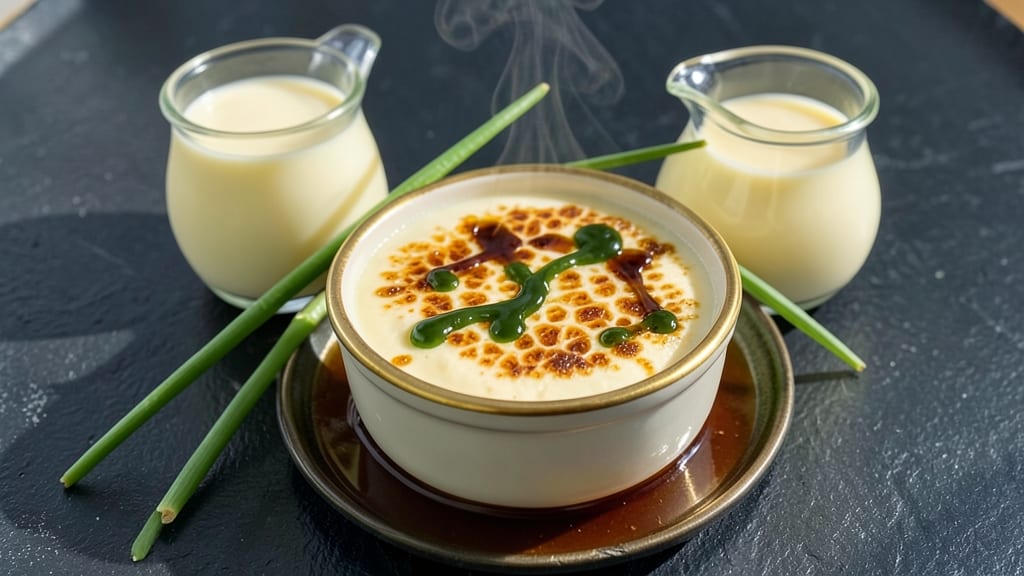
This Thai egg custard recipe delivers the delicate balance of silky coconut curd and fragrant lemongrass that makes it a beloved Southeast Asian breakfast staple.
The traditional method involves baking or steaming a rich mixture of eggs, coconut milk, and sugar until it achieves that signature wobbling, jelly-like texture—a testament to patience and precision.
I’ve refined the technique over years to ensure every bite offers that perfect harmony of creamy, slightly sweet, and subtly floral notes.
The foundation of this dish lies in the custard mixture, where pandan extract (or vanilla as a substitute) infuses the coconut milk with its signature aroma, while lemongrass and kaffir lime leaves add depth.
The key to success is gentle heat—whether baking at a low temperature or steaming the custard—allowing it to set gradually without curdling. This method preserves the custard’s velvety smoothness and delicate structure, making it a dish that’s as impressive to serve as it is to eat.
Once baked or steamed to perfection, the custard is traditionally drizzled with thick coconut cream and sprinkled with toasted coconut flakes, creating a visual and textural contrast that enhances its appeal.
Served warm with a cup of Thai iced tea or fresh pandan jelly, it becomes a comforting yet sophisticated breakfast that transports you to the streets of Bangkok.
The recipe is versatile enough to adapt with variations like adding turmeric for color or adjusting sweetness to taste, ensuring it fits seamlessly into any brunch spread.
What sets this recipe apart is its ability to balance simplicity with sophistication—no advanced techniques required, just careful attention to temperature and timing.
Whether you’re preparing it for a special occasion or a cozy morning treat, the result is a dish that’s restaurant-quality at home, with layers of flavor and texture that make it unforgettable. Let’s get started on creating your own silky, fragrant custard.
Ingredients for thai egg custard
Six essential ingredients transform into restaurant-quality Thai egg custard with silky texture and fragrant aroma.
| Ingredient | Amount | Notes |
|---|---|---|
| Large Eggs 🥚 | 6 whole | Room temperature for best blending |
| Full-Fat Coconut Milk 🥥 | 2 cups | Canned, full-fat for creaminess |
| Granulated Sugar 🍚 | ¾ cup | Adjust to taste for sweetness |
| Pandan Extract 🌿 | ½ tsp | Or vanilla extract as substitute |
| Fresh Lemongrass 🌿 | 3 whole | Bruised stems for infusion |
| Kaffir Lime Leaves 🍋 | 4 whole | Torn into strips, not stems |
| Unsalted Butter 🧈 | 2 tbsp | For greasing custard dishes |
| Thick Coconut Cream 🥥 | ½ cup | From chilled coconut milk |
| Toasted Coconut Flakes 🥥 | ¼ cup | For garnish and texture |
| Turmeric Powder 🌶️ | ¼ tsp | Optional for golden color |
| Diamond Crystal Kosher Salt 🧂 | ½ tsp | For balancing sweetness |
| Cornstarch 🌾 | 1 tbsp | For thickening custard |
The coconut milk is non-negotiable—full-fat canned brands like Thai Kitchen deliver the richest texture. Look for cans with no additives, and always shake well before opening. Fresh lemongrass should be vibrant green with no brown spots; the bruised stems release maximum flavor. Kaffir lime leaves are the secret weapon here—they add that bright citrusy depth. For the best quality, buy them frozen at Asian markets—they stay fresh longer than fresh. The pandan extract gives that signature floral note, but if you can't find it, vanilla extract works as a decent substitute (though purists will notice the difference).
No pandan extract? Double the vanilla and add a pinch of almond extract for complexity. Short on kaffir lime leaves? Lime zest plus a splash of lime juice gets you close, though the aroma won't be identical. The coconut cream should be the thick, solid part from chilled coconut milk—never the watery part. For the custard itself, if you're concerned about curdling, whisk the eggs and sugar first until fully dissolved before adding liquids. The turmeric is optional but adds that beautiful golden hue—use food-grade turmeric for best results. And for the coconut flakes, toast them in a dry pan until golden—don't skip this step, it makes all the difference.
This custard reheats beautifully—steam for 5-7 minutes until just warm through. Store leftovers in an airtight container in the fridge for up to 3 days, though it's best enjoyed fresh. For make-ahead prep, bake the custard a day ahead, then refrigerate and steam to serve. The texture actually improves after resting overnight as the flavors meld. Freezing isn't recommended as it can alter the delicate consistency, but you can freeze individual portions of the coconut cream for up to 3 months if needed. Always use glass or ceramic dishes for baking—avoid aluminum as it can react with the acidic ingredients.
Why You'll Love This Recipe
- No Chopping Needed: I swear by this recipe because it’s one of those rare desserts where the prep is just mixing. No mincing lemongrass, no grating pandan—just crack eggs, whisk, and pour. The fresh lemongrass gets a quick bruise with the flat side of a knife, and that’s it. Honestly, I’ve made this on days when I couldn’t even be bothered to measure sugar properly, and it still turned out rich and perfect.
- Silky Creamy Magic: That first spoonful of custard—warm, jiggly, with just a hint of pandan’s floral sweetness cutting through the coconut’s richness? It’s like dessert hugs your taste buds. The full-fat coconut milk makes it decadent without being heavy, and the sugar caramelizes just enough to give it that almost caramelized edge. Between us, I’ve had store-bought versions that couldn’t compete.
- Weeknight Dessert Fix: This is my go-to when I need something special but don’t have time to bake. Steam it in ramekins while dinner simmers, or even make a big batch in one pan for a crowd. My kids think it’s “fancy” because it smells like a tropical vacation, but it’s really just eggs and coconut. (Yes, even on a Tuesday night.)
- Leftovers That Last: The custard actually improves the next day—thicker, more intense in flavor, and still silky. I’ve reheated portions in the microwave for breakfast (trust me, it’s a thing) or even blended it into smoothies for a creamy, pandan-kissed twist. And because it’s mostly eggs and coconut, it’s way cheaper than buying individual desserts for the family. My wallet thanks me every time.
Step-by-step instructions for silky coconut curd with fragrant lemongrass
Mastering this Thai custard requires precision—each step builds aromatic depth and velvety texture.
Infuse the Coconut Milk Base
In a medium saucepan, combine the 2 cups full-fat coconut milk, 3 whole fresh lemongrass (bruised stems only), 4 whole kaffir lime leaves (torn into strips), and 0.25 tsp turmeric powder. Bring to a gentle simmer over medium heat—you'll see the liquid shimmer before bubbles form. Here's the thing: simmer for exactly 10 minutes to extract the lemongrass's citrusy notes and lime leaves' floral aroma without bitterness.
Strain through a fine-mesh sieve into a clean bowl, pressing gently on the solids to extract every drop of infused flavor. Discard the lemongrass and lime leaves. This infusion is the soul of your custard—don't rush it. The strained liquid should smell vibrantly floral with hints of citrus. If you prefer stronger pandan flavor, now's the time to add the 0.5 tsp pandan extract and stir gently to distribute evenly.
Whisk Eggs and Sugar to Ribbon Stage
In a separate heatproof bowl, whisk together the 6 whole large eggs (at room temperature) and 0.75 cup granulated sugar until the mixture is pale yellow and forms ribbons when the whisk is lifted. This takes about 3-4 minutes of vigorous whisking—you'll notice the mixture thicken slightly as air incorporates. The reason we whisk so thoroughly is to create a stable emulsion that won't curdle when exposed to heat later.
Gradually whisk in the 0.5 tsp diamond crystal kosher salt and 1 tbsp cornstarch. The cornstarch will help thicken the custard without altering its delicate texture. Here's where it gets technical: if you see any sugar grains clumping, press them through a fine-mesh sieve to ensure a smooth custard. The mixture should be completely homogeneous with no visible streaks of cornstarch.
Temper the Egg Mixture
Return the infused coconut milk to the saucepan and heat it gently over low heat until it reaches 160°F—just below simmering. This is critical: if the milk boils, the eggs will scramble. While maintaining this temperature, slowly pour about 1 cup of the hot coconut milk into the egg mixture, whisking constantly. The goal is to raise the eggs' temperature gradually without cooking them.
Once incorporated, pour the egg mixture back into the saucepan with the remaining coconut milk. Stir constantly over low heat until the mixture reaches 170°F—you'll see it thicken noticeably and coat the back of a spoon. This temperature ensures proper coagulation without overcooking. If you notice any curdling, immediately remove from heat and whisk vigorously until smooth, then return to low heat.
Finish with Coconut Cream and Rest
Remove the custard from heat and stir in the 0.5 cup thick coconut cream and 2 tbsp unsalted butter, allowing the butter to melt completely into the mixture. The custard should now have a luxurious, velvety consistency. Transfer immediately to six 4-ounce ramekins (or your serving dishes of choice), dividing evenly. Here's the moment that matters: tap the ramekins gently on the counter to release any air bubbles trapped in the custard.
Place the ramekins in a water bath (a larger baking dish filled with hot water, coming halfway up the sides) and bake at 325°F for 35-40 minutes. The custard is done when the centers are just set but still slightly wobbly—like a firm custard with a delicate center. Remove from the water bath and let cool to room temperature, then refrigerate for at least 4 hours or overnight. This resting period allows flavors to meld completely.
Serve with Garnish and Texture
Before serving, run a knife around the edges of each custard to loosen, then invert onto plates. Garnish immediately with 0.25 cup toasted coconut flakes and a sprinkle of additional pandan-infused coconut milk if desired. The custard should release cleanly with a glossy surface and set edges. Each spoonful should deliver a perfect balance of silky texture, floral pandan aroma, and bright citrus notes from the lemongrass infusion.
Serve chilled with fresh fruit or a drizzle of caramelized coconut syrup for contrast. The toasted coconut flakes add both visual appeal and a satisfying crunch against the creamy custard. Real talk: this custard tastes even better the next day as flavors deepen, so make it ahead if possible.
Pro Tips For Making Thai Egg Custard
- Strain the Coconut Milk: Skip the canned cream—open the coconut milk, scoop out the thick paste from the bottom, and strain the liquid through a fine-mesh sieve. This removes grit and gives you a silky texture. I used to ignore this step, and my custard always had a weird mouthfeel.
- Blanch the Lemongrass First: Give the lemongrass stalks a quick 30-second blanch in boiling water before mincing. This softens the fibers so they blend smoothly into the custard instead of leaving you with a gritty texture. Yes, it’s an extra step—but your future self will notice.
- Use Room-Temp Eggs: Cold eggs from the fridge will curdle your custard faster. Let them sit in warm water for 10 minutes before cracking. I learned this the hard way when my first batch separated like a sad milkshake.
- Low and Slow Wins: Simmer the custard on the lowest heat setting you can tolerate—no rushing. A gentle bubble is all you need. I used to crank the heat, and the top would set too fast, leaving the middle undercooked. Patience here makes the difference.
Regional styles of thai egg custard
Bangkok Street Style
In Bangkok, this custard is traditionally served as khanom khai dao—a beloved street food dessert found at morning markets. Vendors use small clay pots baked over charcoal, creating a smoky depth that's hard to replicate at home.
Look for Thai Kitchen coconut milk for that authentic richness, and add 1 tsp of pandan extract for the signature floral aroma. Serve with Thai iced tea for the classic pairing that balances the custard's sweetness with herbal bitterness. 🌿
Southern Thai Variations
The southern regions like Phuket and Krabi often infuse their custards with turmeric for a golden hue and a hint of earthiness. I like adding ½ tsp of ground galangal (a Thai ginger relative) to the coconut milk infusion for a peppery kick.
Garnish with toasted sesame seeds alongside the coconut flakes for a nutty contrast. This version pairs beautifully with durian slices—a local favorite that cuts through the custard's creaminess.
Northern Thai Adaptation
Up north in Chiang Mai, the custard takes on a spicier profile with the addition of 1-2 slices of fresh turmeric root (not powder) simmered in the coconut milk.
For extra warmth, stir in ½ tsp of bird's eye chili powder at the end—it sounds bold, but the coconut milk mellows the heat beautifully. Serve with sticky rice on the side for a heartier breakfast option.
The turmeric root adds a fresh, slightly bitter note that's completely different from the southern version. 🌶️
Modern Fusion Twist
For a contemporary take, I've experimented with matcha powder (½ tsp) in the coconut milk infusion, creating a vibrant green custard with earthy notes. Add white chocolate shavings for garnish to complement the matcha's bitterness.
This fusion version works beautifully as a dessert at brunch events—it's visually striking while maintaining the custard's signature texture. The matcha pairs surprisingly well with the pandan's floral notes, creating a complex flavor profile. ✨
Regional Garnish Guide
Each region has its own garnishing traditions. In central Thailand, toasted coconut flakes and pandan leaves are standard. For southern versions, try crushed peanuts for crunch. Northern Thai custards often get a sprinkle of dried shrimp powder (just ¼ tsp) for umami depth.
I recommend keeping it simple with toasted coconut flakes and a drizzle of caramelized coconut syrup—it's universally loved and highlights the custard's natural flavors.
Nutrition facts
Frequently asked questions
Why does my Thai egg custard come out grainy instead of silky?
Graininess usually means the eggs cooked too quickly or the mixture wasn't properly emulsified. Always whisk eggs and sugar until they form ribbons (about 3-4 minutes), then temper them slowly with hot coconut milk. If curdling occurs, whisk vigorously and remove from heat immediately. For extra silkiness, strain the finished custard through a fine-mesh sieve before baking.
Can I make this custard without pandan extract?
For a similar floral aroma, use 1 tsp vanilla extract instead. For a more authentic taste, try ½ tsp vanilla + ¼ tsp almond extract. The key is balancing sweetness—reduce sugar slightly if using stronger extracts. The custard will still taste delicious, just with a different flavor profile.
How do I know when the custard is fully set?
The custard should have a firm but slightly wobbly center when done—like a firm jelly. Gently shake the ramekin: if it moves slightly but holds its shape, it's perfect. Overbaking makes it rubbery, while underbaking leaves it too soft. For baking, 35-40 minutes at 325°F is ideal, but always check early if your oven runs hot.
What's the best way to reheat leftover custard?
Steaming is the gentlest method—place ramekins in a heatproof dish with 1 inch of simmering water for 5-7 minutes until warmed through. Microwaving can make it rubbery, and oven reheating risks drying it out. For extra richness, drizzle with warm coconut cream before serving. Leftovers keep well for 3 days refrigerated.
Can I use store-bought coconut cream instead of homemade?
Yes, but choose full-fat coconut cream (not light) from chilled canned coconut milk. The thick, solid part at the top is perfect—just scoop it out. For best results, strain it through a fine-mesh sieve to remove any watery residue. Homemade is richer, but quality store-bought works in a pinch. The texture difference is minimal if you use high-quality brands.