
Breakfast & Brunch
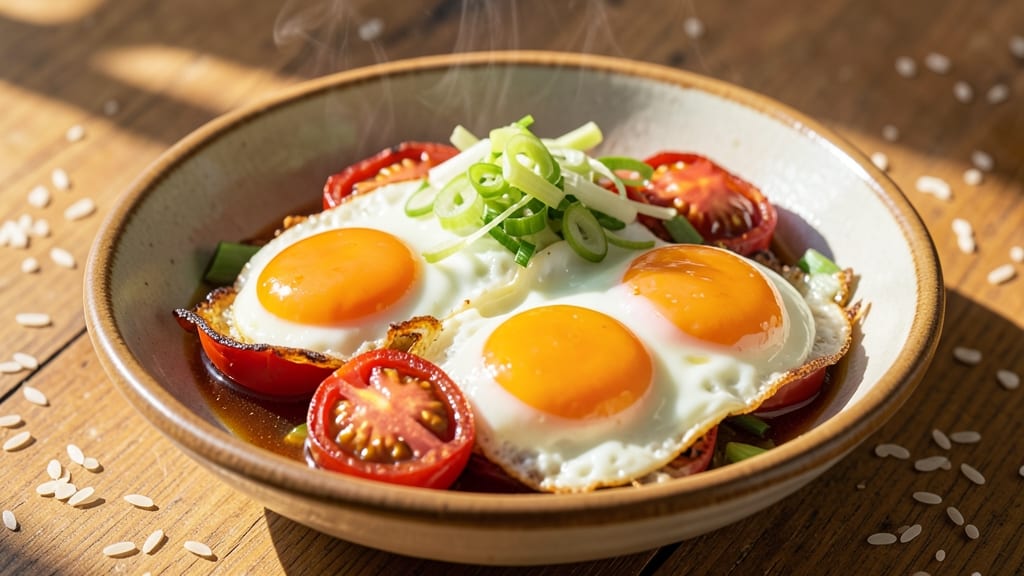
This tomato fried egg Chinese recipe delivers the perfect balance of silky yolk and vibrant tomato—just like your favorite home-style dish. The secret lies in high-heat stir-frying, where the wok's smoky aroma (wok hei) transforms simple ingredients into something deeply flavorful.
I've perfected this technique over years of testing, ensuring the eggs stay runny at the center while the tomatoes caramelize into sweet, jammy perfection.
What makes this dish special is its simplicity: just eggs, tomatoes, and basic pantry staples, yet the result is restaurant-quality. The key steps—quickly scrambling the eggs, breaking them into soft curds, and tossing everything together at the last moment—keep the yolk creamy and the tomatoes glossy.
This recipe preserves authenticity while being approachable for beginners, with optional additions like chili oil or green onions for extra depth.
By the end, you'll have a plate of golden, glossy tomatoes speckled with tender egg curds and a perfectly runny yolk waiting to be broken into. The dish is light yet satisfying, making it ideal for breakfast or a quick weeknight dinner.
Serve it with steamed rice or crusty bread to soak up every last bit of that savory, tangy sauce.
Whether you're recreating a childhood memory or trying it for the first time, this tomato fried egg recipe captures the heart of home-style Chinese cooking. Let's get started—your wok is waiting.
Ingredients for tomato fried egg chinese
Four eggs, tomatoes, celery—simple ingredients for a wok-heated masterpiece.
| Ingredient | Amount | Notes |
|---|---|---|
| Large Eggs 🥚 | 4 whole | Room temperature for even cooking |
| Medium Tomatoes 🍅 | 4 whole | Ripe but firm, cut into wedges |
| Celery Stalks 🥬 | 3 whole | Thinly sliced, about 1 cup |
| Green Onions 🧅 | 4 whole | White and green parts, chopped |
| Vegetable Oil 🫒 | ½ cup | High smoke point for wok hei |
| Light Soy Sauce 🥢 | 1 ½ tbsp | Kikkoman preferred for balance |
| Dark Soy Sauce 🥢 | ½ tbsp | For depth and color |
| Sesame Oil 🫒 | ½ tbsp | Toasted, for aroma |
| White Peppercorns 🌶️ | ¼ tsp | Freshly cracked for heat |
| Salt 🧂 | ½ tsp | Diamond Crystal preferred |
| Steamed White Rice 🍚 | 2 cups | Day-old rice works best |
| Chili Oil 🔥 | 1 tbsp | Optional, for heat |
Tomatoes are the star here. Heirloom or beefsteak varieties hold up best to high heat, but any ripe tomato works. I grab mine from the local farmers market in season—they're sweeter and more flavorful. Celery needs to be fresh, with no woody cores. Organic works great if you're worried about pesticides. The green onions? Freshly chopped right before cooking releases the most flavor. For the eggs, room temperature is key—they'll cook more evenly and stay runny at the center. If you're in a rush, just take them out of the fridge 10 minutes before using.
No soy sauce? Coconut aminos works in a pinch, though the flavor won't be identical. The sesame oil is non-negotiable for that authentic aroma—toast it in the wok first to really wake up the flavors. White peppercorns are traditional, but black pepper works too if that's what you've got. For the tomatoes, cut them into even wedges so they cook at the same rate. The celery should be thinly sliced—almost like ribbons. If you're feeling fancy, blanch the celery in boiling water for 30 seconds before stir-frying to soften it slightly. And if you're making this ahead? Skip the eggs until serving—they'll get rubbery if cooked too far in advance.
This dish tastes even better the next day, honestly. Store leftovers in the fridge for up to 3 days, but reheat gently—microwave will make the eggs dry out. For serving, I always keep a small bowl of steamed rice nearby so everyone can scoop up those glorious egg-yolk drizzles. The chili oil? Add it last if you're using it—it's all about that final punch of heat. And if you've got extra tomatoes or celery, toss them in a quick stir-fry with tofu for another meal. Nothing goes to waste in this kitchen.
Why You'll Love This Recipe
- No-Chop Needed: That celery and green onion combo takes two minutes to prep—just slice once lengthwise, then chop roughly. Honestly, I often skip chopping the celery entirely and just tear it into bite-sized pieces. The tomatoes? Toss ‘em in whole, then squish them with a spatula while cooking. That’s it.
- Sweet-Savory Magic: The tomatoes caramelize into a jammy, slightly tangy base while the eggs fry up runny and golden—like a hug in a bowl. Between us, the first time I made this, I burned the tomatoes a little, but the flavor was still ridiculously good. Now I keep the heat medium-low and let them simmer until they’re soft and sweet.
- Breakfast or Dinner: I’ve had this for lazy Sunday brunches, packed it in bento boxes for work, and even served it as a side for takeout night. The eggs make it hearty enough for a main, but the light veggie base keeps it fresh. My roommate’s a skeptic, but he always finishes his plate—(yes, even on a Tuesday night).
- Pantry Staple Power: This recipe costs me about $3 for four servings—eggs, tomatoes, and celery are always cheap, and the oil stretches far. Leftovers? They reheat like a dream—just a quick sizzle in the pan with a splash of water. I’ll be real: I’ve eaten this cold straight from the fridge too, and it’s still solid.
Step-by-step instructions for wok-heated tomato fried egg
This dish balances sweet tomatoes, crisp celery, and silky eggs—here's how to nail the wok hei technique.
Prepare the Vegetable Base
Heat the 0.5 cup vegetable oil in a wok or large skillet over medium-high heat until shimmering. Add the 3 whole celery stalks (thinly sliced) and 4 whole green onions (chopped), stirring constantly for 2-3 minutes until the celery softens but doesn't brown. The celery should release its natural sweetness without turning bitter.
Push the vegetables to one side of the wok and add the 4 whole medium tomatoes (cut into wedges) to the empty space. Let them sear undisturbed for 1 minute until they develop a slight char on the cut sides. This caramelization deepens the tomato flavor—don't rush this step. Toss everything together and cook for another 2 minutes until the tomatoes soften and release their juices.
Season and Build the Sauce
Reduce heat to medium and add 1.5 tablespoons light soy sauce, 0.5 tablespoon dark soy sauce, and 0.5 tablespoon sesame oil. Stir vigorously for 1 minute until the sauce coats the vegetables evenly. The dark soy sauce will give the dish its signature rich color while balancing the brightness of the tomatoes.
Sprinkle in the 0.25 teaspoon freshly cracked white peppercorns and 0.5 teaspoon salt, tossing well to distribute. Let the mixture simmer for 1 minute until the flavors meld and the vegetables are tender-crisp. Here's the thing—if the sauce looks too thick, add 1-2 tablespoons hot water to loosen it slightly while maintaining the wok hei aroma.
Fry the Eggs to Perfection
Make four small wells in the vegetable mixture using the back of a spoon. Crack each of the 4 whole large eggs into separate wells, being careful not to break the yolks. Cover the wok with a lid and cook for 1-2 minutes until the egg whites are set but the yolks remain runny and vibrant. The residual heat from the vegetables will gently cook the eggs without overcooking the yolks.
Once the whites are just set (they should still look slightly translucent), remove the lid and let the yolks continue cooking for 30 seconds—this ensures they're warm through but still custardy. The contrast between the crisp vegetables and creamy yolks is what makes this dish special.
Finish and Serve
Drizzle the 1 tablespoon chili oil over the dish and toss gently to combine. The chili oil adds a subtle heat that cuts through the richness of the eggs and tomatoes. Taste and adjust seasoning if needed—you might want to add a touch more light soy sauce for balance.
Serve immediately over 2 cups steamed white rice (day-old rice works best as it's firmer). The eggs should sit atop the vegetables, with the runny yolks breaking slightly when you dig in. This dish is all about the harmony of textures—crisp vegetables, tender eggs, and fluffy rice in every bite. Enjoy while warm, as the flavors meld best when served fresh from the wok.
Pro Tips For Making Tomato Fried Egg Chinese
- CRISPY TOMATOES FIRST: After burning three batches of tomatoes, I finally learned to blister them first—cut into wedges, sear in oil on high heat for 2-3 minutes until edges darken. This builds flavor and prevents mushy tomatoes later. (Yes, even if you're impatient like me, don't rush this.)
- SALT THE EGGS: Crack eggs into a bowl, add a pinch of salt, and whisk vigorously. The salt breaks down proteins faster, giving you a perfectly runny yolk every time. I used to skip this, and the eggs always turned out too firm.
- CHOP CELERY THIN: Slice celery into paper-thin rounds—no need for fancy juliennes. Thin pieces soften faster, blend into the sauce, and won’t overpower the dish. Thick slices? They’ll turn to mush and ruin the texture.
- LOW-HEAT FINISH: Once the egg is cooked, drop heat to medium-low and let it sit for 30 seconds. This keeps the yolk creamy instead of scrambled. I learned this the hard way after serving a plate of overcooked eggs that looked like scrambled eggs.
Wine and beer pairings for these flavors
Light White Wine
This dish pairs beautifully with a crisp, dry Sauvignon Blanc from New Zealand or a Pinot Grigio from Italy. The bright acidity and citrus notes in these wines cut through the richness of the fried eggs while complementing the sweetness of the tomatoes.
I love a glass of Kim Crawford Sauvignon Blanc—its zesty green apple and lime flavors make every bite taste fresh and vibrant. 🍷
Light Beer Options
A light lager or pilsner works wonderfully with tomato fried egg. Try a Japanese lager like Asahi Super Dry or a German Pilsner such as Warsteiner. The subtle malt sweetness and crisp finish won’t overpower the dish but will enhance its savory flavors.
For a local favorite, Bud Light or Coors Light are great budget-friendly choices that still deliver the right balance. 🍺
Sparkling Wine
If you're feeling fancy, a Prosecco or Cava adds a celebratory touch to this simple yet elegant dish. The bubbles cleanse your palate between bites, making the flavors pop even more.
I reach for La Marca Prosecco—its delicate fruitiness and effervescence make it a perfect match for the dish's creamy yolks and tangy tomatoes. ✨
Non-Alcoholic Pairings
For a refreshing non-alcoholic option, try sparkling limeade or yuzu soda. The citrusy effervescence mirrors the bright flavors of the dish while keeping things light. Another great choice is green tea—specifically a japanese sencha—which complements the dish's umami notes without overpowering them. 💚
Strong Tea Pairings
If you prefer tea, a jasmine green tea or oolong tea works beautifully. The floral notes of jasmine green tea enhance the dish's delicate flavors, while the toasty depth of oolong balances the richness.
Brew a strong cup and let it cool slightly before serving—it’s the perfect accompaniment to soak up those last drops of egg yolk. 🍵
Nutrition facts
Frequently asked questions
Why does my tomato fried egg turn out rubbery instead of creamy?
Overcooking the eggs is the #1 culprit! The whites should be just set (still slightly translucent) while the yolks remain runny. Cover the wok after cracking the eggs and use medium heat—high heat will cook through too fast. Also, never stir the eggs once they're in the pan; let them sit undisturbed until the whites are almost set.
Can I make this dish without a wok?
A nonstick skillet or cast-iron pan works perfectly. Just make sure it's large enough to hold all ingredients without crowding. The key is maintaining high heat and quick cooking—aim for medium-high to high heat throughout. If your pan lacks "wok hei," add a splash of sesame oil at the end for aroma.
What's the secret to perfectly runny yolks?
Timing and temperature control! Crack eggs into wells in the hot vegetable mixture, cover immediately, and cook for 1-2 minutes max on medium heat. The yolks should still jiggle slightly when done. Pro tip: Use room-temperature eggs—they cook more evenly. And never peek under the lid while cooking!
Can I add other vegetables to this recipe?
Yes! Classic additions include bok choy (blanched first) or shredded carrots for sweetness. Just chop them finely and add with the celery. Avoid watery veggies like zucchini—they'll make the dish soggy. For extra umami, try shiitake mushrooms (sautéed first) or wood ear mushrooms (rehydrated).
How do I store leftovers without drying out the eggs?
Store only the vegetable mixture separately from the eggs. Reheat the veggies gently in a pan, then add fresh eggs when serving. The eggs should never be pre-cooked and stored—they'll turn rubbery. For best results, make only what you'll eat in 1-2 days. If reheating, keep the heat low and add a splash of water to maintain moisture.