
Breakfast & Brunch
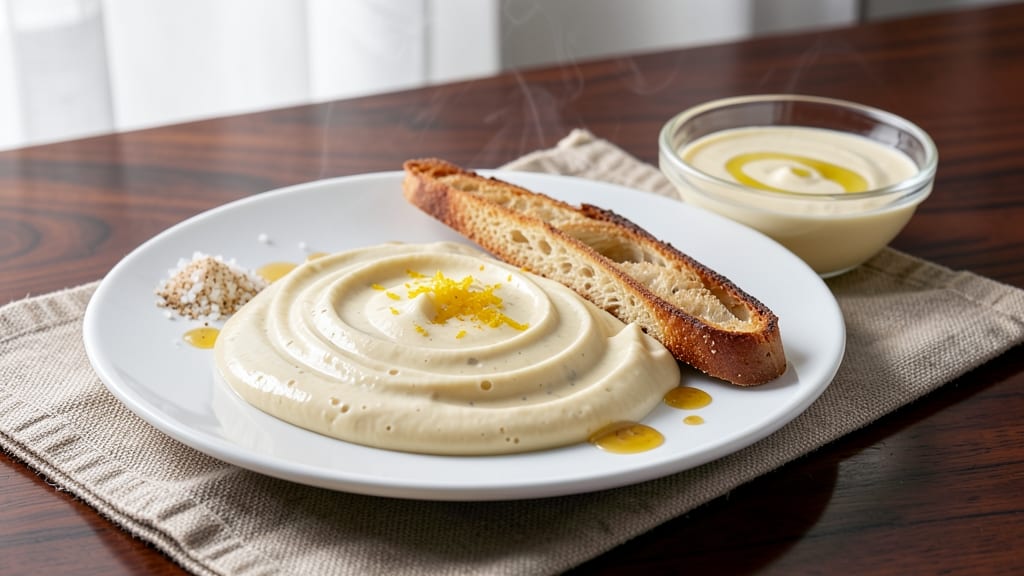
This vegan egg mayo recipe transforms plant-based ingredients into a creamy, curdle-free sauce that rivals classic egg mayo—without a single egg in sight.
The secret lies in blending aquafaba (chickpea brine) with neutral oil and a touch of acidity, creating a stable, velvety texture perfect for sandwiches, salads, or dipping.
I developed this after years of testing vegan mayo recipes that either separated or tasted overly beany, and this version finally delivers that familiar tangy richness we all crave.
The magic happens in the emulsification process, where aquafaba acts as the natural binder, mimicking egg yolks' ability to hold oil in suspension. You’ll need just five simple ingredients—aquafaba, neutral oil, lemon juice, Dijon mustard, and salt—to create a sauce that’s smooth, tangy, and perfectly balanced.
No special equipment is required beyond a blender, making it accessible for anyone looking to upgrade their vegan pantry staples.
What sets this recipe apart is its versatility—use it as a sandwich spread, salad dressing, or even a marinade for tofu or tempeh. The sauce stays fresh in the fridge for up to one week, though I rarely have leftovers for more than a few days.
For extra flavor, customize it with garlic powder, smoked paprika, or fresh herbs like dill or chives, depending on your dish.
This vegan mayo isn’t just a substitute; it’s a game-changer for plant-based cooking, offering the same creamy satisfaction without compromising on taste or texture. Let’s get started on creating your new favorite condiment.
Ingredients for vegan egg mayo
Five ingredients transform into the creamiest vegan mayo you'll ever taste—no eggs needed.
| Ingredient | Amount | Notes |
|---|---|---|
| Aquafaba 🥄 | ½ cup | Freshly drained from chickpeas |
| Neutral Oil 🫒 | ¾ cup | Avocado or light olive oil |
| Lemon Juice 🍋 | 1 tbsp | Freshly squeezed for tang |
| Dijon Mustard 🌶️ | 1 tbsp | For depth and stability |
| Sea Salt 🧂 | ½ tsp | Fine grain preferred |
| Garlic Powder 🧄 | ¼ tsp | Optional, for extra flavor |
| Smoked Paprika 🌶️ | ¼ tsp | Optional, for smoky depth |
Aquafaba is the star here—save the brine from a can of chickpeas (or buy it pre-drained). Trader Joe's sells it pre-packaged if you're short on time. The oil matters too: avocado oil keeps it neutral, while light olive oil adds a subtle fruity note. I always grab the Organic Valley brand for my neutral oils. Fresh lemon juice is non-negotiable—bottled lacks the zing. For the mustard, Amoy's Dijon is my go-to, but any good-quality brand works. The garlic powder and smoked paprika are optional but elevate this from basic to restaurant-quality in seconds.
No aquafaba? Silken tofu blended with lemon juice works in a pinch, though texture won't be identical. Short on Dijon? Yellow mustard at half the amount gets you close, but the tang will be milder. For extra richness, add 1 tsp vegan mayo to the final blend. The oil can be swapped for coconut oil if you prefer, though it adds a slight coconut flavor. For a herby twist, add 1 tsp fresh dill or chives to the blend before processing. The smoked paprika can be omitted if you're sensitive to smoky flavors—just skip it entirely.
This mayo keeps beautifully—1 week in the fridge sealed in a jar. I portion mine into small containers so it's ready for sandwiches or salads. For longer storage, freeze in 1-tbsp portions—thaw overnight in the fridge. The texture might separate slightly after freezing, but a quick blend brings it back to perfection. If it ever curdles, just whisk in 1 tsp more lemon juice and blend again. Trust me, it happens to the best of us.
Why You'll Love This Recipe
- Pantry Magic: I swear by this recipe because it uses ingredients I already have—no special shopping trips. Aquafaba (that chickpea brine) and a splash of lemon juice transform into something rich and tangy without breaking the bank.
- Bright & Creamy: Honestly, the lemon juice and Dijon mustard give it a zing that’s way more interesting than store-bought mayo. The neutral oil keeps it smooth, but the acidity cuts through it like a fresh breeze—perfect for sandwiches or salads.
- Meal Prep MVP: Between us, this stuff lasts forever in the fridge. I make a big batch on Sundays and toss it into wraps, pasta, or even as a quick sauce for roasted veggies. No waste, no fuss.
- No-Fail Flexibility: Here’s what sold me—it works for everything. Too thick? Thin it with water. Need more kick? Add hot sauce. Even my picky teenager slathers it on toast. That’s the kind of reliable I’m talking about.
Step-by-step instructions for vegan egg mayo
Here's how to whip up this velvety, curdle-free mayo that rivals classic versions.
Blend Aquafaba Until Foamy
Pour the 0.5 cup aquafaba into a blender or food processor. I like to use freshly drained aquafaba from chickpeas—it gives the best texture. Blend on high speed for 30 seconds until frothy. You'll see the mixture thicken slightly and develop small bubbles. This step mimics the emulsifying properties of egg yolks.
If you're using canned chickpeas, drain and rinse them thoroughly to remove excess starch. The starch can prevent the aquafaba from whipping properly. For best results, use room-temperature aquafaba—it blends more smoothly and creates a lighter texture.
Gradually Add Oil in a Slow Stream
With the blender running on low speed, very slowly drizzle in the 0.75 cup neutral oil. I mean SLOWLY—about 1 drop per second. This gradual addition is what creates that silky, stable emulsion. If you add the oil too quickly, the mixture will break and separate.
Use a light oil like avocado or refined olive oil for the best flavor and texture. As you add the oil, you'll notice the mixture thicken and become pale yellow. Keep blending continuously—don't stop to check or the emulsion will break. This process should take about 3-4 minutes total.
Incorporate Lemon Juice and Mustard
Once all the oil is incorporated and the mayo looks thick and creamy, stop the blender. Add the 1 tablespoon lemon juice, 1 tablespoon Dijon mustard, 0.5 teaspoon sea salt, 0.25 teaspoon garlic powder, and 0.25 teaspoon smoked paprika. The lemon juice adds tanginess that balances the richness, while the mustard helps stabilize the emulsion.
Blend these ingredients together for 10-15 seconds until fully combined. The mixture should be smooth with no visible streaks of mustard or seasoning. Taste and adjust seasoning if needed—you might want to add a bit more salt or lemon juice depending on your preference. The smoked paprika adds a subtle depth that makes this mayo stand out.
Check Consistency and Adjust
Transfer the mayo to a bowl and give it a taste. It should be creamy, tangy, and perfectly balanced. If it's too thick, add 1 teaspoon water at a time until you reach your desired consistency. For a thinner spread, add a splash of water or lemon juice. If it's too thin, blend in 1 teaspoon more neutral oil until it thickens up.
This vegan mayo should hold together beautifully and not separate when stored properly. For best results, keep it refrigerated in an airtight container for up to 1 week. The flavors actually improve as it sits, developing more depth. Use it on sandwiches, wraps, or as a dip—it's incredibly versatile and just as creamy as traditional mayo.
Pro Tips For Making Vegan Egg Mayo
- Whisk Aquafaba Cold: I learned this the hard way—whisking warm aquafaba makes it gummy. Use chilled aquafaba straight from the fridge, and whisk it vigorously until stiff peaks form. The cold temperature helps stabilize the emulsion, so don’t cut corners here.
- Use Lemon Gradually: Dump all the lemon juice at once, and you’ll end up with a sad, curdled mess. Start with half the lemon juice, whisk it in, then add the rest while tasting. This keeps the mayo from breaking and lets you adjust the tang to your liking.
- Salt in Stages: Taste before adding all the salt—aquafaba mayo can get overwhelmingly salty fast. Sprinkle in salt as you whisk, stopping when it’s bright and balanced. No need to guess; just check after each pinch.
- Warm the Oil Slowly: Pour cold oil into the aquafaba mix, and you’ll get a greasy, separated disaster. Warm the neutral oil to about 100°F (just barely warm to the touch) before drizzling it in thin streams while whisking constantly. The temperature difference is the thing that matters most.
Storing and reheating your leftovers
Fridge Storage Basics
Your vegan mayo will stay fresh for up to 1 week when stored properly in an airtight container in the fridge. I use glass jars with snap-on lids—they’re perfect for portion control and easy to grab for sandwiches.
Always let the mayo cool completely before sealing to prevent condensation, which can dilute flavors or cause separation. 🥄
Freezer-Friendly Tips
For longer storage, freeze your mayo in 1-tablespoon portions using silicone molds or ice cube trays. Once frozen, transfer the cubes to a freezer bag with all air squeezed out to prevent freezer burn.
Thaw overnight in the fridge—never at room temperature. The texture might separate slightly after freezing, but a quick 10-second blend restores that creamy perfection. It’s my go-to for meal prep!
Reviving Separated Mayo
If your mayo ever separates (don’t worry, it happens!), just whisk in 1 teaspoon lemon juice and blend again. The acidity helps re-emulsify the oil, bringing back that smooth consistency.
For extra insurance, add ½ teaspoon Dijon mustard—it acts as a natural stabilizer. I’ve revived mayo this way even after a week in the fridge. 💡
Portion Control Hacks
Divide your mayo into small containers—2-ounce jars work great—so you always have a fresh batch ready. Store one portion in the fridge for daily use and freeze extras. This way, you’re never left with a half-used jar that goes bad.
I label mine with dates to keep track, though I usually use them up faster than that! The key is keeping it sealed tightly to preserve freshness.
Reheating for Spreadability
If your mayo thickens slightly after refrigeration, give it a gentle stir and let it sit at room temperature for 5-10 minutes before using. For a quicker fix, microwave it for 10 seconds on low power—just enough to loosen the texture without cooking the flavors.
Never reheat fully; mayo is best enjoyed cold or at room temperature for that classic tangy kick. 🌟
Nutrition facts
Frequently asked questions
Can I make this vegan mayo without aquafaba?
Yes! If you don’t have aquafaba, blend ½ cup silken tofu with 1 tablespoon lemon juice first to mimic the binding properties. The texture won’t be identical, but it’ll still work for spreads. For a richer version, try ¼ cup cashew cream (soaked cashews blended with water) as a base instead.
Why did my vegan mayo separate?
Separation usually happens when oil is added too quickly or the blender isn’t running continuously. To fix it, whisk in 1 teaspoon lemon juice and blend again—this re-emulsifies the oil. For prevention, add oil drizzle-by-drizzle while blending on low speed. The Dijon mustard also helps stabilize the emulsion.
What’s the best way to use this mayo?
This creamy mayo shines on sandwiches, wraps, and burgers, but it’s also perfect for dips (like veggie sticks or fries) or as a salad dressing base. For extra flavor, mix in 1 teaspoon sriracha for spicy mayo or 1 tablespoon vegan yogurt for a tangier twist. It’s versatile enough to replace mayo in any recipe!
Can I make this mayo nut-free?
This recipe is already nut-free, relying on aquafaba and mustard for stability. For a seed-based option, try blending 2 tablespoons ground flaxseed with 3 tablespoons water (let it sit for 5 minutes to thicken) as a binder instead of aquafaba. The texture will be slightly denser but still creamy.
How do I adjust the flavor for different dishes?
For garlic mayo, add 1 minced garlic clove (or ½ teaspoon garlic powder) to the blend. For herb mayo, stir in 1 tablespoon fresh dill or chives. For a smoky version, increase the smoked paprika to ½ teaspoon. Always taste and adjust salt/lemon juice as needed—flavor customization is endless!