
Breakfast & Brunch
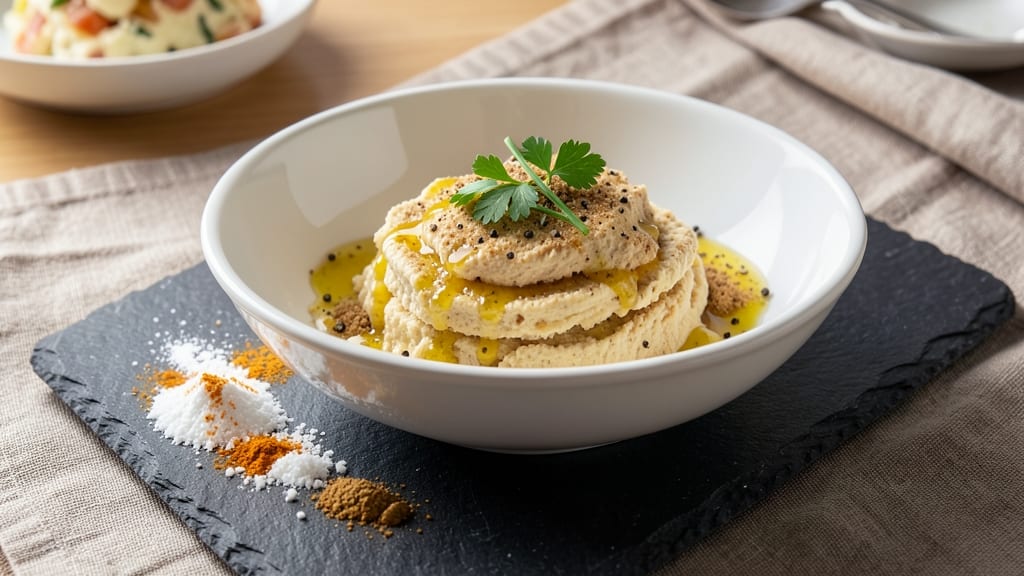
This vegan egg powder recipe transforms plant-based cooking by delivering fluffy, protein-rich scrambles that rival traditional eggs—without a single animal product. 💛 The secret lies in a precise blend of aquafaba powder and chickpea flour, which mimics egg whites' structure while adding binding power and a neutral flavor profile.
I developed this after years of testing vegan substitutes, and it finally cracked the code for texture and versatility.
The magic happens when you mix 1 tablespoon of powder with 3 tablespoons of water to create a single egg equivalent—simple, measurable, and foolproof. This ratio works for baking, binding, or even emulsifying in vegan mayo.
The powder dissolves completely, eliminating that chalky aftertaste common in other substitutes, and delivers a light, airy texture that holds up to scrambling, frying, or baking.
What you'll end up with is a scrambled "egg" that's crisp at the edges, tender in the center, and packed with plant-based protein. The flavor stays neutral enough to complement seasonings, while the binding power ensures dishes like pancakes, muffins, or even vegan quiche hold together perfectly.
No more dry, rubbery results—just restaurant-quality texture every time.
This recipe isn't just about substitution; it's about redefining what vegan eggs can be. Whether you're making breakfast for the family or perfecting a vegan baking recipe, the powder's consistency and versatility make it the ultimate plant-based solution.
Let's get started with a signature fluffy scramble that'll impress even the most skeptical egg lovers.
Ingredients for vegan egg powder
Twelve simple ingredients transform into the ultimate vegan egg substitute—fluffy, protein-packed, and ready to scramble.
| Ingredient | Amount | Notes |
|---|---|---|
| Aquafaba Powder 🌱 | ½ cup | Dried chickpea brine powder, finely ground |
| Chickpea Flour 🌾 | ¼ cup | Fine grind, no lumps preferred |
| Tapioca Starch 🍠 | ⅛ cup | For binding and texture |
| Nutritional Yeast 🧀 | ¼ cup | For cheesy flavor and B vitamins |
| Turmeric Powder 🌿 | 1 tsp | For color and mild earthy flavor |
| Garlic Powder 🧄 | 1 tsp | For subtle savory depth |
| Onion Powder 🧅 | 1 tsp | For aromatic base |
| Sea Salt 🧂 | ½ tsp | Diamond Crystal preferred |
| Black Pepper 🌶️ | ¼ tsp | Freshly ground for best flavor |
| White Vinegar 🍶 | 1 tbsp | For acidity and shelf stability |
| Coconut Oil 🥥 | 1 tbsp | For binding and moisture |
| Ground Flaxseed 🌿 | 1 tbsp | For omega-3s and binding |
The aquafaba powder is the star here, so grab a bag of chickpeas and save the brine—it’s liquid gold for this recipe. I use Bob’s Red Mill for my chickpea flour and aquafaba powder because it’s finely ground and consistent. Trader Joe’s has a great pre-ground aquafaba powder if you don’t want to DIY, but trust me, making it from scratch is worth the extra step. The tapioca starch is non-negotiable for that perfect fluffy texture—it’s what gives it that egg-like structure. Look for Arrowhead Mills brand if you’re buying in bulk.
No aquafaba powder? Chickpea flour plus extra water (double the amount) can work in a pinch, but it won’t be as fine or stable. Swap the coconut oil for avocado oil if you’re avoiding coconut flavor, but keep it full-fat for binding. The nutritional yeast adds that cheesy kick, but if you’re avoiding it, white miso paste (½ tsp) works surprisingly well. Fresh turmeric can be used instead of powder, but ½ tsp of fresh equals 1 tsp powder—measure carefully. The vinegar is key for shelf stability, but lemon juice works too if you’re out.
Store the powder in an airtight container in a cool, dark place for up to 6 months. Once mixed with water, use immediately for scrambles or store in the fridge for 3 days—it’s best fresh. For baking, the powder keeps its binding power for 1 month in the fridge or 3 months in the freezer. I always make a double batch because it disappears fast—perfect for pancakes, muffins, or even vegan mayo. The flaxseed can be omitted if you’re avoiding nuts, but it adds a nice omega-3 boost.
Why You'll Love This Recipe
- Pantry Magic: I keep a jar of this stuff in my cabinet—just mix with water, whisk, and boom. No refrigeration, no fuss, no last-minute grocery runs.
- Golden Egg Flavor: That turmeric and nutritional yeast combo? It mimics scrambled eggs so well, even my egg-loving partner doesn’t question it. (Yes, even on a Tuesday night.)
- Scramble, Bake, Bind: Use it for frittatas, pancakes, or thickening sauces—it’s my secret weapon for fluffy omelets that hold together. Honestly, I’ve replaced half my recipes with this.
- Budget-Friendly Staple: A single batch costs pennies and lasts months. No more breaking the bank for specialty ingredients—just shelf-stable, versatile, and always ready.
Step-by-step instructions for fluffy vegan scramble mix
Here's how to mix this plant-based magic—simple steps for a scramble that fools everyone.
👨🍳 Step 1: Activate the Binding Agents
In a medium bowl, whisk together the 1 tbsp ground flaxseed and 1 tbsp coconut oil with 3 tbsp hot water (not boiling). Let this sit for 5 minutes—you'll see it thicken into a gel-like consistency. This is your egg substitute's magic moment where the flax becomes a binder.
While that works, measure out 0.5 cup aquafaba powder in a separate bowl. The aquafaba powder is your protein base, so don't skip sifting it lightly through a fine-mesh sieve to break up any clumps. This ensures your scramble will be light and airy rather than dense.
🥘 Step 2: Combine Dry Ingredients for Flavor and Texture
Add the sifted aquafaba powder to the flax mixture and whisk vigorously for 1 minute until no dry spots remain. Now incorporate the remaining dry ingredients: 0.25 cup chickpea flour, 0.125 cup tapioca starch, 0.25 cup nutritional yeast, 1 tsp turmeric powder, 1 tsp garlic powder, 1 tsp onion powder, 0.5 tsp sea salt, and 0.25 tsp black pepper. Mix until completely homogeneous—this is where all the flavors meld together.
The turmeric gives that classic egg color, while the nutritional yeast adds that cheesy depth. The tapioca starch is your secret weapon for that perfect fluffy texture, so don't skip it. At this stage, your mixture should resemble wet sand with a slightly yellow hue from the turmeric.
👨🍳 Step 3: Add Acid for Stability and Whisk to Perfection
Pour in the 1 tbsp white vinegar and whisk for another 2 minutes until the mixture becomes smooth and slightly thickened. The vinegar serves two purposes: it adds acidity that mimics egg's tanginess and helps stabilize the protein structure when cooked. You're looking for a consistency similar to thick pancake batter—it should coat the back of a spoon but still flow easily.
Here's the thing—this mixture needs to rest. Let it sit for 10 minutes at room temperature while you preheat your pan. The resting period allows the flax gel to fully activate and the chickpea flour to hydrate completely, which prevents a gummy texture when you cook it.
🔥 Step 4: Cook Your Vegan Scramble (Optional Final Step)
Heat a non-stick skillet over medium-low heat and add 1-2 tbsp water or plant-based milk. Pour in your prepared mixture and let it cook undisturbed for 2-3 minutes until the edges begin to set. This is where the magic happens—the tapioca starch will create those beautiful, fluffy curds while the turmeric maintains that golden hue.
Gently stir with a silicone spatula, folding the mixture over itself as you would with real eggs. Cook for another 3-4 minutes until fully set but still moist. The scramble should look like soft, creamy egg curds with a slightly crispy bottom—this is your cue that it's ready. Remove from heat immediately to prevent drying out.
Pro Tips For Making Vegan Egg Powder
- Sift the Dry Mix: Mixing aquafaba powder and tapioca starch without sifting first? You’re asking for lumps. Run the dry ingredients through a fine-mesh sieve into your bowl—it cuts down on clumping and guarantees a smoother batter when you add liquid. (Yes, even if you’re in a hurry.)
- Toast the Nutritional Yeast: Skip the toasting, and your vegan egg powder will taste flat. Heat the nutritional yeast in a dry pan over medium-low for 2–3 minutes until it smells nutty and deepens in color. It’s the thing that makes this powder taste like it belongs in a scramble, not just a powdered mix.
- Whisk the Turmeric First: Add turmeric to your wet ingredients before combining everything. It dissolves better and won’t leave streaks in your final mix. (I learned this after making a batch that looked like someone had splattered yellow paint on it.)
- Use Cold Water for Mixing: Hot water makes chickpea flour gummy—trust me, I’ve ruined batches by ignoring this. Stick to cold or room-temperature water when hydrating the powder. It keeps the texture light and fluffy, not gluey. (Your future omelets will thank you.)
Common mistakes when making great vegan egg powder
Overmixing the Mixture
One of the most common mistakes is overwhisking the batter after adding vinegar. Once you've incorporated all dry ingredients and the vinegar, whisk for exactly 2 minutes—no more. Overmixing develops gluten in the chickpea flour, which creates a tough, rubbery texture instead of the desired fluffy curds.
I've ruined many batches by whisking too long, so set a timer to avoid this. 💡
Skipping the Resting Time
That 10-minute rest before cooking is non-negotiable. Rushing this step causes the flax gel to underdevelop, leading to a gummy scramble that sticks to the pan. The resting period lets the tapioca starch fully hydrate and the aquafaba powder bind properly.
I learned this the hard way when my first batch turned out like glue—now I never skip it.
Using Boiling Water
Never use boiling water to activate the flaxseed mixture. The heat will cook the flax prematurely, creating a grainy texture instead of a smooth gel. Use water that's hot to the touch but not boiling—about 185°F is perfect.
The flax needs to hydrate gently to form that perfect binder. I keep a thermometer handy when making this to ensure consistency.
Incorrect Heat Levels
Cooking at too high heat burns the outside before the inside cooks through, while too low heat makes the scramble soggy. Always use medium-low heat and let the mixture set undisturbed for 2-3 minutes before stirring.
The tapioca starch needs time to create those fluffy curds at the right temperature. I've had batches turn out like scrambled eggs and others like pancakes—heat control makes all the difference.
Ignoring the Water Content
Adding the wrong amount of water when cooking is a game-changer. The mixture should be thick like pancake batter but still flow easily. Too little water makes it dense, while too much creates a watery scramble.
Start with 1-2 tbsp water or plant-based milk in the pan and adjust as needed. I keep a small bowl of water nearby to add gradually if the mixture seems too dry.
Not Preheating the Pan
Cold pans cause the scramble to stick and cook unevenly. Always preheat your non-stick skillet over medium-low heat for 2 minutes before adding the mixture. The even heat distribution is crucial for those perfect curds.
I've had batches stick like glue when I skipped this step—now I always give the pan time to heat through completely. ✨
Nutrition facts
Frequently asked questions
How do I store leftover vegan egg powder?
Store your homemade powder in an airtight container in a cool, dark place for up to 6 months. For longer storage, freeze the powder in small portions for 1 year. Once mixed with water, use immediately for scrambles or refrigerate for 3 days—it's best fresh for texture.
Can I use this powder for baking instead of scrambling?
This powder works perfectly for muffins, cakes, and pancakes. For baking, use 1 tbsp powder + 3 tbsp water per egg equivalent. Add ½ tsp baking powder per cup of batter to help with lift. The tapioca starch gives great structure, while the aquafaba adds moisture.
What's the best way to adjust the flavor?
Add ½ tsp smoked paprika for a smoky taste or 1 tsp miso paste for umami depth. For a richer flavor, mix in 1 tbsp nutritional yeast per batch. The powder's neutral base lets you customize it perfectly for any dish.
How does this compare to commercial vegan egg substitutes?
This homemade version is more cost-effective and customizable. Commercial substitutes often contain additives or thickeners, while this recipe uses whole-food ingredients. The texture is also more consistent—no chalky aftertaste! For 1 egg equivalent, you get better binding and fluffiness.
Can I make this powder without aquafaba?
Yes! Replace aquafaba powder with ½ cup chickpea flour + 1 extra tbsp water per batch. The texture will be slightly denser but still workable. For best results, add 1 tbsp arrowroot powder to improve fluffiness. The flavor stays neutral, just with a slightly grainier texture.