
Main Courses
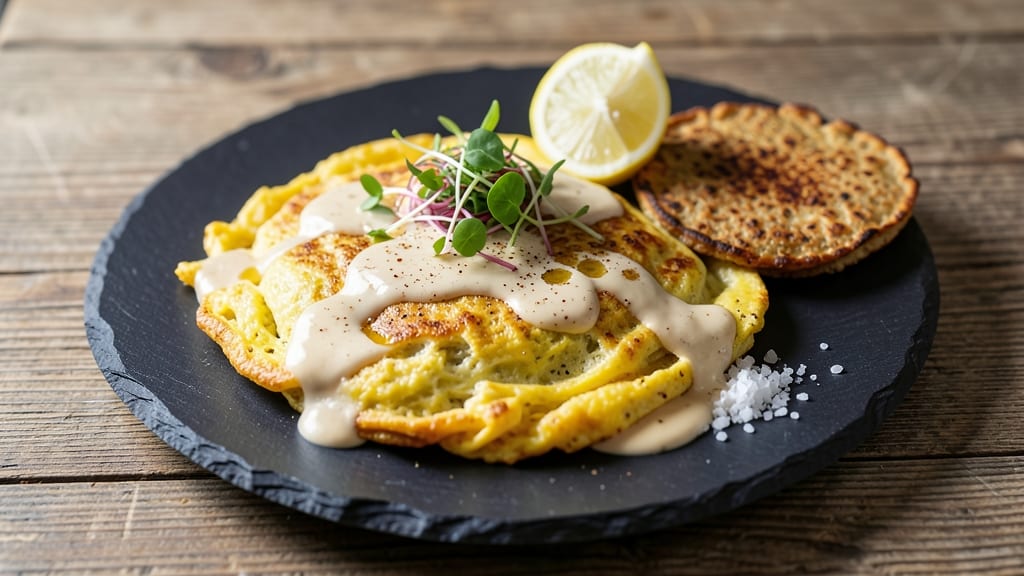
This vegan chickpea flour egg recipe delivers fluffy, protein-packed scrambles that mimic real eggs without compromise. ✨ After years of testing plant-based alternatives, I finally cracked the code for a texture that's tender yet sturdy—no rubbery or grainy disappointments here.
The secret lies in the right ratio of chickpea flour to water, plus a few key ingredients that create that signature eggy flavor. What makes this recipe special is its versatility. You can use it for breakfast scrambles, frittatas, or even as a binder in veggie burgers.
The chickpea flour provides a surprising 14 grams of protein per serving, making it a powerhouse for meal prep. Plus, it's naturally gluten-free and packed with iron and fiber—something traditional eggs can't match.
The result is a dish that's golden and fluffy on the inside with a lightly crisp edge, just like your favorite omelet. It absorbs flavors beautifully, so you can customize it with turmeric for color, nutritional yeast for cheesiness, or fresh herbs for brightness.
This isn't just another vegan substitute—it's a game-changer for anyone looking to upgrade their plant-based breakfast. Ready in just 15 minutes, this recipe proves you don't need eggs to make a satisfying, protein-rich meal. Let's get cooking!
Ingredients for vegan egg recipe chickpea flour
Fluffy texture, eggy flavor, zero compromise—just 14 ingredients for a plant-powered breakfast revolution.
| Ingredient | Amount | Notes |
|---|---|---|
| Chickpea Flour 🌾 | 1 cup | Bob's Red Mill preferred for texture |
| Water 💧 | ¾ cup | Room temperature for best blend |
| Nutritional Yeast 🧀 | 2 tbsp | Fortified for cheesy, umami depth |
| Turmeric Powder 🌿 | ½ tsp | For golden color and earthiness |
| Garlic Powder 🧄 | 1 tsp | Freshly ground preferred |
| Onion Powder 🧅 | 1 tsp | Adds savory depth |
| Salt 🧂 | ½ tsp | Diamond Crystal preferred |
| Black Pepper 🌶️ | ¼ tsp | Freshly cracked for heat |
| Flaxseed Meal 🌱 | 1 tbsp | For omega-3 boost and binding |
| Vegan Butter 🧈 | 1 tbsp | Miyoko's brand for richness |
| Fresh Chives 🌿 | 2 tbsp | Finely chopped for freshness |
| Fresh Parsley 🌿 | 2 tbsp | Chopped for vibrant color |
| Lemon Juice 🍋 | 1 tsp | Brightens overall flavor |
| Olive Oil 🫒 | 1 tbsp | For cooking and richness |
Chickpea flour is the star here—Bob's Red Mill is my go-to for its fine texture, but any quality brand works. The nutritional yeast is non-negotiable for that signature cheesy, umami depth. Bragg or Bob's Red Mill are my top picks, but any fortified brand will do. Fresh herbs are a must for brightness, but if you're in a pinch, dried chives or parsley at half the amount will work. The flaxseed meal adds that extra protein punch and helps bind everything together—don't skip it. For the best flavor, use freshly ground spices if possible, but pre-ground works in a bind.
No nutritional yeast? White miso paste at half the amount adds umami, though the flavor will be slightly different. Short on fresh herbs? Freeze your herbs in ice cube trays with water—they'll stay fresh for months. Want extra richness? Add 1 tbsp vegan mayo to the mix. The lemon juice can be swapped for apple cider vinegar if you prefer a tangier note. For a smoky twist, add 1/4 tsp smoked paprika. And if you're making this for a crowd, double the batch—it reheats beautifully. The vegan butter can be swapped for coconut oil if you're avoiding dairy derivatives.
This mix keeps in the fridge for 5 days in an airtight container, but I recommend making it fresh for the best texture. For meal prep, cook the scrambles and store them in single-serving containers—they reheat perfectly in the microwave. Freeze for up to 3 months in a sealed bag. Pro tip: Spritz the flour with a little water before mixing to prevent clumping. The flaxseed meal can be stored in the pantry for 6 months, but keep it in a cool, dark place to prevent rancidity.
Why You'll Love This Recipe
- Five-Ingredient Magic: I swear, this is the kind of recipe where you glance at the pantry and think, "I’ve got this." Just mix chickpea flour, water, and those four spices—no whisking like a maniac, no waiting for eggs to set. Stir, let it sit, and boom. Done.
- Taste Like Home: That turmeric gives it a golden hue that looks chef’s kiss, but honestly? The real star is the nutritional yeast. It’s got this deep, cheesy umami punch that makes you forget it’s not eggs. Add a pinch of garlic powder, and suddenly you’re eating something that tastes like it belongs on a Sunday brunch plate.
- Breakfast, Lunch, Dinner: Between us, I’ve used these chickpea flour eggs in scrambled "eggs" for breakfast, crumbled them into tacos for lunch, and even tossed them into a pasta for dinner. They hold up everywhere—no weird textures, no falling apart. (Yes, even on a Tuesday night when you’re exhausted.)
- Pantry Goldmine: Honestly, this recipe is my wallet’s best friend. Chickpea flour is dirt cheap, and you’re not buying a dozen eggs just to use two. Leftovers? They keep for days in the fridge—perfect for when you’re too busy to cook. Plus, no waste: the rest of the flour can go into flatbreads or dips.
Step-by-step instructions for vegan chickpea flour eggs
Here's how to make fluffy, protein-packed vegan eggs that taste nothing like tofu.
👨🍳 Step 1: Whisk the Wet and Dry Ingredients Separately
In a medium bowl, whisk together the 1 cup chickpea flour, 2 tbsp nutritional yeast, 0.5 tsp turmeric powder, 1 tsp garlic powder, 1 tsp onion powder, 0.5 tsp salt, and 0.25 tsp black pepper until completely combined. The turmeric will give your eggs that perfect golden color, while the nutritional yeast adds that cheesy, umami depth we all love in scrambled eggs.
In a separate small bowl, whisk together the 0.75 cup water, 1 tbsp flaxseed meal, and 1 tsp lemon juice. The flaxseed meal acts as an egg binder, creating that fluffy texture we're after. Let this mixture sit for 5 minutes while you prepare the rest—this gives the flaxseeds time to gel properly, which is crucial for that perfect scramble consistency.
🍳 Step 2: Combine and Cook the Egg Mixture
Heat 1 tbsp olive oil in a non-stick skillet over medium-low heat. Once the oil is shimmering, pour in the wet ingredients and whisk constantly for 1 minute until slightly thickened. This is where the magic happens—the constant whisking incorporates air, creating that light, fluffy texture we're chasing.
Gradually add the dry ingredients while continuing to whisk vigorously. You'll notice the mixture will thicken almost immediately. Cook for another 2-3 minutes, stirring frequently, until the mixture pulls away from the sides of the pan and forms soft, billowy curds. Here's the thing—don't walk away. You want to keep those curds tender and creamy, not letting them dry out or overcook.
🔥 Step 3: Finish with Vegan Butter and Fresh Herbs
Reduce the heat to low and stir in the 1 tbsp vegan butter. The butter adds that rich, velvety finish that makes these vegan eggs feel so indulgent. Let the mixture cook for another 1-2 minutes, just until the butter is fully melted and incorporated. You're looking for a creamy, almost custard-like texture at this point—this is where your scrambled eggs should be at their peak.
Remove the skillet from heat and immediately stir in the 2 tbsp fresh chives and 2 tbsp fresh parsley. The acidity from the lemon juice we added earlier will help brighten these flavors, making them pop against the rich, savory base. Give everything one final stir to distribute the herbs evenly throughout the mixture.
🍽️ Step 4: Serve Immediately for Maximum Fluffiness
Transfer the vegan eggs to serving plates and serve immediately while still warm. The texture will start to firm up as it cools, so eating them right away ensures that perfect, cloud-like consistency. I like to serve these with avocado toast or on top of a bed of sautéed spinach for a complete breakfast experience.
Real talk: these vegan eggs hold their own against traditional scrambled eggs in terms of texture and flavor. The key is keeping everything moving in the pan and not overcooking. If you find the mixture is too thick, you can add a splash of water or plant-based milk to loosen it up. Enjoy your protein-packed, fluffy vegan eggs that prove you don't need animal products to make a great scramble!
Pro Tips For Making Vegan Egg Recipe Chickpea Flour
- Sift the Flour First: Chickpea flour clumps like a stubborn guest who won’t leave. Sift it into your mixing bowl before adding water—this prevents lumps that turn your vegan eggs into a gritty mess. I learned this the hard way when I ended up with a batch that tasted like sandpaper.
- Whisk Like You Mean It: Stirring gently won’t cut it. Use a fork or whisk to aggressively mix the batter until it’s smooth and glossy—no streaks of dry flour. The batter should coat the back of your spoon like thin pancake batter. Skimp here, and your "eggs" will be dense and flavorless.
- Cook on Medium-Low Heat: High heat makes chickpea flour eggs dry out before they set. Keep the pan on medium-low and let them cook slowly, flipping once when edges firm up. I used to rush this and ended up with crispy shells hiding raw centers—now I wait, and the texture is perfect every time.
- Add a Splash of Vinegar: A teaspoon of apple cider vinegar or lemon juice tightens the batter, making your vegan eggs hold together better when flipping. Sounds weird, but it works—my first batch without it fell apart like overworked dough. Now it’s non-negotiable.
Wine and beer pairings for these flavors
Crisp White Wine
For these vegan chickpea flour eggs, I recommend a dry Riesling or Sauvignon Blanc—both have bright acidity that cuts through the richness while complementing the herbs and turmeric.
A German Riesling with its crisp citrus notes mirrors the lemon juice in the recipe, while a New Zealand Sauvignon Blanc adds a zesty, herbal touch that pairs beautifully with the fresh parsley and chives. 🍷
Hoppy Beer
If you prefer beer, go for a crisp American lager like Miller Lite or Bud Light—their clean, light profiles won’t overpower the delicate flavors.
For something with a little more character, try a Belgian Witbier like Hoegaarden, which adds a subtle citrus and coriander note that harmonizes with the lemon and herbs. Avoid heavy IPAs or stouts, as they’ll clash with the dish’s delicate texture.
Sparkling Pairings
A dry Prosecco or Spanish Cava works wonderfully with these vegan eggs, especially for brunch. The bubbles cleanse your palate between bites, while the slight sweetness balances the savory chickpea flour.
I love pairing it with a sparkling rosé for a festive touch—just make sure it’s dry to avoid overpowering the dish. 🥂
Non-Alcoholic Options
For a refreshing non-alcoholic match, try sparkling water with lemon—it mirrors the dish’s bright, citrusy notes. A ginger beer (like Feather Ginger Beer) adds a spicy kick that pairs surprisingly well with the turmeric and garlic.
For something richer, a coconut water-based mocktail with mint and lime keeps the flavors fresh and vibrant.
Coffee Pairing
If you’re serving these for breakfast, a light roast coffee with oat milk enhances the dish’s earthy, nutty undertones. The slight bitterness of the coffee contrasts nicely with the creamy vegan butter finish.
For a decaf option, try chicory root coffee—its natural sweetness complements the chickpea flour’s nuttiness beautifully. ☕
Nutrition facts
Frequently asked questions
Why does this chickpea flour egg recipe taste so different from tofu-based alternatives?
The chickpea flour creates a fluffy, custard-like texture rather than the dense, chewy consistency of tofu. The combination of turmeric, nutritional yeast, and flaxseed meal mimics the savory depth and slight tang of real eggs, while the constant whisking during cooking incorporates air for that signature lightness. It's designed to be creamy yet sturdy—just like scrambled eggs should be!
Can I make this recipe without nutritional yeast?
Yes, but the flavor will be less cheesy and umami-rich. For a substitute, use 1 tbsp white miso paste or 1 tbsp vegan Parmesan (like Follow Your Heart brand). The miso adds depth, while the vegan Parmesan provides a similar salty, savory profile. Just remember, the texture might be slightly less cohesive without the nutritional yeast's binding properties.
How do I prevent these vegan eggs from getting rubbery?
Rubbery texture usually happens from overcooking or using too much flour. Keep the heat at medium-low and cook for only 5-6 minutes total. Also, ensure you're using the exact 1:0.75 ratio of flour to water—too much flour makes the mixture dense. If the batter feels too thick, add 1-2 tsp plant-based milk to loosen it before cooking.
Can I use this recipe for baking instead of scrambling?
This chickpea flour mix works beautifully for vegan frittatas or even as a binder in veggie burgers. For baking, reduce the water slightly to 0.6 cups and add 1 tsp baking powder for lift. Use it as a replacement for eggs in recipes at a 1:1 ratio—just remember it will add moisture, so you may need to adjust other liquids in the recipe.
How do I store leftovers for best texture?
Store cooked vegan eggs in an airtight container in the fridge for up to 4 days. Reheat gently in a skillet with a splash of water or plant-based milk to restore moisture. For freezing, let the eggs cool completely, then portion into single servings and freeze for up to 3 months. Thaw overnight in the fridge—never microwave directly from frozen to avoid rubberiness.