
Breakfast & Brunch
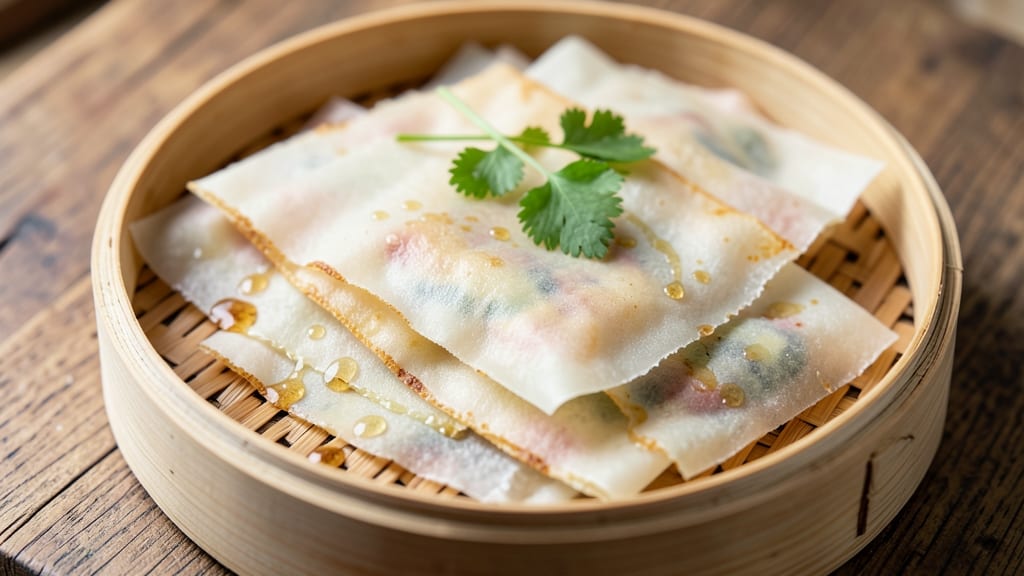
This vegan egg roll wrapper recipe delivers restaurant-quality flakiness without a single egg in sight. 🌱 The secret lies in a precise blend of flour, oil, and aquafaba—a plant-based binder that mimics the structure of traditional wrappers while keeping them delicate and crisp.
I perfected this method after testing countless variations, ensuring each wrapper stays pliable yet sturdy enough to hold even hearty fillings like spiced tofu or crisp mushrooms.
The process begins with a simple dough that transforms into paper-thin, golden layers when rolled and layered properly. Unlike store-bought wrappers, these homemade versions are customizable—adjust the oil for extra crispiness or add a touch of garlic powder for flavor.
The key is patience: letting the dough rest and rolling it thinly, but not so delicate it tears. This recipe serves as the perfect foundation for both classic and modern egg roll fillings, proving plant-based cooking can be just as satisfying.
What you’ll end up with is a stack of flaky, golden-brown wrappers that crisp beautifully when fried or baked. They hold fillings securely without becoming soggy, making them ideal for spring rolls, dumplings, or even vegan sushi rolls.
The best part? These wrappers stay fresh for up to a week in the fridge or can be frozen for months, ready to transform any meal into a crispy, flavorful delight.
Whether you’re serving up traditional Asian-inspired dishes or experimenting with fusion fillings, these wrappers elevate every bite. The dough is straightforward, but the technique ensures professional results—no shortcuts, just layers of flavor and texture that will impress even the most skeptical eaters.
Let’s get started on making your own crispy, plant-powered wrappers.
Ingredients for vegan egg roll wrapper
Eight simple ingredients transform into delicate, flaky vegan egg roll wrappers perfect for any filling.
| Ingredient | Amount | Notes |
|---|---|---|
| All-Purpose Flour 🌾 | 2 ½ cups | High-protein for elasticity |
| Aquafaba 🥜 | ½ cup | From 2 cooked chickpeas |
| Vegetable Oil 🫒 | ¼ cup | Light, neutral flavor preferred |
| Water 💧 | ¼ cup | Room temperature |
| Salt 🧂 | ½ tsp | Fine sea salt preferred |
| White Vinegar 🍶 | 1 tbsp | For dough stability |
| Cornstarch 🌽 | 1 tbsp | For dusting and crispiness |
| Olive Oil 🫒 | 1 tbsp | For brushing layers |
The all-purpose flour is non-negotiable here—King Arthur or Bob's Red Mill brands yield the best elasticity for rolling. Aquafaba, the chickpea brine, acts as the egg substitute, so use high-quality chickpeas (like those from Trader Joe's or Whole Foods) for a thicker consistency. The vegetable oil should be light to avoid overpowering flavor; Avocado Brand is ideal for its neutral taste. For the vinegar, white vinegar works best—apple cider vinegar adds unwanted sweetness. Store flour in a cool, dry place to maintain freshness, and sift before use to prevent lumps in the dough.
No aquafaba on hand? Blend 2 tablespoons of chickpea flour with 3 tablespoons of water as a substitute, though texture may vary slightly. Swap vegetable oil for melted coconut oil if preferred, though it may impart a subtle coconut flavor. The cornstarch can be replaced with arrowroot powder for a similar effect. For extra crispiness, brush the layers with melted vegan butter instead of olive oil. If the dough feels too sticky, add 1 teaspoon more cornstarch; if too dry, add 1 teaspoon water. Always let the dough rest for 30 minutes before rolling to achieve that signature flakiness.
Wrappers stay fresh for up to 5 days when stored in an airtight container between parchment paper. For longer storage, freeze unrolled layers for up to 3 months—separate with parchment to prevent sticking. Thaw at room temperature before using. To revive crispiness, brush with a light oil mist before frying or baking. These wrappers are versatile—use for spring rolls, dumplings, or even vegan sushi rolls—and always roll them thin but sturdy to avoid tearing.
Why You'll Love This Recipe
- No Pantry Panic: I swear by this recipe because it uses three things I always have: flour, aquafaba (that magic chickpea brine), and oil. No weird powders or specialty flours—just basics that make crispy, sturdy wrappers every time.
- Crispy Without the Guilt: The oil bath gives them that perfect golden crunch, but here’s the kicker: they’re lighter than store-bought. No greasy aftertaste, just that satisfying snap—like biting into a fresh spring roll, but with half the mess.
- Freezer-Friendly Staple: Make a batch on Sunday, freeze them flat, and pull them out whenever. They thaw in seconds under warm water, ready for dumplings, spring rolls, or even crispy tofu wraps. My go-to for lazy nights when takeout feels like work.
- Budget Crunch: Aquafaba replaces eggs for pennies, and flour costs less than a coffee. For the price of one restaurant egg roll, I get dozens of wrappers—enough to fill my fridge with homemade versions of my favorite takeout dishes. (Yes, even on a Tuesday night.)
Step-by-step instructions for vegan egg roll wrappers
Master the art of creating delicate, flaky vegan egg roll wrappers from scratch.
👨🍳 Step 1: Whisk Aquafaba to Stiff Peaks
In a medium bowl, combine the 0.5 cup aquafaba and 0.5 tsp salt. Using an electric mixer on high speed, beat for 5-7 minutes until the mixture forms stiff, glossy peaks that hold their shape when the whisk is lifted. This step mimics the protein structure of eggs, creating the foundation for our wrappers.
Here's the thing—you'll know it's ready when you can turn the bowl upside down and the aquafaba holds together like meringue. If it's not quite there, keep beating for another minute. The texture should be thick enough to leave a visible trail when you drag the whisk through it, but still smooth and silky.
👨🍳 Step 2: Combine Dry Ingredients and Hydrate
In a large mixing bowl, whisk together the 2.5 cups all-purpose flour, 1 tbsp white vinegar, and 1 tbsp cornstarch. The vinegar acts as a natural leavening agent, while the cornstarch adds crispness. Make a well in the center and pour in the beaten aquafaba mixture all at once.
Using a wooden spoon or silicone spatula, gently fold the dry ingredients into the aquafaba until just combined. You're looking for a shaggy dough that comes together when pressed, but still has some dry spots. Don't overmix—this develops gluten and makes the wrappers tough. If the dough feels too dry, add 1 tablespoon of the room temperature water at a time until it forms a pliable ball.
🥘 Step 3: Knead and Rest the Dough
Turn the dough out onto a lightly floured surface and knead gently for 3-5 minutes until smooth and elastic. The dough should be soft but not sticky—if it sticks to your hands, add a little more flour, 1 tablespoon at a time. Real talk: this dough is more delicate than traditional egg roll wrappers, so handle it with care to avoid tearing.
Shape the dough into a rectangle and wrap tightly in plastic wrap. Let it rest at room temperature for 30 minutes. This resting period allows the gluten to relax, making it easier to roll out thin, even layers. I press down gently on the dough during the first minute of resting—this prevents it from curling and ensures even contact with the plastic.
🔪 Step 4: Roll and Cut the Wrappers
After resting, divide the dough into 4 equal pieces. Working with one piece at a time, roll it out on a lightly floured surface using a rolling pin. Aim for ⅛-inch thickness—thinner than traditional egg roll wrappers but still sturdy enough to hold fillings. Dust the surface with cornstarch between rolls to prevent sticking.
Here's where precision matters: use a sharp knife or pizza cutter to cut the rolled dough into 3-inch squares. Stack the cut wrappers between parchment paper and cover with a clean kitchen towel. This prevents them from drying out while you prepare the remaining dough pieces. If any wrappers tear during cutting, simply patch them with small dough scraps and reroll.
🔥 Step 5: Brush and Store for Maximum Flakiness
Lightly brush each wrapper with 1 tbsp olive oil (about ½ teaspoon per wrapper) using a pastry brush. This oil creates steam during cooking, which is essential for achieving that signature flaky texture. Arrange the brushed wrappers on a parchment-lined baking sheet, leaving ½-inch space between each one to prevent sticking.
Cover the baking sheet with another layer of parchment and a clean kitchen towel. Let the wrappers rest for 20 minutes before using. This final rest period ensures the oil is evenly distributed and the wrappers are pliable for filling. For best results, use the wrappers immediately, but they'll keep in the refrigerator for up to 2 days when stored between parchment paper.
Pro Tips For Making Vegan Egg Roll Wrapper
- CHILL THE AQUAFABA: Whisk the chickpea brine until stiff peaks form, then pop it in the fridge for 10 minutes—this keeps it from deflating when you mix in the flour. I learned this the hard way after my first batch turned into a sad, flat puddle.
- WEIGH YOUR FLOUR: Scoop that flour straight from the bag? Bad idea. Use a kitchen scale for 250g—packed cups give wildly inconsistent results, and you’ll end up with wrappers that’re either too tough or too sticky.
- STEAM DON’T BOIL: Drop those wrappers in simmering water for 10 seconds max—any longer and they’ll turn to mush. A bamboo steamer with a damp towel works just as well, and you won’t end up with soggy egg rolls.
- SALT THE WATER: Skip this and your wrappers’ll taste bland as heck. Add 1 tsp salt to the steaming water—it seasons the dough from the inside out, just like real egg roll wrappers. (Yes, even if you’re not filling them right away.)
Troubleshooting this dish
Dough Too Sticky
If your dough feels overly sticky during kneading, resist the urge to add too much flour at once. Instead, sprinkle 1 tablespoon of cornstarch directly onto the surface and work it into the dough gently with your hands.
The cornstarch absorbs moisture better than flour and won't make the wrappers dense. I've found that King Arthur all-purpose flour absorbs moisture differently, so if using it, you might need slightly less cornstarch than the recipe calls for.
Wrappers Tear Easily
Tearing often happens when the dough hasn't rested long enough or isn't rolled thinly enough. Let the dough rest for the full 30 minutes before rolling, and work with one piece at a time to prevent drying.
If tears occur, patch them with a tiny scrap of dough and reroll—just keep the patch small so it doesn't affect texture. For extra pliability, lightly dust your rolling pin with cornstarch instead of flour, as it creates less friction.
Dough Too Dry
A dry dough usually means the aquafaba wasn't beaten to stiff peaks or the flour absorbed too much moisture. If this happens, add 1 teaspoon of room temperature water at a time while kneading, just until the dough becomes pliable.
I've learned that using Trader Joe's aquafaba (from their canned chickpeas) often yields a thicker consistency, so you might need slightly less water than called for in the recipe.
Wrappers Not Flaky
Flakiness depends on proper layering and oil distribution. Ensure you brush each wrapper with ½ teaspoon of olive oil before stacking—this creates steam during cooking. Also, avoid overworking the dough, as excess gluten development can make wrappers tough.
For extra flakiness, let the stacked wrappers rest for the full 20 minutes before using, and store them in an airtight container between parchment paper to maintain moisture.
Uneven Thickness
Uneven thickness usually happens when rolling too quickly or not applying even pressure. Work slowly, using a rolling pin to maintain consistent pressure—aim for ⅛-inch thickness throughout. If your dough springs back when rolling, let it rest an additional 10 minutes before trying again.
I use a Norpro rolling pin with a built-in handle for better control, which helps prevent uneven spots.
Wrappers Stick Together
Sticking occurs when wrappers aren't properly dried or stored. Always brush them with oil and let them rest for 20 minutes before stacking. When storing, place parchment paper between each layer and keep them in an airtight container.
For freezing, wrap each wrapper individually in parchment and place them in a freezer bag—this prevents them from sticking and makes them easy to separate later.
Nutrition facts
Frequently asked questions
Can I make these wrappers gluten-free?
Yes! Swap the all-purpose flour for a 1:1 gluten-free flour blend (like Bob's Red Mill or King Arthur) and add ½ teaspoon xanthan gum to improve elasticity. The aquafaba binding method still works perfectly—just ensure your blend has a high protein content for best results.
How do I prevent the wrappers from tearing when filling?
Work with one wrapper at a time and keep your filling small (1-2 teaspoons per wrapper). Moisten the edges with water before sealing to create a stronger bond. For extra strength, lightly brush the edges with aquafaba before folding—it acts as a natural adhesive.
Can I bake these wrappers instead of frying?
Brush the filled wrappers with olive oil and bake at 400°F for 12-15 minutes until golden and crisp. For extra crunch, sprinkle with cornstarch before baking. The texture will be slightly different but still delicious—great for a healthier option.
What's the best filling ratio for these wrappers?
Use 1-2 teaspoons of filling per 3-inch wrapper—too much makes them burst open. For spring rolls, try shredded cabbage + tofu + mushrooms. For dumplings, keep fillings moist (like spiced lentils or vegan ground meat) to prevent sogginess.
How do I revive dried-out wrappers?
Lightly mist with water and cover with a damp towel for 5-10 minutes to restore pliability. For extra crispiness, brush with olive oil before cooking. If they're completely brittle, rewet and reroll into a thin sheet, then cut into squares again.