
Breakfast & Brunch
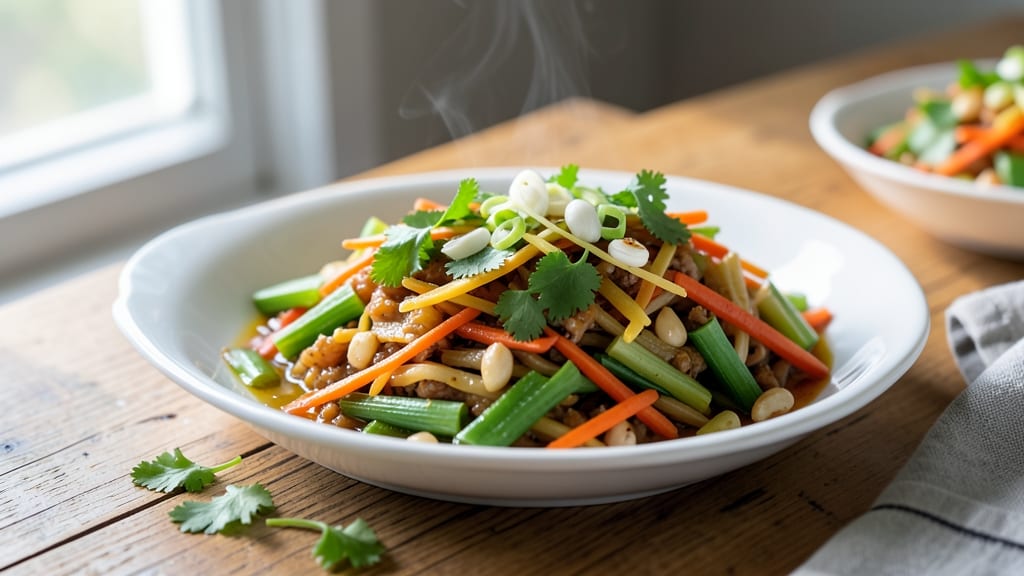
This vegetable egg roll filling recipe delivers the perfect balance of crispy celery crowns and a silky herb base, transforming simple ingredients into a flavor-packed centerpiece. The secret lies in precise chopping techniques and high-heat sautéing that preserves texture while building layers of umami and freshness.
I've refined this filling over countless batches, ensuring it stays tender yet substantial enough to hold its shape when wrapped.
What sets this recipe apart is the combination of crisp-tender celery and carrots with aromatic ginger and garlic, all bound together by a light soy-ginger sauce. The filling maintains its integrity whether you pan-fry, bake, or steam your egg rolls, making it versatile for any preparation method.
Professional results come from controlling moisture and cooking times—no soggy wrappers here.
By the time you're done, you'll have a vibrant filling that's packed with bright, herby flavors and satisfying textures—crunchy edges from the celery, tender carrots, and a cohesive base that won't fall apart. This vegetarian version proves plant-based fillings can be just as hearty and delicious as traditional meat-based options.
The beauty of this recipe extends beyond the filling itself—pair it with your favorite dipping sauce (sweet chili, peanut, or soy-ginger) and serve as crispy egg rolls, potstickers, or even spring roll cups. Let's get started on creating filling that rivals any takeout version.
Ingredients for vegetable egg roll filling
Crisp celery crowns and aromatic ginger form the heart of this vibrant filling, transforming simple vegetables into a restaurant-quality centerpiece.
| Ingredient | Amount | Notes |
|---|---|---|
| Celery Crowns 🧅 | 3 cups | Thinly sliced for crispiness |
| Carrots 🥕 | 2 cups | Julienned for even cooking |
| Garlic Cloves 🧄 | 6 cloves | Minced for aromatic base |
| Fresh Ginger 🌿 | ½ cup | Finely grated, peeled |
| Green Onions 🧅 | ½ cup | Thinly sliced, white and green |
| Fresh Cilantro 🌿 | ¼ cup | Chopped, stems removed |
| Vegetable Oil 🫒 | ½ cup | High smoke point preferred |
| Low-Sodium Soy Sauce 🍶 | ¼ cup | For umami depth |
| Rice Vinegar 🍶 | 1 tbsp | White or seasoned |
| Sesame Oil 🫒 | 1 tsp | Toasted for nutty aroma |
| Cornstarch 🌾 | 1 tbsp | For crisp-tender texture |
| Salt 🧂 | 1 tsp | Kosher or sea salt |
| Black Pepper 🌶️ | ½ tsp | Freshly ground |
| Sesame Seeds 🌾 | 1 tbsp | Toasted for garnish |
Celery crowns are the star here—look for crisp, pale green stalks with no browning at the grocery store. Trader Joe's and Whole Foods carry the best quality, but regular grocery stores work too. For the carrots, orange or purple varieties both work, but avoid anything rubbery. The ginger should be fresh, with a bright yellow color and firm texture—no wrinkles or soft spots. For the garlic, organic cloves are ideal, but conventional works fine. Prep all your vegetables uniformly: thin julienne strips for even cooking and maximum crisp-tender texture.
No sesame oil? Toasted peanut oil works beautifully—just reduce the amount slightly. Short on cilantro? Fresh parsley or basil at the same quantity keeps the herbaceous notes. The soy sauce can be swapped for coconut aminos if you're avoiding soy, though the umami depth will differ. For a gluten-free option, use tamari instead of regular soy sauce. If you can't find celery crowns, regular celery cut into thin matchsticks works in a pinch—just cook them slightly longer. The cornstarch is crucial for that perfect crisp-tender texture, but arrowroot powder works at a 1:1 ratio if needed.
This filling keeps beautifully in the fridge for 3-4 days, though it reheats best within 48 hours for maximum crispness. To store, place it in an airtight container with a damp paper towel over the top to maintain moisture without sogginess. For longer storage, freeze in single portions for up to 3 months. When reheating, use a steamer basket or skillet over medium heat—just until warmed through, about 2-3 minutes. The filling is perfect for egg rolls, potstickers, or even spring roll cups—just ensure your wrappers are fully thawed before filling.
Why You'll Love This Recipe
- Here’s what sold me: I make a big batch, portion it into containers, and freeze it. Need a quick lunch? Toss it in a wrap. Hosting game night? Stuff it in egg rolls. It’s my go-to for lazy days and last-minute gatherings.
- No-Fuss Chopping: I swear by this recipe because you’re basically just dicing a few stalks of celery and a couple carrots—no julienne skills required. The celery crowns stay crisp while the carrots soften just enough, and honestly? That’s all it takes to make it feel like a restaurant-quality bite.
- Umami Bomb: Between the garlic, ginger, and green onions, this filling packs a flavor punch that’s ridiculously satisfying. The fresh ginger adds a zingy warmth, while the garlic deepens everything—like a little savory hug in every bite.
- Freezer-Friendly Staple: Here’s what sold me: I make a big batch, portion it into containers, and freeze it. Need a quick lunch? Toss it in a wrap. Hosting game night? Stuff it in egg rolls. It’s my go-to for lazy days and last-minute gatherings.
Step-by-step instructions for vegetable egg roll filling
Here's how to transform simple vegetables into a flavorful, crispy filling that stays together perfectly.
Prep All Vegetables for Even Cooking
Start by slicing the 3 cups celery crowns into thin strips about ¼-inch wide—this ensures they crisp up beautifully without becoming mushy. For the 2 cups carrots, julienne them into matchstick-thin pieces so they cook uniformly alongside the celery. I like to use a sharp mandoline for even slices, but a sharp chef's knife works too if you take your time.
Next, finely grate the ½ cup fresh ginger and mince the 6 cloves garlic into a paste-like consistency. Thinly slice the ½ cup green onions, keeping the white and green parts separate for garnish later. Chop the ¼ cup fresh cilantro, removing any tough stems. The key here is precision—small, even pieces cook faster and more evenly, which prevents soggy filling later.
Stir-Fry Vegetables Until Crisp-Tender
Heat ½ cup vegetable oil in a large skillet over medium-high heat until shimmering but not smoking. Add the celery and carrots in a single layer, stirring occasionally. Cook for 4-5 minutes until the edges begin to soften but still hold their shape—this is the crisp-tender stage we're aiming for. Overcrowding the pan will steam the vegetables instead of searing them.
Push the vegetables to one side of the pan and add the minced garlic and ginger to the empty space. Stir for 30 seconds until fragrant—this releases their aromatic oils. Then, sprinkle in the 1 tablespoon cornstarch and toss everything together for another 1-2 minutes until the vegetables are evenly coated. The cornstarch works like a magic trick, helping the filling hold its shape when wrapped later.
Season and Finish the Filling
Pour in the ¼ cup low-sodium soy sauce and 1 tablespoon rice vinegar, stirring to coat the vegetables completely. Let the mixture simmer for 1-2 minutes until the liquid reduces slightly and clings to the vegetables. This step builds the umami depth that makes the filling irresistible.
Remove the pan from heat and stir in the 1 teaspoon sesame oil, 1 teaspoon salt, and ½ teaspoon black pepper. The sesame oil adds a nutty aroma that ties everything together. Taste and adjust seasoning—you might need a touch more soy sauce or vinegar depending on your preference. Let the filling cool slightly before wrapping it in egg roll wrappers, as warm filling can make them soggy.
Garnish and Prepare for Wrapping
Transfer the filling to a clean bowl and sprinkle with the 1 tablespoon toasted sesame seeds and sliced green onions. Gently toss to distribute evenly. The sesame seeds add texture and a final nutty note, while the green onions brighten the dish with freshness. At this point, your filling should be vibrant, flavorful, and ready to be rolled into crispy, golden egg rolls.
For best results, use the filling immediately while it's still warm. If you need to store it, keep it in an airtight container in the refrigerator for up to 2 days, but reheat gently before wrapping to maintain texture. The filling should hold its shape when packed tightly into wrappers, ensuring crispy egg rolls every time.
Pro Tips For Making Vegetable Egg Roll Filling
- STIR-FRY FAST, NOT LONG: Celery and carrots won’t wait forever—cut them into ¼-inch matchsticks and keep them moving in the pan. I learned this the hard way when my first batch turned into mushy sadness because I got distracted. High heat, constant tossing, and 2-3 minutes max is the golden window.
- JULIENNE LIKE A PRO: Skip the messy knife work—use a mandoline for even strips, but always cut carrots first. They’re harder and won’t tear like celery when you’re impatient. A sharp chef’s knife still works, but the mandoline saves your fingers and ensures uniform cooking.
- GINGER-GARLIC BLEND FIRST: Mince garlic and ginger together in the same bowl—it releases their oils faster and sticks to the veggies better. I used to add them separately, and half the flavor would stick to the pan. A quick pulse in a food processor works too, but don’t overdo it.
- DON’T OVERMIX THE ONIONS: Green onions add freshness, but chop only the whites and leave the greens in 1-inch pieces. Over-chopping turns them into mush, and you’ll regret it when your egg rolls taste like sad salad. Toss them in at the very end—just enough to brighten the mix.
Pro cooking tips for perfect results
Moisture Control Secrets
Vegetable fillings can get soggy if not handled properly. After stir-frying, spread your filling on a baking sheet and refrigerate for 15-20 minutes to cool completely. This helps absorb any excess moisture, preventing wrappers from becoming limp.
I also recommend using a paper towel-lined plate to drain any residual liquid before wrapping. 💧
Texture Mastery
The key to perfect texture is the cornstarch coating—don't skip this step! Toss your vegetables with 1 tablespoon cornstarch during stir-frying to create a light, crisp exterior while keeping the interior tender.
For extra crunch, add ½ teaspoon potato starch to the mix. I've found that high-heat stir-frying for 4-5 minutes at medium-high heat gives the best results without burning.
Flavor Layering
Build flavors in stages for maximum impact. First, sauté garlic and ginger until fragrant (30 seconds), then add soy sauce and vinegar to develop umami. Finish with sesame oil and black pepper for depth.
For an extra boost, add 1 teaspoon fish sauce (even in vegetarian versions) or 1 tsp miso paste to deepen the savory notes. 🌶️
Wrapping Techniques
Pack filling tightly into wrappers to prevent leaks. Use 3-4 tablespoons per egg roll and fold the sides inward before sealing. For potstickers, press the filling into the center and pleat the edges.
I like to use King Noodle egg roll wrappers—they're sturdy and hold up well to frying. If your filling feels too loose, chill it for 10 minutes to firm up before wrapping.
Reheating for Crispiness
Reheat filling gently to maintain texture. For pan-fried egg rolls, cook at 350°F for 2-3 minutes per side in ¼ inch vegetable oil. For baked versions, spread on a tray at 400°F for 12-15 minutes.
Never microwave—it destroys the crispiness. To revive leftover filling, steam for 1-2 minutes before re-wrapping and frying.
Pro Substitutions
Need to swap ingredients? Use water chestnuts for crunch (add ½ cup julienned at the end). For extra moisture, add 1 tbsp grated apple or pineapple (acid helps bind).
Short on celery? Substitute with ½ cup shredded cabbage or green beans. Always adjust liquid ratios—extra moisture means extra cornstarch (up to 2 tbsp total).
Nutrition facts
Frequently asked questions
Can I make this filling ahead of time?
Yes! Store the filling in an airtight container with a damp paper towel for up to 3-4 days in the fridge. For longer storage, freeze in single portions for 3 months. Reheat gently in a steamer basket or skillet over medium heat until warmed through—just 2-3 minutes to preserve texture. Never microwave, as it turns the filling mushy.
What's the best way to keep wrappers from getting soggy?
Cool the filling completely before wrapping to absorb excess moisture. Use 3-4 tablespoons per egg roll and pack it tightly. For extra insurance, brush wrappers with a light egg wash or water before sealing. Chill the filled egg rolls for 10 minutes before frying to help them hold their shape.
Can I use regular celery instead of celery crowns?
Cut regular celery into ¼-inch matchsticks and cook for 1-2 minutes longer than celery crowns to achieve crisp-tender texture. The flavor will be just as bright—just monitor closely to avoid overcooking. For extra crunch, add ½ cup water chestnuts at the end of cooking.
How do I adjust the seasoning for different tastes?
Start with the recipe as written, then adjust to taste. For more umami, add ½ teaspoon fish sauce or 1 teaspoon miso paste. Prefer sweeter flavors? Add 1 teaspoon honey or ½ teaspoon sugar when combining the soy sauce and vinegar. For heat lovers, include ½ teaspoon chili flakes or 1 teaspoon sriracha at the end.
What's the best dipping sauce pairing?
This filling pairs beautifully with classic sweet chili sauce, peanut sauce, or soy-ginger dipping sauce. For a quick homemade option, mix 2 tablespoons soy sauce, 1 tablespoon rice vinegar, 1 teaspoon honey, and ½ teaspoon sesame oil. For extra richness, add 1 tablespoon peanut butter and 1 teaspoon sriracha.