
Breakfast & Brunch
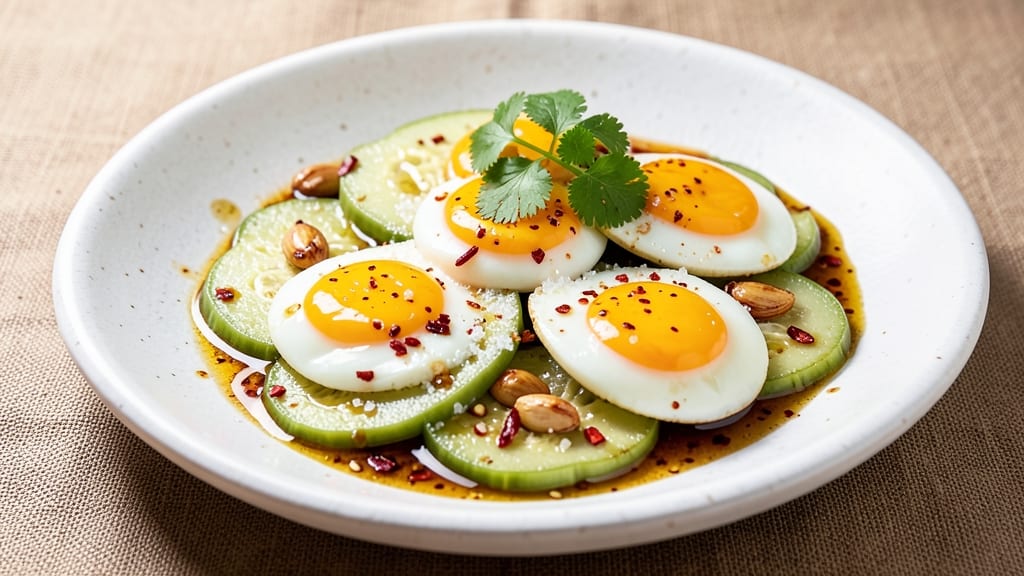
This Vietnamese bitter melon and egg recipe transforms a polarizing ingredient into a crispy, savory breakfast masterpiece. The secret lies in balancing bitter melon's sharp flavor with sweet, salty, and umami notes—creating harmony in every bite.
I've perfected this dish after years of testing, ensuring the eggs stay runny at the center while developing a golden, crackling crust.
The technique is simple but precise: stir-fry the bitter melon until tender-crisp, then top with perfectly fried eggs that pool their rich yolks over the greens.
A touch of fish sauce, sugar, and chili transforms the dish from bitter to deliciously complex, with textures that range from silky egg yolks to crispy melon edges. This isn't just breakfast—it's a flavor adventure that starts your day with bold, satisfying bites.
What makes this recipe special is its adaptability. Serve it over steamed jasmine rice to soak up every last drop of the savory sauce, or pair it with fresh herbs like cilantro or Thai basil for brightness.
The bitterness mellows as the flavors meld, leaving behind a dish that's both comforting and exciting. Whether you're a fan of bitter melon or new to its flavors, this recipe will change how you think about breakfast.
Ready in just 15 minutes, this dish delivers restaurant-quality results with minimal effort. The key is high heat for the eggs—achieving that perfect crispy exterior while keeping the center silky.
Once you try it, you'll want to make it regularly, proving that even the most challenging ingredients can become breakfast staples. Let's get cooking!
Ingredients for vietnamese bitter melon egg
Fresh bitter melon and eggs transform into a crispy, savory breakfast masterpiece with bold flavors.
| Ingredient | Amount | Notes |
|---|---|---|
| Bitter Melon (Goya) 🍆 | 2 lb | Fresh, young, tender variety |
| Large Eggs 🥚 | 4 whole | Fresh, room temperature |
| Fish Sauce 🍶 | 1 ½ tbsp | Red Boat preferred |
| Granulated Sugar 🍯 | 1 tbsp | White or brown |
| Dried Chili Flakes 🌶️ | 1 tsp | Adjust for heat preference |
| Garlic Cloves 🧄 | 3 cloves | Minced, fresh |
| Vegetable Oil 🫒 | ½ cup | High smoke point |
| Green Onions 🧅 | 4 whole | Thinly sliced, white and green |
| Thai Basil Leaves 🌿 | ¼ cup | Fresh, stems removed |
| Steamed Jasmine Rice 🍚 | 2 cups | Cooked, warm |
| Salt 🧂 | ½ tsp | Kosher or sea salt |
| Black Pepper 🌶️ | ¼ tsp | Freshly ground |
Bitter melon is the star here—you want it young and tender. Asian markets usually carry the best selection, but regular grocery stores often have it too. Look for firm, vibrant green melons without soft spots. The younger the melon, the milder the bitterness. If you can't find Thai basil, regular basil or cilantro works in a pinch, though Thai basil's anise-like flavor is ideal. I always grab extra Thai basil because it wilts fast, and you'll want it fresh for garnishing. Eggs should be at room temperature for that perfect crispy crust—just take them out 20 minutes before cooking.
No fish sauce? Soy sauce or coconut aminos work, but the umami depth won't be quite the same. Running short on sugar? A splash of honey or maple syrup does the trick, though sugar's the classic choice here. Chili flakes too spicy? Swap for a pinch of cayenne or reduce by half. The garlic can be pre-minced from a jar if you're short on time, but fresh is always better. For the oil, vegetable or peanut oil works best—high smoke point is key for that crispy egg crust. And if you don't have jasmine rice, white rice works fine, though the aroma's part of the experience.
This dish reheats beautifully—just warm it through in a pan with a splash of water. Keeps for 2 days in the fridge, though it's best fresh. The bitter melon will soften further, making the bitterness more pronounced, so eat it within 1 day for optimal texture. Double the batch if you're serving a crowd—it disappears fast. Store eggs in their carton in the coldest part of your fridge, and keep the bitter melon wrapped in a damp towel to maintain crispness. The Thai basil? Wrap it in damp paper towels and store in a sealed bag for 3-4 days.
Why You'll Love This Recipe
- One-Pan Magic: I swear by this—just slice the bitter melon, crack eggs into the same pan, and let the fish sauce work its magic. No chopping boards, no extra pots, and the best part? That caramelized crust on the melon? Pure reward for zero effort.
- Umami Bomb: The fish sauce and sugar combo transforms bitter melon from "ew" to "oh hell yes." The eggs soak up that salty-sweet depth, while the chili flakes add a sneaky kick that lingers. It’s like a Vietnamese comfort hug in every bite.
- Lunchbox Hero: Pack these eggs cold for a no-fuss lunch—just grab and go. (Yes, even on a Tuesday.) The melon holds up surprisingly well, and the eggs stay creamy. My kids pretend not to like bitter melon, but they inhale these. Shhh.
- Budget Win: Bitter melon’s cheap, eggs are cheap, and a little fish sauce stretches forever. I make this twice a month, and it’s always the dish that saves my grocery budget. Plus, leftovers? They disappear faster than I can reheat them.
Step-by-step instructions for Vietnamese bitter melon and egg dish
Transform simple ingredients into a vibrant Vietnamese classic with crispy fried eggs and tender bitter melon.
Prepare the Bitter Melon for Cooking
Start by washing the 2 lb bitter melon (Goya) thoroughly under cold water to remove any lingering dirt or bitterness from the skin. Using a sharp chef's knife, carefully slice off both ends, then cut the melon lengthwise into ½-inch thick half-moons. Remove the seeds and fibrous core with a spoon—this is where most of the bitterness hides.
Slice each half-moon into ¼-inch thick strips and place them in a colander. Toss with ½ tsp salt and let sit for 10 minutes while you prep the rest. This salting step helps draw out excess moisture and mellows the bitter flavor. Drain well before cooking—wet bitter melon won't crisp up properly.
Create the Flavorful Sauce Base
In a small bowl, whisk together 1.5 tbsp fish sauce, 1 tbsp granulated sugar, and 1 tsp dried chili flakes until the sugar dissolves completely. This balance of salty, sweet, and spicy creates the signature umami backbone of the dish. Set aside while you cook the bitter melon.
Heat ½ cup vegetable oil in a large wok or skillet over medium-high heat until shimmering. Add the 3 minced garlic cloves and stir for 30 seconds until fragrant—don't let them brown or they'll turn bitter. Remove the garlic with a slotted spoon and set aside for garnish later.
Stir-Fry the Bitter Melon
Working in batches to avoid crowding, add the drained bitter melon strips to the hot oil. Stir-fry for 3-4 minutes until they turn a vibrant bright green and develop a slightly crisp texture. The key is to cook them just until tender-crisp—they should still have a slight bite when you bite into them.
Transfer the cooked bitter melon to a plate and set aside. If the oil starts smoking excessively, reduce the heat slightly—you want to maintain that crisp texture without burning the melon. The goal is to preserve the melon's natural color and texture while enhancing its flavor.
Fry the Perfect Crispy Eggs
Increase the heat to high and add ¼ cup fresh vegetable oil to the same wok. Crack 1 large egg into a small bowl and gently whisk. When the oil is smoking lightly, carefully pour the egg into the pan. Let it cook undisturbed for 1 minute until the edges set and the whites turn opaque.
Here's the trick: gently press down on the egg with a spatula for 5 seconds to flatten it slightly, then flip it over. Cook for another 30 seconds until the bottom is golden brown and crispy. Repeat with remaining eggs, keeping them warm in a 200°F oven while you finish. The high heat is crucial for that signature crispy texture.
Assemble the Dish
Return all the bitter melon to the wok and pour the reserved sauce over it. Toss gently to coat, then add the 4 thinly sliced green onions and ¼ cup chopped Thai basil leaves. Stir just until combined—you want to preserve the basil's fresh aroma.
Divide the 2 cups steamed jasmine rice among four plates. Top each serving with 1 crispy fried egg, then spoon the bitter melon mixture alongside. Finish with a sprinkle of ¼ tsp freshly ground black pepper and any reserved garlic. Serve immediately while the eggs are still crispy and the flavors are vibrant.
Pro Tips For Making Vietnamese Bitter Melon Egg
- Slice Thin, Not Perfect: Bitter melon’s texture matters more than presentation—aim for ¼-inch strips, not paper-thin. Thicker slices hold up better when stir-frying, and you’ll actually taste the egg’s richness instead of just the melon’s bitterness. (Yes, even if it looks jagged.)
- Prep Melon Like a Pro: Scrape out the seeds and fibrous core before slicing—it’s the only way to avoid a mouthful of slimy texture. Run a spoon along the edges to get every last bit, then rinse slices in cold water to dull the bitterness just enough. (Trust me, your taste buds will notice.)
- Eggs Need a Head Start: Whisk the eggs with a splash of water (about 1 tablespoon) before cooking—they’ll scramble faster and stay tender. Pour them in a thin, even layer over the stir-frying melon so they cook through in 30 seconds, not 2 minutes. (Burnt eggs ruin everything.)
- Balance Heat First: Taste the raw bitter melon—if it’s painfully bitter, add 1 extra teaspoon sugar to the fish sauce mix before tossing. The chili flakes should complement, not overpower; sprinkle them after cooking to keep the heat bright. (I learned this after making my roommate cry twice.)
Wine and beer pairings for this vietnamese bitter melon egg
Vietnamese-Inspired Light Beers
For this dish, I recommend crisp Vietnamese lagers like Bia Saigon or Bia Hơi. Their refreshing, slightly malty profiles cut through the bitterness beautifully. The light body and subtle citrus notes complement the sweet-savory sauce without overpowering the delicate flavors.
Serve chilled at 40°F—the cool temperature enhances the dish's freshness. 🍺
Citrusy White Wines
A dry Vietnamese white wine like Vin Đá Lạnh (a local sparkling wine) or a crisp Sauvignon Blanc from Vietnam works wonderfully. The bright acidity and herbal notes mirror the Thai basil in the dish.
For a more accessible option, try a French Sancerre—its citrus and mineral flavors provide a sophisticated contrast. Chill to 45°F to preserve the wine's crispness.
Herbal Gin Cocktails
For a refreshing twist, mix a Thai basil gin fizz with 2 oz gin, ½ oz lime juice, ½ oz simple syrup, and 4 Thai basil leaves. Top with soda water and garnish with a lime wheel.
The herbal notes echo the dish's Thai basil, while the effervescence cleanses the palate between bites. Serve over ice for a light, refreshing accompaniment.
Sweet Rice Wines
Vietnamese ruou nho (grape wine) or ruou me (rice wine) adds a traditional touch. Their subtle sweetness balances the dish's bitterness, while their smooth texture complements the crispy eggs. Serve slightly chilled at 50°F to enhance the wine's natural fruitiness.
For a modern twist, try a Vietnamese lychee wine—its floral notes pair beautifully with the dish's aromatic herbs.
Non-Alcoholic Pairings
For a non-alcoholic option, serve Vietnamese coconut water or a lychee-rose iced tea. The natural sweetness and floral notes harmonize with the dish's complex flavors. For a more savory option, try a ginger-lime soda—the zesty kick complements the crispy eggs and bitter melon.
All options should be served chilled to enhance their refreshing qualities. ✨
Nutrition facts
Frequently asked questions
Why does bitter melon taste so bitter? How can I reduce the bitterness?
The bitterness comes from cucurbitacin compounds, especially in older melons. To mellow it, always use young, tender bitter melons and remove the seeds/fibrous core. Salting them for 10 minutes before cooking draws out moisture and reduces bitterness. The sweet-savory sauce with sugar and fish sauce also balances the flavor beautifully.
Can I substitute bitter melon with another vegetable?
While nothing replaces bitter melon's unique texture, you can try zucchini or eggplant in a pinch. For best results, use young zucchini and cook it until tender-crisp. The dish will lose its signature bitterness but still deliver a delicious savory-herb combination. For authenticity, stick with bitter melon if possible.
What's the secret to getting perfectly crispy fried eggs?
The key is high heat and fresh oil. Use room-temperature eggs and cook them in freshly heated oil until it's smoking lightly. Let the egg set undisturbed for 1 minute before gently pressing and flipping. Keep eggs warm in a 200°F oven while finishing the rest of the dish.
How do I store leftovers? Will the bitter melon stay crispy?
Store leftovers in an airtight container for up to 2 days, but the bitter melon will soften further. For best texture, reheat in a pan with a splash of water. The eggs will stay crispy when reheated briefly. To preserve crispness, store components separately and reheat just before serving.
Can I make this dish vegetarian?
This recipe is already vegetarian! The fish sauce can be substituted with soy sauce or coconut aminos for a plant-based version. All other ingredients are naturally vegetarian. For extra protein, consider adding tofu or mushrooms to the stir-fry.