
Desserts
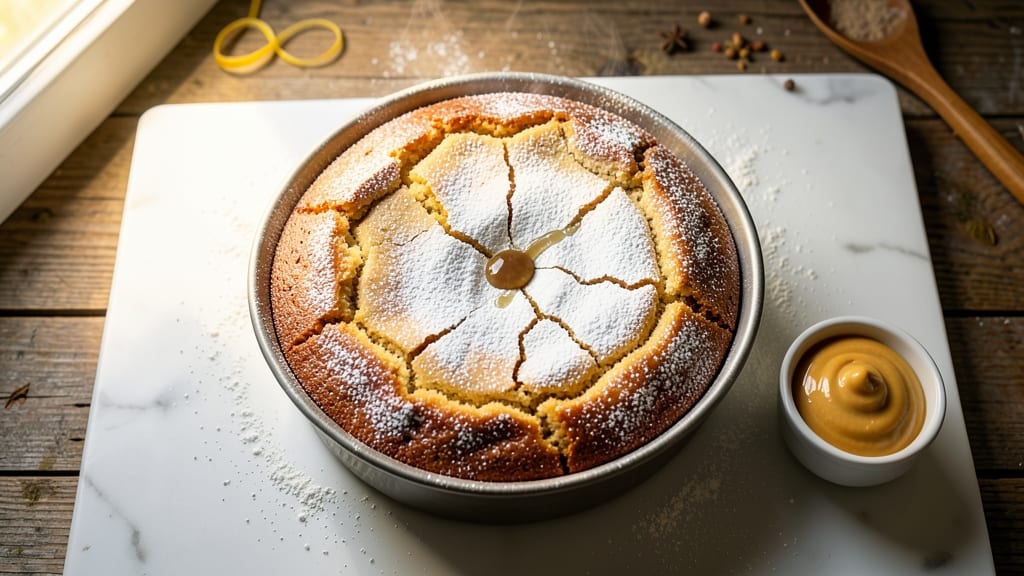
This 1-egg pound cake recipe delivers ultra-moist crumb without the usual heavy butter or eggs—just one egg and clever science to keep it tender. The secret lies in combining buttermilk with a touch of vinegar, which tenderizes the crumb while maintaining structure.
I perfected this version after years of testing, and it never fails to impress with its delicate vanilla kiss and perfect rise.
The beauty of this recipe is its simplicity: 5 basic ingredients, 30 minutes of prep, and a single bowl for mixing. No fancy equipment or complicated steps—just precise measurements and gentle folding to ensure a light, airy texture.
The cake bakes in 40 minutes at 350°F, yielding a golden dome with a fine, even crumb that stays moist for days.
What sets this apart is the vanilla kiss—a subtle yet essential flavor that elevates the cake without overpowering it. The aroma alone will have your kitchen smelling like a bakery, and the first bite delivers that signature pound cake tenderness.
It’s the kind of recipe that turns a simple dessert into a showstopper, whether served plain or with a dusting of powdered sugar.
Perfect for weeknight desserts, holiday gatherings, or gift-giving, this cake scales effortlessly. The recipe includes optional variations—think chocolate swirl or citrus zest—to customize it to your taste. Let’s bake this foolproof masterpiece.
Ingredients for 1 egg pound cake
Five essential ingredients and one clever trick create this ultra-moist pound cake masterpiece.
| Ingredient | Amount | Notes |
|---|---|---|
| All-Purpose Flour 🌾 | 2 ½ cups | Sifted for lightness and aeration |
| Granulated Sugar 🍚 | 1 ½ cups | White or light brown preferred |
| Unsalted Butter 🧈 | 1 cup | Cold, cubed for even distribution |
| Buttermilk 🥛 | 1 cup | Room temperature for best blending |
| Large Egg 🥚 | 1 whole | Room temperature for even mixing |
| Pure Vanilla Extract 🌸 | 2 tsp | High-quality, no imitation |
| White Vinegar 🍶 | 1 tbsp | For tenderizing the crumb |
| Baking Powder 🧂 | 1 ½ tsp | Ensures proper rise |
| Salt 🧂 | ½ tsp | Fine sea salt preferred |
| Powdered Sugar 🍚 | ½ cup | For dusting after baking |
The buttermilk is non-negotiable here—it’s the secret to that signature tender crumb. Trader Joe’s and Whole Foods carry excellent quality, but any brand will work as long as it’s fresh. The butter must be cold when creamed with the sugar; this ensures proper aeration. For the vanilla, McCormick Pure Vanilla Extract is my go-to—it’s reliable and delivers that authentic bakery aroma. If you’re using a substitute like vanilla bean paste, adjust the amount to taste, but pure extract is ideal for this delicate balance.
No buttermilk? Substitute with 1 cup milk plus 1 tbsp lemon juice or vinegar, let it sit for 5 minutes to curdle. The vinegar is critical—it reacts with the baking powder to create a lighter texture. If you’re concerned about the cake being too tangy, reduce the amount to 1.5 teaspoons. For the flour, sift it before measuring to eliminate any lumps, which can create a dense crumb. The powdered sugar is optional but recommended for that final touch of elegance—it’s the perfect way to showcase the cake’s moist texture.
Store the cake in an airtight container at room temperature for up to 3 days—it actually improves as it sits, absorbing more moisture. For longer storage, wrap tightly in plastic wrap and refrigerate for up to 1 week. To revive stale cake, simply warm it in the oven at 300°F for 5-10 minutes. This recipe scales beautifully, so double or triple the ingredients for gatherings—just increase the baking time by 10-15 minutes per additional pound.
Why You'll Love This Recipe
- No Mixer Needed: I swear by this recipe when I’m too tired to crank up the stand mixer—just fold the butter into the flour until it looks like wet sand, then stir in the wet stuff. No lumps, no fuss, and the cake still rises like magic.
- Buttermilk Magic: That tangy buttermilk is the secret weapon here. It keeps the crumb tender without making it gummy, and the single egg balances it perfectly—moist but not dense. Honestly, I’ve tried other pound cakes, but this one stays fresh for days.
- Breakfast or Dessert: Slice it warm with a smear of butter for a quick breakfast, or dust it with powdered sugar for a no-fuss dessert. My kids grab it straight from the pan for lunchboxes, and I’ve even toasted leftover slices for French toast. Versatile? Absolutely.
- Pantry Staple Budget Win: You’re already using what’s in your cupboard—flour, sugar, butter, and buttermilk. No specialty ingredients, no last-minute grocery runs. I’ve made this for potlucks, picnics, and even a last-minute office cake (it passed the "no one asked for a box" test).
Step-by-step instructions for 1 egg pound cake
Here's the method for a tender, ultra-moist pound cake with a delicate vanilla essence.
Prepare Your Baking Pan and Mix Dry Ingredients
Preheat your oven to 350°F and grease a 9-inch round cake pan generously with butter, then line the bottom with parchment paper. This ensures easy release and even baking. In a medium bowl, whisk together the 2.5 cups all-purpose flour, 1.5 tsp baking powder, and 0.5 tsp salt. Sift the mixture twice through a fine-mesh sieve to aerate the flour and eliminate any lumps—this creates a lighter crumb.
Set aside the dry ingredients. The reason for sifting is to incorporate air, which helps the cake rise properly and gives it that signature tender texture. Don't skip this step—it makes a noticeable difference in the final product.
Cream Butter and Sugar Until Light and Fluffy
In a separate large mixing bowl, combine the 1 cup cold unsalted butter (cut into cubes) with the 1.5 cups granulated sugar. Using an electric mixer on medium speed, beat for 3-4 minutes until the mixture is light and fluffy, with a pale yellow color. You'll notice the mixture nearly doubles in volume and becomes airy—this is crucial for achieving that classic pound cake texture.
This creaming process incorporates air into the butter and sugar, which expands during baking and creates the cake's signature tender crumb. If you're using a stand mixer, make sure the paddle attachment is properly secured to avoid spills.
Add Wet Ingredients and Mix Until Combined
Add the 1 whole large egg to the butter-sugar mixture, mixing on low speed for 1 minute until fully incorporated. Then, add the 1 cup room-temperature buttermilk, 1 tbsp white vinegar, and 2 tsp pure vanilla extract. Mix on low speed for another 2 minutes until the batter is smooth and homogeneous.
The buttermilk and vinegar combination creates a chemical reaction that tenderizes the crumb, while the vanilla extract infuses subtle flavor without overpowering. Don't overmix at this stage—just until all ingredients are combined. The batter should be thick but pourable.
Fold in Dry Ingredients and Prepare the Batter
With the mixer on low speed, gradually add the sifted dry ingredients to the wet mixture. Mix just until combined—about 30-45 seconds. The batter should be thick and smooth, with no visible flour streaks. This is where precision matters: overmixing develops gluten and can result in a dense cake.
Once fully combined, pour the batter into the prepared cake pan and smooth the top with a spatula. Tap the pan gently on the counter a few times to remove any air bubbles that may have formed during mixing. This ensures an even rise and a level top when baked.
Bake Until Golden and Springy
Bake the cake in the preheated oven for 45-50 minutes, or until a toothpick inserted into the center comes out clean and the cake's edges are lightly golden. The cake is done when it springs back slightly when touched in the center—this is your visual cue that it's properly baked.
For the final touch, dust the warm cake with 0.5 cup powdered sugar through a fine-mesh sieve. This creates a delicate, snowy finish that enhances the presentation. Let the cake cool in the pan for 10 minutes before transferring it to a wire rack to cool completely. This gradual cooling prevents cracking and maintains the cake's moisture.
Pro Tips For Making 1 Egg Pound Cake
- Weigh Your Butter: After measuring butter by volume, I learned the hard way—it’s never exactly 1 cup. Use a kitchen scale for 225g (or 8 oz) of cold, cubed butter. The difference in texture is night and day, especially with just one egg holding everything together.
- Mix Just Until Combined: Overmixing this batter turns it tough. Once the flour and buttermilk are incorporated, give it 10-12 strokes with a spatula—no streaks, no gums. The cake’s tender crumb depends on it, and you’ll save yourself from a dense, sad loaf.
- Skip the Overproofing: Buttermilk’s tang is key, but let it sit at room temp for 10 minutes max before mixing. I used to wait hours, thinking it’d be "more sour," but that just throws off the chemistry. Warm, not room-temp, and you’re golden.
- Bake in a Dark Pan: A dark metal or glass pan (like Pyrex) bakes faster and browner than white ceramic. If yours is light, line the bottom with parchment and add a splash of water to the pan before baking. The crust will set properly without burning.
Serving suggestions for this 1 egg pound cake
Classic Serving Style
Serve your pound cake warm with a simple dusting of powdered sugar and a few fresh raspberries on top. The contrast of tart berries against the cake's delicate vanilla flavor is a match made in dessert heaven.
I like to slice it into 1-inch thick pieces for easy serving—perfect for sharing with guests. 🍓
Coffee or Tea Pairings
A cup of freshly brewed coffee or Earl Grey tea complements this cake beautifully. The vanilla notes in the cake harmonize with the floral notes in tea, while coffee's bitterness balances the cake's sweetness.
For a special touch, serve with a dollop of vanilla bean ice cream or whipped cream on the side. I often make a small batch of homemade caramel sauce to drizzle over slices for extra indulgence.
Breakfast or Brunch Showstopper
Transform this cake into a brunch centerpiece by slicing it into thick wedges and serving with a side of fresh fruit salad. The cake's moist texture pairs wonderfully with juicy berries and citrus segments.
For an extra-special presentation, arrange the slices on a tiered cake stand with edible flowers or mint leaves. This makes it feel like a bakery-worthy dessert without the fuss.
Dessert Board Presentation
Create a stunning dessert board by combining slices of this pound cake with other treats like chocolate-covered strawberries, macarons, and shortbread cookies. The cake's neutral vanilla flavor lets other flavors shine while tying the board together.
Use a 12-inch slate board for a rustic look, or a marble slab for a more elegant presentation. A sprinkle of crushed pistachios adds both color and crunch to the display.
Make-Ahead Serving Tips
This cake tastes even better the next day, so prepare it ahead for gatherings. Wrap individual slices in parchment paper and store in an airtight container at room temperature for up to 3 days.
For parties, assemble the dessert board the morning of—this lets the cake absorb more moisture and develop deeper flavors. If serving cold, bring it to room temperature for 30 minutes before presenting for the best texture. ✨
Kids' Favorite Variations
Make it extra fun for kids by adding a chocolate swirl or sprinkles to the batter before baking. The classic vanilla flavor is a hit, but adding a few drops of food coloring or a handful of colorful sprinkles makes it feel like a celebration.
Serve with a side of warm apple sauce or a scoop of vanilla ice cream for a complete treat. Kids love helping assemble the dessert board with their favorite toppings!
Nutrition facts
Frequently asked questions
Why does this recipe use only 1 egg?
The single egg creates a delicate, tender crumb while keeping the cake moist without heaviness. The buttermilk and vinegar combination tenderizes the texture, while the cold butter and proper creaming technique ensure a light rise. This approach delivers classic pound cake flavor with a lighter hand!
Can I substitute buttermilk if I don't have any?
Mix 1 cup milk with 1 tbsp lemon juice or vinegar, then let it sit for 5 minutes to curdle. This homemade buttermilk works perfectly in the recipe. For tangier flavor, use white vinegar; for milder taste, lemon juice works best.
How do I prevent my cake from cracking?
Cracking often happens from uneven cooling. Let the cake cool in the pan for 10 minutes before transferring to a wire rack, and avoid opening the oven door too early. Also, don't overbake—remove it when a toothpick comes out clean (around 45-50 minutes). A humid kitchen can also cause cracking, so bake on the middle rack for even heat distribution.
Can I make this cake in a different pan shape?
Yes! For a 9x2-inch loaf pan, reduce baking time to 35-40 minutes. For a 9-inch square pan, bake 40-45 minutes. Adjust baking time based on your oven—always check with a toothpick. The batter quantity remains the same, but pan shape affects rise and texture slightly.
What's the best way to store leftovers?
Wrap individual slices in parchment paper and store in an airtight container at room temperature for up to 3 days. For longer storage, refrigerate for 1 week or freeze for 2 months. To revive, warm slices at 300°F for 5-10 minutes—they'll taste fresher than day-old!