
Breakfast & Brunch
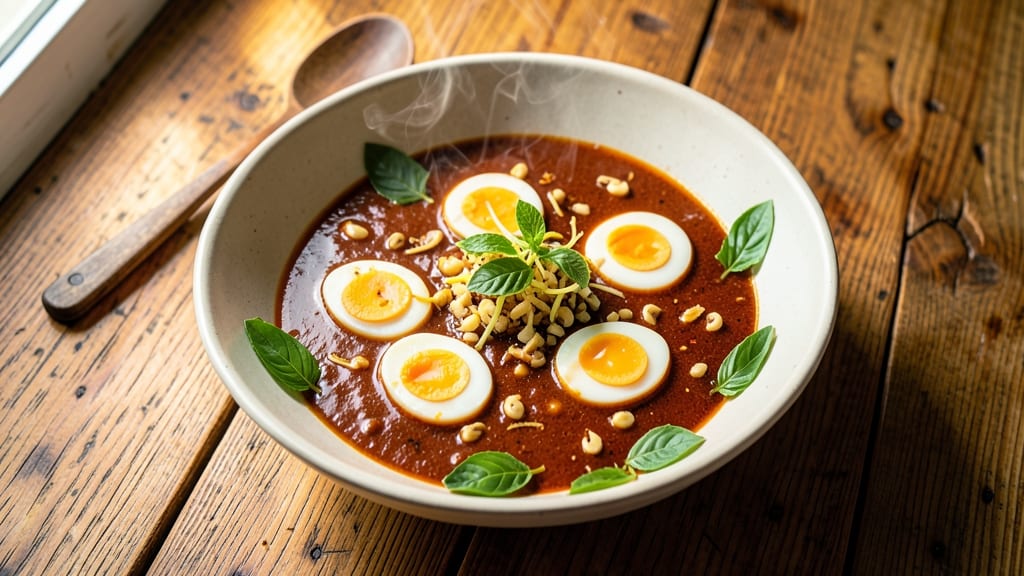
This Thai egg curry recipe delivers restaurant-quality flavors in under 30 minutes, blending creamy coconut milk with aromatic Thai spices for a breakfast bowl that's both comforting and exciting.
The secret lies in balancing heat, tang, and richness—lemongrass and galangal infuse the coconut milk while kaffir lime leaves add that signature citrus brightness. I first discovered this dish during a Bangkok morning market, where locals swore by its ability to wake up even the sleepiest diners.
What sets this recipe apart is the harmony of textures: silky scrambled eggs nestled in a velvety coconut curry sauce, topped with fresh herbs and a squeeze of lime.
The dish is naturally creamy from the coconut milk but never heavy, thanks to the bright acidity of lime and the earthy depth of Thai basil. This isn't just breakfast—it's a flavor adventure that transforms a simple meal into something memorable.
By the time you're done, you'll have a bowl that's vibrant, aromatic, and packed with layers of flavor—each bite delivers tender eggs, fragrant herbs, and a sauce that's both cooling and warming. The best part?
It's versatile enough to serve with jasmine rice, crusty naan, or even over greens for a lighter option. This recipe proves that breakfast can be as bold and satisfying as dinner.
Whether you're cooking for yourself or a crowd, the method stays consistent: build the aromatic paste first, simmer the coconut milk until fragrant, then gently fold in the eggs. The result is a dish that's impressively quick yet deeply flavorful—perfect for weekdays or weekend brunch. Let's get cooking!
Ingredients for thai egg curry
Creamy coconut milk, aromatic Thai spices, and silky eggs come together for this vibrant breakfast bowl.
| Ingredient | Amount | Notes |
|---|---|---|
| Large Eggs 🥚 | 6 whole | Freshly cracked for best texture |
| Coconut Milk 🥥 | 1 can | Full-fat, unsweetened preferred |
| Lemongrass 🌿 | 3 stems | Bruised and cut into 2-inch pieces |
| Galangal 🌿 | 1 piece | Substitute ginger if unavailable |
| Kaffir Lime Leaves 🍋 | 4 whole | Bruised and torn into pieces |
| Thai Basil Leaves 🌿 | ½ cup | Fresh, loosely packed |
| Garlic Cloves 🧄 | 4 cloves | Minced for aromatic paste |
| Shallots 🧅 | 3 whole | Finely chopped, about 0.25 cup |
| Red Curry Paste 🌶️ | 2 tbsp | Store-bought or homemade |
| Fish Sauce 🍶 | 1 tbsp | Traditional but optional |
| Lime Juice 🍋 | 2 tbsp | Freshly squeezed |
| Vegetable Oil 🫒 | 2 tbsp | For cooking aromatic paste |
| Salt 🧂 | ½ tsp | Adjust to taste |
| White Peppercorns 🌶️ | ¼ tsp | Freshly ground for finish |
| Jasmine Rice 🍚 | 1 cup | Uncooked, for serving |
The Thai ingredients make or break this dish. Lemongrass and galangal are the heart of the aroma—look for fresh stems at an Asian market or well-stocked grocery store. Kaffir lime leaves add that signature citrus brightness, so don't skip them. If you can't find galangal, ginger works in a pinch, though it won't be identical. For the coconut milk, full-fat is key—it creates that velvety texture. I always grab the Aroy-D brand from the international aisle, but any reputable brand works. Fresh Thai basil is ideal, but regular basil will do if that's what you've got.
No fish sauce? Soy sauce works in a 1:1 ratio, though it won't be exactly the same. The red curry paste can be store-bought (I like Maesri or Thai Kitchen brands) or homemade if you're feeling adventurous. For the eggs, fresh is non-negotiable—they should be at room temperature when you scramble them into the sauce. The lime juice is what keeps the flavors bright, so don't use bottled—freshly squeezed is worth the squeeze. If you're serving this to a crowd, make a double batch of the curry paste and keep it refrigerated for up to 5 days.
This curry reheats beautifully—even better the next day as the flavors meld. Store leftovers in an airtight container for 3-4 days in the fridge. For longer storage, freeze portions in ice cube trays—perfect for quick breakfasts later. The jasmine rice can be cooked ahead and reheated with a splash of water. If you're short on time, microwaveable rice works fine. The dish stays vibrant for 2 days in the fridge, though the herbs will wilt slightly—just add fresh ones when serving.
Why You'll Love This Recipe
- One-Pot Magic: I swear by this recipe—just a single pot, no fuss. The eggs poach right in the coconut milk, soaking up those fragrant lemongrass and galangal notes while you stir. Honestly, the cleanup is half the battle won.
- Creamy Yet Bright: That first bite? Rich, velvety coconut milk balanced by the sharp citrus punch of kaffir lime leaves—it’s like a hug for your taste buds. The eggs add a silky, custardy finish that makes it feel restaurant-worthy without the pretension.
- Weeknight to Weekend: Make it for a lazy Tuesday with rice and a quick salad, or serve it at a dinner party with crusty bread and a cold beer. The flavors hold up perfectly, so it’s my go-to for both "I don’t wanna cook" nights and "I’m feeling fancy" moments.
- Budget-Friendly Luxury: Eggs and coconut milk stretch this into a full meal for four, and the aromatics (lemongrass, galangal) are cheap but pack a punch. Leftovers? Even better—reheat gently, and it tastes just as good the next day. My wallet and my family thank me every time.
Step-by-step instructions for Thai egg curry
Aromatic, creamy, and packed with bright herbs—this curry delivers restaurant-quality flavor in under 30 minutes.
Build the Aromatic Base
Heat the 2 tablespoons vegetable oil in a deep skillet over medium heat. Add the 3 whole shallots and 4 cloves garlic cloves, cooking for 2-3 minutes until the shallots soften and turn translucent. Here's the thing—don't rush this step. You want the garlic to just barely begin to color, not burn.
Add the 2 tablespoons red curry paste and stir for 1 minute until fragrant. The paste will release its oils and deepen in color. This is when the curry's complex flavors begin to develop. If you're using fresh galangal, add the 1 piece galangal now, sliced thinly, and cook for another 30 seconds until it softens slightly.
Infuse the Coconut Milk
Pour in the 1 can coconut milk and stir vigorously to combine with the curry paste. Bring the mixture to a gentle simmer over medium-low heat, then add the 3 stems lemongrass and 4 whole kaffir lime leaves. The lemongrass should be bruised and cut into 2-inch pieces for maximum flavor infusion.
Simmer for 5 minutes—this allows the coconut milk to absorb the aromatic flavors. You'll notice the mixture thicken slightly and develop a subtle citrusy aroma from the lime leaves. Keep the heat low to prevent curdling the coconut milk, which happens when it's heated too aggressively.
Season and Prepare the Eggs
Stir in the 1 tablespoon fish sauce and 0.5 teaspoon salt, then add the 2 tablespoons lime juice. Taste and adjust seasoning—this is your flavor baseline. The curry should be tangy, slightly salty, and deeply aromatic. Now, crack the 6 whole large eggs directly into the simmering coconut mixture, letting them gently poach in the creamy sauce.
Cook for 3-4 minutes until the whites are set but the yolks remain runny. Gently stir the eggs occasionally to prevent them from sticking to the bottom. The yolks should stay vibrant and custardy—this is what makes the curry so luxurious. If the sauce thickens too much, add 1-2 tablespoons water to maintain the creamy consistency.
Finish with Herbs and Serve
Remove the skillet from heat and stir in the 0.5 cup Thai basil leaves and 0.25 teaspoon freshly ground white peppercorns. The basil will wilt slightly, releasing its bright, anise-like flavor into the curry. Taste again and adjust seasoning if needed—this is your final opportunity to balance the dish.
Serve the curry immediately over 1 cup cooked jasmine rice for each serving. The rice should be fluffy and slightly warm, soaking up the rich, creamy sauce. Garnish with additional Thai basil leaves if desired, and serve with lime wedges on the side for a bright finishing touch.
Pro Tips For Making Thai Egg Curry
- CRACK EGGS IN HOT WATER: I learned this the hard way—cracking eggs directly into the pan turns them into scrambled bits. Instead, whisk them in a bowl first, then pour into a separate cup of hot water to temper them. This keeps the yolks intact and lets you slide them into the curry gently, so they poach perfectly without breaking.
- GRILL LEMONGRASS STRIPS: Skimping on lemongrass prep means missing that bright, citrusy punch. Split the stalks lengthwise, then grill them briefly over a flame (or under a broiler for 30 seconds) to intensify their aroma. Crush them right before adding to the pot—this releases more oil and flavor than just chopping.
- STIR COCONUT MILK CONSTANTLY: After burning three batches, I finally figured out coconut milk demands attention. It’s thin enough to scorch if you walk away, even at medium heat. Keep a wooden spoon moving near the bottom of the pan, especially when adding the eggs—this prevents a skin from forming and keeps the curry silky.
- USE GALANGAL LIKE GINGER: Sounds weird, but it works: treat galangal like you would ginger. Peel it first (the skin’s bitter), then slice it thinly or grate it—this makes it easier to remove after simmering. If you can’t find fresh, a tiny pinch of ground ginger won’t ruin the dish, but it won’t taste quite the same.
Pro cooking tips for perfect results
Aromatic Paste Mastery
Start by bruising your lemongrass and galangal—this releases their essential oils and maximizes flavor. I like to gently crush them with the side of my knife before cutting.
For the shallots and garlic, cook them until they're just translucent—2-3 minutes over medium heat—but never let them brown. This foundational step builds the curry's complex aroma, so don't rush it. 🌿
Coconut Milk Control
When adding the coconut milk, stir vigorously to fully incorporate the red curry paste—this creates an emulsified base. Simmer gently over medium-low heat to avoid curdling. If you see any skin forming, gently scrape it off with a spatula.
The kaffir lime leaves should be torn into pieces and added whole—they'll infuse the milk with citrusy notes without overpowering. 🥥
Egg Cooking Precision
Crack the eggs directly into the simmering sauce and let them poach gently. Stir occasionally to prevent sticking, but avoid overmixing—the eggs should remain silky. Cook for 3-4 minutes until the whites are set but yolks stay runny.
If the sauce thickens too much, add 1-2 tablespoons water to maintain its creamy texture. 🥚
Herb Timing Matters
Add the Thai basil and white peppercorns only at the very end—this preserves their bright flavors. The basil should wilt slightly but still retain its vibrant color.
Taste and adjust seasoning one last time before serving. Fresh herbs make all the difference in this dish, so don't skip this step! 🌿
Temperature Secrets
Keep the heat medium-low throughout cooking to prevent the coconut milk from separating. If you notice the sauce splitting, immediately reduce heat and whisk gently. The ideal serving temperature is 185-195°F—hot enough to be comforting but not scalding.
This balance ensures the eggs stay creamy and the flavors shine. 🌡️
Equipment Upgrades
Use a deep skillet with sloped sides to prevent spills when stirring. A wooden spoon works best for gentle folding. For extra flavor, I sometimes toast the kaffir lime leaves briefly in a dry pan before adding them to the sauce. This intensifies their aroma without burning them. 🔥
Nutrition facts
Frequently asked questions
Can I make this Thai egg curry spicier?
For extra heat, add 1/2 teaspoon red chili flakes or 1/2 teaspoon sambal oelek when you stir in the fish sauce. If you love Thai food, try adding a few slices of fresh chili pepper (like Thai bird's eye) at the end. For a smoky kick, sprinkle in 1/4 teaspoon smoked paprika when building the aromatic base.
What can I substitute if I can't find galangal?
Fresh ginger is the best substitute—use 1 teaspoon grated ginger per piece of galangal called for. For deeper flavor, try a mix of 1/2 teaspoon ginger + 1/4 teaspoon turmeric. Avoid using powdered galangal substitutes, as they lack the fresh, citrusy aroma that's essential to this dish.
How do I prevent the coconut milk from curdling?
Keep the heat at medium-low and never let it boil vigorously. Stir constantly when adding the coconut milk to the paste, and avoid adding acidic ingredients (like lime juice) until the milk is fully incorporated. If you see curdling, immediately reduce heat and whisk gently to re-emulsify. Using full-fat coconut milk helps prevent separation.
Can I make this curry ahead of time?
Yes! Prepare the curry sauce up to 2 days ahead and store it in an airtight container in the fridge. Reheat gently over low heat, then add the eggs fresh for the best texture. For longer storage, freeze the sauce (without eggs) for up to 3 months. When reheating, add a splash of water or coconut milk to restore creaminess.
What other proteins work well in this curry?
This curry is versatile! Try adding chicken breast (cut into bite-sized pieces), shrimp (add in the last 2 minutes of cooking), or tofu (firm tofu works best). For a vegetarian version, swap the eggs for mushrooms or chickpeas. Just adjust cooking times accordingly—proteins should be cooked through before adding eggs.