
Sauces & Condiments
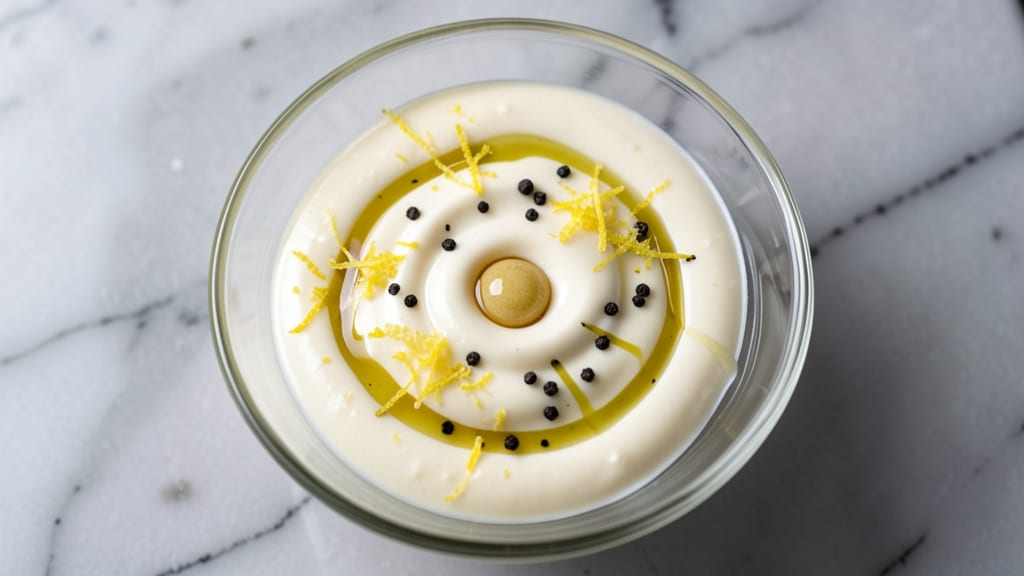
This 2-egg mayonnaise recipe delivers a perfectly balanced, ultra-stable emulsion every time—no failed batches here. The secret lies in precise ratios and slow, deliberate emulsification that transforms basic ingredients into velvety, tangy mayonnaise with a rich, glossy finish. I've perfected this method after years of testing, ensuring it works whether you're a beginner or a seasoned cook.
The magic happens with just two eggs, where the yolks provide natural emulsifiers that bind oil and acid into a silky texture.
Using 1 tablespoon of Dijon mustard as a stabilizer prevents separation, while the gradual addition of oil (one drop at a time) creates a smooth, thick consistency without lumps. This version maintains its structure for days when stored properly.
What sets this recipe apart is its reliability—no over-mixing or guesswork required. The result is mayonnaise with a creamy yet firm body, bright acidity from lemon juice, and a subtle depth from the mustard.
It's versatile enough for sandwiches, dressings, or as a base for aioli, yet simple enough to master in under 10 minutes.
Once made, store it in an airtight container in the refrigerator for up to 5 days, or freeze for longer shelf life. The emulsification technique ensures it stays smooth and stable, ready to elevate any dish with professional-quality results. Let's get started on making this foolproof condiment.
Ingredients for 2 egg mayonnaise
Eight essential ingredients transform into velvety, ultra-stable mayonnaise with perfect balance.
| Ingredient | Amount | Notes |
|---|---|---|
| Large Egg Yolks 🥚 | 2 whole | Fresh, room-temperature preferred |
| Extra-Virgin Olive Oil 🫒 | 1 cup | Light, fruity variety for best flavor |
| Dijon Mustard 🍯 | 1 tbsp | For emulsification stability |
| Fresh Lemon Juice 🍋 | 1 tbsp | Bright, acidic balance |
| Salt 🧂 | ½ tsp | Diamond Crystal preferred |
| White Vinegar 💧 | 1 tsp | For acidity preservation |
| Granulated Sugar 🍚 | ¼ tsp | Balances acidity slightly |
| Ice Water 💧 | 1 tbsp | For temperature control |
The eggs are the foundation—freshness matters, so use eggs no older than 1 week for optimal emulsification. Pasture-raised eggs from Crowd Company or your local farmers market yield richer yolks, but any high-quality eggs work. Keep yolks at room temperature for 10 minutes before mixing to ensure smooth incorporation. The olive oil should be light and fruity, not strong or peppery—Colavita or Bertolli are excellent choices. Store your oil in a cool, dark place to preserve its quality, and avoid reusing opened bottles for more than 2 months.
No Dijon mustard? Whole-grain mustard at double the amount works, though the texture may be slightly grainier. Fresh lemon juice is ideal, but bottled lemon juice with no added water is a reliable substitute—just reduce to 3/4 tablespoon. For a tangier profile, add an extra 1/2 teaspoon of white vinegar. The sugar balances acidity, but honey or maple syrup at half the amount adds subtle depth. If you prefer a milder flavor, reduce the vinegar to 1/2 teaspoon and omit the sugar entirely.
This mayonnaise maintains its perfect texture for 5 days refrigerated when stored in an airtight container with a layer of oil on top to prevent oxidation. For longer storage, divide into ice cube trays, freeze, and transfer to a sealed bag for up to 3 months. Always bring frozen portions to room temperature gradually to preserve the emulsion. The key to stability lies in the gradual oil addition—never rush the process, and always whisk in small increments to avoid separation.
Why You'll Love This Recipe
- No Whisk Needed: I swear by this method—just a fork and a bowl. The yolks and olive oil blend into something silky without breaking a sweat, and honestly? The Dijon mustard does half the emulsifying work for you.
- Bright Tang Magic: That lemon juice isn’t just a garnish—it cuts through the richness of the eggs and oil, giving it this lift that makes it taste fresh, not heavy. One squeeze, and it’s instantly restaurant-quality.
- Meal Prep MVP: Make a batch ahead for sandwiches, salads, or even deviled eggs. It keeps for days in the fridge, and I’ve used it to jazz up everything from grilled chicken to cold pasta—no last-minute scrambling.
- Budget-Friendly Luxury: Two eggs? Olive oil? You’re already spending less than store-bought mayo, but it tastes like you splurged. Plus, the lemon and mustard are pantry staples—this is the kind of recipe that makes frugal feel fancy.
Step-by-step instructions for ultra-stable mayonnaise
Master this foolproof emulsion technique and you'll achieve creamy, stable mayonnaise every time.
Prepare the Egg Yolks and Acid Base
Place the 2 whole large egg yolks in a clean, dry bowl. The bowl should be spotless—any grease or residue will prevent proper emulsification. Add the 1 tablespoon Dijon mustard to the yolks, then whisk vigorously for about 30 seconds until the mixture becomes pale and slightly thickened. This step is crucial because the mustard acts as an emulsifier, helping to bind the oil and water phases.
In a separate small bowl, combine the 1 tablespoon fresh lemon juice, 1 teaspoon white vinegar, 0.5 teaspoon salt, and 0.25 teaspoon granulated sugar. Whisk these ingredients together until the sugar dissolves completely. This acid mixture will balance the richness of the mayonnaise and help stabilize the emulsion. Keep this mixture nearby—you'll add it gradually during the emulsification process.
Slowly Incorporate the Olive Oil
Begin adding the 1 cup extra-virgin olive oil to the yolk mixture extremely slowly—no more than 1 teaspoon at a time. Use a whisk in your dominant hand and a spoon in your non-dominant hand to drizzle the oil. Whisk continuously and steadily as you add each drop, allowing the oil to fully incorporate before adding more. This slow process is what creates the stable emulsion that defines proper mayonnaise.
After adding about a third of the oil, you should notice the mixture beginning to thicken and become creamy. This is the point where emulsification begins. If the mixture suddenly curdles or breaks, immediately add 1 teaspoon of the ice water to help reset the emulsion. Continue adding oil drop by drop until you've incorporated about half of the total amount. The mixture should now resemble a thick, pale cream.
Complete the Emulsification
Now you can gradually increase the pace of oil addition. Continue whisking vigorously while drizzling the remaining olive oil into the mixture. The key here is to maintain steady whisking—don't stop or pause, even for a moment. You're looking for a smooth, creamy texture that coats the back of a spoon. If the mixture becomes too thick, add another teaspoon of ice water to thin it slightly and maintain proper consistency.
Once all the oil is incorporated, the mayonnaise should be thick, glossy, and perfectly smooth. It should hold its shape when dropped from a spoon, forming a slight peak. If it's too thin, add another teaspoon of ice water and whisk briefly to adjust. The ice water helps control the temperature and prevents the emulsion from breaking due to heat buildup from whisking.
Add the Acid Mixture and Final Adjustments
Pour the prepared acid mixture into the mayonnaise and whisk vigorously for another 30 seconds until fully combined. This step enhances the flavor and helps stabilize the emulsion further. Taste the mayonnaise and adjust the seasoning if needed—you may want to add a pinch more salt or a splash of lemon juice to achieve your preferred balance of tang and richness.
Transfer the finished mayonnaise to a clean jar or airtight container. It will keep in the refrigerator for up to 1 week, maintaining its perfect texture and flavor. This method guarantees a stable emulsion that won't separate, even when exposed to temperature changes or acidic ingredients like pickles or tomatoes.
Pro Tips For Making 2 Egg Mayonnaise
- Whisk Like You Mean It: The first 30 seconds of whisking yolk and mustard make or break the emulsion. Use a deep bowl, grip the whisk tight, and go for steady, aggressive strokes—no lazy arm movements. I learned this the hard way when my mayo curdled because I thought "whisking" meant a half-hearted flick of the wrist.
- Measure Oil in Drops: Pouring olive oil in a slow, steady stream is overrated. Add it in tiny, controlled drops (about 1 tsp at a time) while whisking constantly—this gives the emulsion time to stabilize. My grandmother swore by this, and she was right: rushing the oil is how you end up with a greasy mess instead of creamy mayo.
- Lemon Juice First: Add the lemon juice before the first drop of oil. The acid cuts through the fat better when the emulsion starts forming, and it keeps the mayo bright and tangy. I was skeptical until I tried it—I used to add it at the end, and the flavor always felt flat.
- Cold Bowl, Cold Hands: Chill your mixing bowl in the freezer for 5 minutes before starting, and keep your eggs and oil cold too. Warm ingredients separate faster, and cold helps the emulsion hold together longer. Sounds weird, but it works: my mayo stays stable for days instead of breaking after an hour. (Yes, even if you're impatient like me.)
Pro cooking tips for great 2 egg mayonnaise
Emulsification Essentials
The key to perfect 2-egg mayonnaise lies in slow, controlled emulsification. Start by whisking the yolks and mustard until they're pale and slightly thickened—this creates a stable base. Add oil drop by drop (about 1 teaspoon at a time) while whisking continuously.
If the mixture breaks, immediately add 1 teaspoon ice water to reset the emulsion. The ice water cools the mixture and helps re-stabilize it. 💫
Never rush the process—this is where most home cooks fail. The first third of oil should be added extremely slowly, while the remaining two-thirds can be incorporated slightly faster but still with steady whisking.
The goal is to create tiny, evenly distributed oil droplets suspended in the yolk mixture, which gives mayonnaise its signature velvety texture.
Temperature Control
Room-temperature ingredients are crucial for success. Let your eggs sit at room temperature for 10 minutes before starting, and use ice water as a temperature regulator. The cold water helps prevent the emulsion from breaking due to heat buildup during whisking.
If your kitchen gets warm, chill the bowl slightly before starting—this gives you a buffer against temperature fluctuations that can cause separation.
Another pro tip: If your mayonnaise becomes too thick, add 1 teaspoon ice water at a time until it reaches the perfect consistency. The cold water also helps maintain the emulsion's stability, especially when storing or using the mayonnaise with acidic ingredients like tomatoes or pickles.
Equipment Matters
Use a clean, dry bowl—any grease or residue will prevent proper emulsification. I recommend a stainless steel or glass bowl (never plastic) for best results. For whisking, a balloon whisk works best because it creates more air movement, helping to incorporate oil more efficiently.
If you don't have a whisk, a hand mixer on low speed works in a pinch, but be careful not to overmix.
For measuring oil, use a measuring spoon or small funnel to control the drizzle. A squeeze bottle with a fine spout is another great tool—it gives you precise control over the oil flow.
The goal is to add oil so slowly that the mixture can fully incorporate it before adding more, which is what creates that ultra-stable emulsion.
Troubleshooting Tips
If your mayonnaise suddenly breaks or curdles, don't panic—it's easily fixable. Immediately add 1 teaspoon ice water and whisk vigorously. The cold water helps reset the emulsion by lowering the temperature and allowing the oil to re-emulsify.
If it still doesn't come together, start over with a fresh batch of yolks and mustard, but this time add the oil even more slowly.
To prevent future issues, ensure your ingredients are at room temperature and avoid over-whisking. Overmixing can cause the emulsion to break, so stop as soon as the mayonnaise reaches a thick, creamy consistency.
If it's too thin, add another 1 teaspoon ice water and whisk briefly to adjust. The key is patience—rushing is the enemy of perfect mayonnaise.
Nutrition facts
Frequently asked questions
Why does this recipe use only 2 eggs instead of 3?
Two eggs create a perfectly balanced emulsion with a creamy yet firm texture—ideal for sandwiches and dressings. The 1 tablespoon Dijon mustard acts as a natural stabilizer, preventing separation while maintaining richness. This ratio also reduces waste and works better for small batches where you won't use all the mayonnaise at once.
Can I make this mayonnaise without Dijon mustard?
Yes! Substitute with 2 teaspoons of whole-grain mustard (it's grainier but works). For a completely mustard-free version, add 1 extra teaspoon of ice water to help stabilize the emulsion. The mustard primarily prevents separation, so these alternatives will still yield stable results—just whisk slightly slower when adding oil.
What if my mayonnaise breaks during emulsification?
Don't worry—this happens to everyone! Immediately add 1 teaspoon ice water and whisk vigorously. The cold water resets the emulsion by lowering temperature and allowing the oil to re-incorporate. If it still doesn't come together, start fresh with the yolks and mustard, adding oil even more slowly (try ½ teaspoon at a time).
How do I adjust the thickness of finished mayonnaise?
For thicker mayonnaise, add 1 extra teaspoon of ice water and whisk briefly. For a thinner consistency (like for dressings), add 1-2 teaspoons of warm water and mix gently. The key is to adjust gradually—too much water can break the emulsion. Always whisk continuously while adding liquid to maintain stability.
Can I use this mayonnaise in hot dishes?
No—this recipe is designed for cold applications only. The emulsion breaks when heated above 160°F. For hot dishes like potato salad, make a fresh batch just before serving or use a heat-stable mayo (like adding 1 tablespoon cornstarch to the recipe, but this alters texture). Always store finished mayo in the fridge for maximum stability.