
Desserts
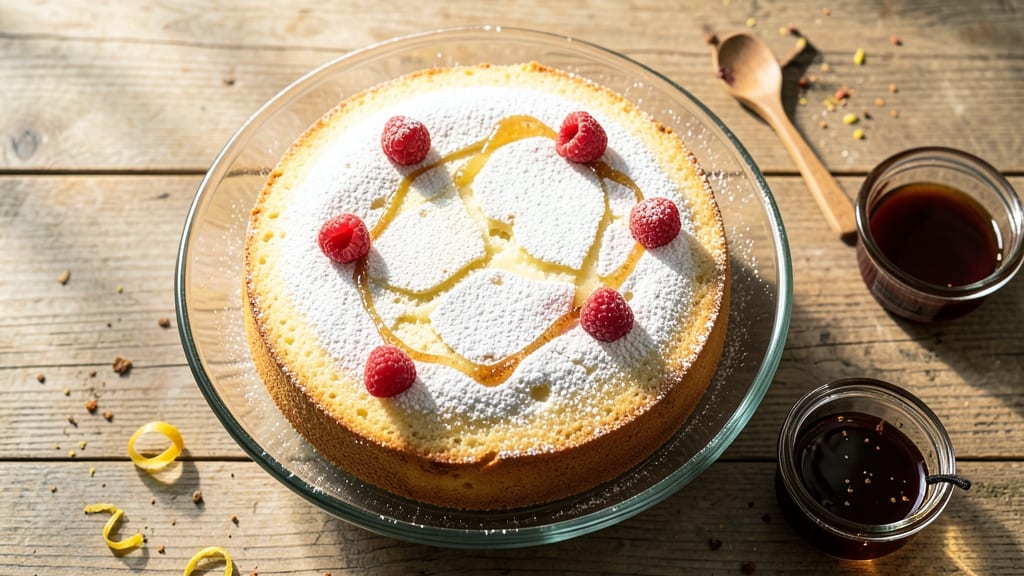
This 2-egg vanilla cake recipe delivers a perfectly moist crumb and intense vanilla flavor without overmixing or complicated techniques. The secret lies in a simple one-bowl method that combines buttermilk for tenderness and a touch of baking powder for lift—no fancy equipment required.
I developed this recipe after years of testing, ensuring every slice stays tender for days while delivering that classic vanilla taste you crave.
What makes this cake special is its foolproof texture: the buttermilk breaks down the gluten, creating a fine, even crumb that stays moist long after baking. A splash of vanilla extract (not imitation) infuses deep flavor, while a pinch of salt balances the sweetness.
The recipe uses just 2 eggs, making it lighter than traditional vanilla cakes while still achieving that signature richness.
By the time you pull it from the oven, you’ll have a golden-domed cake with a tender crumb that melts in your mouth. The vanilla flavor bursts through with every bite, and the edges stay soft—not dry or crumbly.
This is the kind of cake that disappears quickly, whether you’re serving it at a gathering or treating yourself to a slice.
The best part? It bakes in a standard tube pan, making it perfect for birthdays, potlucks, or whenever you need a reliable vanilla cake. Let’s get started—this recipe is simpler than you think, yet delivers restaurant-quality results.
Ingredients for 2 egg vanilla cake
Simple ingredients that create a tender, moist vanilla cake with rich flavor.
| Ingredient | Amount | Notes |
|---|---|---|
| All-Purpose Flour 🌾 | 2 cups | Sifted for best texture |
| Granulated Sugar 🍚 | 1 ½ cups | White or light brown |
| Buttermilk 🥛 | 1 cup | Fresh or homemade blend |
| Large Eggs 🥚 | 2 whole | Room temperature preferred |
| Pure Vanilla Extract 🌸 | 2 tsp | Not imitation vanilla |
| Vegetable Oil 🫒 | ½ cup | Neutral flavor preferred |
| Baking Powder 🍞 | 1 ½ tsp | Double-acting preferred |
| Salt 🧂 | ½ tsp | Fine sea salt preferred |
| Unsalted Butter 🧈 | ½ cup | Cold, cubed for frosting |
| Powdered Sugar 🍚 | 2 cups | For buttercream frosting |
| Heavy Cream 🥛 | ½ cup | Cold for buttercream |
The flour is key here—King Arthur or Gold Medal brands give the best texture. Grab buttermilk from the dairy section (or mix powdered buttermilk with milk if you're prepping ahead). Pure vanilla extract makes all the difference—skip the imitation stuff. For the eggs, room temperature is ideal, but cold works in a pinch. The baking powder? Diamond Crystal is my go-to—it's double-acting, so it works twice as hard for that perfect lift. Salt might seem minor, but that pinch balances all the sweetness.
No buttermilk? Mix 1 cup milk with 1 tbsp vinegar or lemon juice and let it sit for 5 minutes. Short on vanilla? Vanilla bean paste adds specks of flavor magic. Substitute vegetable oil for melted butter if you prefer (though the cake won't be quite as rich). For the frosting, powdered sugar from Domino is my favorite—it's fine and consistent. If you're in a hurry, whipped cream cheese frosting works too, but the buttercream is classic for a reason.
Store the cake in an airtight container at room temperature for up to 3 days, or refrigerate for 5 days if you're prepping ahead. The frosting keeps 3 days in the fridge—just rewhip before serving. For extra moisture, wrap the cake in plastic wrap and store it in the fridge overnight. Slice and serve at room temperature for that perfect crumb. Leftovers? Freeze for up to 3 months—thaw overnight in the fridge.
Why You'll Love This Recipe
- No Mixer Needed: I swear by this recipe when my hands are full—just whisk the eggs and sugar until fluffy, fold in the dry stuff, and pour. The buttermilk keeps it tender without any extra effort.
- Vanilla Kiss: That pure extract? It’s not hiding in here. The cake smells like a bakery, but the flavor’s subtle—just enough to make you want to cut a second slice (I won’t judge).
- Crowd-Pleaser Base: Serve it plain for breakfast, frost it for dessert, or layer it with jam for a picnic. The two-egg version bakes fast, so I can make it for guests and eat half myself.
- Pantry Staple Magic: Flour, sugar, eggs—you already own this. No weird ingredients, no last-minute grocery runs. And leftovers? Toast them like French toast—no waste, all flavor.
Step-by-step instructions for 2 egg vanilla cake
Here's how to bake a tender, moist vanilla cake that delivers on every bite.
Mix Dry Ingredients for Perfect Texture
In a medium bowl, whisk together the 2 cups all-purpose flour, 1.5 cups granulated sugar, 1.5 teaspoons baking powder, and 0.5 teaspoon salt. Sifting the flour first prevents lumps and ensures a light crumb. I like to sift directly into the bowl while whisking—this incorporates air right from the start, which helps create that signature tender texture.
Set the dry mixture aside for now. The key here is to keep everything separate until the very last moment. This prevents the baking powder from activating prematurely and keeps your cake light and fluffy. If you notice any sugar granules clinging to the sides, give the bowl a quick tap to dislodge them before proceeding.
Combine Wet Ingredients for Rich Moisture
In a separate large bowl, combine the 1 cup buttermilk, 2 whole large eggs, 2 teaspoons pure vanilla extract, and 0.5 cup vegetable oil. Whisk vigorously for about 1 minute until the mixture looks smooth and slightly thickened. The buttermilk adds that signature tangy moisture while the eggs provide structure—this combination is what makes this cake so tender.
I always use room-temperature eggs for this recipe because they blend more smoothly and create a lighter batter. If your eggs are straight from the fridge, let them sit in warm water for 5 minutes before using. The vanilla extract should be pure—not imitation—because the flavor difference is noticeable in simple recipes like this.
Gradually Combine Wet and Dry Ingredients
With the mixer on low speed, gradually add the dry ingredients to the wet mixture. I like to do this in three additions, mixing just until each addition is incorporated. Stop mixing as soon as you see no more flour streaks—overmixing develops gluten and makes the cake tough. The batter should be thick but pourable, like heavy pudding.
Here's the thing—this batter is thick, but that's exactly what we want. It ensures a moist crumb rather than a dry one. If you're worried about the texture, give it a quick stir by hand with a spatula to make sure everything is evenly combined. The batter should coat the back of a spoon without being runny.
Bake Until Golden and Springy
Preheat your oven to 350°F and grease two 8-inch round cake pans or line them with parchment paper. Divide the batter evenly between the pans and smooth the tops with a spatula. Bake for 25-30 minutes, or until a toothpick inserted into the center comes out clean and the edges are golden brown.
Don't open the oven during the first 20 minutes of baking—this prevents the cakes from sinking in the middle. You'll know they're done when the tops spring back slightly when touched and the edges pull away from the pan. If the tops are browning too quickly, tent the pans with aluminum foil to protect them while allowing the centers to finish baking.
Make the Buttercream and Assemble
While the cakes cool, make the buttercream by beating the 0.5 cup cold unsalted butter until creamy. Gradually add the 2 cups powdered sugar and 0.5 cup heavy cream, mixing on low speed until combined. Increase the speed to medium and whip for 2-3 minutes until light and fluffy. This buttercream should be smooth enough to spread easily but thick enough to hold its shape.
Once the cakes have cooled completely, level the tops if needed and spread a thin layer of buttercream between them. Place one cake on a plate, add the filling, and top with the second cake. Frost the entire cake with the remaining buttercream, smoothing it with a spatula. For a polished look, I like to run a warm knife around the edges to clean up any uneven spots. Chill for 30 minutes before slicing to let the frosting set.
Pro Tips For Making 2 Egg Vanilla Cake
- Mix Dry Ingredients First: The moment you crack those eggs, sift your flour, sugar, and baking powder together in a bowl—no lumps, no excuses. I learned this the hard way when a hidden clump turned my cake into a dense brick. A quick 10-second sift with a fork breaks up any hidden grit and ensures even distribution.
- Use Room-Temp Eggs: Cold eggs won’t blend smoothly and can make your batter look curdled. Pop them in a warm (not hot) bowl of water for 5 minutes while you measure the buttermilk—this keeps the texture light and prevents a gummy finish. Trust me, your cake’s crumb will thank you.
- Don’t Overmix the Batter: After folding in the buttermilk, stop mixing the second everything just combines. Overworking the batter introduces too much air, which collapses during baking and leaves you with a flat, sad cake. Two turns with a spatula is all you need—yes, even if it looks uneven.
- Bake Until Springy: The instant the cake pulls away from the edges and a toothpick comes out with one moist crumb (not wet batter), it’s done. I used to pull cakes too soon, thinking they’d keep rising—wrong. Overbaking dries them out, but underbaking leaves them gummy. A timer’s your friend, but your fingers are smarter.
Wine and beer pairings for these flavors
Classic Vanilla Wine
A crisp, dry Sauvignon Blanc from New Zealand or Loire Valley is my go-to pairing for this vanilla cake. The bright citrus notes and herbal undertones cut through the richness of the buttercream while complementing the vanilla's natural sweetness.
Look for wines with 12-13% ABV—just enough acidity to balance the cake's tenderness. I love Cloudy Bay Sauvignon Blanc from Marlborough for its zesty lime and passionfruit flavors that refresh your palate between bites. 🍷
Creamy Dessert Whites
For a more indulgent pairing, try an Italian Pinot Grigio or German Riesling. These wines have enough body to stand up to the cake's sweetness without overpowering it.
A slightly off-dry Riesling from Alsace adds a honeyed note that mirrors the vanilla's depth. Traminer from Austria is another fantastic choice—its lychee and floral aromas create a beautiful contrast with the cake's buttery frosting.
Light Beer Pairings
If you prefer beer, a Belgian witbier like Hoegaarden or Stella Artois works beautifully. The coriander and citrus notes in these beers cleanse your palate between bites of cake. For a darker option, try a honey wheat beer—the caramel and toasted malt flavors complement the vanilla's warmth.
I especially enjoy pairing this cake with Allagash White, which has a delicate vanilla note of its own. 🍺
After-Dinner Digestifs
For a sophisticated finish, serve with a vanilla-infused liqueur like Giffard Amaretto or Cointreau. The almond and citrus flavors in Amaretto enhance the cake's vanilla notes, while Cointreau's orange blossom adds a floral contrast.
A small glass of Baileys Irish Cream (just 1 oz) also works well for those who prefer a creamier pairing. These options elevate the dessert experience to a true indulgence.
Coffee Pairing
If you love coffee with dessert, a medium-roast Arabica with vanilla syrup is perfect. The natural sweetness of the cake pairs beautifully with the coffee's bitterness, while the vanilla syrup enhances the cake's flavor profile.
I recommend a lightly sweetened latte with a splash of vanilla extract—it's like having two desserts in one. For an extra touch, sprinkle cinnamon on top of the cake before serving. ☕
Nutrition facts
Frequently asked questions
Why does this recipe use only 2 eggs?
This recipe uses just 2 eggs to create a lighter, more tender cake than traditional vanilla cakes that use 3-4 eggs. The buttermilk and vegetable oil provide moisture and richness, while the eggs help bind the ingredients without making the texture dense. It's perfect for those who want a delicate crumb without the heaviness of extra eggs.
Can I make this cake in a bundt pan instead of round pans?
Yes! This batter works beautifully in a 10-12 cup bundt pan. Reduce baking time to 35-40 minutes and check for doneness when the edges pull away from the pan. Brush the warm cake with simple syrup (equal parts sugar and water, heated until dissolved) for extra moisture. The intricate shape makes it perfect for special occasions!
What's the secret to keeping this cake moist for days?
The buttermilk and vegetable oil are the moisture heroes here. For extra-long freshness, store the cake in an airtight container with a slice of bread or apple to absorb excess moisture. Wrap it tightly in plastic wrap before storing in the fridge. This method keeps the cake tender for up to 5 days—no dry crumb in sight!
Can I substitute buttermilk in this recipe?
Mix 1 cup milk with 1 tablespoon white vinegar or lemon juice and let it sit for 5 minutes to curdle. For a dairy-free option, use 1 cup coconut milk (full-fat) plus 1 tablespoon apple cider vinegar. The tang is crucial for that signature tender texture—don't skip the acid!
Why did my cake sink in the middle?
This usually happens from opening the oven too soon or underbaking. For this recipe, wait until 20 minutes have passed before checking. If the top browns too quickly, tent with foil. Also ensure your oven is fully preheated—cold spots can cause uneven baking. A toothpick test is key: it should come out clean with just a few moist crumbs.