
Main Courses
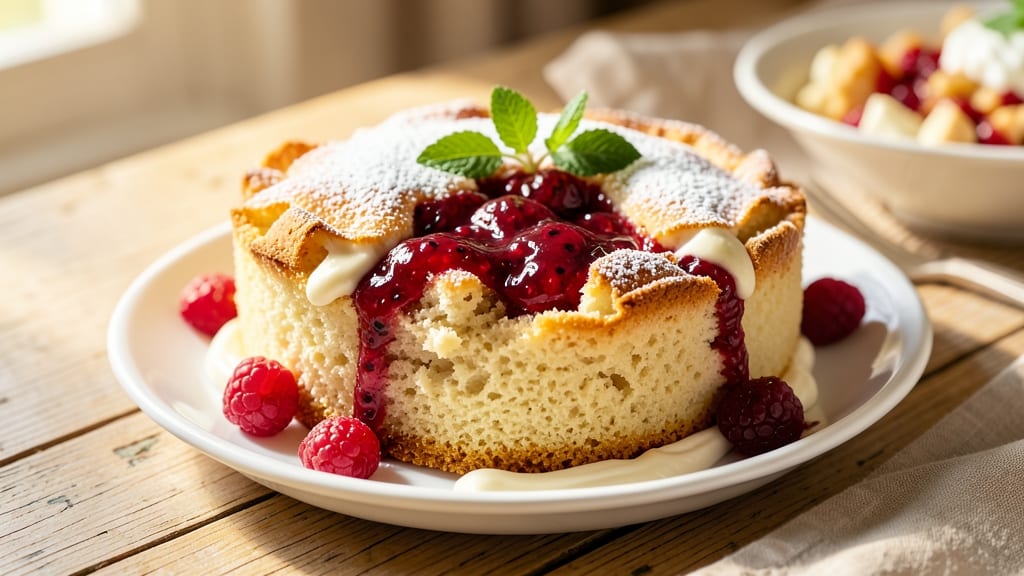
This 3-egg Victoria sponge recipe delivers the classic British tea-time masterpiece with perfectly balanced layers—light, airy sponge, jam-soaked richness, and velvety buttercream. The secret lies in whisking egg whites to stiff peaks and folding them into the batter just right, creating a tender crumb that holds up to generous fillings.
I’ve perfected this version over years of baking, ensuring every slice reveals that signature fluffy texture and delicate balance of sweetness.
The beauty of this recipe is its simplicity: just three eggs provide enough structure and moisture for a foolproof sponge that never dries out. Self-raising flour and a touch of vanilla extract elevate the flavor without overpowering the delicate cake base.
The key technique—folding egg whites into the batter in three stages—prevents deflation while creating those coveted air pockets that make Victoria sponge so irresistibly light.
Once baked, the golden layers reveal their magic when filled with your choice of jam and buttercream. The sponge absorbs the jam perfectly, creating that signature moist center, while the buttercream adds a smooth, creamy contrast.
This recipe yields a cake that’s elegant enough for afternoon tea but simple enough for a weeknight dessert—proof that classic techniques can deliver restaurant-quality results at home.
Whether you’re serving it with a cup of Earl Grey or as a celebratory dessert, this Victoria sponge lives up to its reputation. The tender crumb, jam-soaked layers, and buttery finish make it a showstopper. Let’s get baking—your guests won’t believe it’s homemade.
Ingredients for 3 egg victoria sponge
Three eggs and a handful of pantry staples transform into the quintessential British tea cake.
| Ingredient | Amount | Notes |
|---|---|---|
| Large Eggs 🥚 | 3 whole | Room temperature for best volume |
| Granulated Sugar 🍚 | ¾ cup | Superfine preferred for smooth texture |
| Unsalted Butter 🧈 | ¾ cup | Cold, cubed for creaming |
| Self-Raising Flour 🌾 | 1 ½ cups | Plus 1 tbsp for dusting tin |
| Vanilla Extract 🌿 | 1 tsp | Pure vanilla preferred |
| Raspberry Jam 🍓 | ½ cup | Or strawberry for classic version |
| Heavy Whipping Cream 🥛 | 1 cup | Full-fat for best stability |
| Powdered Sugar 🍚 | 1 ½ cups | Sifted for smooth buttercream |
| Lemon Zest 🍋 | 1 tsp | Freshly grated for brightness |
| Salt 🧂 | ¼ tsp | Fine sea salt for balance |
| Cornstarch 🌾 | 1 tbsp | For buttercream stability |
The eggs are the backbone of this recipe—room temperature is non-negotiable for proper volume. For the flour, King Arthur self-raising is my go-to as it contains the perfect balance of baking powder and salt, but J. Arthur Baker works equally well. The butter should be cold when you cream it with the sugar; this creates the tiny air pockets that make the sponge so light. If your jam isn't set enough, mix it with 1 tsp of cornstarch to help it hold its shape between layers. For the vanilla, Madagascar Bourbon extract adds a deeper flavor than imitation versions.
No raspberry jam? Strawberry preserves or apricot jam both work beautifully, though you may need to adjust the thickness with a touch more cornstarch. The buttercream can be made ahead and stored in the fridge for up to 3 days, though it softens slightly when brought to room temperature. For a lighter texture, whip the cream slightly before adding the powdered sugar. If you're short on time, pre-made raspberry jam from Smucker's or Bon Appétit brands is perfectly acceptable—just ensure it's seedless for a smoother texture.
This cake keeps beautifully at room temperature for 2 days when wrapped tightly in plastic, though the texture is best enjoyed within the first 24 hours. For longer storage, freeze the assembled cake (unfilled) for up to 1 month). To serve, simply slice and fill with jam and buttercream as needed. The lemon zest in the buttercream adds a subtle brightness that complements the sweetness of the jam—don't skip it if you want that authentic Victoria sponge flavor. Leftovers? Reheat slices in the oven at 300°F for 5-10 minutes to restore freshness.
Why You'll Love This Recipe
- No Mixing Madness: I’ll be real—this sponge only needs three eggs and a bowl. No stand mixer, no over-whisking, no stress. Just fold the flour in until it’s just combined, and the self-raising flour does all the work for you. That’s right, no sifting, no weighing—just crack, whisk, fold, bake.
- Vanilla Butter Bliss: The moment the warm sponge hits that butter-vanilla jam filling? Chef’s kiss. The vanilla extract infuses the butter so deeply, every bite tastes like a hug from your favorite bakery. And honestly? That buttery richness from the unsalted butter makes it taste like you slaved over it—even though you didn’t.
- Tea Time or Dessert Star: Between us, this sponge is my go-to for afternoon tea, but it’s also the hero of a lazy Sunday brunch. Slice it, toast it, or serve it plain—it’s equally at home with a cup of Earl Grey or as a quick dessert after dinner. (Yes, even on a Tuesday night.)
- Leftovers? Please.: Bake one, eat half, and the rest stays fresh for days wrapped in cling film. The crumb stays soft, the jam stays sticky, and it’s way better than store-bought. Plus, it’s cheap—three eggs and a handful of flour stretch to feed four, and the cost per serving? Ridiculously good.
Step-by-step instructions for Victoria sponge cake
Master this classic British dessert with perfectly balanced layers and velvety buttercream.
Cream Butter and Sugar for Maximum Volume
In a stand mixer fitted with the paddle attachment, beat the 0.75 cup unsalted butter and 0.75 cup granulated sugar on medium speed for 3-4 minutes. The mixture should become light, fluffy, and nearly double in volume, with a pale, ribbon-like consistency when the beaters are lifted. This thorough creaming incorporates air, which creates the signature tender crumb of a Victoria sponge.
I press down on the butter mixture occasionally with a spatula to ensure even blending. If using superfine sugar, the process will be slightly faster, but the texture will be identical. The butter should be cold but not frozen—if it's too hard, let it sit at room temperature for 10 minutes before starting. This step is non-negotiable for achieving that perfect, airy texture.
Incorporate Eggs and Dry Ingredients
Add the 3 whole large eggs one at a time, mixing on low speed after each addition until fully incorporated. Scrape down the sides of the bowl as needed to ensure all ingredients combine evenly. After the eggs are fully incorporated, add the 1 tsp vanilla extract and mix for 10 seconds to distribute the flavor.
In a separate bowl, whisk together the 1.5 cups self-raising flour, 0.25 tsp salt, and 1 tbsp cornstarch. Sift the mixture directly into the wet ingredients, then gently fold together using a spatula until just combined—you should still see a few streaks of flour. Overmixing develops gluten, which can make the cake dense. The batter should be smooth and slightly thicker than cake batter but still pourable.
Divide, Bake, and Assemble the Layers
Preheat your oven to 350°F and grease two 8-inch round cake pans with butter, then dust with flour. Divide the batter evenly between the pans. Bake for 20-25 minutes or until a toothpick inserted into the center comes out clean and the tops spring back when touched. The edges should be light golden brown, but the centers should remain slightly underbaked for a tender texture.
Let the cakes cool in the pans for 5 minutes, then transfer to a wire rack to cool completely. While the cakes cool, spread 0.5 cup raspberry jam evenly over the bottom layer. Place the top layer on a serving plate, then gently press down to create a slight dome shape. This ensures the jam doesn't ooze out when you cut into it.
Prepare the Lemon Buttercream
In a stand mixer fitted with the whisk attachment, beat the 1 cup heavy whipping cream on high speed until soft peaks form. In a separate bowl, whisk together the 1.5 cups powdered sugar, 1 tsp lemon zest, and 1 tbsp cornstarch until smooth. Gradually add the sugar mixture to the cream while mixing on low speed, then increase to medium-high and beat for 2-3 minutes until the buttercream is thick, glossy, and holds stiff peaks.
Spread half of the buttercream over the top layer of the cake, then carefully place the jam-filled bottom layer on top. Spread the remaining buttercream over the top and sides of the cake, creating a smooth, even layer. Use a spatula to create a slight overhang at the edges for a polished finish. Chill the cake in the refrigerator for 30 minutes before slicing to allow the buttercream to set slightly.
Pro Tips For Making 3 Egg Victoria Sponge
- Weigh the eggs cold: Skip the "room temperature" myth—cold eggs whip faster and hold volume better for that light Victoria sponge texture. Crack them straight from the fridge into your bowl, no waiting needed.
- Cream butter and sugar low: Beat butter and sugar on medium-low until pale and fluffy, about 3-4 minutes. High speed just traps air unevenly, and you’ll end up with dense layers.
- Fold flour in gently: Use a spatula to cut through the batter, then lift and fold—don’t overmix. Self-raising flour is finicky; one extra fold keeps the sponge tender instead of tough.
- Bake until springy: Tap the cake—it should bounce back immediately when pressed. A toothpick test is useless here; overbaking dries out the crumb, and you’ll regret it when slicing.
Flavor customization for this recipe
Jam Variations
Swap the raspberry jam for strawberry preserves to capture the classic British version—its milder sweetness pairs beautifully with the buttery sponge. For a summer twist, try peach or apricot jam, which adds a fruity depth that balances the lemon buttercream.
If you prefer something bolder, blackberry or boysenberry jam brings an intense, jammy richness. I’ve even used orange marmalade for a tangy-sweet contrast that cuts through the cake’s density. 🍓
Spiced Buttercream
Infuse the buttercream with warmth by adding ½ tsp ground cinnamon or ¼ tsp cardamom to the powdered sugar mixture. For a deeper spice profile, fold in 1 tbsp of apricot jam after whipping—it adds moisture and a subtle fruity note.
A pinch of freshly grated nutmeg elevates the lemon flavor without overpowering it. These spices work especially well with apple or pear jam for a cozy autumnal cake. ✨
Citrus Twists
Boost the lemon buttercream with orange zest (½ tsp) for a bright, complex flavor. For a tropical vibe, replace the lemon with lime zest and a splash of lime juice (1 tsp) in the buttercream.
Pair this with mango or passionfruit jam for a vibrant, summery dessert. If you love tartness, yuzu or Meyer lemon jam adds a sophisticated twist that pairs perfectly with the cake’s buttery layers.
Nutty Additions
Fold toasted chopped hazelnuts or pecans into the buttercream for crunch—about ¼ cup works beautifully. For a more decadent touch, spread a thin layer of hazelnut praline paste between the jam and buttercream.
A sprinkle of crushed meringue on top adds a delicate, toasted sweetness. These additions work especially well with chocolate-hazelnut spread as a jam substitute for a nutty, indulgent flavor profile.
Seasonal Adaptations
In winter, swap the jam for fig or cranberry sauce and add warm spices like cinnamon or cloves to the buttercream. For spring, use rhubarb compote and a hint of rosewater (¼ tsp) in the buttercream for a floral note.
Summer calls for berry compotes (like mixed berries poached with sugar) and a touch of fresh mint in the buttercream. Each season’s flavors transform this classic cake into something fresh and exciting. 🌸
Nutrition facts
Frequently asked questions
Can I use regular flour instead of self-raising flour?
You can substitute, but you'll need to add 2 teaspoons baking powder and ½ teaspoon salt per 1.5 cups of regular flour. The texture will be slightly less tender, but still delicious. For best results, sift the flour and leavening agents together before folding into the batter.
Why does my Victoria sponge turn out dense? Overmixing the batter or underwhipping the egg whites are the most common culprits.
How do I store leftover Victoria sponge?
Wrap the cake tightly in plastic wrap and store at room temperature for up to 2 days. For longer storage, freeze the assembled cake (unfilled) for 1 month. To serve, let it thaw at room temperature and add fresh jam/buttercream before slicing. Reheat slices at 300°F for 5-10 minutes to restore freshness.
Can I make this recipe without a mixer?
Use a hand mixer or even a whisk for the buttercream and cream butter/sugar by hand for 5-7 minutes until light and fluffy. For the egg whites, use a balloon whisk and arm strength to whip them to stiff peaks—it takes about 3-5 minutes of vigorous whisking. The key is patience and consistent motion!
What's the best way to level the cake layers?
Use a long serrated knife or a cake leveler to trim the domed tops of your baked layers. Place the cake on a plate, then gently press down with a flat surface (like a cake board) to create an even surface. This ensures clean slices and prevents the jam from oozing out when serving.