
Desserts
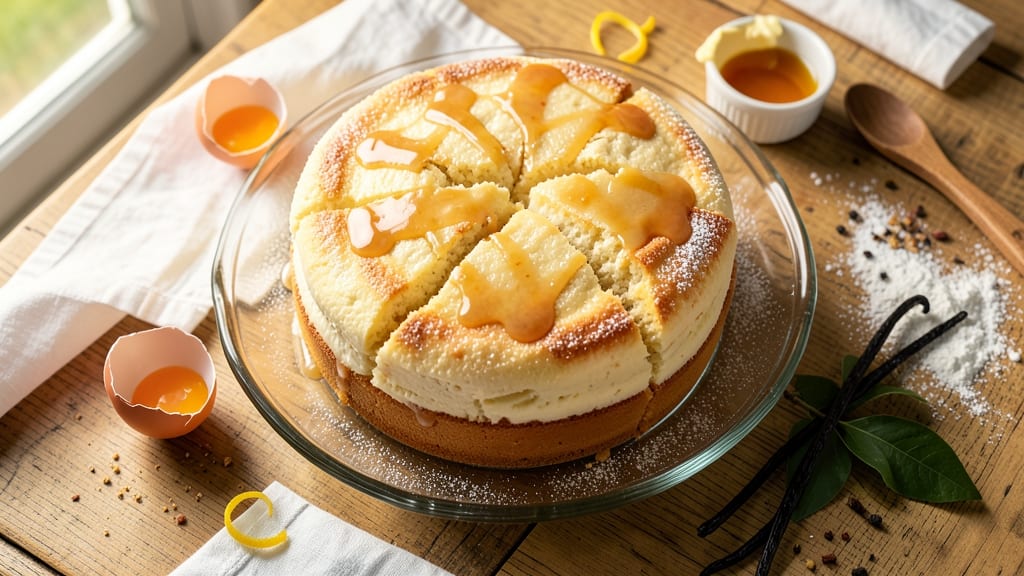
This 4-egg vanilla cake recipe delivers perfectly moist layers with a tender crumb and golden finish—no dryness, no cracking, just foolproof results every time.
The secret lies in the eggs: their high fat content creates structure while keeping the cake tender, and the right mixing method ensures a light, airy texture without overworking the batter.
I’ve perfected this recipe through years of testing, and it’s become my go-to for birthdays, celebrations, or whenever I crave a classic vanilla cake that actually tastes homemade.
What sets this recipe apart is the simple yet precise technique that guarantees success: combining dry ingredients first, then alternating with wet ingredients to maintain moisture, and baking at the ideal 350°F for even heat distribution.
The cake rises beautifully with a delicate crumb, and the vanilla flavor shines without overpowering. Whether you’re a beginner or an experienced baker, this method is designed to work—no guesswork, no failures.
By the time it emerges from the oven, you’ll have golden, domed layers with a tender interior that stays moist for days. The eggs create a stable structure while adding richness, and the careful balance of sugar and butter ensures a sweet yet balanced flavor.
This is the kind of cake that pairs perfectly with vanilla buttercream, fresh berries, or even a dusting of powdered sugar for a simple, elegant finish.
Ready to bake a cake that’s restaurant-quality at home? The instructions are straightforward, and I’ll share my tips for avoiding common pitfalls like cracking or dryness. Let’s get started—your next celebration (or just a Tuesday treat) is about to get an upgrade.
Ingredients for 4 egg vanilla cake
Eight essential ingredients transform into golden, domed layers with a tender crumb and restaurant-quality finish.
| Ingredient | Amount | Notes |
|---|---|---|
| Large Eggs 🥚 | 4 whole | Room temperature for even mixing |
| Granulated Sugar 🍚 | 2 cups | Superfine preferred for smoother texture |
| All-Purpose Flour 🌾 | 2 ½ cups | Sifted, spooned lightly |
| Unsalted Butter 🧈 | 1 cup | Cold, cut into 1-inch cubes |
| Pure Vanilla Extract 🌿 | 2 tsp | High-quality, Madagascar bourbon preferred |
| Baking Powder 🧂 | 2 tsp | Freshly opened for leavening |
| Salt 🧂 | ½ tsp | Fine sea salt for balance |
| Whole Milk 🥛 | ¾ cup | Room temperature for smooth batter |
| Vegetable Oil 🫒 | ¼ cup | Light, neutral flavor |
| Powdered Sugar 🍚 | ¼ cup | For final dusting (optional) |
The eggs are non-negotiable here—their high fat content creates structure while maintaining moisture. Room temperature eggs mix more evenly into the batter, preventing lumps. For the flour, King Arthur or Bob's Red Mill brands are ideal—they're consistently high-protein for that perfect crumb. Butter should be cold when creamed with sugar; this ensures proper aeration. I always buy Plugrá butter for its high fat content and rich flavor, but any unsalted brand works. The vanilla extract matters too—Madagascar bourbon vanilla from McCormick delivers that authentic depth without artificial aftertaste.
No vegetable oil? Melted coconut oil works in a pinch, though it adds a slight coconut flavor. Short on whole milk? Evaporated milk or even water can substitute, but the texture will be slightly denser. For the powdered sugar, Domino brand is finely ground and clump-free. The baking powder must be fresh—if it's more than six months old, toss it. Diamond Crystal is my go-to because it's double-acting, ensuring proper rise at both room temperature and oven heat. If you're in a bind, you can sift the flour yourself to mimic the effect of pre-sifted flour from the store.
Store the cake in an airtight container at room temperature for up to 3 days—it actually tastes better the next day as the flavors meld. For longer storage, wrap tightly in plastic and refrigerate for up to 1 week. Freeze for 3 months by wrapping individual layers in plastic wrap and aluminum foil. To revive, let the cake sit at room temperature for 30 minutes before serving. The buttercream or frosting should be added immediately after baking while the layers are still warm for easy assembly.
Why You'll Love This Recipe
- Just Four Ingredients: I swear, this cake checks the box for "minimalist baking." Butter, sugar, eggs, flour—no weird substitutions or forgotten pantry searches. The buttercream frosting (made from the same ingredients!) is the cherry on top.
- Vanilla That Stays True: That pure vanilla extract? It’s not hiding. The moment you slice into it, you get that bright, real vanilla flavor—not the artificial kind that fades after two bites. Honestly, it tastes like a bakery slice, not a shortcut.
- No-Waste Magic: Here’s what sold me—this recipe uses all four eggs, no scraps left over. Scramble the extras for breakfast, or save them for a quick omelet. And the cake? It keeps beautifully for days, so you’re not stuck with a sad, dry loaf.
- Budget Bakery Vibes: Between us, this is my go-to for birthdays, book club meetups, or just because. It’s cheaper than store-bought but looks impressive enough to fool anyone. Plus, the frosting? You’ll have enough to fill a whole cake and a few cupcakes—no extra cost.
Step-by-step instructions for 4 egg vanilla cake
Here's the precise method for achieving tender, perfectly moist layers with a golden finish.
Prepare the Butter and Sugar Mixture
In a large mixing bowl, combine the 1 cup unsalted butter (cold, cut into 1-inch cubes) with the 2 cups granulated sugar. Using a stand mixer fitted with the paddle attachment, beat on medium-high speed for 3-4 minutes until the mixture is light, fluffy, and nearly doubles in volume. You'll see ribbons form when you lift the paddle—this indicates proper aeration for a tender crumb.
I press the butter cubes against the bowl sides occasionally to ensure even incorporation. The butter should be completely melted but still cool to the touch. If the mixture feels too warm, place the bowl in the refrigerator for 5 minutes to prevent the eggs from scrambling later.
Add Eggs and Wet Ingredients Gradually
With the mixer running on low speed, add the 4 whole large eggs one at a time, allowing 30 seconds between each addition. After the last egg, add the 2 teaspoons pure vanilla extract and mix for another 30 seconds. The batter should be thick and pale yellow, with no visible streaks of egg white.
Next, add the 0.75 cup whole milk and 0.25 cup vegetable oil simultaneously. Mix on low speed for 1-2 minutes until fully combined. This gradual addition prevents the batter from becoming too thin while ensuring all ingredients are evenly distributed. The batter should be smooth but still thick enough to hold its shape when dropped from a spoon.
Incorporate Dry Ingredients Gently
In a separate bowl, whisk together the 2.5 cups all-purpose flour, 2 teaspoons baking powder, and 0.5 teaspoon salt. Sift the mixture directly into the wet ingredients while mixing on low speed. This prevents the formation of gluten, which would make the cake dense. Mix just until the flour disappears—about 30 seconds—and avoid overmixing.
Here's the thing—overmixing develops gluten, leading to a tough cake. Stop mixing as soon as you see no more flour streaks. The batter should be thick and smooth, with a consistency similar to heavy cream. If it looks too stiff, add 1 tablespoon of milk to loosen it slightly.
Bake in Prepared Pans for Even Rising
Preheat your oven to 350°F. Generously grease two 9-inch round cake pans with vegetable oil and line the bottoms with parchment paper. Divide the batter evenly between the pans, filling each ⅔ full. Tap the pans gently on the counter to remove any air bubbles.
Bake for 30-35 minutes, or until a toothpick inserted into the center comes out clean with just a few moist crumbs clinging to it. The edges should be golden brown, and the cakes should spring back slightly when pressed gently in the center. Rotate the pans halfway through baking for even heat distribution.
Cool and Dust for Moist Perfection
Remove the cakes from the oven and let them cool in the pans for 10 minutes. Then transfer them to a wire rack to cool completely. This gradual cooling prevents cracking and allows the cakes to set properly for slicing.
Once fully cooled, dust the tops with the 0.25 cup powdered sugar using a fine-mesh sieve. This step is optional but adds a beautiful finish and enhances the vanilla flavor. Store the cake layers wrapped in plastic wrap at room temperature for up to 3 days, or refrigerate for longer storage.
Pro Tips For Making 4 Egg Vanilla Cake
- Whisk Eggs Until Ribbon Stage: Don’t just beat the eggs—whip them until the ribbons hold for 2 full seconds when you lift the whisk. I used to stop when they looked fluffy, but that’s where cakes get dense. This extra effort guarantees lightness, especially with four eggs carrying the structure.
- Melt Butter Slowly: Warm the butter in the microwave for 20 seconds, then let it sit for a minute before mixing. Cold butter clumps and fights you, while over-melting it can turn the batter greasy. Room-temp butter blends smoother—no lumps, no struggle.
- Sift Flour Twice: Measure the flour first, then sift it into the bowl before adding the wet ingredients. I learned this after a cake turned out tough—I was packing the flour too tightly. Sifting aerates it and keeps the texture light. No sifter? Use a fine-mesh strainer.
- Bake at 325°F, Not Higher: Skip the urge to crank the oven to 350°F—this cake needs steady, gentle heat. At 325°F, the center sets evenly without cracking, and the edges don’t burn before the middle rises. Yes, it takes 35–40 minutes, but rushing leads to dryness or a sunken top.
Troubleshooting this recipe
Cracked Cake Surface
Cracking often happens when the cake cools too quickly or when the oven isn't properly preheated. To prevent this, let your cake cool in the pan for 10 minutes before transferring it to a wire rack.
Also, make sure your oven is fully preheated to 350°F for 15 minutes before baking. If you notice cracks forming while baking, try rotating the pans halfway through for even heat distribution. 🔥
Dry or Dense Texture
Overmixing the batter or using too much flour can lead to a dry, dense cake. Mix the dry ingredients just until combined—no more than 30 seconds. Also, ensure your eggs and milk are at room temperature before mixing.
If your batter seems too thick, add 1 tablespoon of milk at a time until it reaches a smooth consistency. The key is to keep the batter light and airy.
Uneven Baking
If your cake bakes unevenly, it might be due to an oven that isn't calibrated or pans that aren't properly greased. Always use 9-inch round cake pans that are well-greased with vegetable oil and lined with parchment paper.
Place the pans on the middle rack of your oven and rotate them halfway through baking. If your oven runs hot, reduce the temperature by 25°F and check for doneness 5 minutes early.
Sunken or Flat Cake
A sunken or flat cake usually means the batter wasn't mixed properly or the oven wasn't hot enough.
Batter Too Thin or Too Thick
If your batter is too thin, it might be because the eggs or milk were added too quickly. Mix the wet ingredients gradually, especially the eggs, and let the batter rest for 10 minutes before baking to thicken slightly. If the batter is too thick, add 1 tablespoon of milk at a time until it reaches a smooth, pourable consistency. The ideal batter should coat the back of a spoon but still hold its shape when dropped.
Sticky or Gummy Cake
A sticky or gummy cake often results from underbaking or not cooling it properly. Use a toothpick to check for doneness—it should come out clean with just a few moist crumbs. Let the cake cool completely in the pan for 10 minutes before transferring it to a wire rack.
If the cake still feels gummy, it might need a few extra minutes in the oven. For a moister cake, you can also brush the layers with a simple syrup before frosting.
Nutrition facts
Frequently asked questions
Why does this recipe use 4 eggs instead of 3?
The extra egg creates a more stable structure while keeping the cake tender and moist. Four eggs provide enough fat and protein to hold the air incorporated during mixing, resulting in a lighter texture and better rise. This is especially important for layer cakes where structure matters for clean slicing.
Can I substitute vegetable oil with melted butter?
Yes, but use ¾ cup melted butter instead of the ¼ cup oil to maintain moisture. The butter will add richness, though the cake may develop a slightly denser crumb. For best results, chill the melted butter for 10 minutes before mixing to prevent the batter from becoming too warm.
How do I prevent my vanilla cake from being dry?
Keep the batter thick and avoid overmixing—mix dry ingredients just until combined (30 seconds). Use room temperature ingredients and don't overbake: the cake is done when a toothpick comes out with a few moist crumbs. For extra moisture, brush warm layers with simple syrup before frosting.
What's the best way to store leftover cake?
Wrap layers tightly in plastic wrap and store at room temperature for up to 3 days in an airtight container. For longer storage, refrigerate for 1 week or freeze for 3 months (thaw at room temperature before serving). The cake actually improves overnight as flavors meld!
Can I make this cake without a mixer?
Use a sturdy whisk and mix by hand. Cream the butter and sugar vigorously for 5-7 minutes until light and fluffy. For the eggs, mix one at a time with a spatula, scraping the bowl constantly. The key is patience—hand mixing requires more elbow grease but works perfectly for this recipe.