
Main Courses
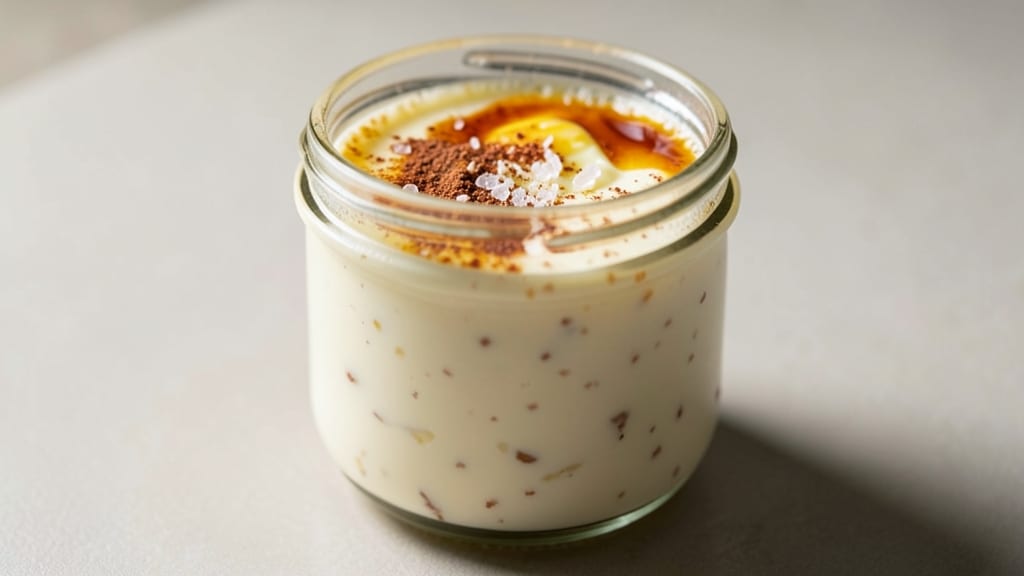
This 4-egg-yolk custard recipe delivers velvety-smooth perfection without a single lump—no curdling, no guesswork, just restaurant-quality texture every time. The secret lies in precise temperature control and a gentle cooking method that transforms simple ingredients into something luxurious.
I’ve perfected this technique over years of testing, ensuring your custard reaches that ideal 175°F mark where it’s silky but never grainy.
What sets this recipe apart is the balance of rich egg yolks, heavy cream, and sugar, all tempered to prevent scrambling. Whether you’re making classic crème brûlée or a lighter vanilla pastry cream, the same principles apply—slow, controlled heat and patience.
The result? A custard so smooth it melts on your tongue, with a finish that’s creamy yet refined.
This method works for both stovetop and bain-marie techniques, giving you flexibility based on your kitchen setup. The key is never letting the mixture boil, which guarantees that silky texture you crave.
Once chilled, it’s ready to be topped with caramelized sugar, fresh berries, or a dusting of cocoa powder—whatever suits your dessert vision.
Perfect for impressing guests, gifting in jars, or simply indulging yourself, this custard is a game-changer for home cooks. Let’s get started—your taste buds will thank you.
Ingredients for 4 egg yolk custard
Six ingredients, one luxurious custard—where restaurant-quality texture meets home kitchen ease.
| Ingredient | Amount | Notes |
|---|---|---|
| Large Egg Yolks 🥚 | 4 whole | Freshly separated from pasteurized eggs |
| Heavy Cream 🥛 | 2 cups | Full-fat for maximum creaminess |
| Granulated Sugar 🍚 | ½ cup | White or light brown preferred |
| Vanilla Extract 🌿 | 1 tbsp | Pure Madagascar or bourbon |
| Whole Milk 🥛 | 1 cup | Warmed to room temperature |
| Unsalted Butter 🧈 | 2 tbsp | Cold, cut into small pieces |
| Diamond Crystal Kosher Salt 🧂 | ¼ tsp | For subtle seasoning balance |
| Ground Cinnamon 🌶️ | ¼ tsp | Optional for warmth |
| Pinch of Nutmeg 🌿 | ⅛ tsp | Freshly grated preferred |
| Lemon Zest 🍋 | 1 tsp | From organic lemon |
The egg yolks are your foundation—freshness matters, so grab them from the back of the fridge, not the front. Pasteurized eggs work perfectly here, eliminating any risk of salmonella while keeping that rich, velvety texture. Heavy cream is non-negotiable; half-and-half or light cream will compromise the final consistency. For sugar, Domino or C&H brands dissolve smoothly, but organic cane sugar adds subtle caramel notes. The vanilla? Bourbon-infused has depth, but pure Madagascar works just as well—just avoid imitation extracts. Pre-warm your milk to room temperature; cold milk causes lumps no matter how gently you temper.
No vanilla extract? Seeds from a vanilla bean scraped into warm cream gives authentic flavor. Running short on butter? European-style cultured butter has more fat for richness, but regular unsalted works in a pinch. The cinnamon and nutmeg are optional but worth it—McCormick's ground spices are reliable, but toast your own for deeper flavor. Lemon zest brightens everything; organic lemons have more oil, so use the whole zest from one lemon. For temperature control, a candy thermometer is essential—no guessing games—aim for that precise 175°F mark where magic happens.
Once chilled, this custard keeps beautifully—5 days in the fridge in an airtight container with plastic wrap pressed directly on the surface to prevent a skin. For longer storage, 3 months frozen in ice cube trays (thaw overnight in the fridge). The texture actually improves after 24 hours as flavors meld. Portion into small jars for elegant gifts or individual servings. Top with caramelized sugar for crème brûlée, fold into whipped cream for pastry cream, or serve alone with fresh berries—whatever your dessert vision demands.
Why You'll Love This Recipe
- No Whisk Arm Fatigue: I swear by this recipe because it’s the only custard I’ll make after a long day—just whisk those yolks and sugar until pale, then pour over the warm milk and cream. The heat does all the work while I sip my coffee.
- Velvet-Smooth Magic: That first spoonful of custard—silky, rich, with just a whisper of vanilla—is my idea of dessert perfection. The egg yolks and heavy cream make it impossibly creamy, while the sugar balances the vanilla without overpowering it.
- Weeknight Dessert Hack: Between us, this is how I keep dessert on the menu when I’m too tired for baking. It’s ready in under an hour (or even less if you use a double boiler), and it’s the kind of thing that makes you feel fancy without trying.
- Leftovers That Shine: Honestly, I always make extra because it’s that good. Store it in the fridge for up to 5 days—perfect for quick puddings, ice cream mix-ins, or even a fancy breakfast toast topping. (Yes, even on a Tuesday.)
Step-by-step instructions for silky-smooth custard
Mastering this custard comes down to temperature control and gentle technique—here's how to achieve that perfect velvety finish every time.
Warm the Dairy Base
In a medium saucepan, combine the 2 cups heavy cream, 1 cup whole milk, and 1 tsp lemon zest. Warm over medium heat until the mixture reaches 160°F—just before it begins to simmer. This gentle warmth helps dissolve the sugar later without shocking the eggs. I like to use a candy thermometer for precision, but if you don't have one, watch for small bubbles forming at the edges (not a full boil). Remove from heat immediately once reached, then whisk in the 0.5 cup granulated sugar until fully dissolved. The sugar should disappear completely—this prevents graininess in the final custard.
Here's the thing—if you let the dairy boil, you'll risk curdling when you add the eggs later. The goal is to warm it just enough to open up the cream's flavor and create a smooth foundation without cooking the proteins prematurely.
Temper the Egg Yolks
While the dairy warms, whisk the 4 whole egg yolks in a separate bowl until smooth and pale. To temper them, slowly pour about 1 cup of the warm dairy mixture into the yolks while whisking constantly. This gradual introduction prevents the eggs from cooking instantly and curdling. Once incorporated, pour the yolk mixture back into the saucepan with the remaining dairy. Return to low heat and stir continuously with a wooden spoon or silicone spatula.
I press down gently on the custard with the spoon during the first minute—this prevents it from curdling and ensures even heat distribution. You'll notice the mixture thicken slightly as it warms, but it should never reach a rolling boil. If you see any lumps forming, immediately remove from heat and whisk vigorously to break them up.
Cook to Perfect Thickness
Continue cooking on low heat, stirring constantly, until the custard thickens enough to coat the back of a spoon. This should take about 5-7 minutes—the mixture will transform from a thin liquid to a glossy, pudding-like consistency. When you run your finger through it, the trail should hold for a moment before slowly dissolving. Remove from heat immediately at this point—overcooking will make it grainy.
Strain the custard through a fine-mesh sieve into a clean bowl to remove any potential lumps. This step ensures an ultra-smooth texture. While still warm, whisk in the 1 tbsp vanilla extract, 0.25 tsp diamond crystal kosher salt, 0.25 tsp ground cinnamon, and 0.125 tsp nutmeg. The spices will mellow as it cools, so don't worry if they seem strong at this stage.
Finish with Butter for Richness
Let the custard cool to 140°F, then whisk in the 2 tbsp cold unsalted butter cut into small pieces. The butter should melt completely, adding luxurious richness and preventing a skin from forming. Transfer to serving dishes and press plastic wrap directly onto the surface. Chill in the refrigerator for at least 4 hours (overnight is ideal) to develop maximum flavor and achieve that signature silky texture.
Real talk: the longer you chill it, the smoother it becomes. If you're impatient, you can serve it warm—but the true magic happens after proper chilling. When ready to serve, give it a quick whisk to restore any separated cream, then garnish with extra lemon zest if desired.
Pro Tips For Making 4 Egg Yolk Custard
- Temper the yolks: Whisk your egg yolks and sugar together over a double boiler until the mixture hits 160°F (71°C)—that’s when it’ll thicken properly. I learned this the hard way: skipping the temp check means you’re guessing, and guesswork leads to scrambled custard. A candy thermometer takes 10 seconds and saves you from disaster.
- Warm the dairy first: Heat your heavy cream, milk, and vanilla to 170°F (77°C) before mixing with the yolks—this prevents curdling. Sounds like extra work, but it’s the difference between a silky custard and one that separates like a bad smoothie. (Yes, even if you’re impatient like me.)
- Strain before baking: Pour the custard through a fine-mesh sieve into your ramekins—this catches any stray bits of cooked egg or vanilla seeds. I used to skip it, and my custard always had a weird texture. Takes 30 seconds and guarantees a velvety finish.
- Chill the ramekins: Pop your ramekins in the fridge for 10 minutes before baking—cold vessels help the custard set evenly without cracking. I was skeptical until I tried it: no more lopsided custards or watery centers. (Your future self will thank you.)
Flavor customization for these flavors
Citrus Zest Variations
Swap the lemon zest for orange zest (about 1 tsp) for a sweeter, floral profile that pairs beautifully with cardamom or rosewater. For a tart twist, use lime zest—it brightens the custard and works especially well with chili powder or Tajín for a spicy-sweet contrast.
I've found that yuzu zest (available at specialty stores) adds a unique Japanese-inspired depth that's subtly floral and citrusy. 🍊
Spiced Warmth Options
Boost the warmth with ½ tsp ground ginger or ¼ tsp freshly grated ginger for a cozy, almost gingerbread-like note. A pinch of cayenne pepper (about ⅛ tsp) adds a subtle kick that balances the richness—perfect for a spiced custard tart.
For a Middle Eastern twist, add ½ tsp ground cardamom and a dash of orange blossom water (about ¼ tsp).
Fruit-Infused Flavors
Fold in ½ cup puréed raspberries or blackberries after cooking for a jammy texture, then strain to keep it smooth. For a tropical vibe, infuse the warm dairy with 1 thinly sliced ripe mango (remove after 10 minutes) or ½ cup coconut milk instead of regular milk.
I love adding 1 tsp almond extract for a marzipan-like flavor that pairs wonderfully with apricot or peach toppings.
Herbal & Floral Notes
Add 1 tsp chopped fresh mint or ½ tsp dried mint for a refreshing herbal note that works especially well with honey or lavender.
A splash of rosewater (about ¼ tsp) or orange flower water adds an exotic floral touch—just be cautious, as these can be overpowering if used too liberally. For a savory-herb twist, stir in ½ tsp finely chopped tarragon or thyme leaves after cooking.
Boozy Enhancements
Infuse the warm dairy with ½ cup white wine (like Sauvignon Blanc) or ¼ cup bourbon for depth. A splash of ½ oz coffee liqueur (like Kahlúa) adds a mocha-like richness that pairs perfectly with chocolate shavings.
For a lighter option, use 1 oz amaretto—the almond flavor complements vanilla beautifully. Always reduce the sugar slightly if using sweet liqueurs to maintain balance.
Unexpected Umami
Add ½ tsp soy sauce or 1 tsp miso paste to the warm dairy for a subtle umami depth that elevates the custard's complexity. A pinch of white miso (about ¼ tsp) works better than red to avoid color changes.
For a smoky twist, stir in ½ tsp smoked paprika or a small piece of smoked salt (like Maldon) during the final whisking stage. 💫
Nutrition facts
Frequently asked questions
Why does this recipe use only 4 egg yolks instead of whole eggs?
Using just yolks creates an ultra-smooth, velvety texture without the risk of curdling from egg whites. The yolks provide rich flavor and natural emulsifiers that stabilize the custard, while eliminating the need to separate eggs. This method also reduces prep time and gives you more control over the final consistency—no lumps or graininess!
Can I make this custard without a thermometer?
Watch for small bubbles forming at the edges of the pan when warming the dairy (around 160°F). For cooking, stir constantly until the custard coats the back of a spoon—it should thicken enough to leave a visible trail when you run your finger through it. The key is constant stirring on low heat to prevent overheating.
What's the best way to prevent a skin from forming?
Press plastic wrap directly onto the custard's surface before chilling to create an airtight seal. For extra insurance, whisk in 2 tbsp cold butter at 140°F—the fat prevents separation. If a skin does form, whisk vigorously to restore smoothness before serving.
How can I use this custard in desserts?
This versatile base works perfectly for crème brûlée (add caramelized sugar), pastry cream (fold into whipped cream), or tart fillings. For individual servings, spoon into ramekins and top with berries. For layering, chill between sponge cake layers for a classic trifle. The possibilities are endless!
What if my custard curdles?
Don't panic! Immediately remove from heat and whisk vigorously to break up any lumps. If it's still grainy, strain through a fine-mesh sieve. The secret to prevention is tempering the eggs properly and never letting the mixture boil. For next time, reduce heat to low and stir constantly.