
Desserts
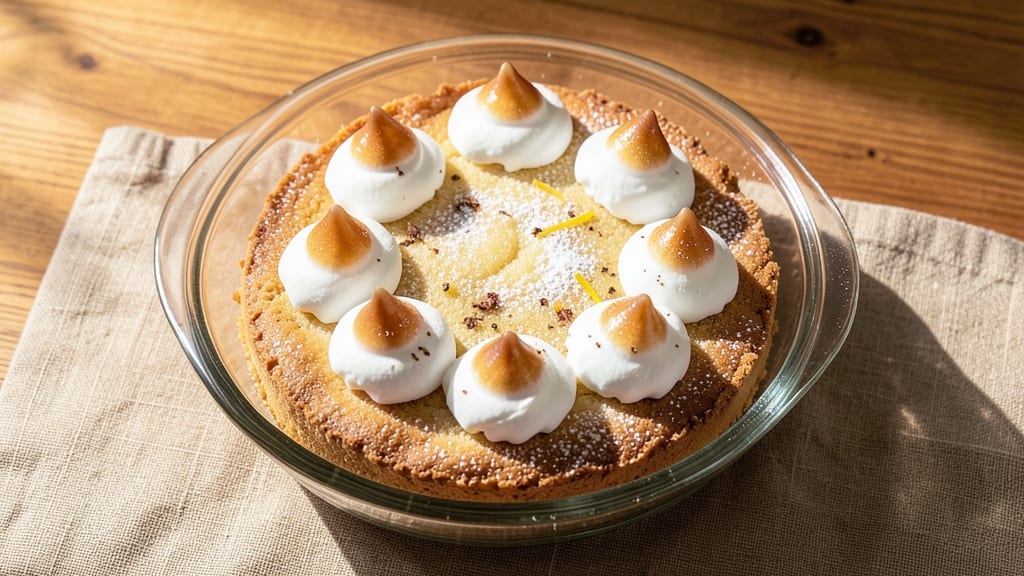
A 5-egg cake delivers that legendary fluffy, golden texture that makes every slice worth the wait. This recipe transforms simple ingredients into layers of buttery, crisp-edged clouds with a tender crumb—no fancy equipment or secret tricks required.
The magic happens in the egg whites, which we whip to stiff peaks before gently folding them into the batter, ensuring that signature lightness without sacrificing richness.
What sets this cake apart is the balance of technique and simplicity. We use a single bowl for mixing, eliminating extra dishes, and rely on room-temperature eggs for even whipping.
The oven temperature of 350°F ensures a perfect rise, while a 30-minute bake time (plus cooling) guarantees a moist interior with those coveted crisp edges. The result? A cake that tastes homemade but looks like it came from a bakery.
This recipe is foolproof for beginners and impressive enough for special occasions. Whether you're celebrating a birthday, holiday, or just craving dessert, the 5-egg formula delivers consistent results every time. The cake holds its shape when sliced, making it ideal for layering with frosting or serving fresh with berries.
For extra flair, consider brushing the warm cake with a simple syrup or dusting it with powdered sugar. The possibilities are endless, but the foundation—whipped egg whites, precise folding, and controlled baking—is what makes this cake legendary. Let’s get started on creating your perfect slice.
Ingredients for 5 egg cake
Eight simple ingredients transform into clouds of golden perfection with crisp edges.
| Ingredient | Amount | Notes |
|---|---|---|
| Large Eggs 🥚 | 5 whole | Room temperature, separated |
| Granulated Sugar 🍚 | 1 ½ cups | Superfine preferred for even texture |
| All-Purpose Flour 🌾 | 2 cups | Sifted, spooned lightly |
| Unsalted Butter 🧈 | 1 cup | Room temperature, cubed |
| Baking Powder 🍞 | 1 ½ tsp | Aluminum-free for best rise |
| Salt 🧂 | ½ tsp | Fine sea salt preferred |
| Vanilla Extract 🌸 | 1 tbsp | Pure vanilla for authentic flavor |
| Whole Milk 🥛 | ½ cup | Room temperature, full-fat |
| Cornstarch 🌾 | 1 tbsp | For tender, moist crumb |
| Powdered Sugar 🍚 | 2 tbsp | For dusting finished cake |
The eggs are the heart of this cake—room temperature is non-negotiable for even whipping. Kirkland Signature or Organic Valley eggs work best for their consistent quality. Separate whites from yolks immediately to prevent any fat contamination, which can deflate your meringue. For the butter, Land O'Lakes or Plugrá brands melt evenly without graininess. The sugar should be superfine if possible—regular granulated works but may yield slightly coarser texture. Measure flour by spooning it lightly into your cup and leveling with a knife; packing it creates dense cake.
No superfine sugar? Pulse regular granulated sugar in a food processor for 30 seconds to break it down. Short on vanilla? Almond extract at half the amount adds depth, though true vanilla's floral notes are irreplaceable. The milk can be whole, 2%, or even lactose-free—just ensure it's room temperature to blend seamlessly. For a richer version, substitute heavy cream for milk (same quantity). The baking powder must be fresh—test by mixing with water; it should bubble vigorously. If your powder is old, replace it entirely, as weak leavening ruins the rise. Store all dry ingredients in airtight containers away from heat sources to preserve freshness.
This cake keeps beautifully—covered at room temperature for 2 days or wrapped tightly in the fridge for 5 days. For longer storage, freeze slices between parchment layers for up to 3 months. Reheat slices in a 200°F oven for 5-10 minutes to restore moisture. The powdered sugar dusting should be done just before serving to prevent clumping. For extra flair, brush warm cake with a simple syrup (equal parts sugar and water, heated until dissolved) before dusting. The cake's structure holds well when sliced, making it perfect for layering with whipped cream or berry compote—just assemble within 2 hours of baking for best texture.
Why You'll Love This Recipe
- Five Eggs, Zero Stress: Honestly, this cake comes together in one bowl—no mixer, no fancy steps. Just crack those eggs, melt the butter, and fold in the dry bits. I’ve made it while chatting on the phone, and it still turns out light and fluffy.
- Butter-Sugar Magic: That butter-sugar combo? It’s what makes this cake ridiculously good. The sugar caramelizes just enough to give it a subtle depth, while the butter keeps it moist without being greasy. (Yes, even on a Tuesday night.)
- Crowd-Pleaser Any Day: Between us, this is my go-to for birthdays, potlucks, or when my book club needs dessert. It slices neatly, serves 12, and no one ever asks what’s in it—just seconds. The baking powder gives it a gentle lift that feels fancy without the fuss.
Step-by-step instructions for fluffy 5 egg cake
Mastering this recipe delivers a cake with signature height and delicate texture—here's how to achieve it.
Prepare Eggs and Separate Components
Begin by separating the 5 whole large eggs into yolks and whites. Place the whites in a chilled metal bowl and the yolks in a separate bowl. I use room temperature eggs for better volume, but if they're cold, let them sit for 10 minutes before separating. Add 1.5 cups granulated sugar to the yolks and whisk vigorously until the mixture lightens and triples in volume—this should take about 3 minutes with an electric mixer.
In a separate mixing bowl, combine 2 cups all-purpose flour, 1.5 teaspoons baking powder, 0.5 teaspoon salt, and 1 tablespoon cornstarch. Sift the dry ingredients together once to eliminate any lumps. This step ensures your cake will rise evenly without developing a dense texture. Keep all bowls and utensils nearby—you'll want to work quickly once you start with the egg whites.
Whip Egg Whites to Stiff Peaks
Using a clean, grease-free whisk attachment, beat the egg whites on medium speed until soft peaks form. Gradually increase to high speed and continue whipping until the meringue forms stiff, glossy peaks that hold their shape when the whisk is lifted. This process typically takes 4-5 minutes—don't rush it, as properly whipped egg whites are the secret to that signature fluffiness.
While the egg whites whip, melt 1 cup unsalted butter in a microwave-safe bowl in 20-second intervals, stirring between each, until completely smooth. Let it cool slightly but remain liquid. This butter will add moisture and richness to your cake without making it dense. In a small measuring cup, combine 0.5 cup whole milk and 1 tablespoon vanilla extract—this mixture will balance the sweetness and add depth of flavor.
Combine Wet and Dry Ingredients Gently
Reduce the mixer speed to low and add about one-third of the whipped egg whites to the yolk mixture. Gently fold just until combined, then add another third and fold again. This gradual incorporation prevents deflating the air you've worked so hard to create. Next, alternate adding the dry ingredient mixture and the remaining milk mixture in three additions each, beginning and ending with the dry ingredients.
Finally, fold in the remaining egg whites using a spatula, working from the bottom up to maintain air incorporation. The batter should be thick but pourable—if it's too stiff, you may have overmixed. This is the moment that matters: a smooth, glossy batter indicates proper aeration. Pour immediately into two 8-inch round cake pans lined with parchment paper and lightly greased with butter.
Bake at Precise Temperature
Preheat your oven to 350°F and place a rack in the middle position. Bake the cakes for 25-30 minutes, or until a toothpick inserted into the center comes out clean. The edges should be golden brown, but the tops may appear slightly underbaked—they'll firm up as they cool. Rotate the pans halfway through baking for even heat distribution.
I press down gently on the cakes during the first 5 minutes of baking—this prevents them from doming too much and ensures even contact with the pan. The reason we wait until the oven is fully preheated is that cold pans absorb heat, leading to uneven baking. Once the cakes are done, transfer them to a wire rack and let them cool completely before removing from the pans.
Dust and Serve
Once completely cool, dust the tops generously with 2 tablespoons powdered sugar using a fine-mesh sieve. This step adds that professional finish and balances any residual bitterness from the cornstarch. Slice with a serrated knife for clean, even pieces. The cake should have a tender crumb with a delicate, almost silky texture—no dense layers or dry spots.
Serve immediately for the best experience, as this cake holds its moisture well but develops its full flavor profile when fresh. For extra flair, pair with fresh berries or a light whipped cream—just don't overfill the layers, or the delicate structure will collapse.
Pro Tips For Making 5 Egg Cake
- WHISK EGGS AT ROOM TEMP: I learned this the hard way—cold eggs from the fridge beat like a stubborn mule when you try to whip them. Let them sit in a bowl of warm water for 5 minutes first, and you’ll get fluffier, lighter batter that folds into the dry ingredients like a dream.
- MELT BUTTER SLOWLY: Skip the microwave—it makes butter seize up and turn grainy. Melt it in a small saucepan over low heat, stirring until it’s just liquid and smells nutty (not burnt). Let it cool to room temp before mixing into the batter, or you’ll end up with a cake that’s more puddle than structure.
- SIFT DRY INGREDIENTS TOGETHER: I used to just dump flour and baking powder into the bowl and hope for the best. Sifting them first cuts out lumps and ensures even distribution—no more random dry pockets or a cake that collapses in the middle. Do it right over the mixing bowl to avoid mess.
- BAKE UNTIL GOLDEN, NOT JUST SET: The recipe might say "baked," but that’s not enough. Pull it when the top springs back when pressed and has a golden hue—like caramelized sugar, not pale beige. Overbaking dries out the cake, and underbaking leaves it gummy. A toothpick test is good, but don’t trust it blindly.
Troubleshooting perfect results
Egg Whites Too Flat
If your egg whites won't hold stiff peaks, they're likely contaminated with fat or overwhipped. First, ensure your bowl and whisk are completely grease-free—even a trace of butter or oil prevents proper aeration.
I've found that room-temperature eggs whip better than cold ones, so let them sit out for 10 minutes before starting. If they still refuse to peak, try adding ½ teaspoon cream of tartar to stabilize the meringue.
Avoid overmixing by whipping just until stiff peaks form—no need to keep going once they hold their shape. 🌬️
Cake Didn't Rise
A flat cake usually means expired baking powder or underwhipped egg whites. Test your baking powder by mixing 1 teaspoon with ¼ cup hot water—it should bubble vigorously. If not, replace it immediately.
Also, ensure you're whipping egg whites to stiff peaks (not soft) and folding them gently into the batter. Another common mistake is opening the oven door too early—hot air escapes, causing cakes to collapse. Let them bake undisturbed for the full 25-30 minutes.
Dense or Dry Texture
Overmixing the batter or using too much flour can create a dense cake. Measure flour by spooning it lightly into the cup and leveling with a knife—don't scoop directly from the bag. Also, ensure your butter is room temperature (not melted) and fold it in last to maintain moisture.
If your cake turns out dry, try brushing warm slices with simple syrup (equal parts sugar and water) to restore tenderness. For extra richness, substitute ½ cup butter for milk in future batches. 🧈
Uneven Baking
Cold pans or uneven heat distribution cause uneven baking. Always preheat your oven to 350°F for 15 minutes before baking, and place the pans in the middle rack. Rotate the pans halfway through baking for even browning.
If your oven runs hot, reduce the temperature by 25°F and add 5 minutes to the bake time. For extra insurance, bake one pan at a time if your oven has hot spots. A toothpick test (clean when inserted) is more reliable than color alone for doneness.
Sticky or Gummy Cake
This usually happens when the cake isn't fully baked or the butter wasn't cool enough when added. Let your cake cool completely on a wire rack before removing from pans—1 hour minimum.
If it's still sticky, slice it thin and toast the pieces in a 300°F oven for 5 minutes to set the crumb. For prevention, chill the batter for 15 minutes before baking to help it set faster.
Also, ensure your butter is soft but not melted when folding it in—this keeps the cake moist without making it gummy. 🔥
Cracked Top
Cracks often form when the cake rises too quickly or the oven temperature fluctuates. To prevent this, press down gently on the cakes with a spatula during the first 5 minutes of baking. Also, avoid opening the oven door until the cakes have baked for at least 15 minutes.
If cracks do appear, they're usually superficial—just dust with powdered sugar or cover with frosting to disguise them. For extra stability, bake the cake in two 8-inch pans instead of one large pan to reduce stress on the structure.
Nutrition facts
Frequently asked questions
Can I substitute fewer eggs in this recipe?
The 5-egg formula is key for achieving that signature light, airy texture. Reducing eggs risks a denser cake, but you can try replacing 1 egg with ¼ cup applesauce or ½ cup mashed banana for moisture—though the structure may differ. For best results, stick to the full 5 eggs for that classic fluffy crumb.
How do I know when the egg whites are fully whipped?
Stiff peaks form when the meringue holds its shape when you lift the whisk—no drips should occur. Test by tilting the bowl slightly; if the peaks stand straight up, they're ready. Overwhipping can make the meringue grainy, so stop as soon as they hold firm. A chilled metal bowl helps achieve this faster than plastic.
Can I make this cake without butter?
Yes, but the texture will be less rich. Replace the 1 cup butter with 1 cup neutral oil (like vegetable or canola) or ½ cup melted coconut oil + ½ cup applesauce for moisture. For dairy-free, use 1 cup dairy-free margarine (like Earth Balance) softened to room temperature. The cake will still rise well but may lack that signature buttery flavor.
Why does this recipe use cornstarch?
The 1 tablespoon cornstarch creates a tender, moist crumb by absorbing excess liquid during baking. It prevents a dry texture while maintaining structure. You can omit it, but the cake may turn out slightly denser. For gluten-free versions, replace flour with 1½ cups gluten-free 1:1 baking flour (like Bob's Red Mill).
How long should I let the cake cool before slicing?
Wait at least 1 hour before removing from pans, then cool completely (2 hours total) on a wire rack. This prevents crumbling when sliced. For layering, let it cool 3-4 hours before frosting to avoid soggy bottoms. The longer it rests, the cleaner the slices will be.