
Breakfast & Brunch
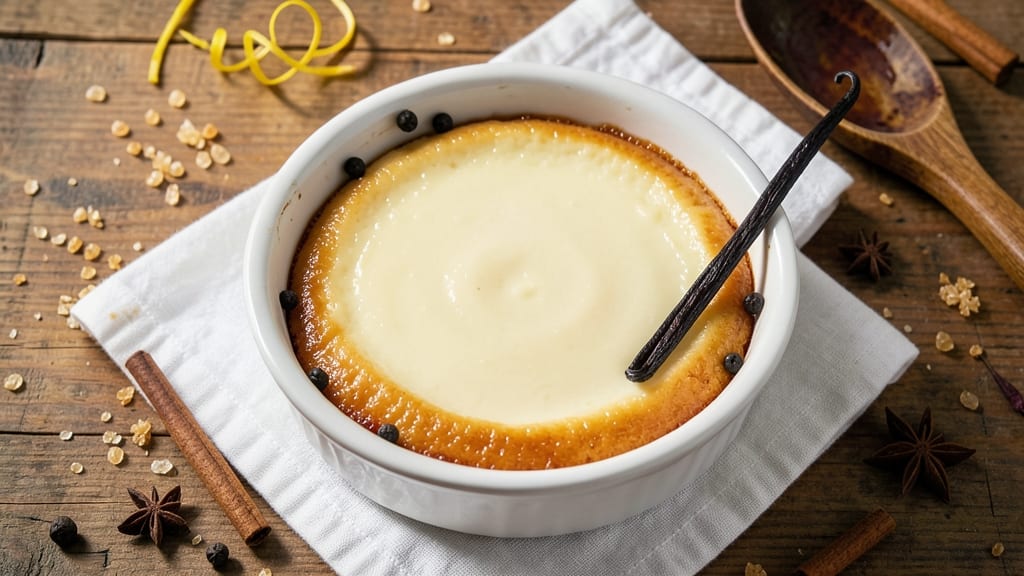
This 6-egg flan recipe delivers the perfect balance of silky custard and rich caramel—every spoonful is pure comfort. The secret lies in tempering the eggs gently and baking them in a water bath for that signature golden crust and creamy center.
I've perfected this technique over years of baking, ensuring no cracks or rubbery textures.
The custard begins with a simple mix of eggs, sugar, and milk, heated just until it thickens slightly before pouring into your caramelized mold. A water bath creates the ideal environment for even cooking, while the caramel layer adds that irresistible sweetness and depth.
This method guarantees a flan that's velvety smooth with a tender, jiggly center.
What sets this recipe apart is the attention to detail—like using a thin layer of caramel at the bottom and ensuring the custard is perfectly set before chilling. The result?
A flan that's rich, creamy, and effortlessly elegant, perfect for brunch or dessert. The golden crust contrasts beautifully with the silky custard, making it a showstopper every time.
Whether you're a beginner or an experienced baker, this flan recipe is foolproof and delivers restaurant-quality results at home. The best part? It's versatile—serve it warm or chilled, topped with whipped cream or fresh berries. Let's get started on creating your perfect flan.
Ingredients for 6 egg flan
Six perfect eggs, velvety milk, and caramel that'll make you swoon—this is your golden-ticket flan.
| Ingredient | Amount | Notes |
|---|---|---|
| Large Eggs 🥚 | 6 whole | Room temperature for blending |
| Granulated Sugar 🍚 | 1 ½ cups | Divided for caramel and custard |
| Whole Milk 🥛 | 2 cups | Full-fat for creaminess |
| Vanilla Extract 🌿 | 1 tbsp | Pure vanilla preferred |
| Unsalted Butter 🧈 | 2 tbsp | For caramel base |
| Salt 🧂 | ¼ tsp | Fine sea salt |
| Cornstarch 🌾 | 1 tbsp | For custard stability |
| Lemon Juice 🍋 | 1 tbsp | Freshly squeezed |
| Heavy Cream 🥛 | ½ cup | Optional for extra richness |
| Cinnamon Stick 🌿 | 1 whole | Optional for infusion |
The eggs are the heart of this flan, so use large, fresh eggs—they whip up better and create that signature silky texture. For the caramel, butter matters—it adds richness and prevents crystallization. I grab Land O'Lakes unsalted butter from the grocery store, but any good-quality brand works. The milk should be full-fat (none of that skim nonsense)—it makes all the difference in creaminess. If you're feeling fancy, infuse the milk with a cinnamon stick while heating (just remove it before using). And that vanilla? Pure extract, not imitation—trust me, you'll taste the difference.
No vanilla? Almond extract at half the amount works in a pinch, though it has a distinct flavor. Short on heavy cream? Skip it—this flan is delicious without it, but add it if you want that extra-luxurious texture. For the sugar, white granulated is classic but turbinado adds a nice crunch to the caramel crust. Lemon juice brightens the whole thing—fresh is best, but bottled works if you're in a hurry. The cornstarch is non-negotiable for that perfect set—it keeps the flan from being too runny. And if you're worried about cracks, chill the flan uncovered for 10 minutes in the fridge first before unmolding.
This flan keeps beautifully—3-4 days in the fridge if stored properly (cover tightly with plastic wrap). For serving, I like to run a warm knife around the edges before unmolding to loosen it from the dish. The caramel will be liquidy at first, but it sets up nicely as it cools. If you make extra, freeze it for up to 2 months—just thaw in the fridge overnight. Pro tip: Warm it gently in a water bath if you prefer it served warm. And always, always let it come to room temperature before serving—it's magic that way.
Why You'll Love This Recipe
- No Whisk Arm Fatigue: I swear by this recipe because it only requires whisking eggs and milk—no heavy dough or chopping. The six eggs give it that perfect set without overworking your wrists.
- Silky Vanilla Magic: That vanilla extract? It’s the star. The caramelized sugar crust meets the creamy custard, and the whole milk makes it rich without being heavy. One bite and you’ll understand why it’s my go-to dessert.
- Potluck Hero: Between us—this flan travels like a champ. It stays intact in the fridge for days, and the buttery edges keep it from getting soggy. Bring it to a gathering, and you’ll be the one everyone thanks.
- Budget Luxury: Six eggs and a handful of sugar? This is dessert that doesn’t break the bank. I make it weekly, and it’s always the first thing to disappear—no one complains about the price tag.
Step-by-step instructions for silky caramel flan
Here's how to create that perfect caramel hug with a velvety custard center every time.
Create the Caramel Base
In a heavy-bottomed saucepan, melt the 2 tablespoons unsalted butter over medium heat. Once fully melted, add 1 cup granulated sugar and stir until completely dissolved. The sugar will bubble vigorously—this is normal, so don't stir constantly or it'll crystallize.
Let the mixture simmer for 2-3 minutes until it turns a deep amber color. Immediately pour the caramel into a 9-inch round baking dish (or your flan mold of choice) and tilt to coat the bottom evenly. Set aside to cool completely—this prevents the custard from sticking. If you're using the optional cinnamon stick, add it to the caramel now for subtle warmth.
Whisk the Custard Mixture
In a large bowl, whisk together the 6 whole large eggs until they're frothy. Add the 1.5 cups granulated sugar (the remaining amount) and whisk until fully combined. The mixture should look pale and smooth—this ensures a sweet but not overly sugary flan.
Gradually pour in the 2 cups whole milk while whisking continuously. Add the 1 tablespoon vanilla extract, 1 tablespoon cornstarch, 0.25 teaspoon salt, and 1 tablespoon lemon juice. If using, stir in the 0.5 cup heavy cream for extra richness. The custard should be smooth with no lumps—this is your silky texture foundation.
Combine and Strain for Smoothness
Slowly pour the custard mixture through a fine-mesh strainer into a separate bowl. This removes any potential lumps and gives you that ultra-smooth texture. Return the strained custard to your mixing bowl and give it one final whisk to ensure everything is evenly distributed.
Here's the thing—if your custard has any lumps, they'll turn up as graininess in your flan. Straining is non-negotiable for that restaurant-quality finish. The mixture should now be completely smooth and glossy, ready for the water bath.
Bake in a Water Bath
Preheat your oven to 350°F. Place the baking dish with the cooled caramel into a larger roasting pan. Slowly pour hot water into the roasting pan until it reaches about halfway up the sides of the flan dish. This water bath ensures gentle, even heating.
Carefully pour the custard mixture over the caramel in the baking dish. Tap the dish gently on the counter to release any air bubbles that may have formed. Bake for 50-60 minutes until the custard is just set but still slightly wobbly in the center—this is your golden zone for that perfect texture.
Cool and Chill for Maximum Creaminess
Remove the flan from the water bath and let it cool to room temperature. This gradual cooling prevents cracking. Once cooled, cover the dish tightly with plastic wrap and refrigerate for at least 4 hours, preferably overnight. This long chill time is what transforms your custard into that silky, jiggly perfection.
When you're ready to serve, run a knife around the edges of the flan to loosen it from the dish. Place a warm plate over the dish and carefully flip it onto the plate. The caramel should release easily, creating that beautiful caramel hug you've been waiting for. Slice and serve with a sprinkle of cinnamon or a dollop of whipped cream if desired.
Pro Tips For Making 6 Egg Flan
- Whisk Until Ribbons Form: I learned this the hard way—when the egg mixture is too thick or lumpy, your flan will set unevenly or crack. Beat the eggs and sugar vigorously until the mixture holds soft, glossy ribbons when the whisk is lifted. This isn’t just about aeration; it’s about ensuring the custard sets smoothly.
- Use Cold Milk: Hot milk sounds faster, but it’s a shortcut that backfires. Warm milk curdles eggs, and your flan will end up grainy or separated. Stick with cold whole milk straight from the fridge—it tempers the eggs gently and keeps the texture silky.
- Prevent Overbrowning: That golden crust is tempting, but if you bake flan at 350°F (175°C) for too long, the top will darken while the center stays runny. After 30 minutes, lower the heat to 300°F (150°C) and cover loosely with foil. This keeps the top soft and the center perfectly set.
- Add Vanilla Last: Splitting the vanilla extract into two doses makes a real difference. Mix half into the milk first, then fold the rest into the egg mixture just before pouring. This balances the flavor—no overpowering aftertaste, and the custard stays lighter. (Yes, it’s extra steps, but it’s worth it.)
Troubleshooting this recipe
Cracked Custard Fix
Cracks happen when your flan cooks too fast or shrinks unevenly during chilling. To prevent them, prevent rapid temperature changes by letting your flan cool gradually at room temperature before refrigerating.
If cracks already appear, don’t panic—simply cover the flan with a thin layer of caramel (melt ½ cup sugar with 1 tbsp butter) and chill again. The new caramel layer will mask the cracks beautifully. 💫
Rubbery Texture Rescue
Overcooking is the usual culprit for rubbery flan. Your custard should be just set with a slight wobble in the center when done—no jiggle means it’s overdone.
If yours turns out too firm, try reheating it gently in a water bath (place the dish in a pan with 2 inches of simmering water) for 10-15 minutes to restore creaminess. For future attempts, reduce baking time by 5 minutes and check at 45 minutes.
Lumpy Custard Solutions
Lumps in your flan usually mean you didn’t strain the custard properly or whisked too vigorously. For a quick fix, blend the flan after baking (without unmolding) using an immersion blender until smooth.
To avoid lumps next time, whisk the eggs and sugar gently until just combined, then strain through a fine-mesh sieve lined with cheesecloth. Pro tip: Temper the eggs by slowly adding warm milk to the egg mixture while whisking constantly—this prevents curdling.
Caramel Crystallization
If your caramel turns grainy instead of smooth, it’s likely due to stirring too much or using wet ingredients. To salvage it, melt the caramel gently in a clean saucepan over low heat, then pour it back into the flan dish.
For a flawless caramel next time, use a dry saucepan and avoid adding any liquid until the sugar is fully dissolved. A light sprinkle of corn syrup (½ tsp) can also prevent crystallization if you’re worried.
Flan Sticking to Dish
Sticking happens when the caramel isn’t fully cooled or the flan mold isn’t properly prepared. Butter your flan dish generously before pouring the caramel, and let the caramel cool completely before adding the custard.
If it still sticks, run a hot knife around the edges before unmolding, or place the dish in the freezer for 5 minutes to loosen it. For stubborn cases, dip the dish in hot water for 10 seconds before flipping.
Undercooked Center
An undercooked center means your flan didn’t bake long enough. To test doneness, gently shake the dish—if the custard jiggles slightly, it’s ready. If not, return it to the oven for additional 5-10 minutes.
For future batches, cover the flan with aluminum foil during the last 15 minutes of baking to trap steam and help it set evenly. Chilling the flan overnight also ensures a fully set texture.
Nutrition facts
Frequently asked questions
Can I make this flan without a water bath?
Technically yes, but you risk uneven cooking and potential cracks. A water bath distributes heat evenly, creating that signature silky texture. If you skip it, bake at 325°F for 10-15 minutes longer and cover the dish tightly with foil to retain moisture.
How do I know when my flan is fully set?
The custard should be just firm with a slight wobble in the center when gently shaken. If it jiggles like gelatin, it's perfect. Overcooking turns it rubbery—so pull it out when it's still slightly underdone. The chilling process will set it completely.
Can I substitute cornstarch with flour?
Not recommended—flour has a stronger flavor and can make your flan taste chalky. If you're out of cornstarch, use arrowroot powder at the same ratio (1 tbsp). It works similarly and won't alter the texture.
Why does my caramel crystallize?
Crystallization happens when moisture gets in or you stir too much. For smooth caramel, use a dry pan and avoid adding liquid until the sugar fully melts. A tiny pinch of corn syrup (½ tsp) can also prevent it.
How long can I store leftover flan?
Flan keeps for 4-5 days in the fridge when stored properly (covered tightly). For longer storage, freeze for up to 2 months. Thaw overnight in the fridge—never at room temperature. The texture holds up beautifully when reheated gently in a water bath.