
Breakfast & Brunch
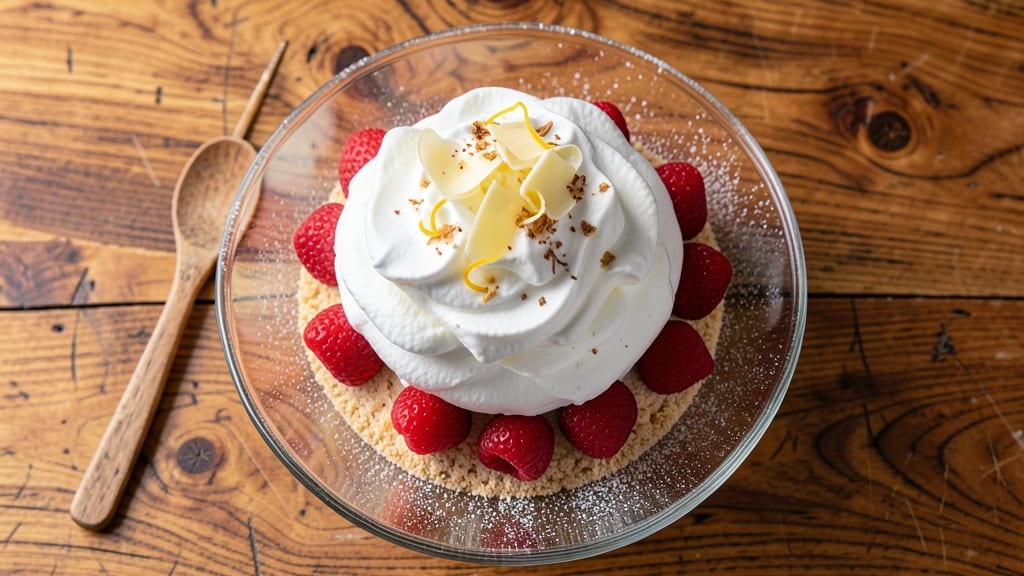
The 8-egg pavlova recipe delivers that perfect balance of crispy meringue shell and fluffy marshmallow center—every bite is a revelation. This classic dessert has been my go-to for special occasions, and the secret lies in precise technique and patience.
The meringue must be baked just right to achieve that signature crisp exterior while keeping the inside light and airy.
What sets this recipe apart is the use of 8 eggs, which creates a sturdy yet delicate structure that supports generous toppings of whipped cream and fresh fruit. The key to success is beating the egg whites to stiff peaks and gradually incorporating the sugar to maintain stability.
Baking at a low temperature ensures even cooking without browning.
Once cooled, the pavlova develops its signature crackle, and that's when you know it's ready for assembly. Topped with fluffy whipped cream and vibrant fruit, this dessert becomes a showstopper that's as impressive to look at as it is to eat.
The contrast of textures—crisp shell, soft meringue, creamy topping—makes every slice unforgettable.
Perfect for holidays, dinner parties, or simply treating yourself, this pavlova recipe is a crowd-pleaser that feels both elegant and approachable. With the right tools and a little practice, you'll achieve restaurant-quality results at home. Let's get started on creating this timeless dessert.
Ingredients for 8 egg pavlova
Eight eggs and precise technique create this elegant dessert's signature crisp shell and marshmallow core.
| Ingredient | Amount | Notes |
|---|---|---|
| Large Egg Whites 🥚 | 8 whole | Room temperature, pasteurized if preferred |
| Granulated White Sugar 🍚 | 1 ½ cups | Superfine for smoother texture |
| Cornstarch 🌾 | 2 tbsp | Lightly sifted for even distribution |
| White Vinegar 🍶 | 1 tsp | Ensures stable meringue peaks |
| Heavy Whipping Cream 🧈 | 2 cups | Full-fat for maximum stability |
| Unsalted Butter 🧈 | ½ cup | Softened, cut into small pieces |
| Vanilla Extract 🌿 | 1 tbsp | Pure, high-quality vanilla |
| Fresh Raspberries 🍓 | 2 cups | Maccerated for juicy texture |
| Lemon Zest 🍋 | 1 tsp | Brightens the flavor profile |
| Diamond Crystal Kosher Salt 🧂 | ¼ tsp | Fine grain for delicate seasoning |
| Corn Syrup 🍯 | 2 tbsp | Enhances moisture retention |
| Lemon Juice 🍋 | 1 tbsp | Freshly squeezed for acidity |
The egg whites are non-negotiable—room temperature ensures maximum volume. Pasteurized whites from brands like Vital Farms offer peace of mind without compromising texture. For sugar, superfine is ideal (like Domino brand), but regular granulated works if pulsed briefly in a food processor. The cornstarch acts as a stabilizer, so lightly sift it through a fine-mesh sieve to avoid lumps. Vinegar is crucial here—it helps the meringue set properly, so don't skip it. For the fruit topping, fresh raspberries are best, but frozen works in a pinch if macerated with a bit of sugar first.
No superfine sugar? Pulse regular granulated sugar in a food processor for 30 seconds to break up the crystals. Substituting cornstarch? Arrowroot powder at the same ratio works equally well. For the cream topping, whipped cream from a can (like Reddi-wip) saves time, though homemade is superior. The vanilla extract should be pure—imitation extracts lack the depth. If you're avoiding dairy, coconut cream whipped with powdered sugar mimics the texture. The lemon zest can be omitted if you dislike citrus notes, but it adds a lovely brightness that complements the sweetness.
Meringue requires immediate use—bake within 30 minutes of whipping to maintain peak structure. Store the pavlova base in an airtight container at room temperature for up to 2 days, though it's best enjoyed fresh. The cream topping should be added just before serving to prevent sogginess. For make-ahead convenience, assemble the entire dessert 1 hour before serving—this allows flavors to meld without compromising texture. Freezing isn't recommended as it alters the delicate balance of textures.
Why You'll Love This Recipe
- No Stand Mixer Needed: I’ll admit, I don’t own one—and this meringue still turns out crispy enough to crack a tooth. The vinegar trick (just a splash) keeps it stable while you whip by hand, and 8 egg whites mean you’re not fighting for volume. Honestly, the only tool you need is elbow grease.
- Crispy-Creamy Magic: That golden shell with a marshmallow center? It’s all in the sugar-to-cornstarch ratio—just 1 teaspoon of cornstarch for the whole batch, mixed into the sugar before folding. The cream topping isn’t just whipped; it’s weighted with a pinch of sugar so it doesn’t collapse. Between us, the first bite is why I keep making this.
- Dessert That Works Anywhere: Forget fancy occasions—this is my "I have no idea what’s for dinner" go-to. Serve it at a picnic (the meringue holds up surprisingly well), as a breakfast bowl (yes, really—add honey and nuts), or even a last-minute gift (wrap a slice in parchment, tie with twine). My kid’s soccer team’s been asking for seconds since I brought it to practice.
- Budget-Friendly Luxury: Eight eggs might sound pricey, but you’re using only the whites—no waste if you scramble the yolks for breakfast. The sugar and vinegar are pantry staples, and heavy cream stretches further than you’d think when you dollop it lightly. I’ll be real: it looks impressive for what it costs, and the leftovers? They vanish in a day.
Step-by-step instructions for perfect pavlova
A delicate balance of technique creates the signature crisp shell with a marshmallow center. Here's how to achieve it every time.
Prepare the Meringue Base
Preheat your oven to 325°F and line a baking sheet with a silicone mat or parchment paper. In a spotlessly clean, grease-free mixing bowl, beat the 8 whole large egg whites with an electric mixer on medium speed until soft peaks form. This ensures no yolk residue interferes with proper meringue formation.
Gradually add the 1.5 cups granulated white sugar and 2 tbsp cornstarch while mixing continuously. Increase speed to high and beat for 10-12 minutes until the meringue is glossy and holds stiff peaks that stand upright when the beaters are lifted. The bowl should feel cool to the touch—this indicates proper aeration. If the meringue feels warm, chill the bowl in an ice bath for 5 minutes before proceeding.
Shape and Bake the Meringue
Transfer the meringue to a piping bag fitted with a large round tip. Pipe an 8-inch circle onto the prepared baking sheet, creating a ½-inch thick center that tapers to ¼-inch at the edges. Use the back of a spoon to smooth the edges and create a slight well in the center for the filling.
Bake for 1 hour 15 minutes until the meringue is completely dry to the touch and the base is golden brown. The shell should sound hollow when tapped. Immediately reduce oven temperature to 250°F and continue baking for 30 minutes to prevent cracking. Turn off the oven and let the pavlova cool completely inside for 1 hour with the door slightly ajar.
Prepare the Filling
While the meringue cools, combine the 2 cups fresh raspberries, 2 tbsp corn syrup, 1 tbsp lemon juice, 1 tsp lemon zest, and 0.25 tsp kosher salt in a bowl. Let sit for 15 minutes to macerate, then strain through a fine-mesh sieve to remove seeds. This ensures a smooth, jam-like consistency.
In a separate bowl, whip the 2 cups heavy whipping cream to stiff peaks. Gently fold in the 0.5 cup softened unsalted butter and 1 tbsp vanilla extract using a spatula until fully incorporated. The filling should be light and airy with no butter lumps remaining. Keep both components chilled until ready to assemble.
Assemble and Serve
Spread the raspberry mixture evenly over the cooled meringue shell, leaving a ½-inch border uncovered. Immediately pipe the whipped cream mixture over the raspberries, creating a smooth, even layer. Use a spatula to gently press the cream into the raspberry layer, ensuring full coverage.
Serve immediately while the meringue is still crisp. The contrast of the crisp outer shell with the light, marshmallow-like center creates the perfect texture profile. For best results, serve within 30 minutes of assembly to maintain the ideal balance of crispness and creaminess.
Pro Tips For Making 8 Egg Pavlova
- Whip Egg Whites Cold: Grab a metal bowl and set it in the fridge for 10 minutes before starting—cold temperatures stabilize the whites and help them hold stiff peaks. I learned this the hard way when my meringue collapsed after I rushed and used a warm bowl. Trust me, the extra two minutes save hours of frustration later.
- Sift That Sugar: Don’t just dump the sugar—sift it through a fine-mesh sieve with the cornstarch before folding it in. This keeps the meringue light and airy instead of dense. I used to skip this, and my pavlova always felt heavy, even when it looked perfect.
- Bake Low and Slow: Preheat the oven to 250°F (120°C), not 300°F (150°C) like some recipes suggest. A lower temp prevents cracking and ensures even cooking without burning the edges. After baking three cracked pavlovas, I finally cracked this rule—literally—and the results were flawless.
- Whip Cream Last: Fold in the whipped cream right before serving—it deflates when baked, turning your meringue into a soggy mess. If you’re prepping ahead, store the meringue shell separately and whip the cream fresh. Sounds weird, but it works: your dessert stays crisp and elegant.
Regional styles of this recipe
Australian Origins
Pavlova traces its roots to Australia and New Zealand, where it became a national dessert icon. The debate over its origin continues—some credit New Zealand chef Percy Perry (who named it after Russian ballerina Anna Pavlova during her 1926 tour), while others argue it was developed independently in Australia.
The key difference? Australians traditionally use raspberries, while Kiwis often opt for kiwifruit or passionfruit in their versions. 🌏
New Zealand Twist
In New Zealand, pavlova often features kiwifruit as the star topping, reflecting their famous fruit export. The meringue base remains the same, but the filling might include passionfruit curd or feijoa for a tropical twist.
I’ve made this version with 2 cups sliced kiwifruit macerated in 1 tbsp honey and 1 tsp lime zest—the acidity cuts through the sweetness beautifully. The cream topping stays classic, but some Kiwi chefs add edible silver leaf for an extra touch of elegance.
British Colonial Influence
The British brought their own variations to the Commonwealth, often incorporating strawberries and cream in a more traditional trifle-like style. Their pavlova tends to be slightly smaller (about 6-inch diameter) and sometimes includes sherry-soaked sponge layers.
For a British-inspired take, I’ve topped mine with 2 cups hulled strawberries macerated in 1 tbsp port wine and 1 tsp rosewater—the floral note adds depth. 🍓
Modern Fusion Adaptations
Today’s chefs are reimagining pavlova with global flavors. A Japanese-inspired version might use matcha-infused meringue (replace 1 tbsp sugar with ½ tsp matcha powder) and top with red bean paste and white chocolate shavings.
For a Mexican twist, I’ve tried adding mango-habanero mousse and chili-lime whipped cream—the heat balances the sweetness perfectly. The possibilities are endless, but always keep the crisp shell as the foundation.
Seasonal Variations
Summer pavlova shines with peaches and nectarines, while autumn calls for figs and pecans. Winter versions often feature pomegranate seeds and candied ginger for a festive touch.
I love a spring pavlova with strawberries, rhubarb compote, and poppy seed cream—the tartness of rhubarb keeps the dessert from being too heavy. Each season brings new opportunities to play with flavors while maintaining the classic technique. 🍑
Nutrition facts
Frequently asked questions
Why does my meringue crack during baking?
Meringue cracks most often from humidity or uneven baking. Ensure your kitchen is dry (use a dehumidifier if needed) and bake at 325°F for 1 hour 15 minutes before reducing heat to 250°F to prevent sudden temperature shifts. Also, let the meringue cool completely in the oven before opening the door—this helps set the structure.
Can I make this pavlova ahead of time?
Yes! Bake the meringue shell 1 day ahead and store it in an airtight container at room temperature. Assemble with toppings just before serving to maintain crispness. If storing longer, refrigerate the shell (up to 3 days) and bring to room temperature before adding fillings.
What's the best way to test if egg whites are ready?
Egg whites are ready when they form stiff peaks that stand straight up when the beaters are lifted. The bowl should feel cool to the touch—if it's warm, chill it for 5 minutes before adding sugar. For extra stability, add 1 tsp vinegar to the whites before whipping to strengthen the structure.
How do I fix a soggy pavlova?
Sogginess happens when cream touches the meringue too soon. To salvage it, carefully slice off the wet top layer and serve the crisp bottom portion. For next time, add toppings just before serving and avoid thick layers of cream. A ½-inch border of bare meringue helps prevent sogginess.
What are some unexpected pavlova toppings?
Think beyond fruit! Try caramelized peaches with bourbon cream, spiced mango with lime zest, or even salted caramel with sea salt flakes. For a savory twist, pair with whipped goat cheese and honey-drizzled figs. The key is balancing textures—crisp shell, creamy filling, and contrasting toppings.